
Director Interviews: Juan Palacios and Sofie Husum Johannesen
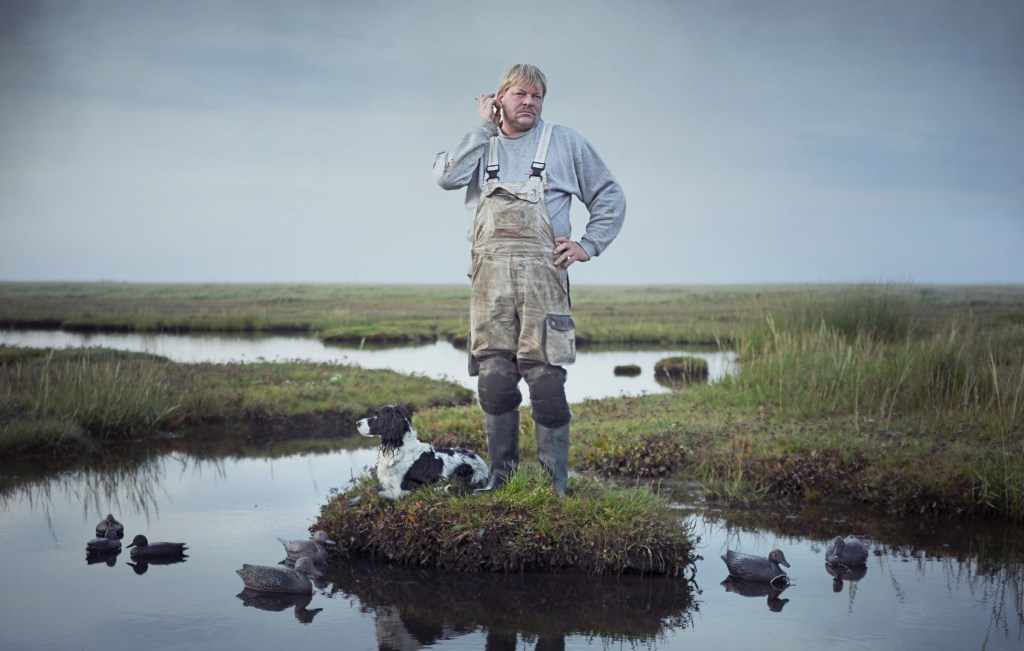
Juan Palacios
Q: How does a Basque filmmaker end up making a film on a small Danish Island that no one has ever heard of?
The tradition of the Basque Country dictates that Basque fishermen must go to remote seas hunting for whales. That’s how I got stranded on Mandø. My previous film MESETA had its world pre-miere at my beloved CPH:DOX film festival.
Andreas Dalsgaard, film director, and CEO of Elk Film watched the film and seemed to like it enough to offer me the opportunity, a couple of years later, to make a film about Mandø in a similar style. He had previously visited the island and was fascinated by itspeculiarities. He sensed the potential for a film and assembled a team to work on it: co-director and line producer Sofie Husum Johanessen, producer Kasper Lykke Schultz, and myself. The theme of the film was right up my alley, and I quickly fell in love with its potential. However, this was the first time I worked as a director on a project that didn’t originate directly from me. Initially, I had to find my place in the project, determine my approach, and figure out what I was bringing to it. But as soon as we visited the island and began the writing process, I found my voice.
Q: Tell us about the development process.
I knew little about Mandø or the Wadden Sea before undertaking this project. Kasper, the film’s producer, grew up nearby, yet Mandø’s reality proved to be uniquely distinct. Initially, extensive research was necessary. Sofie, the co-director and a visual anthropologist, made several trips, spending time alone on the island to familiarize herself with each of the 27 remaining inhabitants. She built rapport with them and gained their trust before a Spanish filmmaker would arrive with a camera. She did a fantastic job!
Sofie gathered their stories, which we then discussed, determining which characters and their compelling narratives could reveal different facets of the island’s reality. We understood that the focal point of the film had to be the island itself and its situation, with human characters and their stories always in relation to the place. With my background in Environmental Studies and a keen interest in human interactions with the non-human world, we gradually wove a tapestry of narratives and sensory experiences that served as the foundation of the film.
Then came extensive writing. Mandø isn’t a place where events spontaneously unfold for filming; everything had to be orchestrated: the interactions between characters, their relationship with their surroundings, and so on. This film demanded meticulous planning and scripting from our end. Of course, all the writing is about the reality of the place and its inhabitants. Paradoxically, we planned for spontaneity, creating a framework within which genuine interactions, like conversations and wilderness activities, could unfold naturally. We shaped the time and space of their daily lives to capture the essence of the island on film. Although the film was highly structured in its approach, it wasn’t scripted in the traditional sense. We made around 15 trips to Mandø, with continuous feedback between the writing, filming, and editing processes until we achieved a cohesive final product.
Q: How did you develop the language of your film?
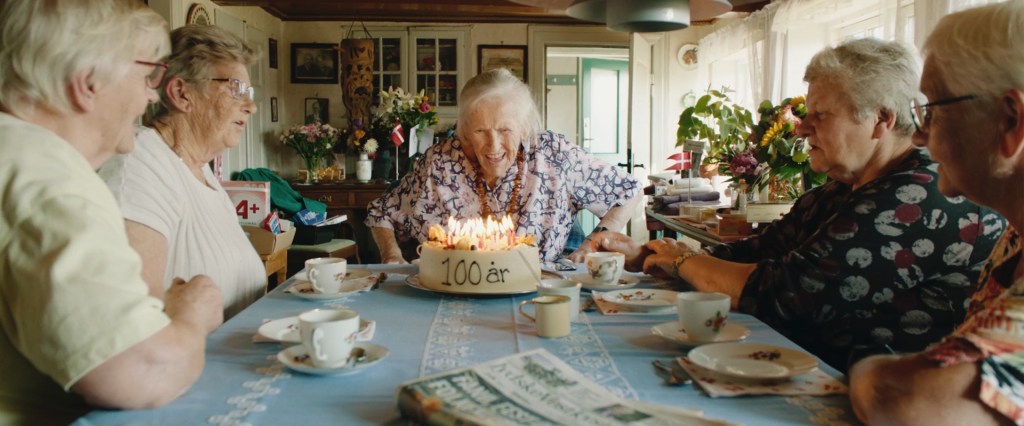
The starting point of my films often lies in a specific place, and in this instance, it’s Mandø island, its inhabitants, and the looming threat of a speculative storm surge. I aimed to infuse the film with an atmosphere of danger and mystery, weaving a sense of anticipation from start to finish. Achieving this involved keen attention to subtle movements and the island’s atmospheric elements. Technology, particularly how humans try to understand natural processes, served as a constant undercurrent, heightening the tension like a ticking clock. Our choice of minimal music further amplified this mysterious ambiance, creating what felt like a strange folk tale on screen.
I strived to immerse the audience in Mandø’s essence, ensuring they felt present on the island. This meant selecting scenes with minimal cuts, opting for wide shots, and maintaining a continuity more akin to fiction cinema than documentaries.
The island’s tranquility, shaped by cyclical rhythms like tides, cultivated a grounded awareness, allowing viewers to notice subtle details: a bird’s wings fluttering in the night, the gentle shift in wind, or the serene sounds of low tide. Replicating this heightened perception in the film, I emphasized the pace and smooth transitions between scenes, inviting viewers to discover intricate visual and auditory details in each frame.
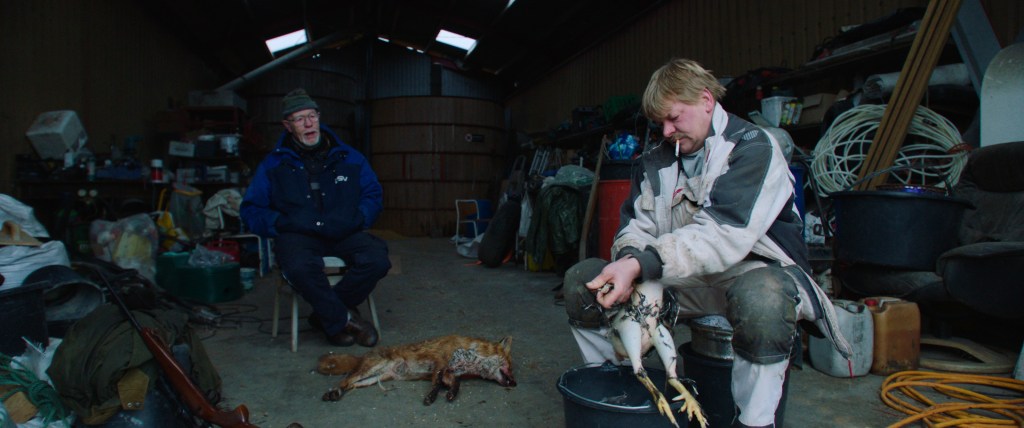
To delve into the islanders’ personal narratives, I chose a unique path, avoiding conventional interviews. Instead, the audience delves into these stories through spontaneous encounters and conversations between characters. Carefully planned spontaneity became pivotal, setting the stage for convincing interactions that aligned seamlessly with their reality. While humor found its way into many scenes, I avoided artificial manipulation in the editing room. The film’s humour arose organically from the way scenes were filmed, capturing the genuine, sometimes awkward, essence of real-life moments. Characters were given ample time to reveal themselves, enabled by extended scenes and minimal cuts, fostering an authentic connection between the audience and the individuals on screen. This approach allowed profound truths about the characters to surface, fostering a deep sense of personal connection for viewers.
Q: The visual part of the film is extraordinary, tell us a bit more about how you work as a cinematographer.
When focusing on a location as the main subject, the lines between director and cinematographer often blur. Through the camera lens, the space transforms into a framed landscape where the film’s narratives unfold.
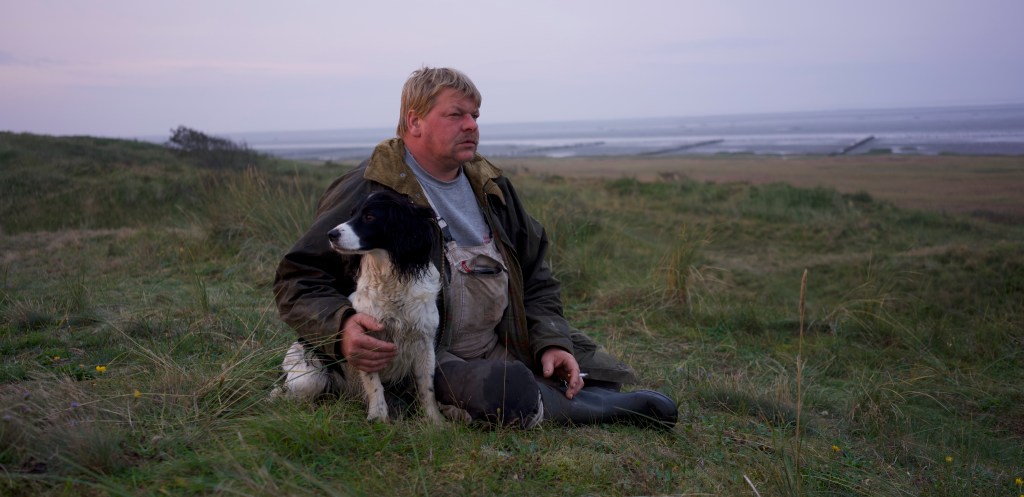
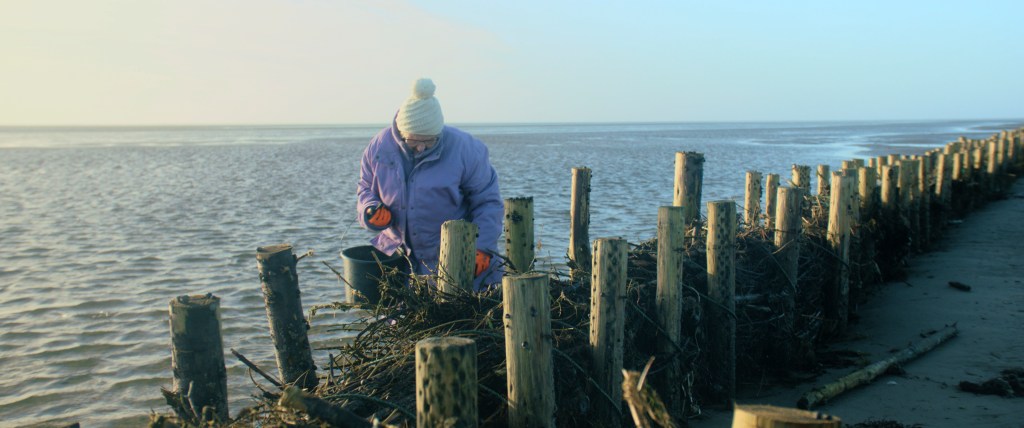
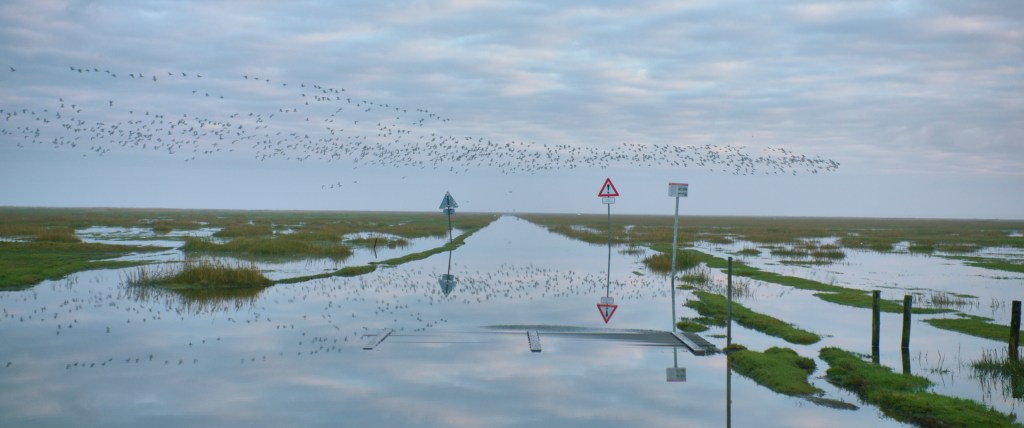
During my initial visit to Mandø and The Wadden Sea, the striking flatness of the area captivated me. At low tide, the dry sand resembled a desert, and shallow waters mirrored the sky, creating an eternal feeling. To convey the vastness and solitude, shooting wide was essential. I opted for the scope format early on, valuing its atmospheric quality and negative space, emphasising the prominence of the place and the immersion of human figures within it. Even in close-ups, we maintained a wider shot, emphasising physical proximity while highlighting the surroundings.
Our focus was on the tides, capturing the relentless motion of rising and falling water. We positioned the camera low, near the water but shooting wide, tracking its movement with the tide. The wind and the moon played vital roles in the film, requiring us to interpret the landscape and translate it cinematically. For me, location scouting and filming often preceded the writing process, finding inspiration by letting the place guide my writing. The challenge lay in enabling human characters to interact meaningfully with the location’s essential elements.
Upon returning to the island, my first task was to explore alone, noting changes due to season, tides, or storms. Mapping the island and understanding the locations of various non-human elements was crucial for capturing them at the right moment. The island is in constant flux. Weather might start dreary, but suddenly, a clear sky offers perfect lighting to film the wind brushing the tubular reeds on the west side of the island. Recognising these opportune moments, I swiftly captured them. Working on such a small island, my familiarity with every corner was advantageous. It was about understanding the terrain and seizing the right moments.
Q: You’ve collaborated with Sofie Husum Johannesen, who has a background in visual anthropology, how do you see yourself using anthropology as inspiration for your filmmaking?
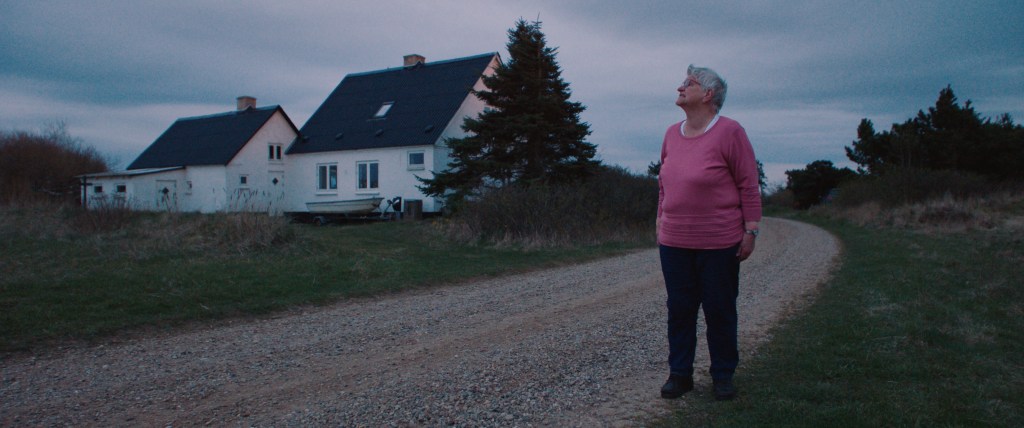
Even though I’ve lived in Denmark for a decade, I don’t understand Danish culture as intimately as she does, of course. Besides being an excellent creative partner, Sofie has been instrumental in helping me navigate the emotional and cultural landscape of the island. Her perspective as a visual anthropologist significantly shaped the film. Sofie delved deeply into Mandø as a community, exploring the intricate ties among its people and understanding the island’s historical way of life. Much of our writing process was influenced by her research. Our task was to unveil the unique aspects that make Mandø and its people truly special. In a sense, we aimed to capture the essence of this place. Throughout the filmmaking journey, a persistent question in my mind was: if a devastating storm were to wipe out a world like Mandø, what intangible aspects would be lost beyond material things? Is it the stories, the knowledge of survival in such a place, or the culture itself?
While I don’t consider myself an anthropologist, I am deeply intrigued by human behavior, societal dynamics, and our species’ interactions. However, I don’t approach these subjects with the same rigor as an anthropologist. My interest lies more in the emotional and atmospheric impact of these themes rather than the strict factual accuracy. In the broader context of the film, which explores the consequences of climate change, my focus remains on the feelings, sensations, and overall atmosphere evoked by these facts.
Q: Your previous films show your interest in the boundaries between human culture and the environment, how do you see this being present in your new film?
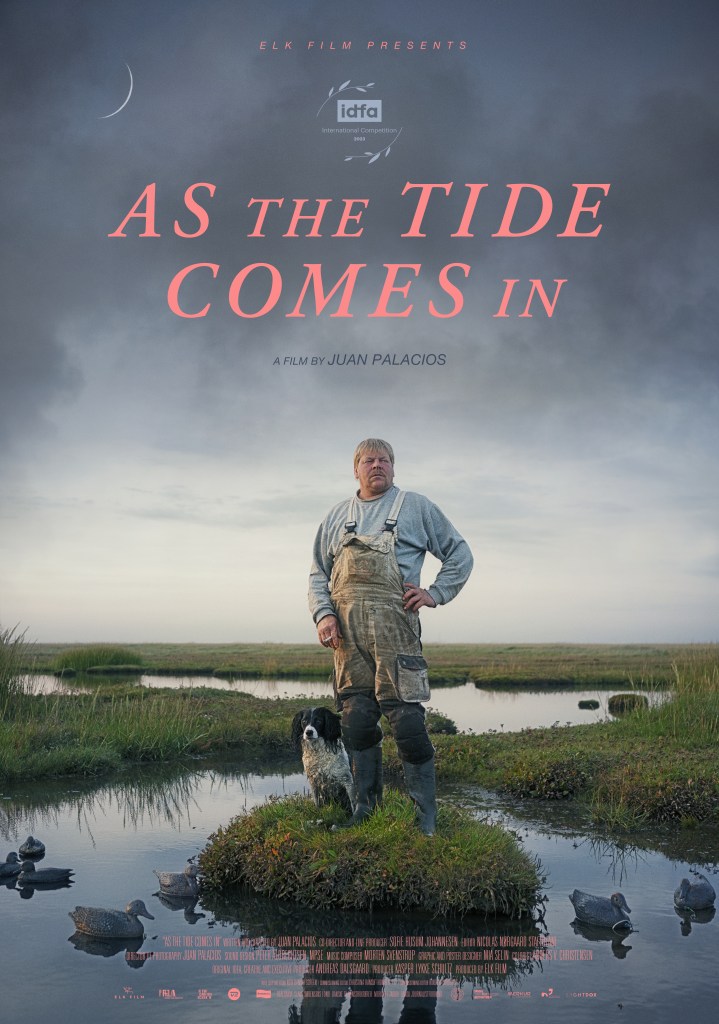
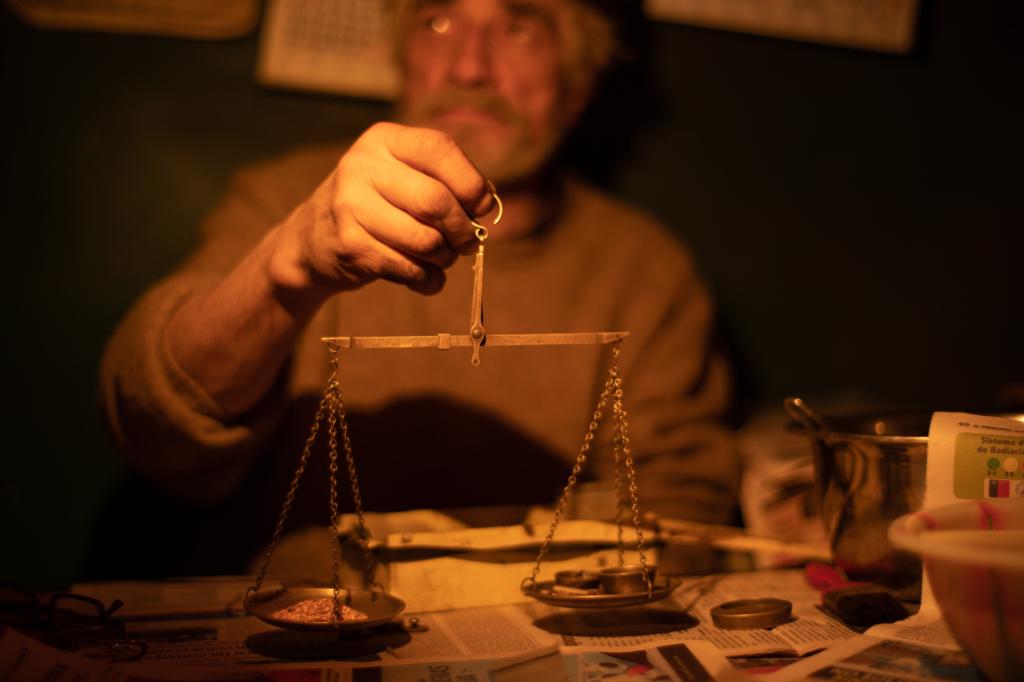
All the human stories in the film are intricately woven into the island’s delicate situation, a direct result of life on this “remote” tidal island molded by the relentless forces of the rising sea. Gregers’ unfruitful search for love for instance is, to a degree, related to the geographical vicissitudes of the place. As a farmer, his existence is intricately connected to this small piece of land surrounded by water, now overshadowed by the island’s tourism industry. It’s fascinating to witness how the island’s unique features, the challenges of living in a tidal environment, and tales of past and future storms have become marketable.
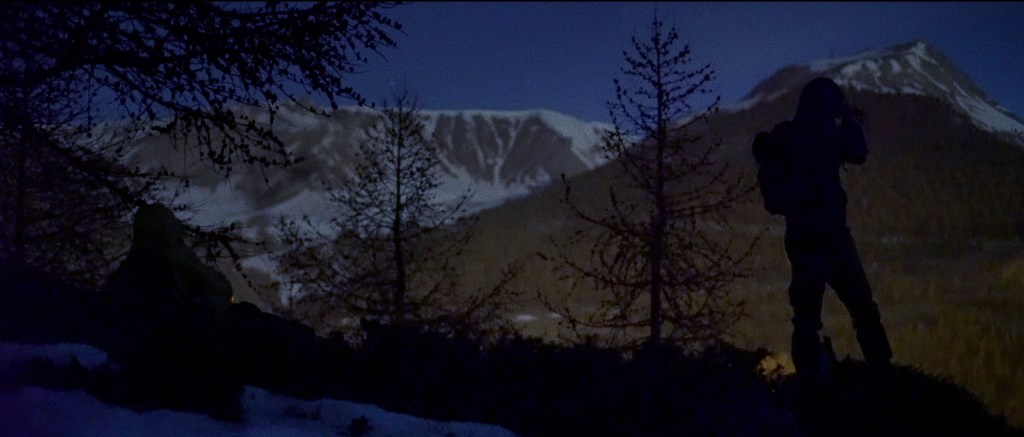
When birdwatcher Niels mourns the disappearance of a rare bird from the island, a deep sense of nostalgia pervades his words—a sentiment echoed by many today, mourning the loss of the natural elements that once surrounded us. Perhaps the most captivating example is the moon disease afflicting many islanders. The moon, governing tidal cycles, has profoundly shaped the island’s landscape and the lives of its people. During a full moon, islanders often wrestle with restlessness during the day and sleeplessness at night, their gaze constantly fixed on the moon above. I must confess, this phenomenon deeply affected me during my time there.
Q: What do you hope your film will achieve?
I want to take the audience on a cinematic field trip to this little tidal island in the Wadden Sea and make them experience the emotional and sensorial landscape of the place. I want them to get to know the fragile situation of Mandø by exploring what it means to be the last inhabitants of an island that could potentially be wiped out by a storm tomorrow. But also, to use that as a metaphor to reflect upon the storm of our time, the impending environmental catastrophe that is threatening the livability of our planet.
Sofie Husum Johannesen
Q: You have an anthropological approach to filmmaking, tell us more about how you work with visual anthropology.
I use my background in anthropology through both research methods and filming methods, although in practice the twoare quite closely intertwined. For me my anthropological perspective and “toolkit” allow me to go in depth with the world of other people’s lives and provides a set of ethical guidelines and responsibilities I believe is important for any documentary filmmaker. From my personal experience I feel that anthropology can give documentary film an analytical level and a set of methods by which you can integrate the analysis into the dramatic structure. Conversely, filmmaking can provide the more academic anthropological dissemination with a sense of dramatic structure and cinematic form, therefore managing to speak to a much broader audience. The two disciplines have a lot to learn – and can greatly benefit from – one another.
Q: Why Mandø? Did you have any knowledge of the island and its residents?
Before coming to Mandø for the first time I didn’t have an idea that the place even existed. I believe many Danes don’t. So, I was surprised not only by the unique and strange landscapes of the place, but also of the people and their way of life. When visiting many of the islanders I felt like stepping into a time bubble – I didn’t know that anyone in Denmark was living this way today, dependent on and controlled by nature and the sea to such a degree. Their stories moved me a lot and every single islander was surprisingly open to talk and welcome me into their home from day one. Something I really have taken notice of and admire with the Mandø islanders, is that they have such a pride and a strong identity that is tied to the place. At the same time, they don’t let worries about the future of the island take up too much space in their mind. They seem content that life happens and that certain things are out of our control. Instead of panicking or fearing what is to come, I feel they possess an ability to take the day as it comes and to accept life with all its hardships.
Q: Did you find it difficult to connect with the island’s residents and what method did you use?
Despite many differences in opinions and personalities I haven’t found it difficult to connect with any of the islanders. Having a natural and sincere curiosity to them and their life I think has allowed me to create a mutual bond where they have had a great interest in showing and sharing their life on Mandø.
An important part of this production has been spending time with the islanders, often without a camera, to get to know them, and understand and integrate, what is important to them into the film. With more than fifteen trips to Mandø during the production of the film, both Juan and I have spent many hours talking, discussing ideas back and forth, listening and hanging out with all our characters – this way participating in their daily life activities; spanning from learning to hunt with a rifle, drinking beers, feeding cattle, helping cleaning in the barn etc. The fact that spend that time and invested in their lives, I believe have permitted us not only the access but also the immense patience from all our participants for making an ambitious film like this.
For me an integral and very anthropological approach to this film’s method has moreover been having a close and mutual dialogue and collaboration with all our participants on the content side of the film.
Q: How did you split the work between you and Juan?
Working together with Juan has allowed me to learn a lot from a more experienced filmmaker with an excellent artistic and strong visual eye and a subtle and sensorial film language. And not least with sky high ambitions of perfectionism on behalf of all the aspects of the film. The latter has really pushed our collaboration and our differences in filmmaking to another level. Being in a pair has allowed us each to focus fully on what we do best. Here my work has especially been bonding and developing close and trustful relations with our participants.
Getting to know them and their everyday life and be in a close dialogue all the way through the production of the film about their life, our ideas, and visions for the film, together finding meaningful ways to convey different topics important and representative to them, whilst still having an audience for the film in mind. With me having my focus on characters, research, access and representation, Juan was allowed to really utilize his position as an outsider to Mandø and to the culture, and this way notice the small peculiarities in the people, the stories, the place and the landscapes and focus on how these could all be tied together in a cinematic way. I feel that these two elements – the close human narratives intertwined with an outsiders sensorial and immediate meeting with a place and its stories is really what has landed the film a good place.
Q: What do you think we can learn from the island’s residents and their beliefs?
I believe we can learn from the way islanders are present in the world. The way they rest in themselves and don’t need any validation from anyone. The way they live in the moment without worrying too much about tomorrow. It’s funny that the things that I assumed were the hardest things about living on an island like Mandø – the isolation, the strict limitations due to the tides and the weather conditions – are the very things that Mandø residents value the most and highlight as what makes Mandø special to them. The calm, the silence and the peace.








Leave a Reply