
Historical Context
The Mozambican Civil War (1977-1992) was a conflict shaped by local dynamics and exacerbated by Cold War politics. Fought between Mozambique’s ruling FRELIMO and the insurgent RENAMO, backed by anti-communist governments, it resulted in one million deaths and five million displaced.
The war devastated Mozambique’s rural infrastructure, with accusations of human rights abuses by both sides, including the use of child soldiers and widespread landmines. Neighboring states—Zimbabwe, Tanzania, and Malawi—deployed troops to defend economic interests against RENAMO attacks.
Ending in 1992, peace talks, mediated by the Mozambican Church Council and the Italian government, led to the Rome General Peace Accords. These agreements facilitated the demobilization or integration of RENAMO units into Mozambique’s armed forces, with UN support for post-war reconstruction.
Despite the peace, tensions flared again between 2013 and 2018, prompting RENAMO to resume insurgency.
Director’s Statement – Inadelso Cossa
In a country grappling with a collective genocide of history, my cinema focuses on memory, particularly the aftermath of Mozambique’s civil war.
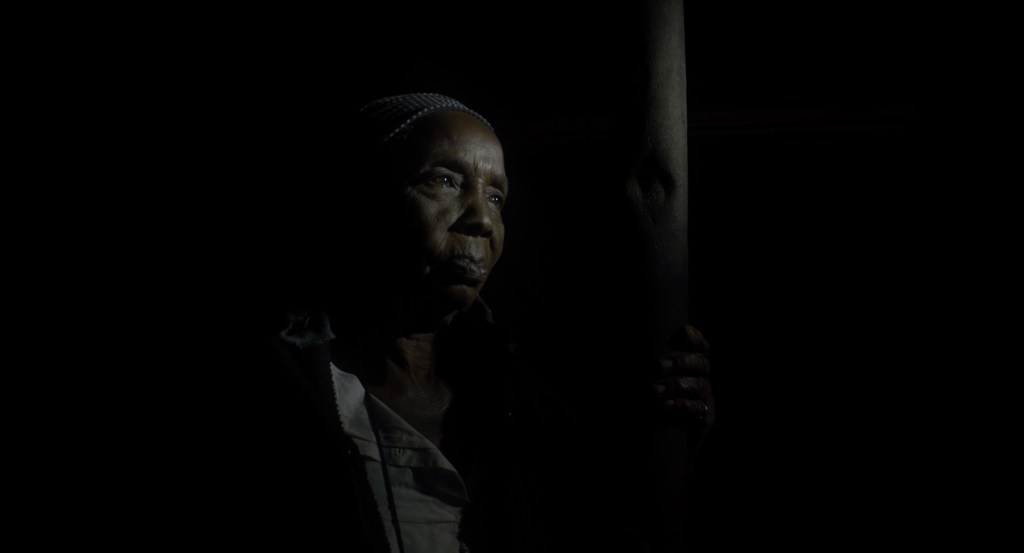
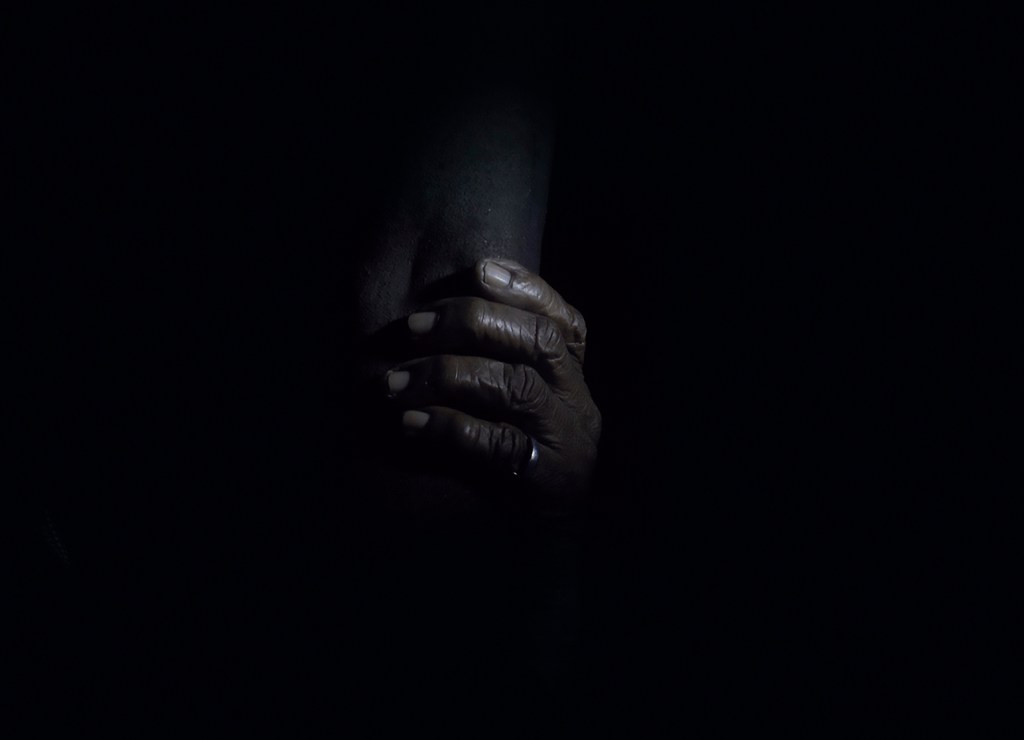
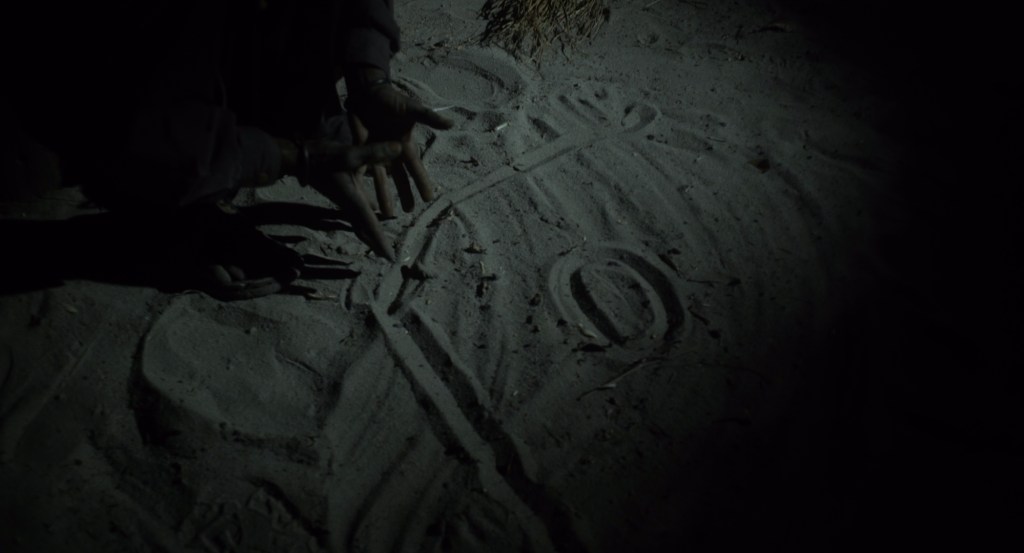
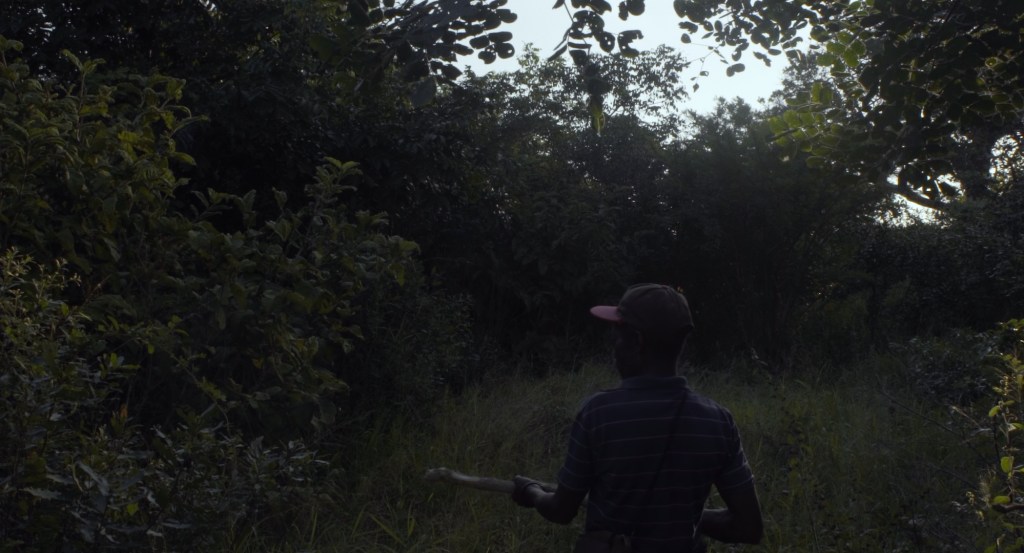
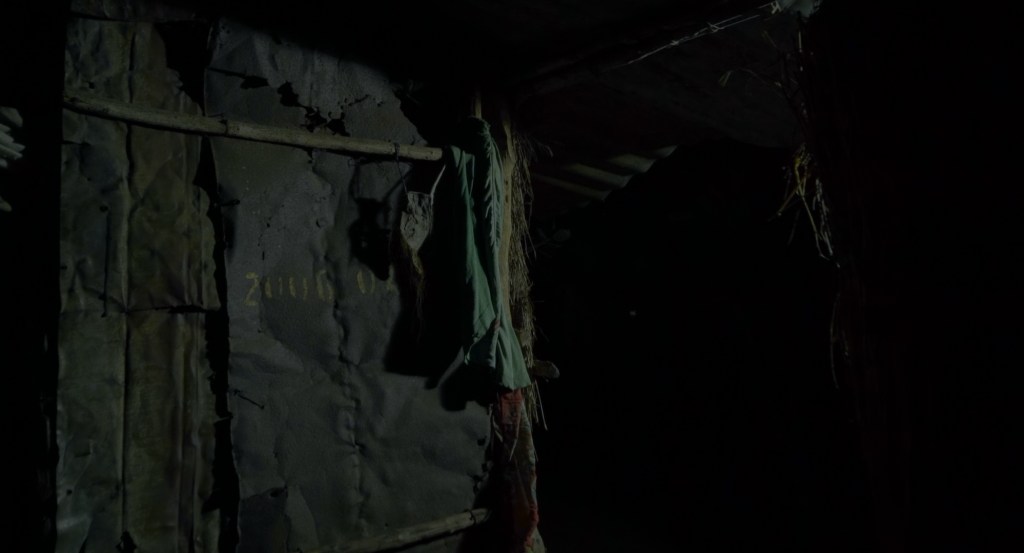
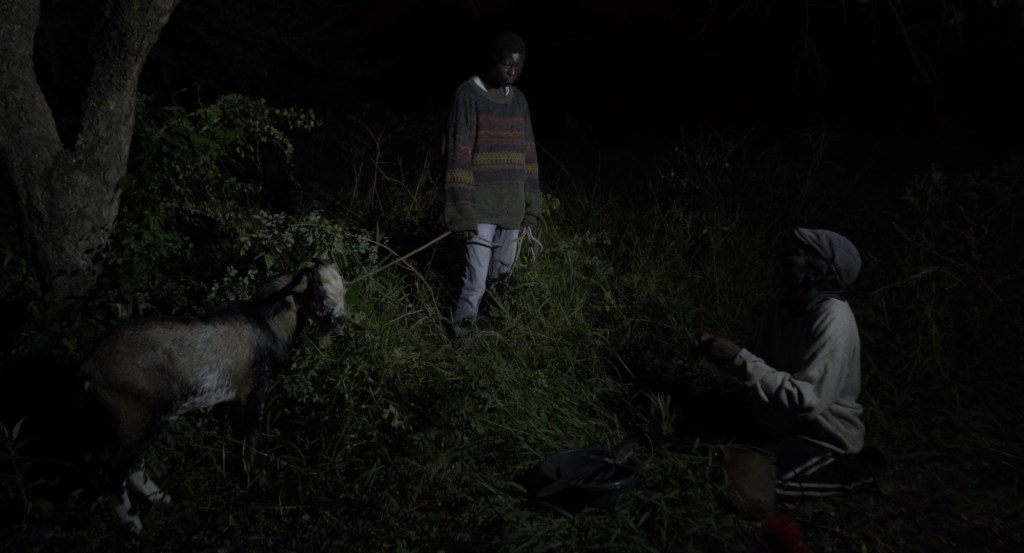
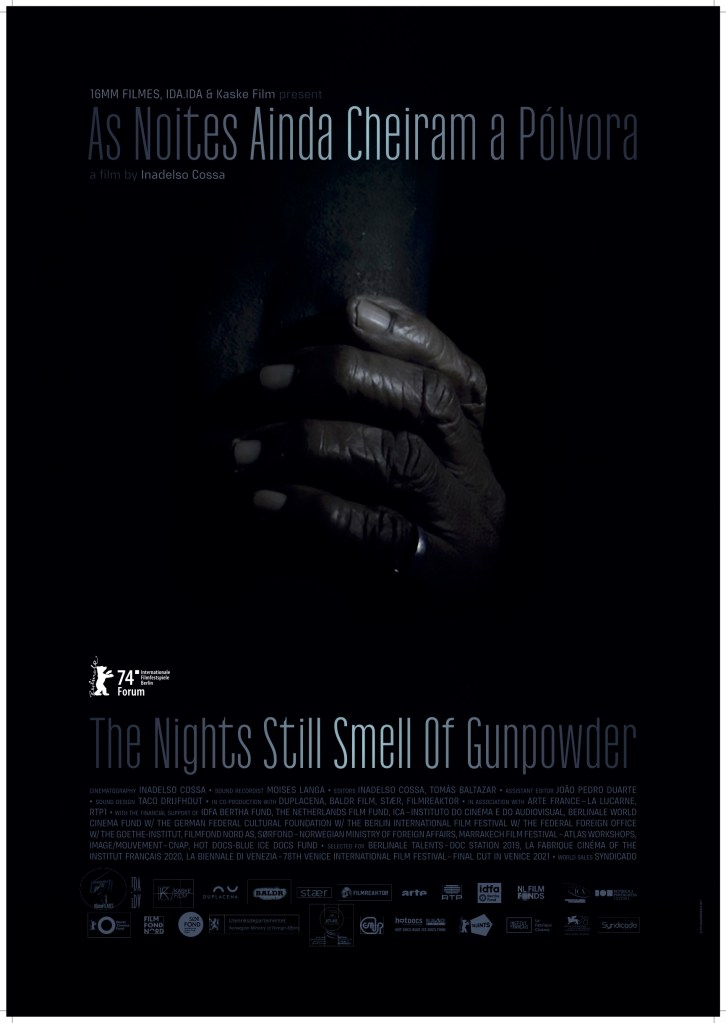
The Nights Still Smell of Gunpowder, aims to document untold traumas, challenging societal silence. Fuelled by my childhood memories and my grandmother Maria’s tales, the film explores the sensory experience of war, confronting the challenges of Alzheimer’s.
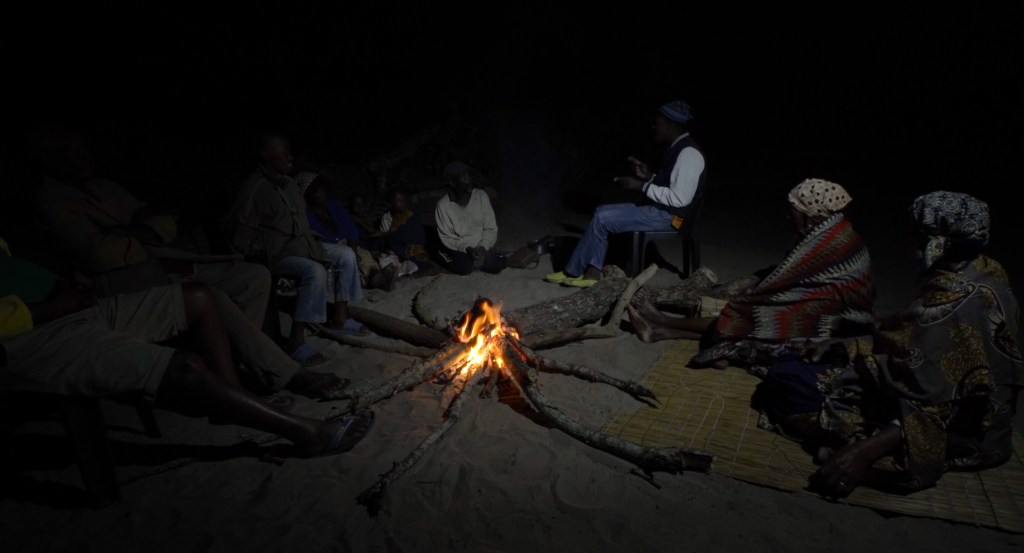
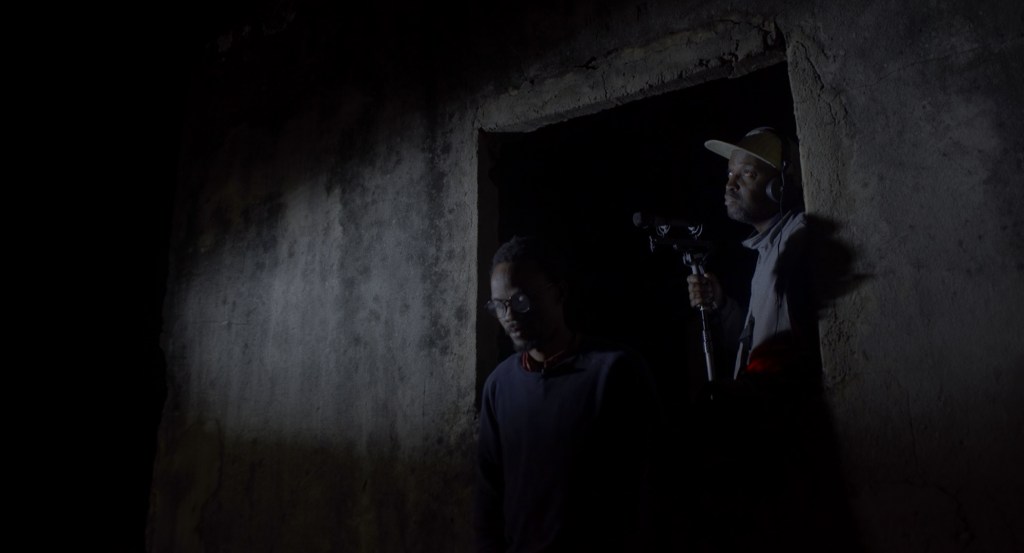
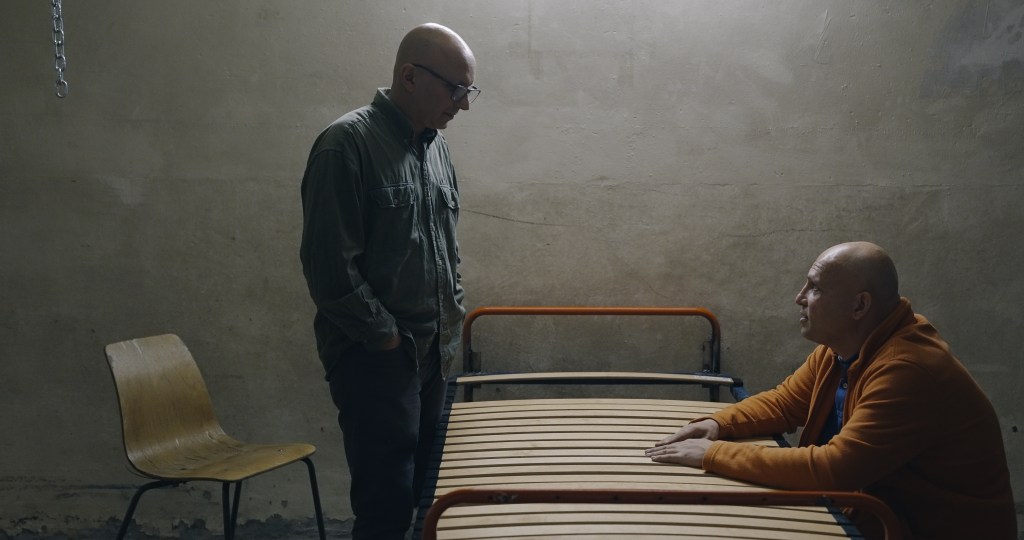
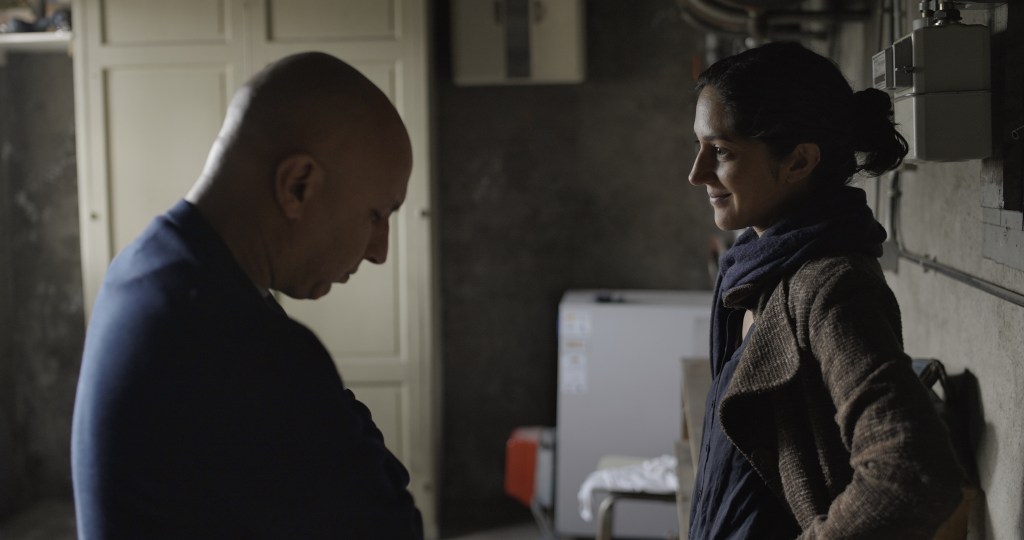
As I return to my grandmother’s village armed with the tools of cinema, the narrative unfolds through a personal dialogue, extending to other characters, including an ex-rebel. This former combatant becomes an essential part of the cinematic vision, embodying the complexities of memory, forgiveness, and healing.
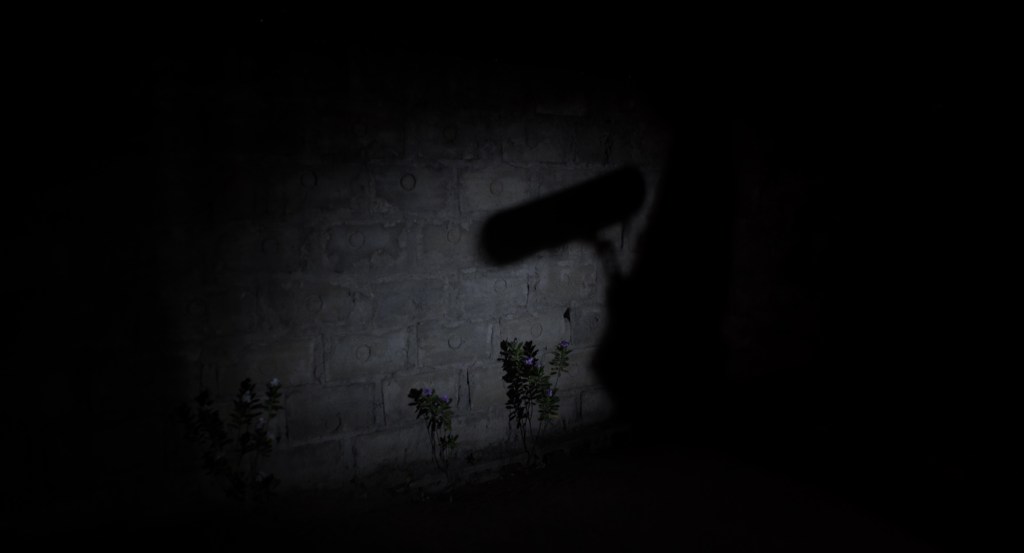
Through innovative storytelling and a commitment to capturing the night’s sensory nuances, the film transcends traditional approaches, opening a dialogue about the country’s traumatic past, promoting reconciliation, and providing a unique perspective on the interplay of fiction and reality in memory.


































 True Story Blog
Leave a comment