
Ulises de la Orden – Director’s Notes
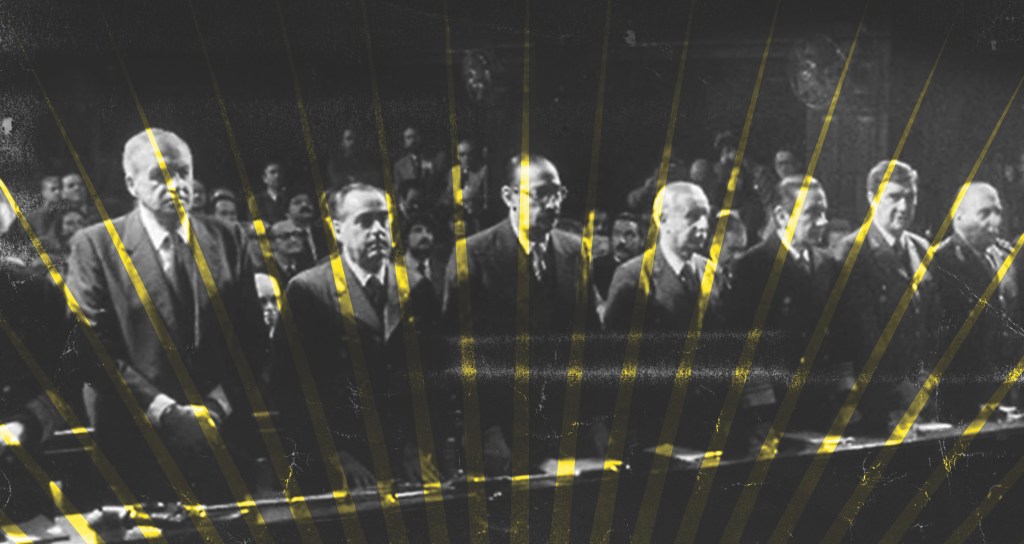
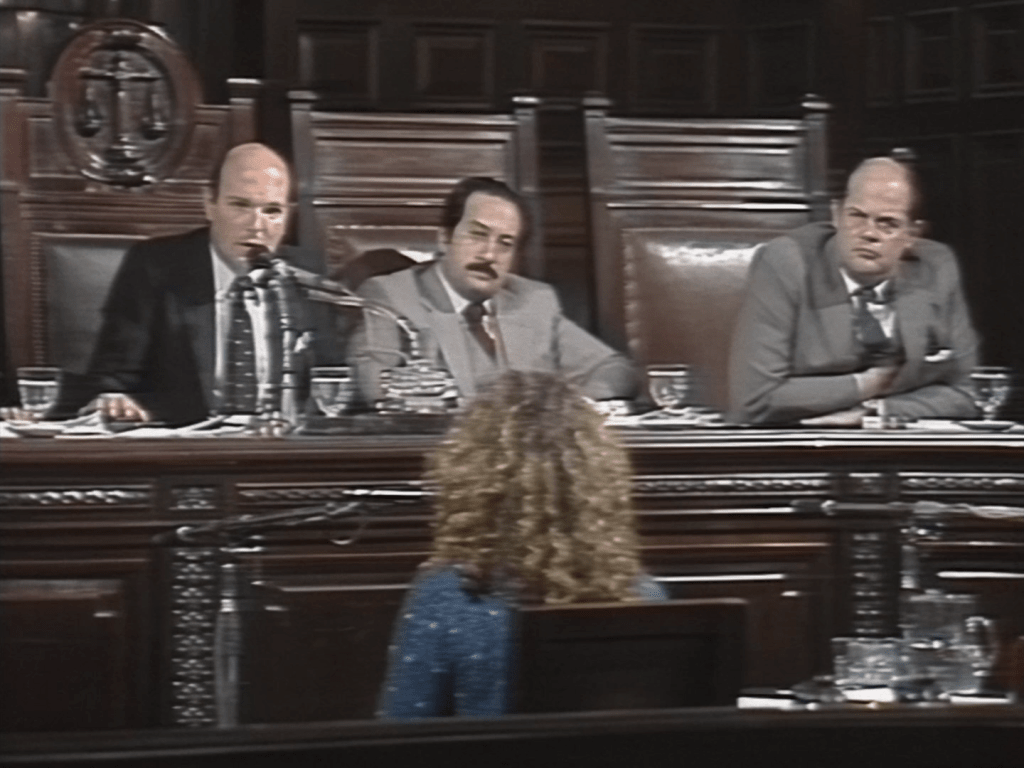
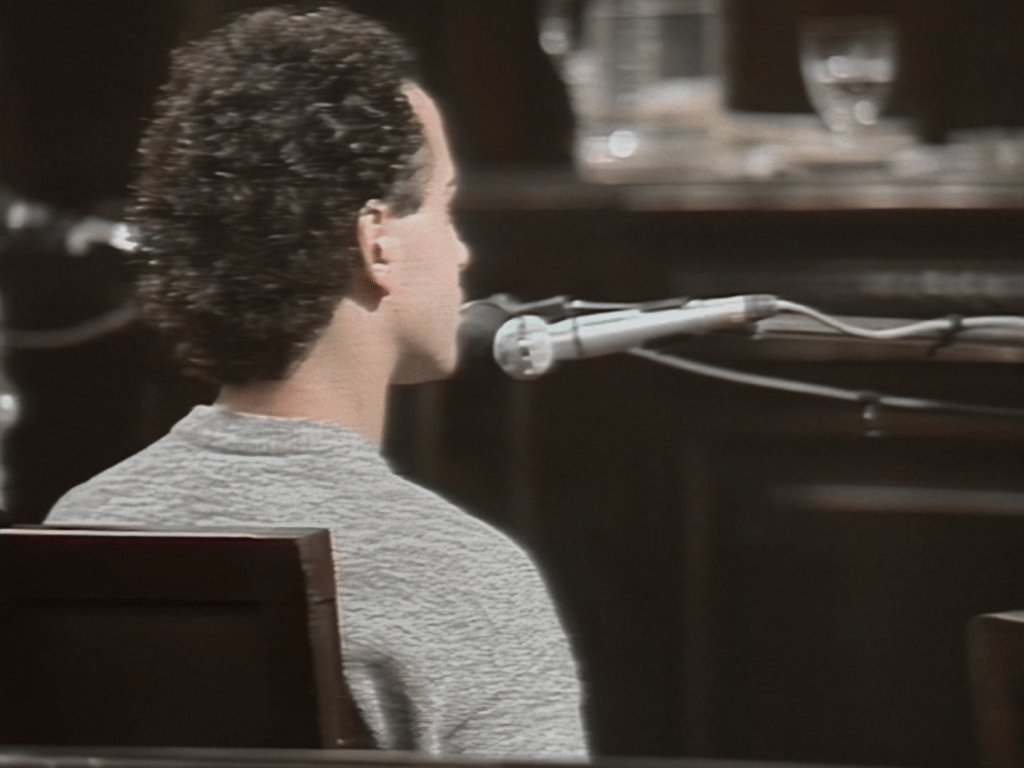
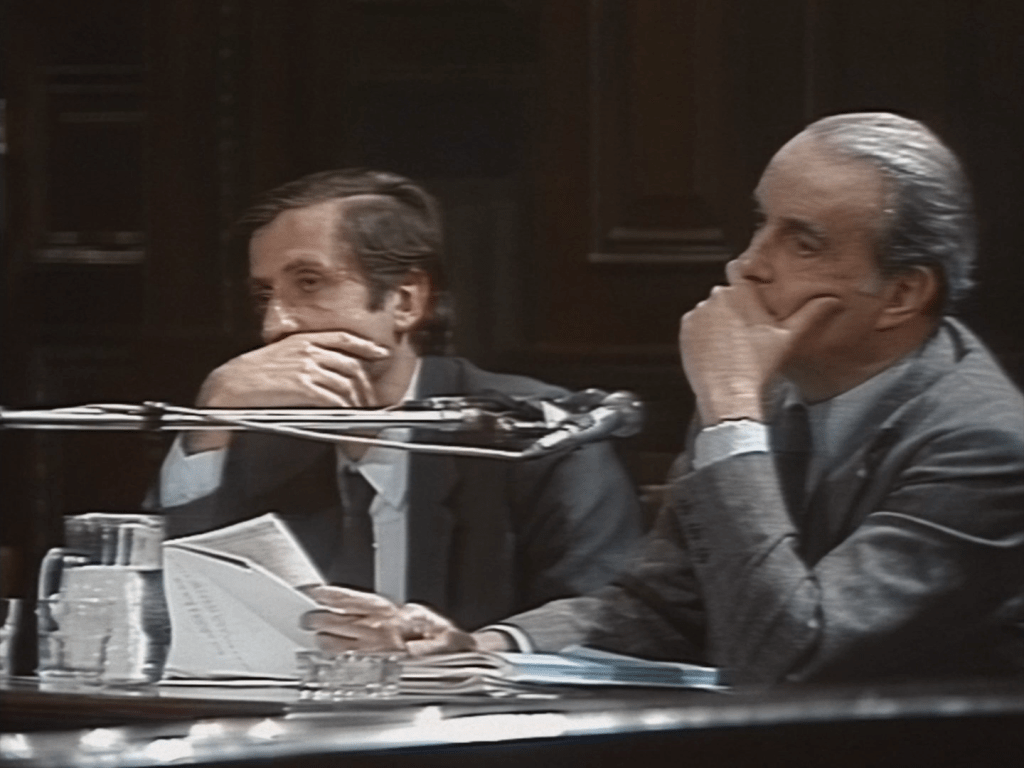
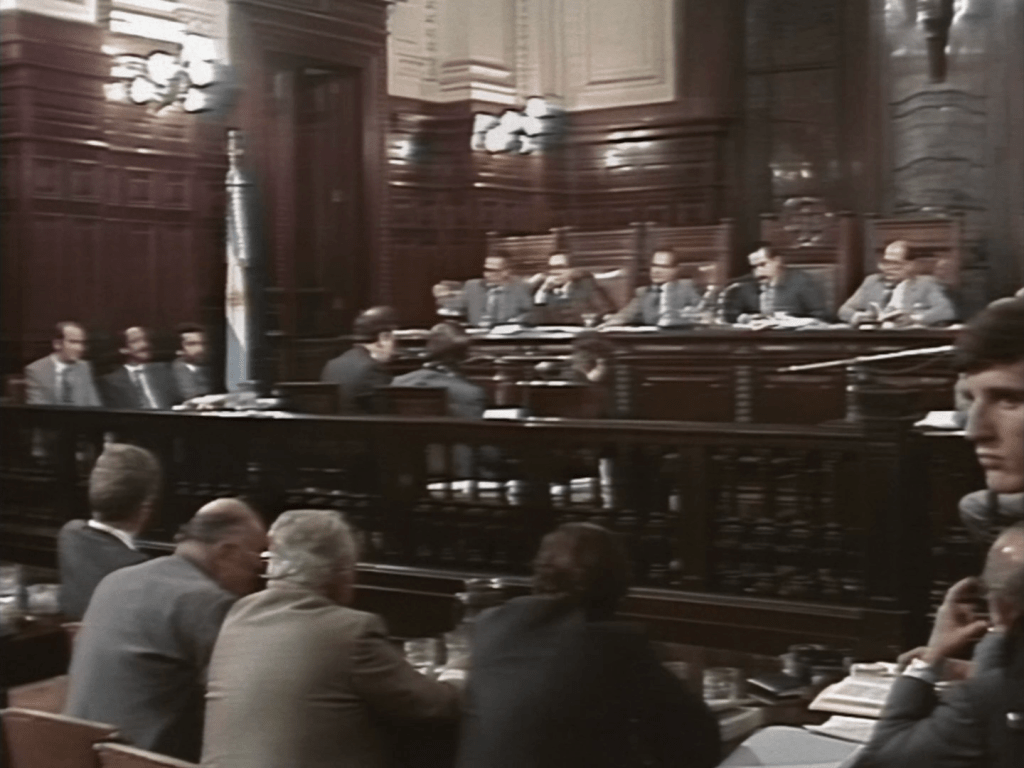
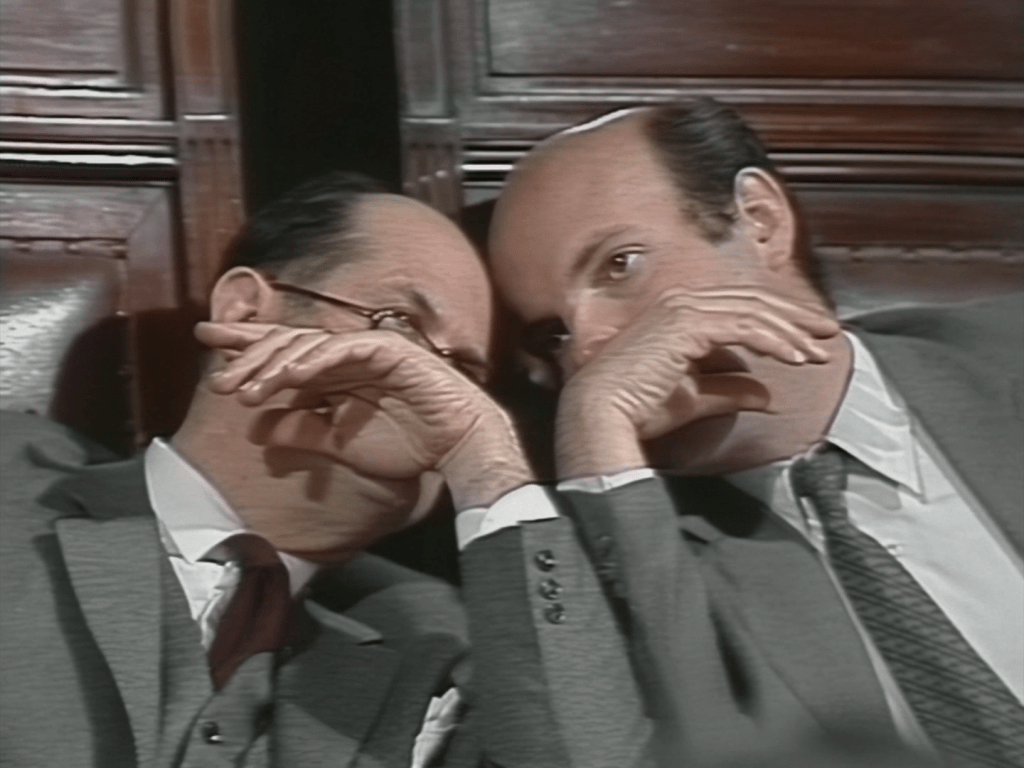
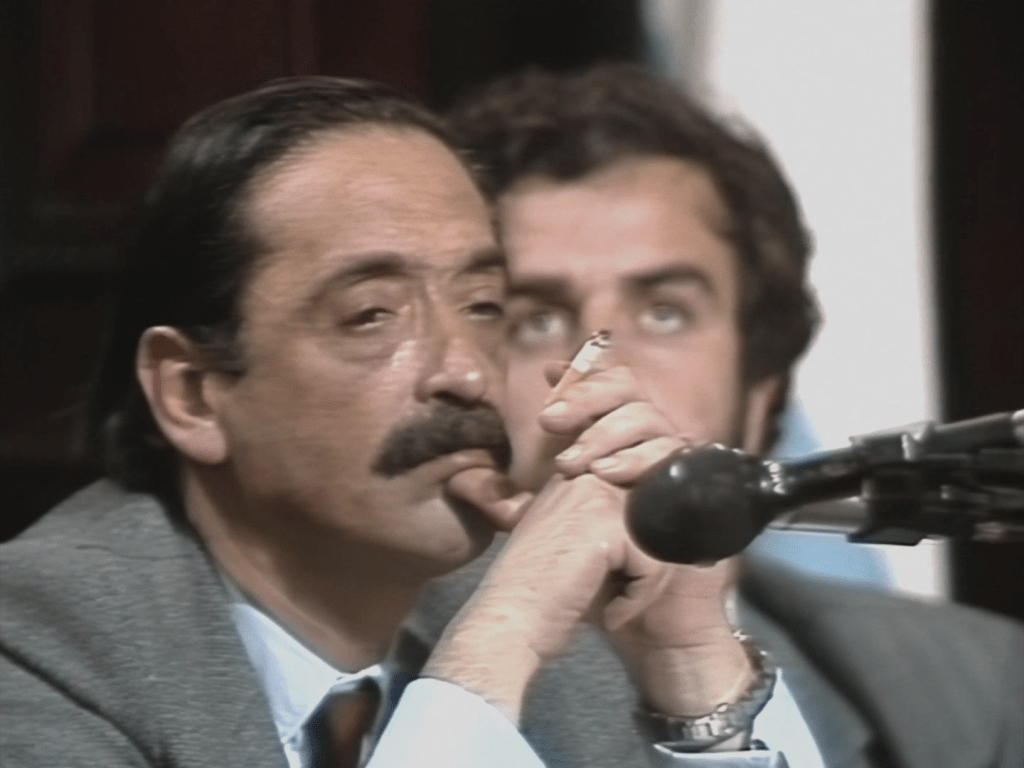
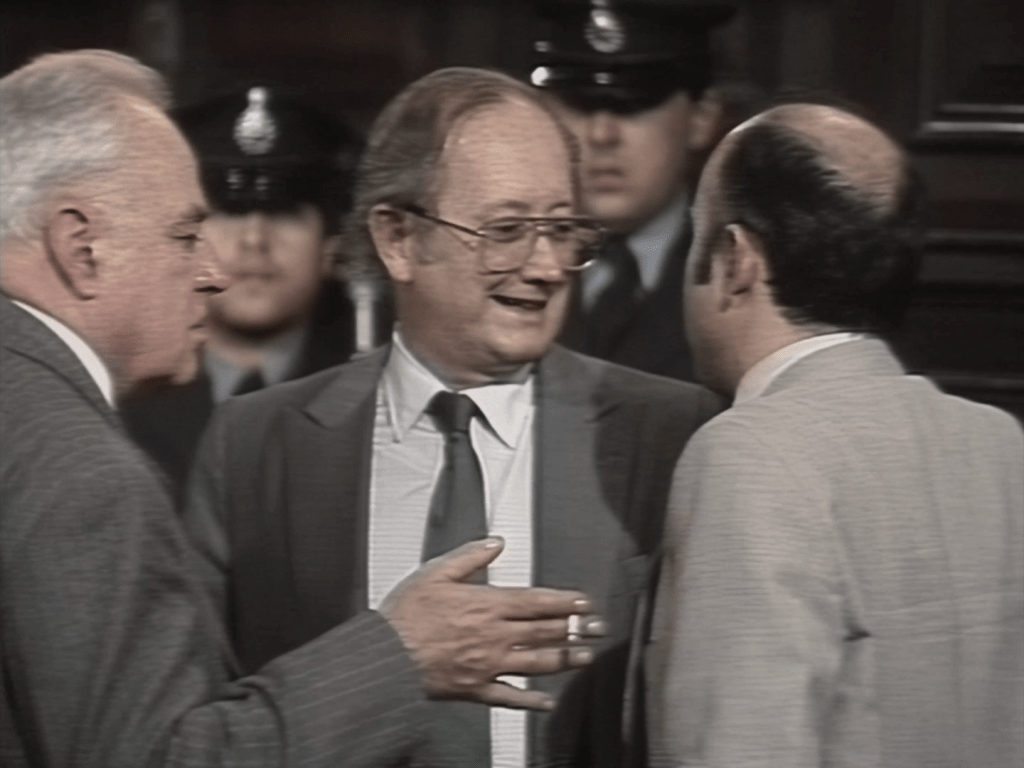
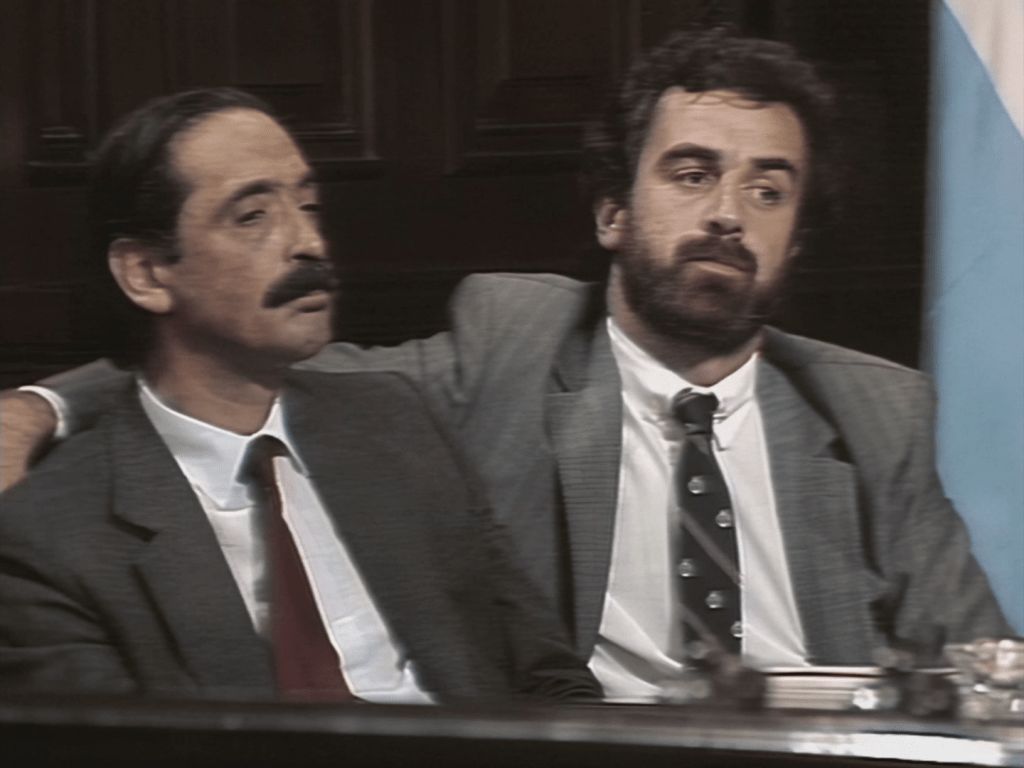
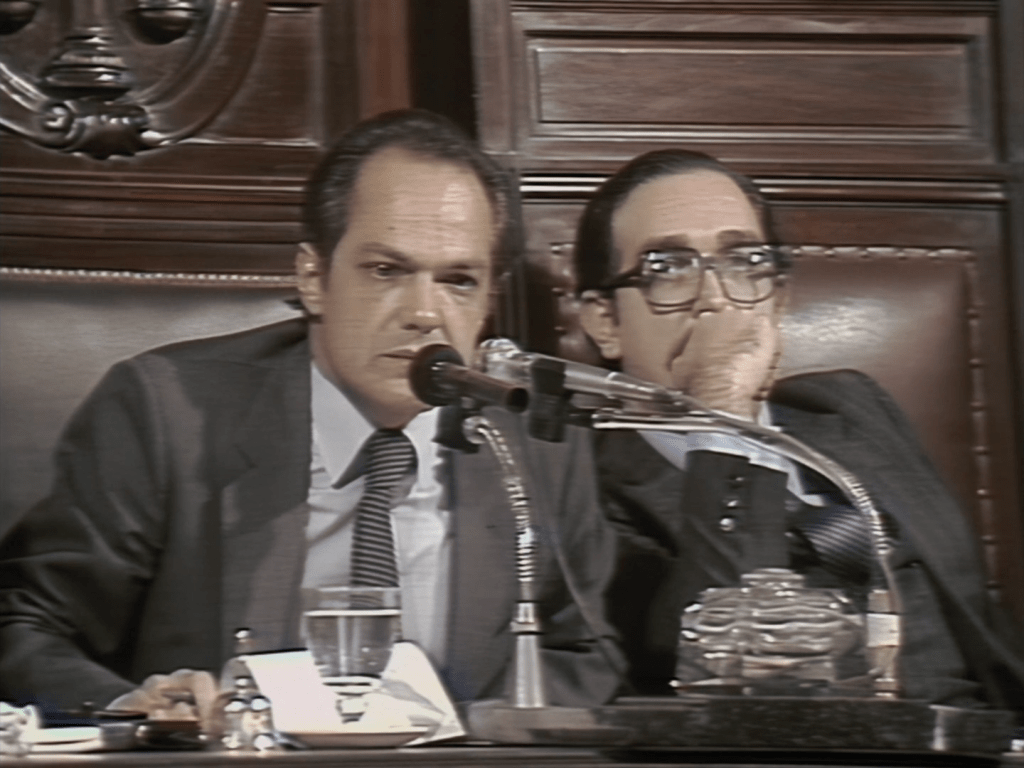
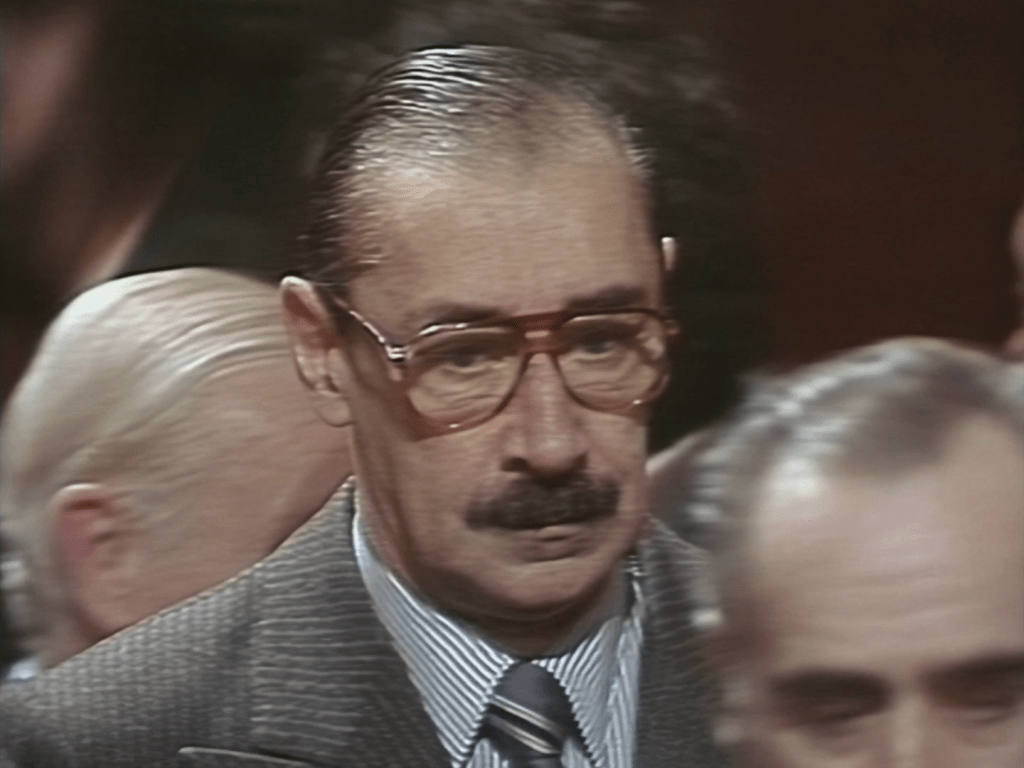
The 90 days that the trial lasted were entirely recorded by the public television channel with two cameras on U-matic cassettes. The search for and access to the trial archive, 530 hours of footage, began in 2013. Dreaming about a documentary film that narrates what happened there, and at the same time tells the story of the Argentine horror and its justice process.
It was not easy to find the material. At the public television channel, which was in charge of the recording, they denied me any kind of collaboration for fear of political reprisals. At the AGN (General Archive of the Argentine Nation), which has the material in custody, they suggested that in order to avoid inconveniences I should look for the material at the University of Salamanca (Spain), which also has a copy of the material in custody.
It seemed incredible. More than three decades after the trial, it still raised fears and reservations in small officials unable to make a decision and take the risks.
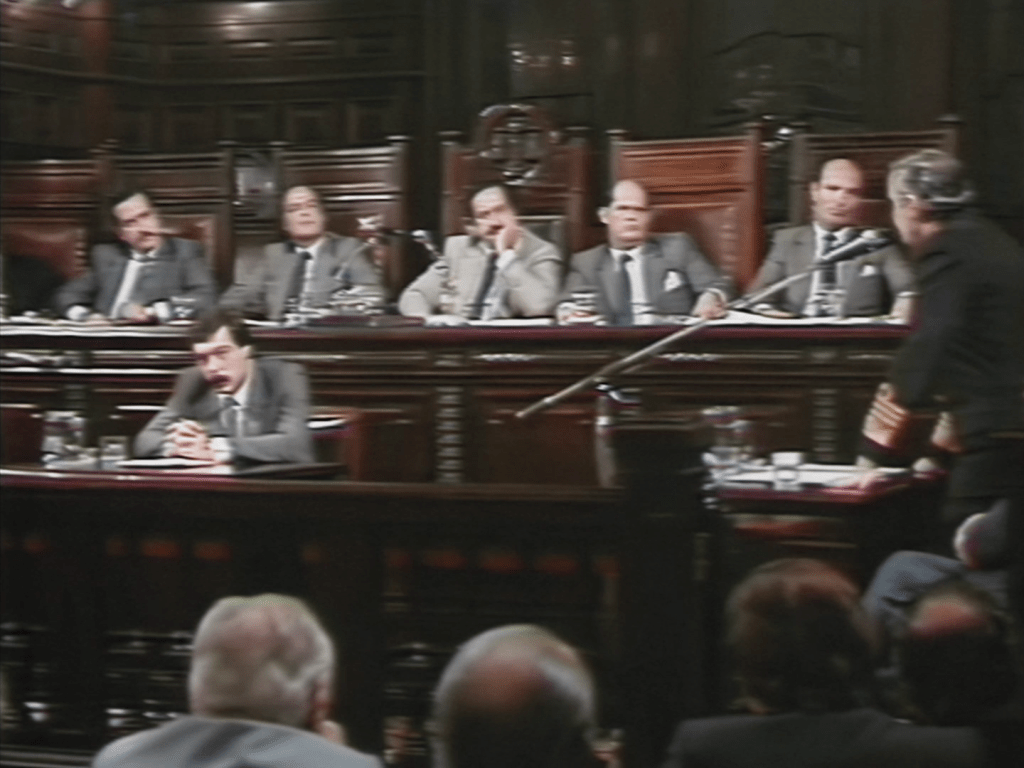
In 2019, after much walking, I learned, through my friends at the Luisa Hairebedian Foundation that the archival material, the 530 digitized hours, are in the custody of Memoria Abierta NGO.
We met with the Memoria Abierta team, agreed on the guidelines to work together and then, finally, we were ready to start visualizing the archive.
The stage of visualization, description and preparation of the archive for its use in the film lasted 9 months and was carried out by Alberto Ponce (editor), Gisela Peláez (assistant director and production manager) and myself. The material that we found had some important missing pieces and some tapes have deteriorated over time. For this reason we ventured to try to find the mythical VHS copy housed in the Norwegian Parliament.
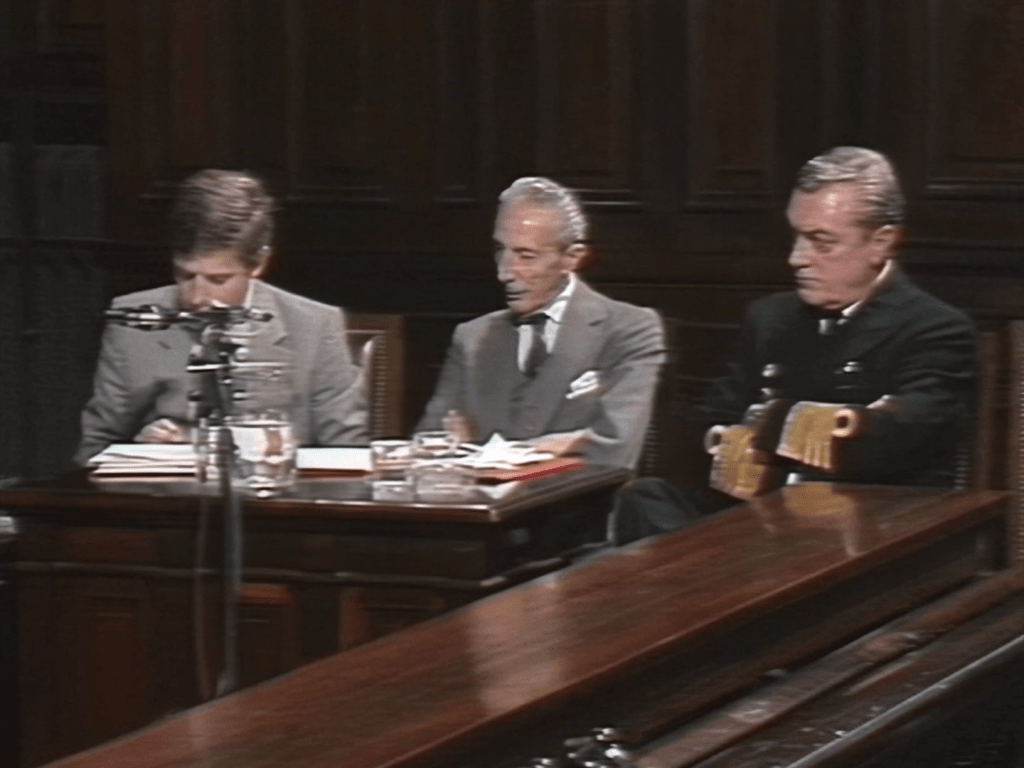
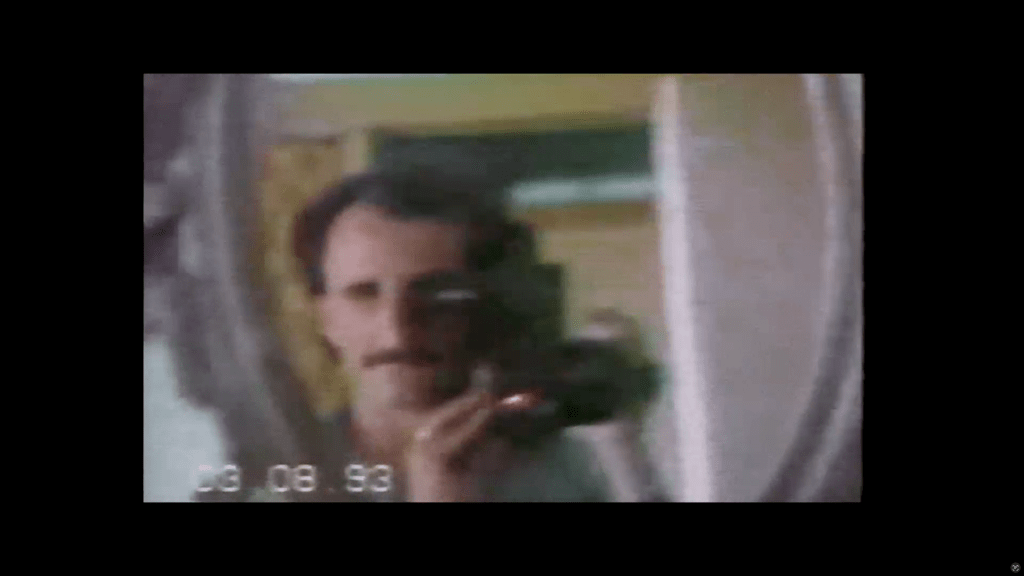
The history of the Norwegian VHS copy deserves a separate story, but to summarize, in 1988, due to the concerns raised by the various military uprisings after the trial, the judges decided to make a domestic VHS cassette copy and take it out of the country. Of all the institutions consulted, it was the International Penal and Penitentiary Foundation, based in Denmark, who connected with the Norwegian Parliament, in which archive the VHS cassettes currently reside. With patience and perseverance we managed to get in touch with the authorities of the parliament archive and they agreed to send a digital copy to us. In the VHS copy we found many fragments that are not available in the original copy in Argentina. The film uses fragments of both copies.
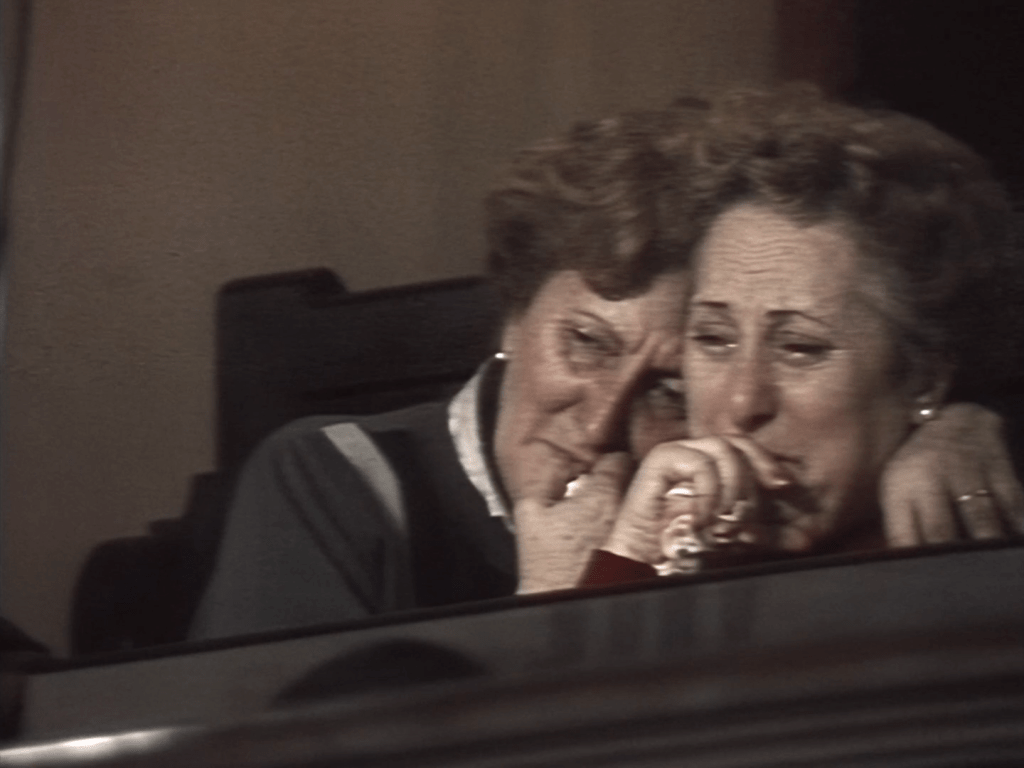
This finding motivated the incorporation of Dag Hoel (Dag Hoel Filmproduksjon, Norway) to the co-production, which at that time already had the invaluable participation of Alessandro Borrrelli (La Sarraz Pictures, Italy) and Richard Copans (Les films d’ici, France).
The in-depth analysis work carried out on both archives also highlighted the need for a new digitization of both the U-matic and VHS archives in Norway. Together with Memoria Abierta we developed a project, currently in progress, that coordinates efforts between the Federal Chamber in Argentina, the Parliament and the Norwegian National Library, with the financial support of the Ford Foundation, for the digitization and unification of a master copy of the Juntas Trial archive in 4K, with current processing standards, which will be available to the public through Memoria Abierta.
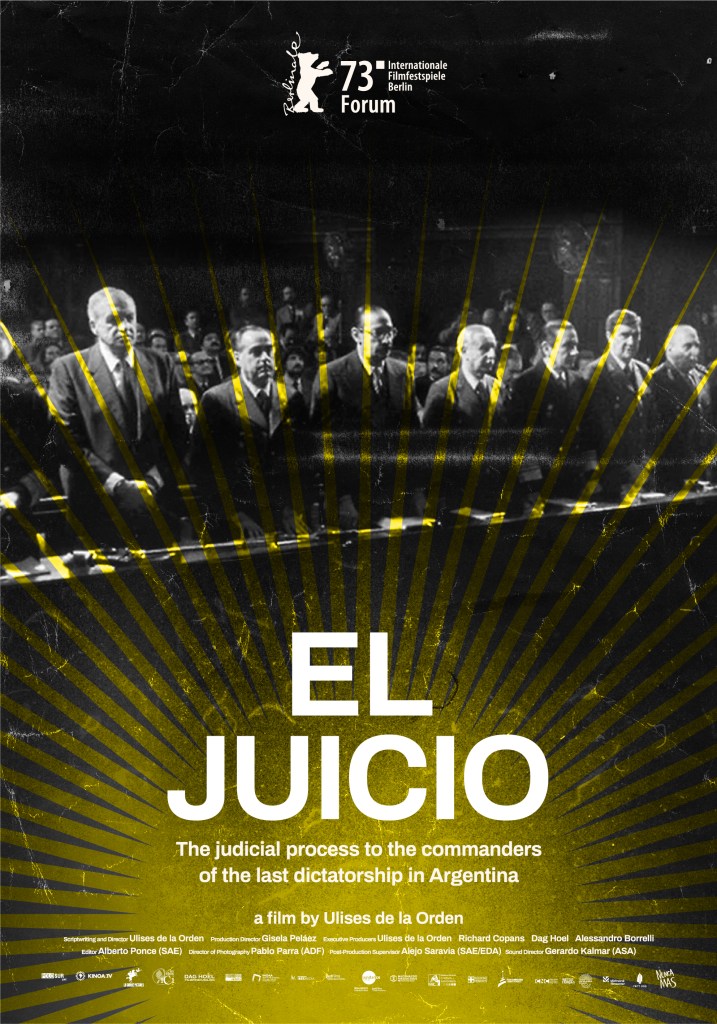
“El juicio” (The Trial) is the first cinematographic work that deals exhaustively with the archive of the Trial of the Juntas, the cornerstone of the process of justice for crimes against humanity in Argentina and it is an invaluable document for Humanity.









Leave a Reply