
Director’s Thoughts and Motivation: Mette Carla Albrechtsen

”In my twenties I worked as a tour guide in the Canary Islands. The experience left a deep impression. I was completely captivated by the colours, the architecture and the tourism industry’s promise of escapism and ease. I was on an escape mission away from the pressure of education and an unrecognized anxiety diagnosis. My solution became a job as a tour guide, as I didn’t have the money to travel otherwise.
During my time in the Canary Islands, I saw a lot of people who lived with sadness over broken and abandoned relationships or other things that had caused them to flee. These people hoped to find something better, that they could start over and become someone else for a while. I felt the same, a much-needed break from real life. There was a great acceptance of people and a tenderness for “the good life” on the islands – “The sun fixes everything”, as Marta from the cast says.
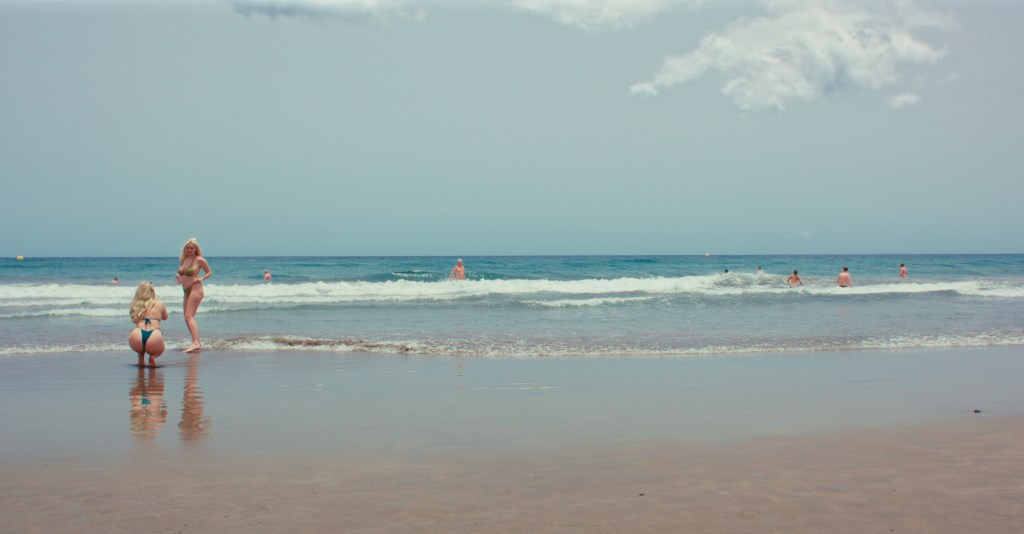
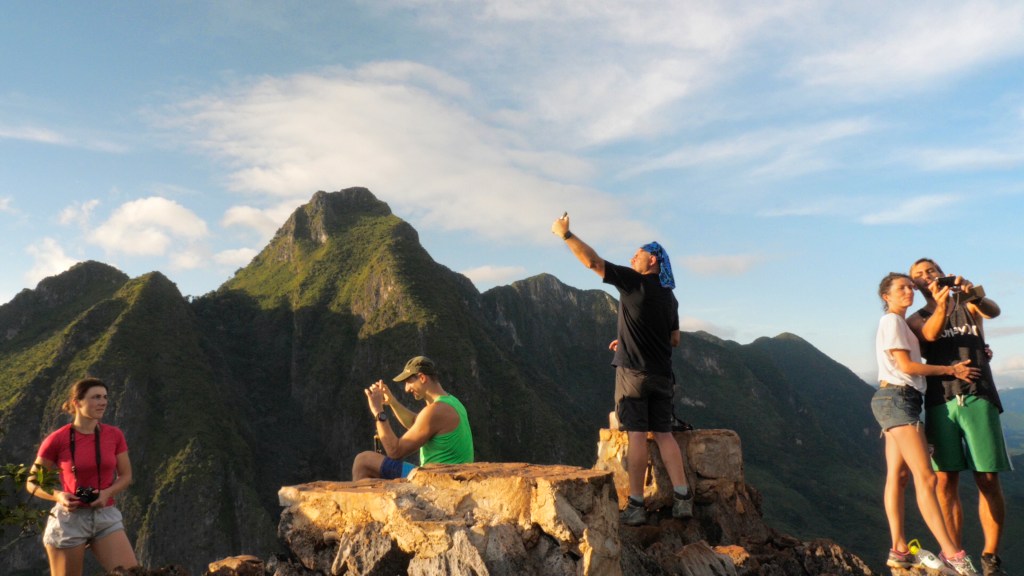
The clash between the tourists and the foreign permanent residents of the islands also became a point of fascination for me. I have kept returning to this theme – and now finally with a camera. The people who arrived and stayed, for all sorts of reasons – to disappear or start a new life far from home – all had a tinge of some loneliness and melancholy that I could also relate to and found a human connection to. I understood why those people had chosen that particular place. Maybe we were all looking to feel less alone, to fit in, to find our right place, to have more headroom than where we came from.
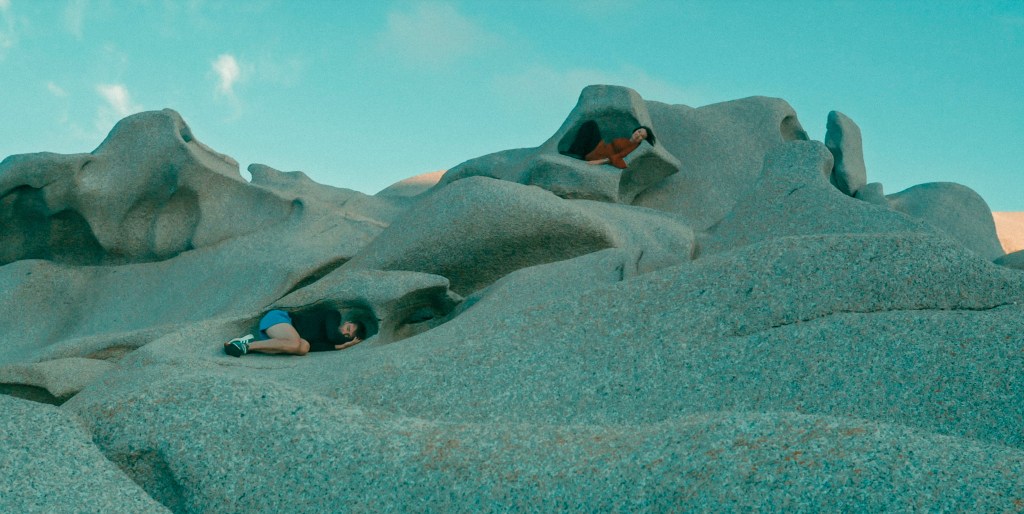
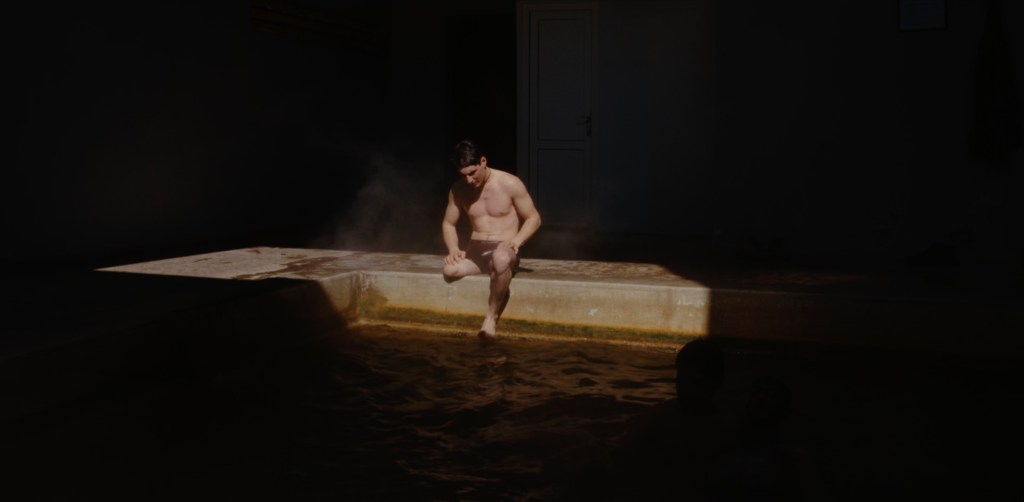
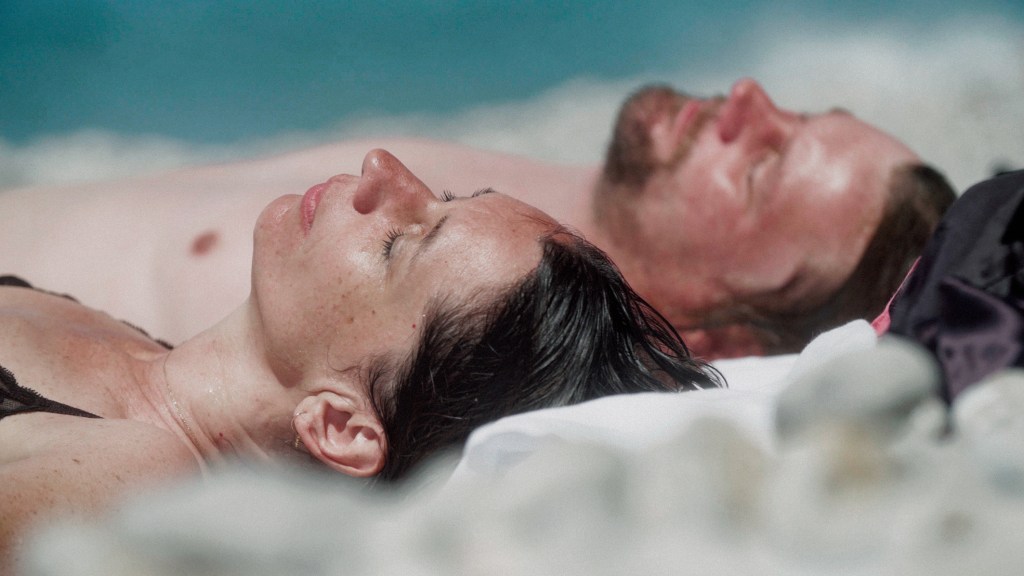
I also found a great acceptance of difference and a place that could accommodate the flamboyant, drinking, or gay/sex community right alongside family tourism. The Canary Islands are a kind of Babylon, where you are allowed to live, be naked and have fun, even as an elderly person. Here it is possible to study our basic human needs and our bodies. Namely, the body has always been a big motive for me, and a holiday island is a perfect place to study it. Here, the normal conventions disappear, and we behave in a different, relaxed way without clothes on.
A Place in the Sun is my attempt to understand human escapism and the clash between the sun and melancholy. The film is also an exploration of our strange holiday habits and what we associate with the high life.
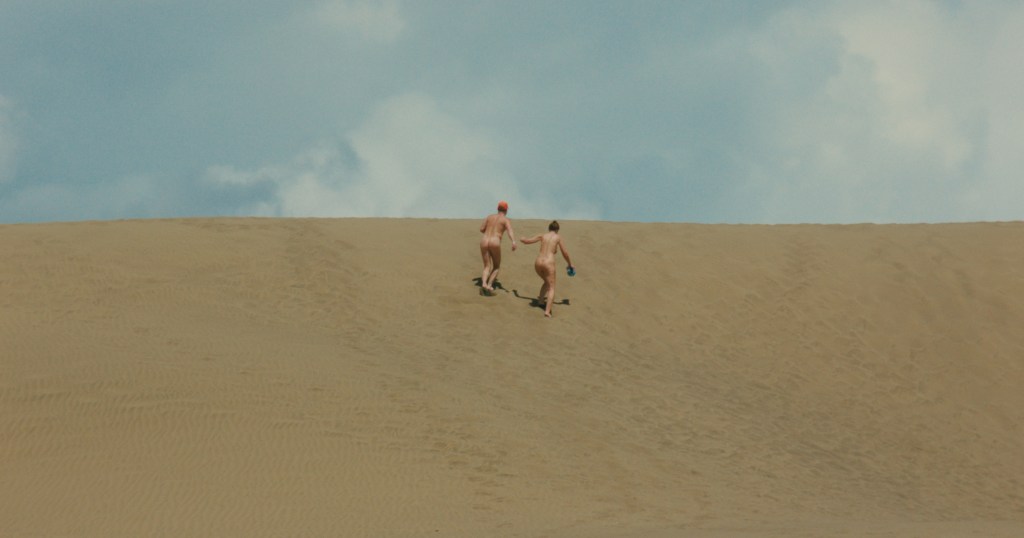
I’ve been working with the idea of what an alien would experience if it landed on the beach and walked around and just looked at the human race. I also hope that the film can help nuance the migrant debate in Europe. When covid came knocking, something strange happened. All the boat migrants took the tourists’ places in the empty hotels, and everything was turned upside down for a while. The tourists were gone, and Spain had to figure out what to do with the 20,000 migrants who came to the islands in 2020.
Here it became evident that the world has changed. A search for a home and a better life is something that is deeply rooted in our human nature and therefore should not be judged. I see charter tourism as an expression of a time that is about to pass, a metaphor for our heyday in Europe, which must now change with the state of the world and wars. The film reflects how the realities of the world are invading our normal lives. How do we face and respond to this?
If there’s one thing I’ve learned from this film, it’s the incredible sacrifices people will go through to find a better life or hold on to the idea of the good life – even putting themselves at risk on a small wooden boat across the Atlantic. Our cast has been a great inspiration and I hope the audience will embrace their generosity.”













Leave a Reply