
Christian Einshøj – Director’s Statement
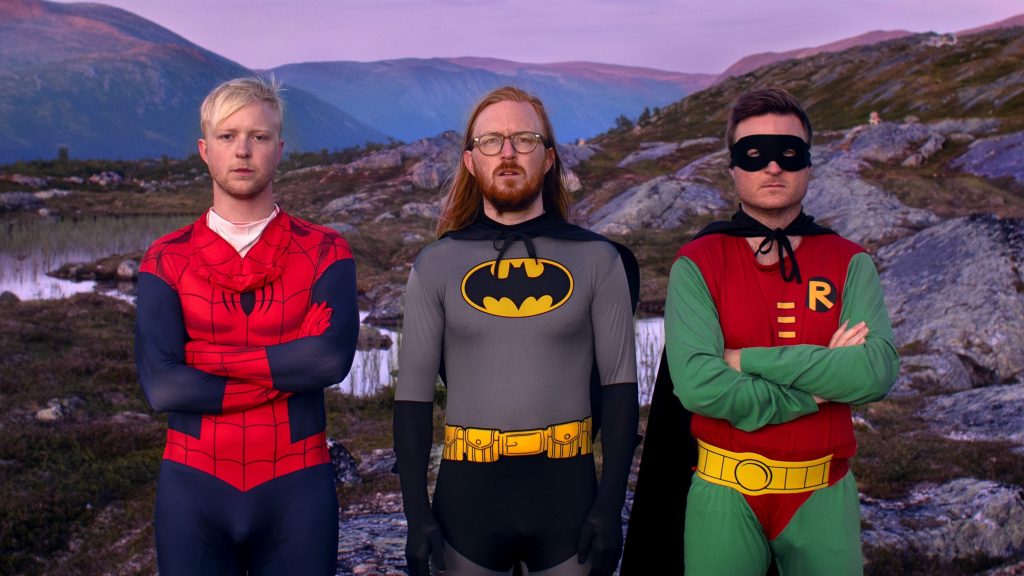
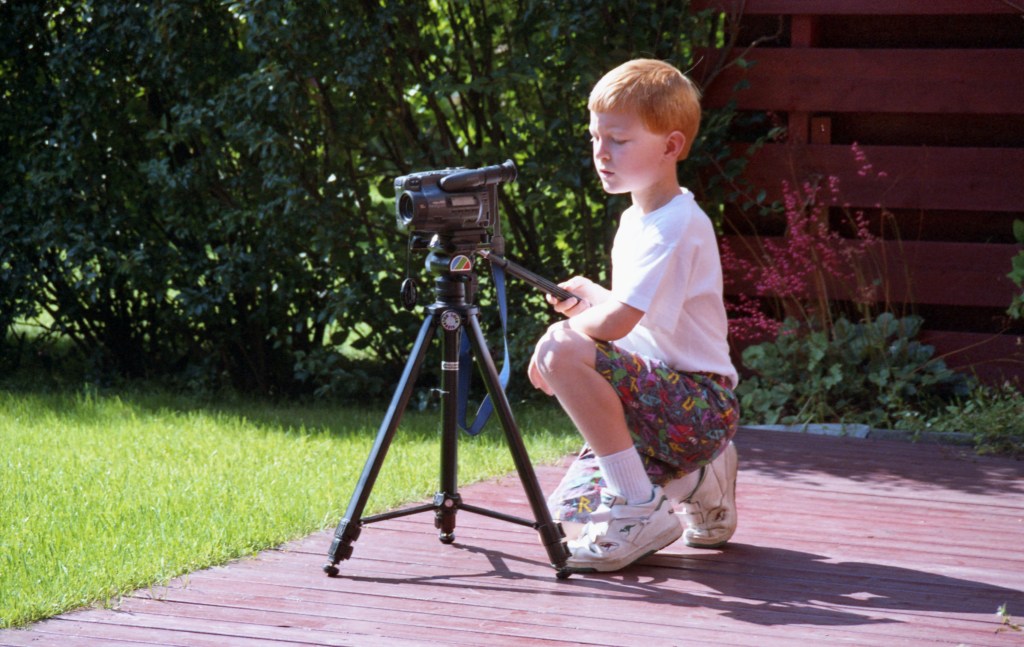
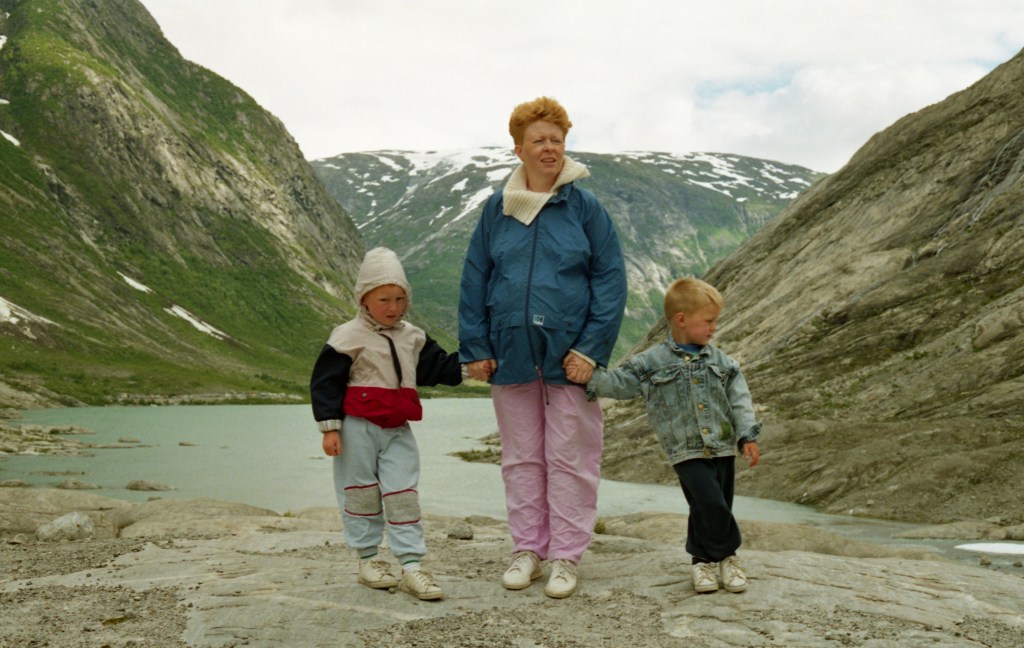
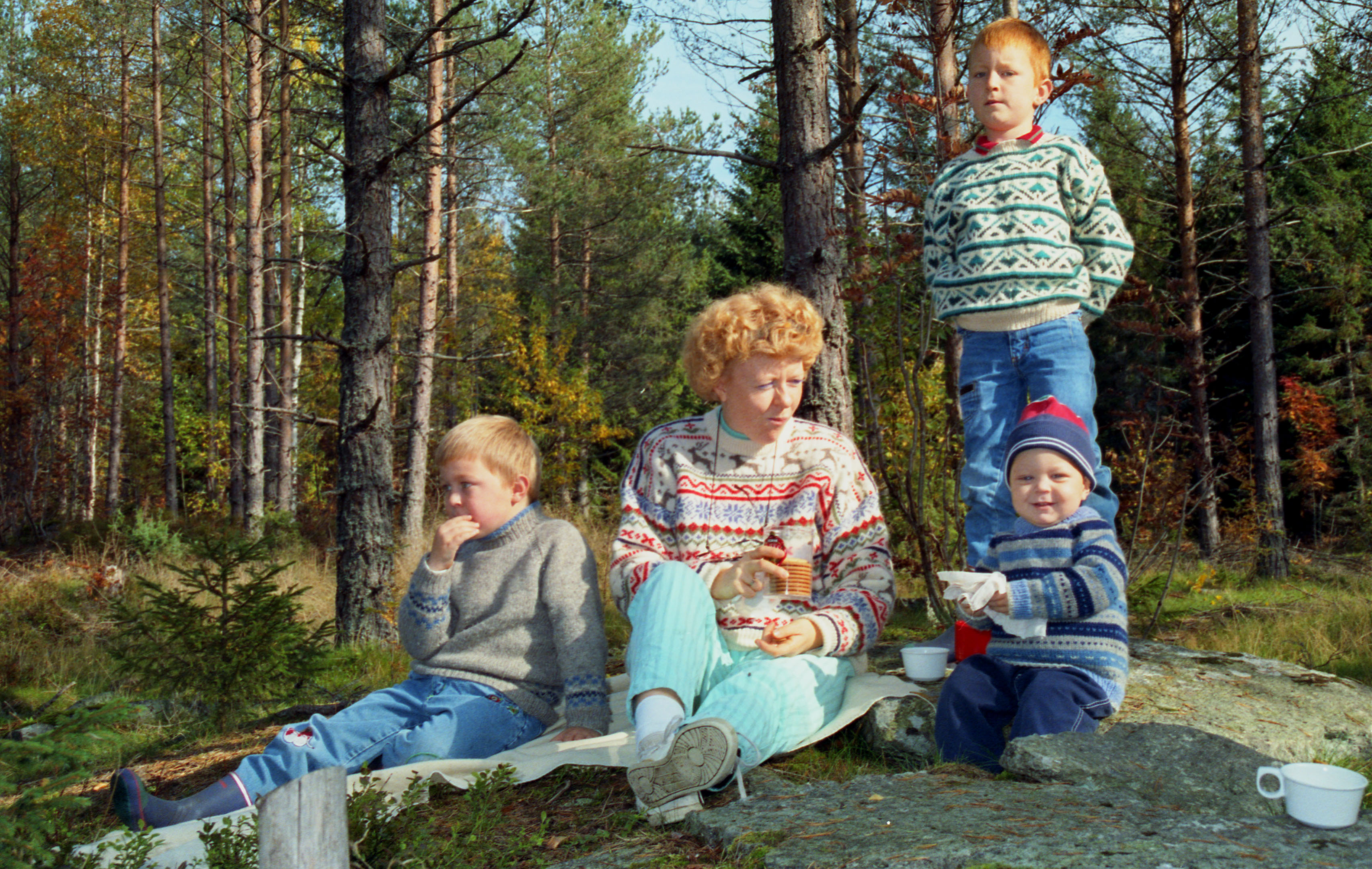
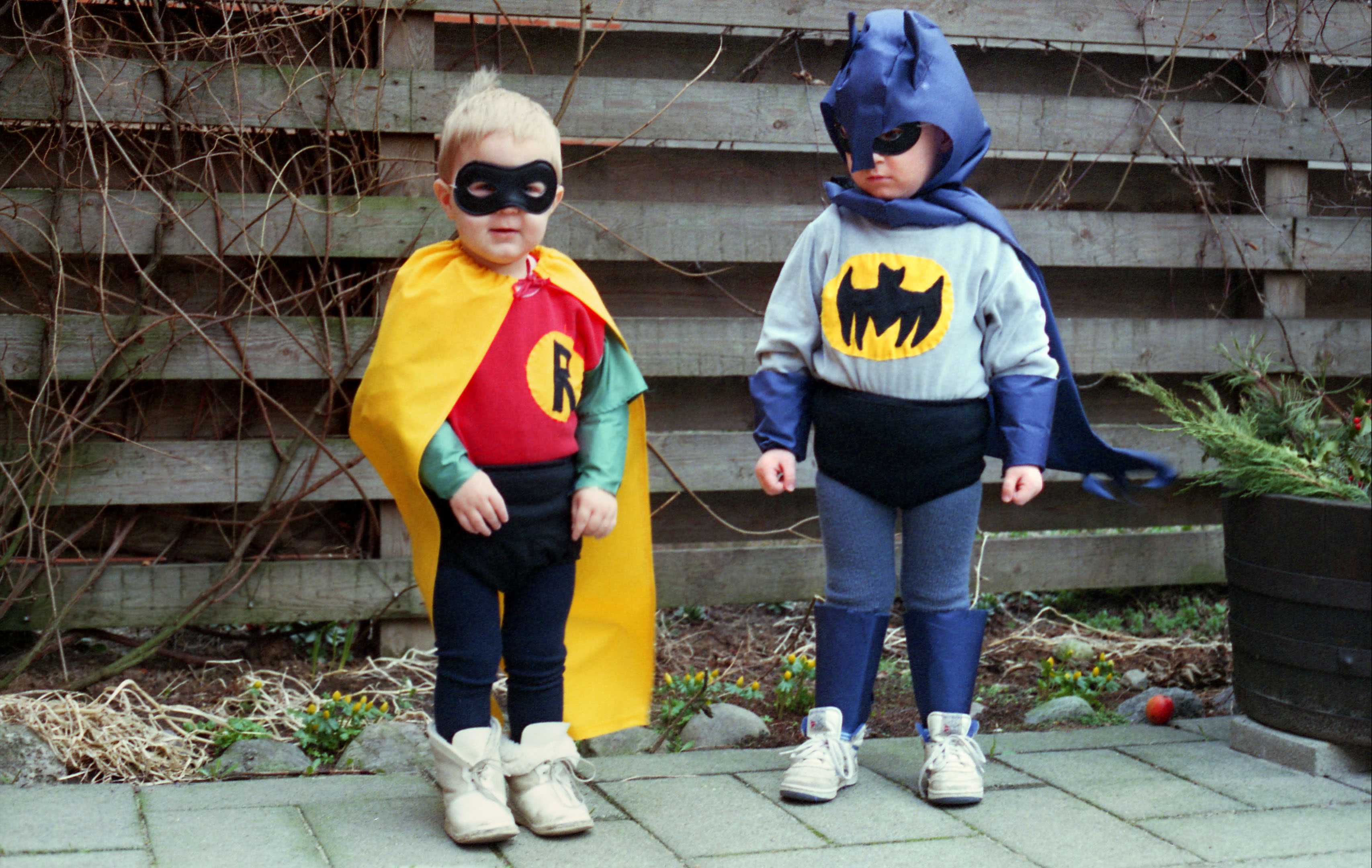
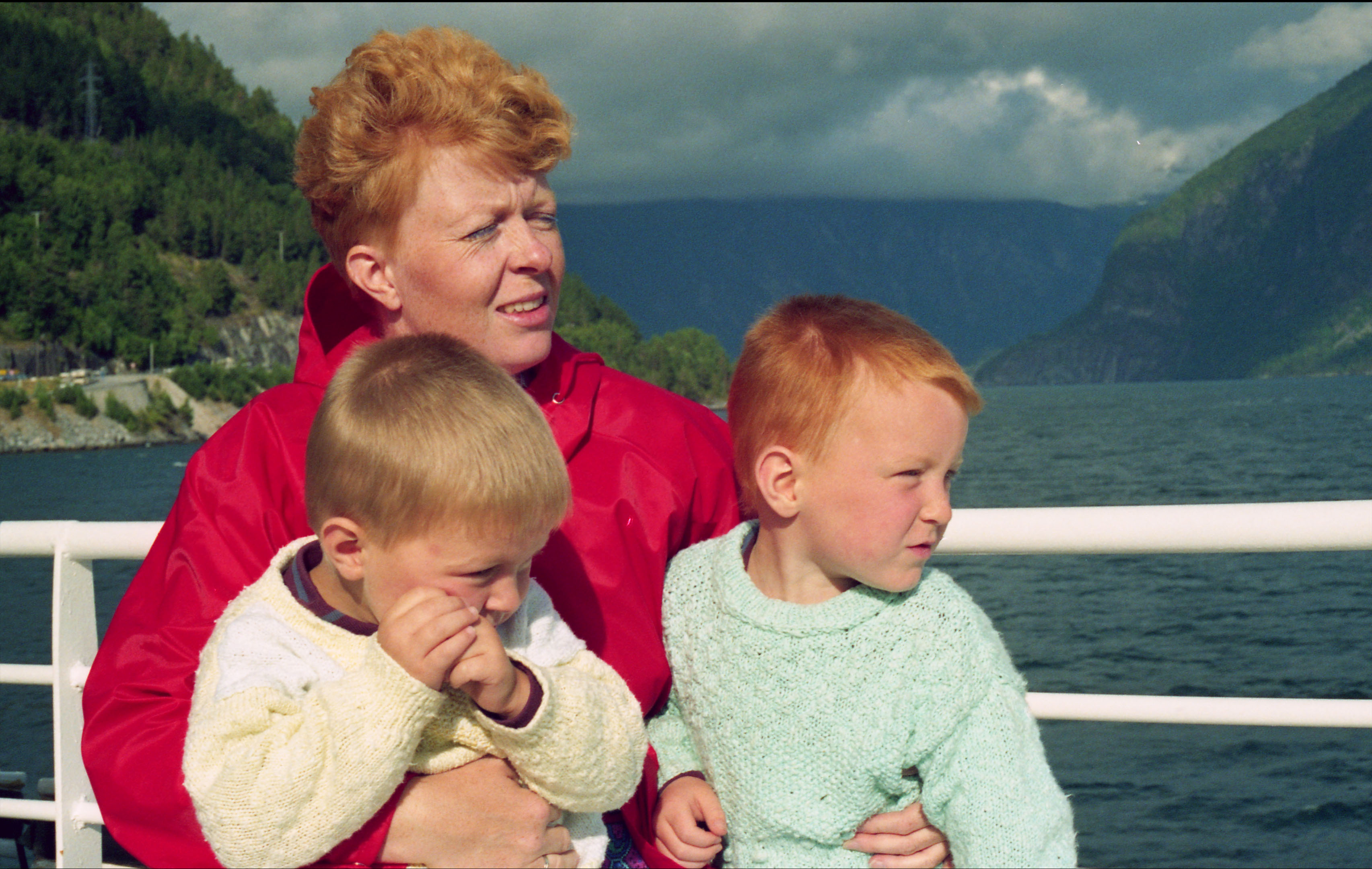
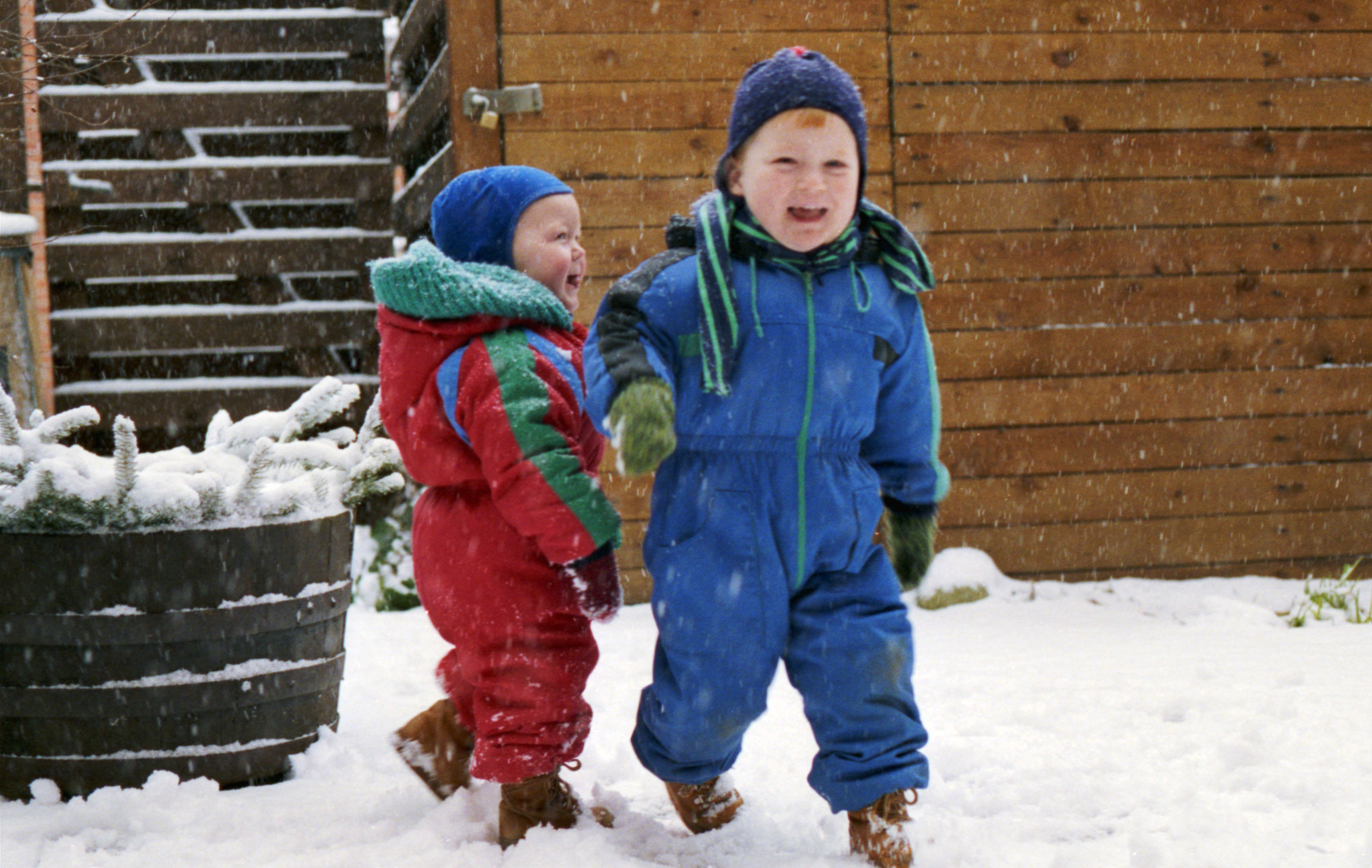
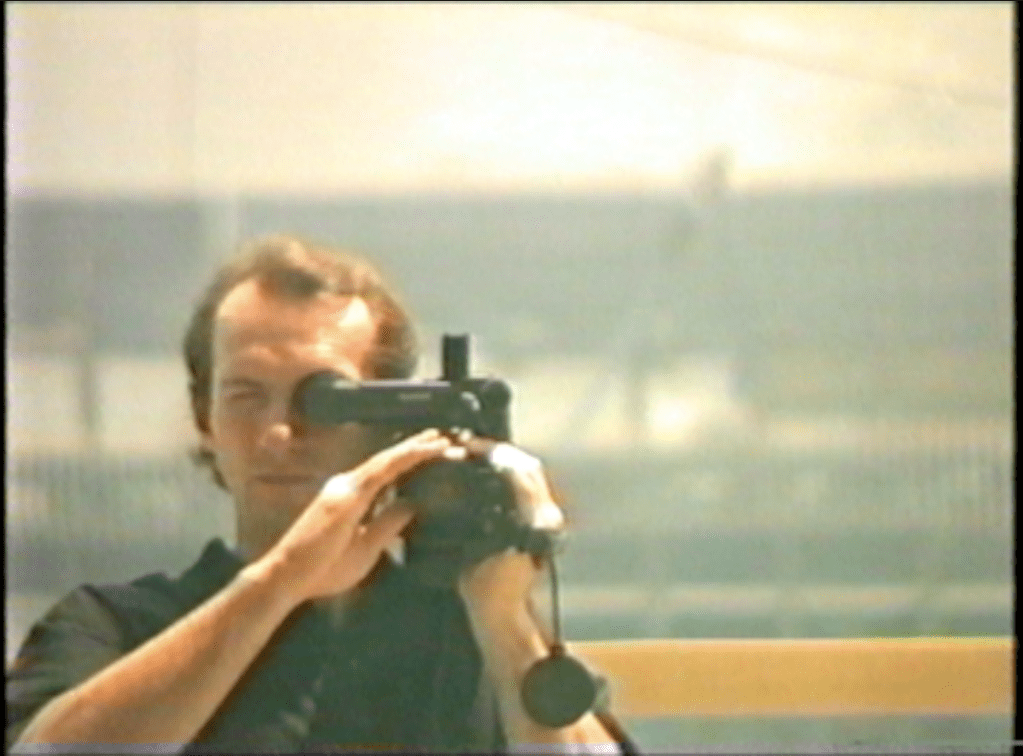
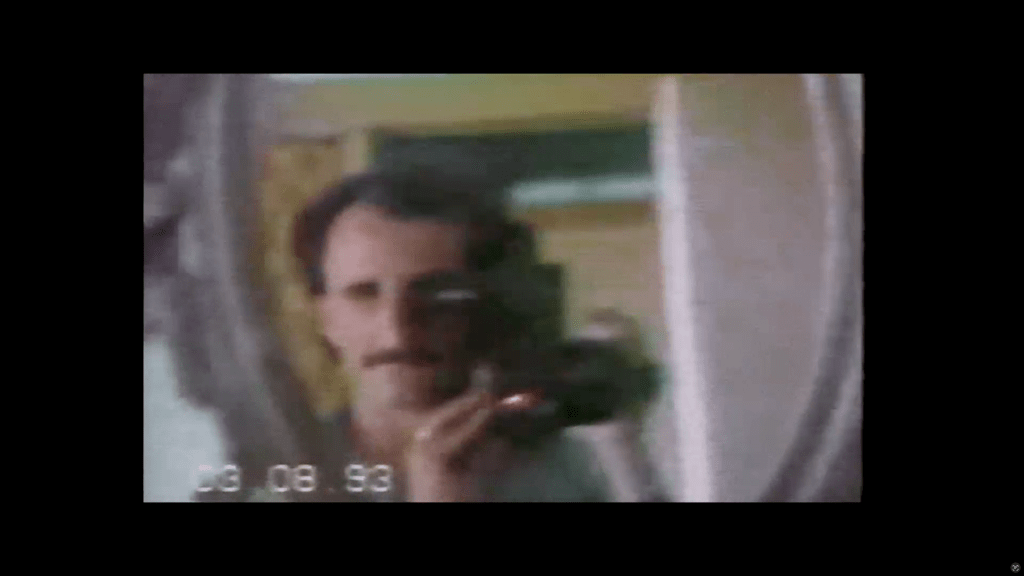
To me, film and family have virtually always been intertwined. When I was seven years old my brother became seriously ill, and when we were told he only had very little time left to live, my dad bought a video camera, in an attempt to hold on to that which would soon be lost.
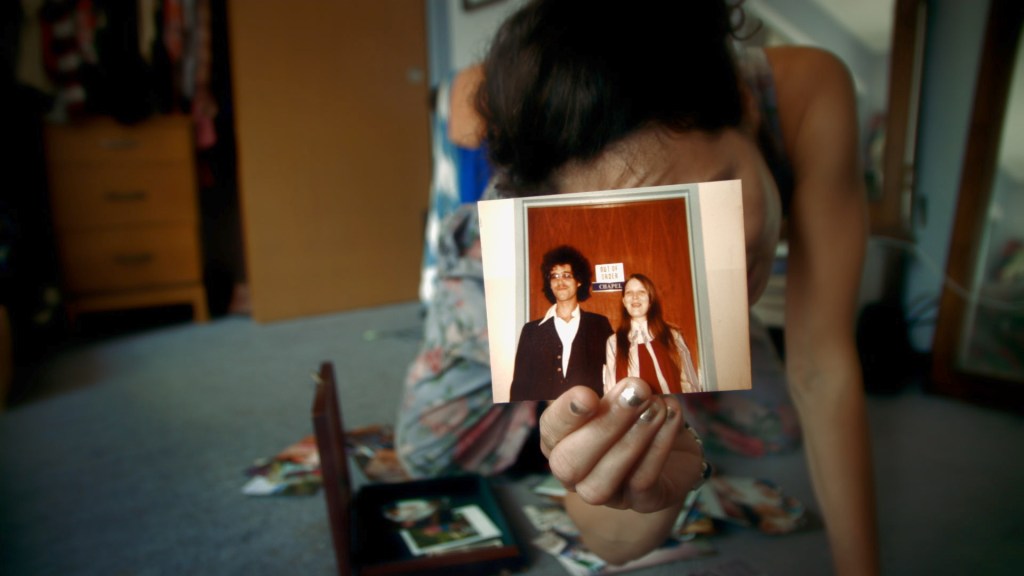
But even though my brother died, half a year after, the video recordings never stopped. Instead, I myself got a camera too, and for the 25 years that followed, it was always around, not just as a tool for documenting our family’s life, but as a mode of interaction. When I left home, I started combing through my dad’s old archive. Despite the camera’s omnipresence, no one had ever seen the footage, which through the years had accumulated into hundreds of hours of home video and more than 75.000 photos.
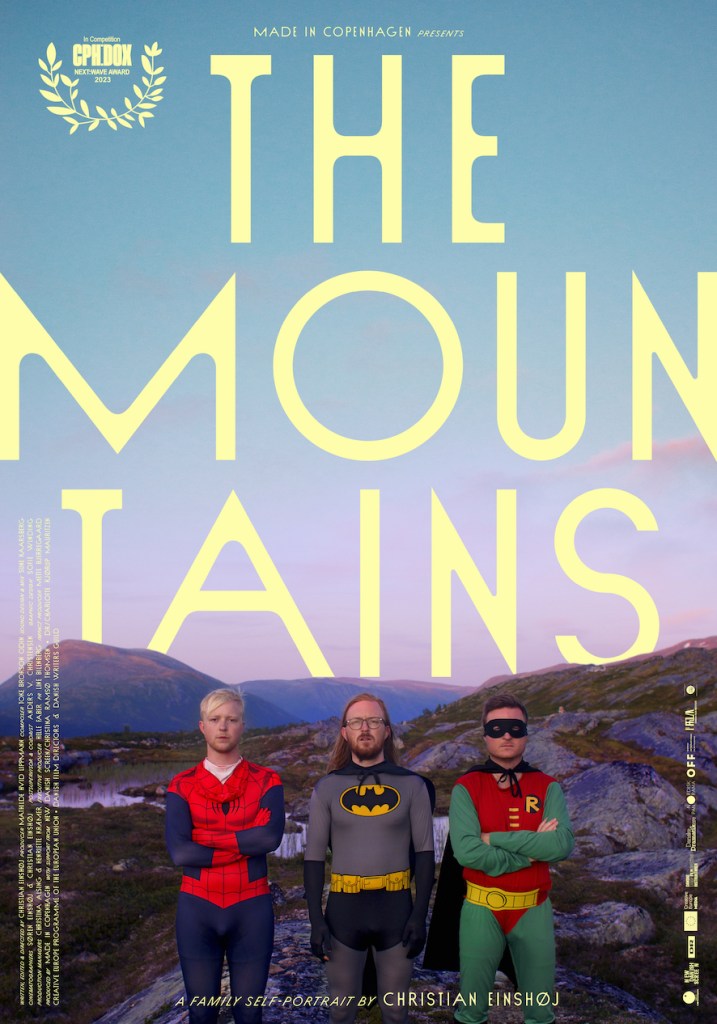
I’d started working as a film editor and was fascinated by personal documentary films like Jonathan Caouette’s Tarnation and Ross McElwee’s Sherman’s March, and I began considering the possibility of telling my own family’s story with my dad’s old footage.
Initially I was simply attracted to the idea of assembling events from my family’s life into a well-told story – but over the span of the 15 years’ work on the film would take – I realized that my real interest lay in the task of creating a completely new narrative, one more in line what I’d actually experienced than that which my family had been telling itself.
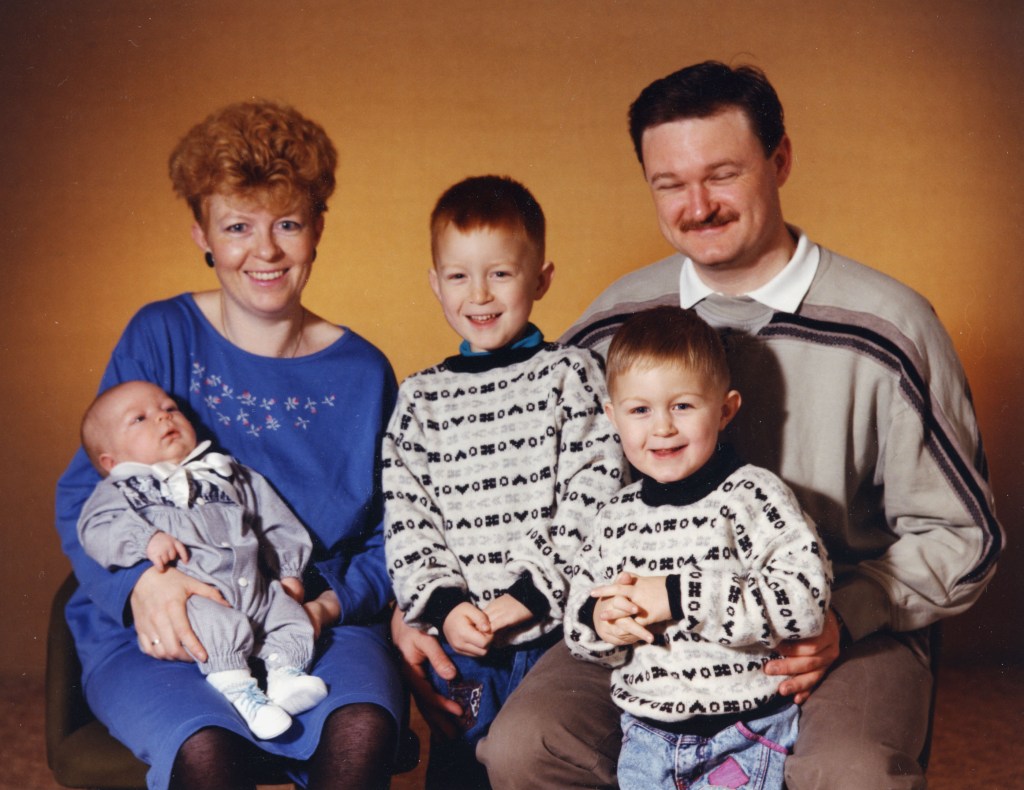
As I was growing up, I didn’t recognize the death of my brother as an especially touchy subject. My parents spoke openly of the progression of the disease and eventually his death, and I was left with an impression of complete openness. But what was never spoken of, was how his death had affected each one of us personally. We were lacking a language for our individual experiences. In turn, this created an unfortunate dynamic inward in the family, where we were bound to a false narrative of everything being as it always had been. I think this created a distance, and made us seek away from each other, because we couldn’t recognize ourselves in the story told by our collective silence.
An important turning point in my work with the film was my brother Fred’s sudden openness, in the wake of his divorce, where he started relating his childhood behaviour of emotional suppression, exemplified by his story of not crying at the funeral because you “weren’t supposed to”. This inhibition struck me as equal parts mysterious and familiar.
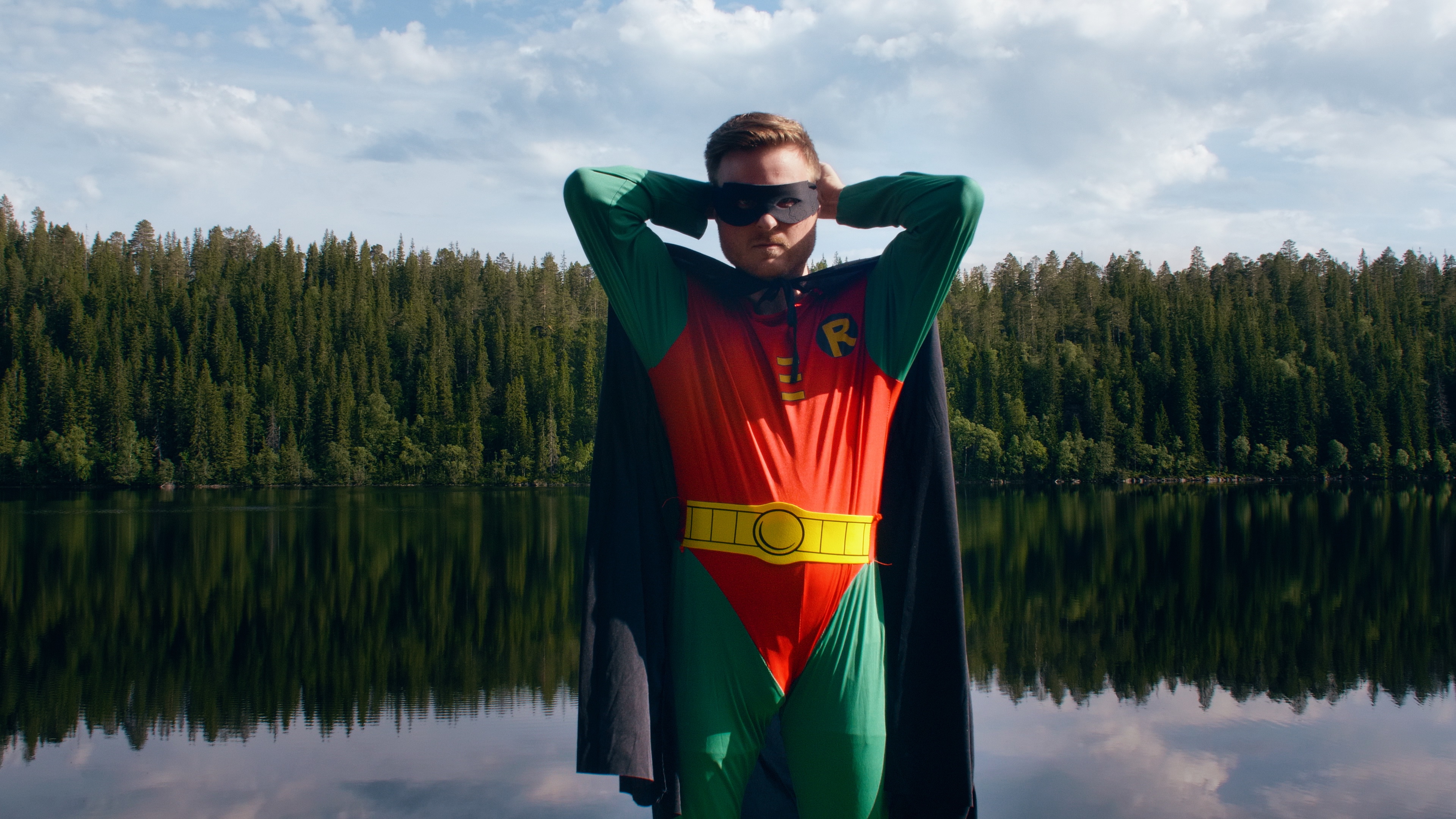
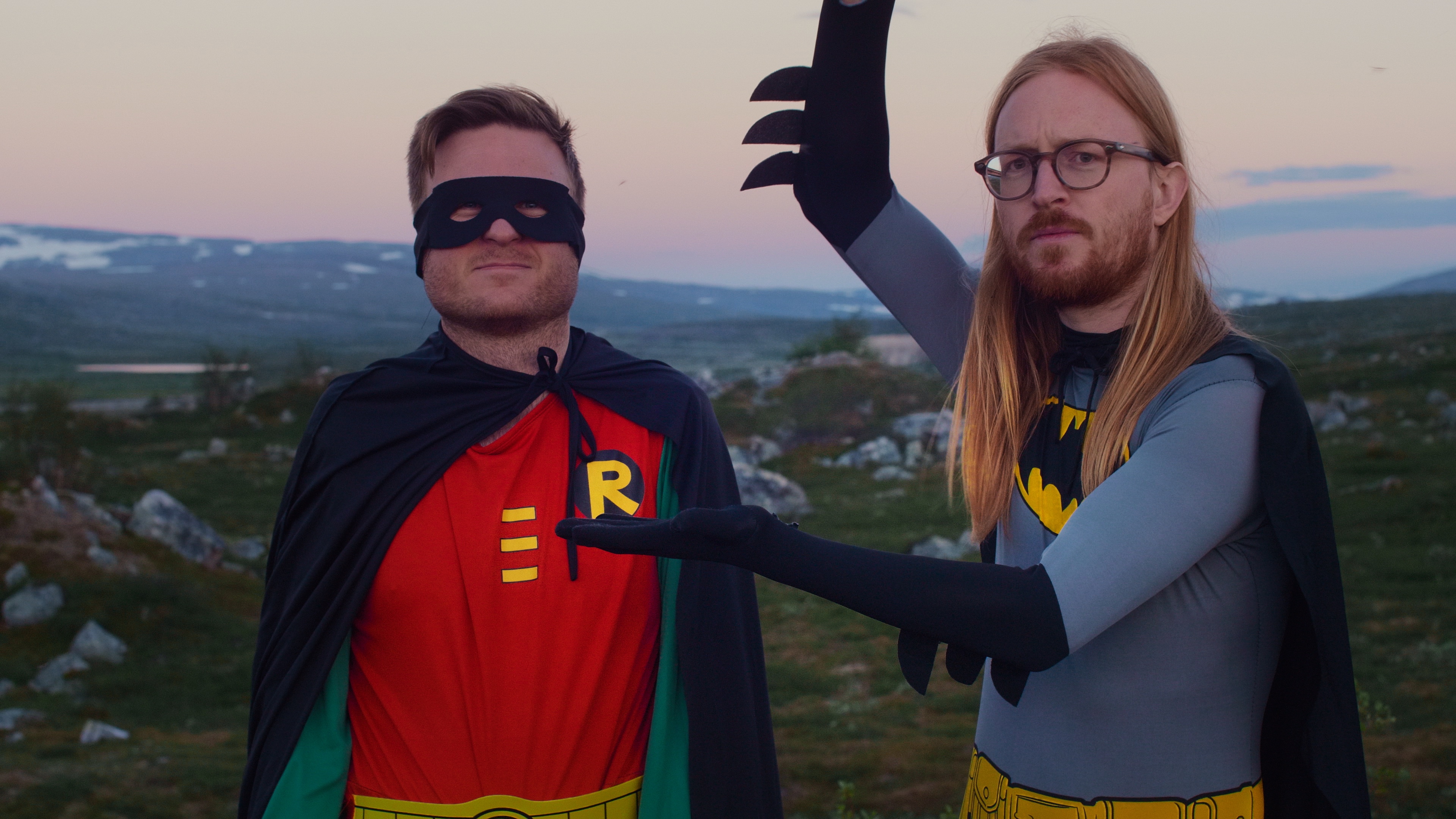
I’m a child of the 1990’s, where Arnold Schwarzenegger, Sylvester Stallone and Jean Claude van Damme took up a significant part of the popular consciousness with their hard-boiled bids on a masculin ideal. Their characters – following the lead of John Wayne and Clint Eastwood’s mute cowboys from the 60’s and 70’s – promoted wordlessness and emotional suppression as strengths. Today, these former action heroes are widely considered ridiculous fossils of a foregone era, but their spirit lives on in other, more frightening forms, not least in the dictatorial strongmen of the world’s oppressive regimes.
We need more images and better stories of mental health and masculinity, which can confirm the idea that actual strength is to dare being vulnerable and having the courage to talk about the difficult stuff. I hope that the audience will be able to see themselves in the story of my family and recognize my brothers’ courage to dare putting their feelings into words.










Leave a comment