
Ado Hasanović – Director’s Notes
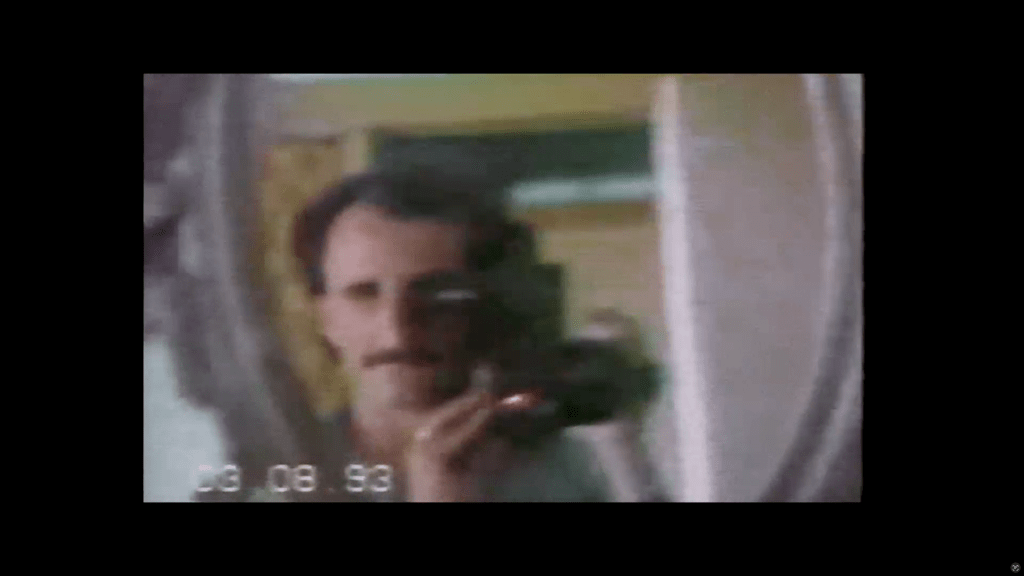
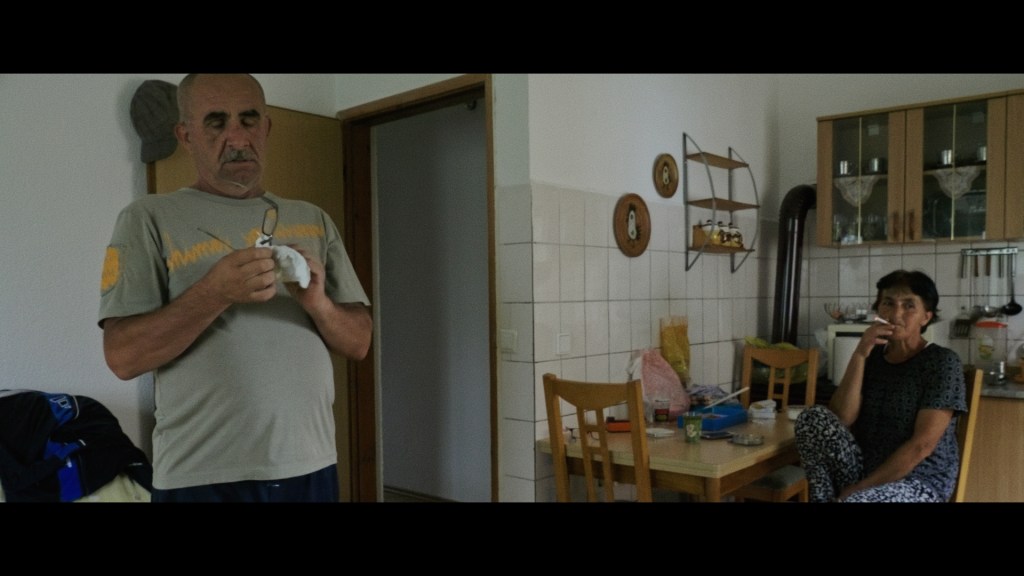
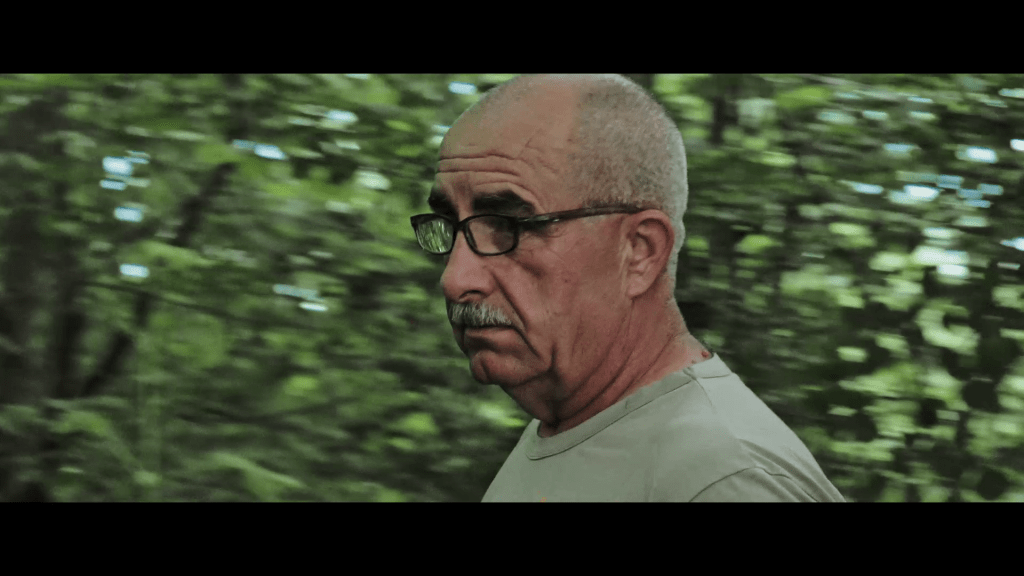
My Father’s Diaries is a documentary about my father, Bekir Hasanovic, an amateur filmmaker who shot daily life in Srebrenica during the harsh years of the war in Bosnia and Herzegovina. My father is one of the few men who survived the so-called the Death March, a 100-kilometer route through the woods walked by 15,000 Bosnian Muslims trying to escape the Serbs who wanted to kill them. The march started from Srebrenica and ended in Tuzla, but less than half of the men managed to survive.
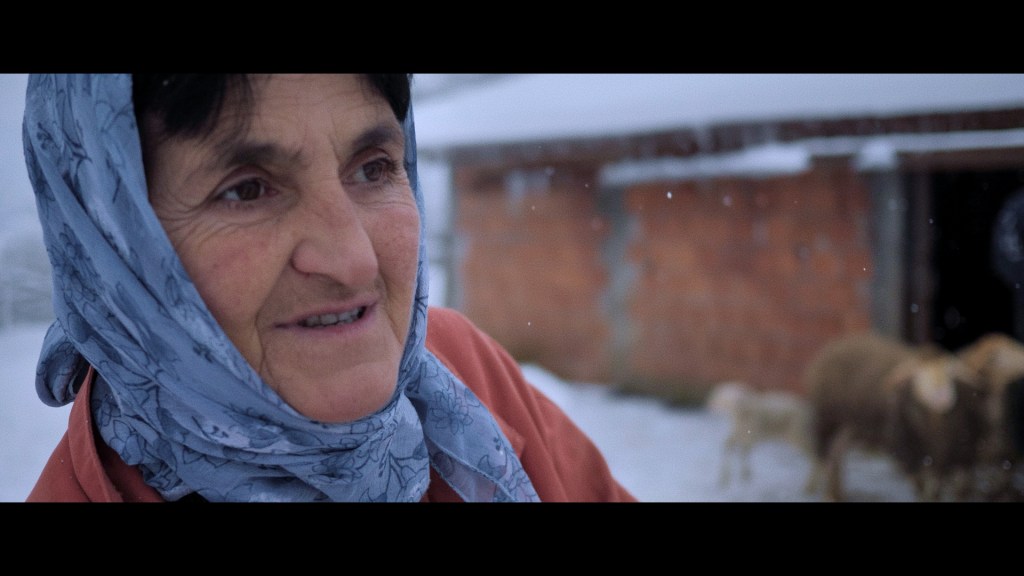
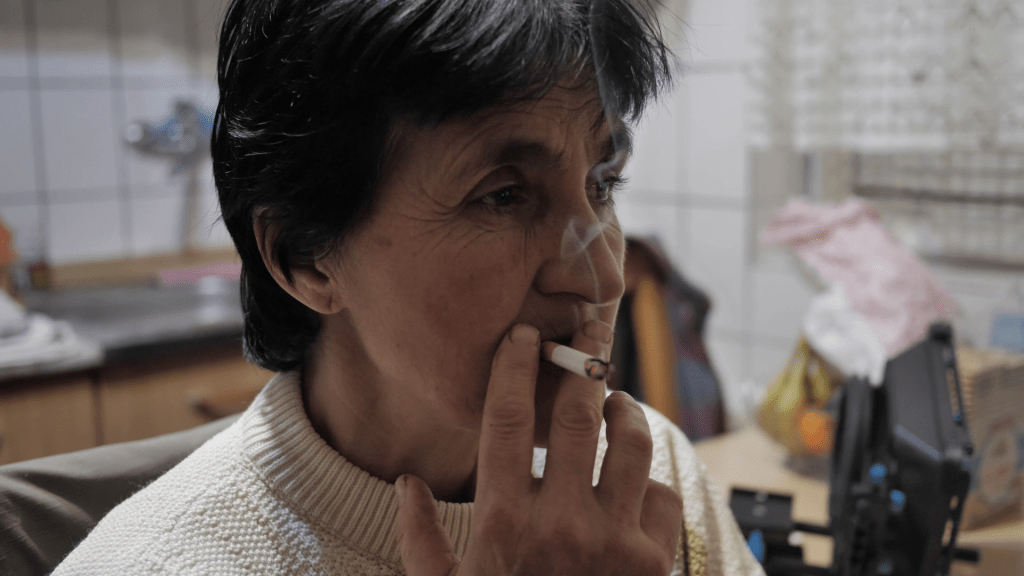
My father never wanted to speak to me about how he survived the genocide in Srebrenica. Every time he did not answer my questions though, I had the support of my mother, Fatima, who was always generous in sharing details of our past and always tried to encourage my father to tell me what he had experienced.
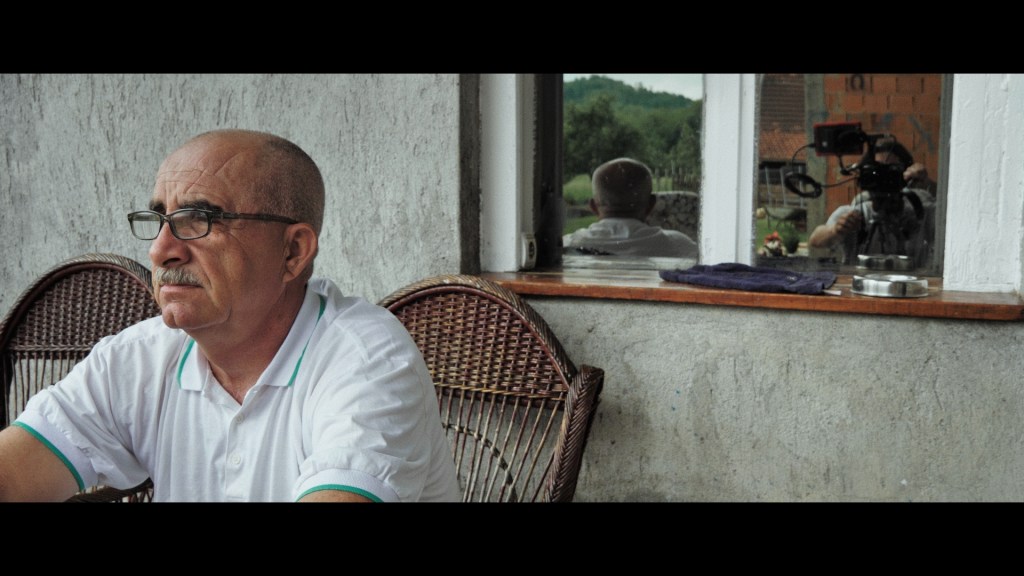
I was only six years old when the conflict in Bosnia and Herzegovina started and I don’t remember much. For a long time, I tried to forget my childhood and, just like my father, I did not want to resolve myself from the past; rather, I rejected it. Everything changed when, in 2016, my father had a heart attack. Luckily, he survived and, since then, I started filming him with my camera.
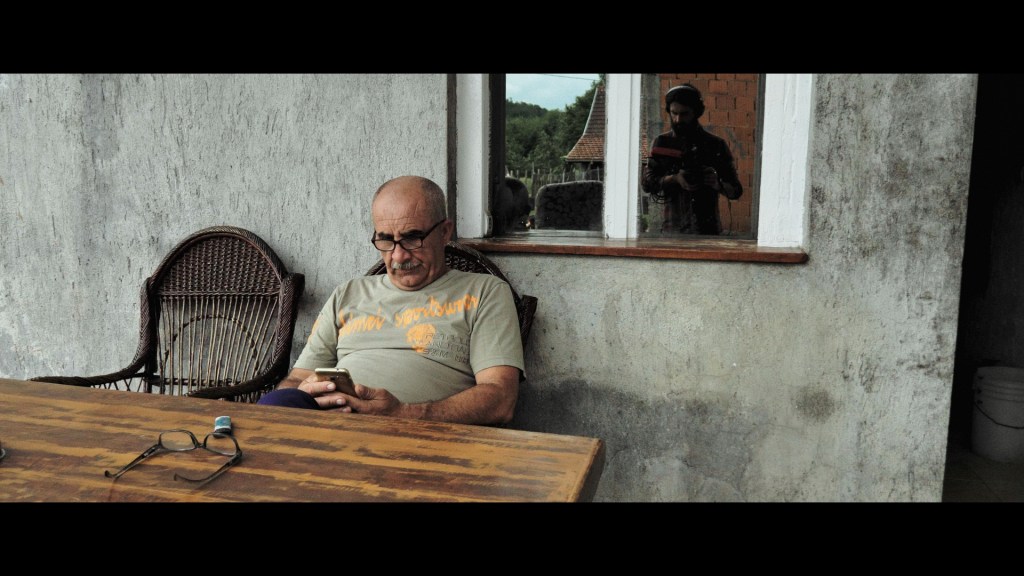
Every time I went back home, I held the camera and asked him all those questions I never had answers to. He always showed himself different to the camera, almost moody, sometimes it was even impossible to be around him. I never gave up. The walls he put up made me more and more creative, stimulating me in finding new ways to film him.
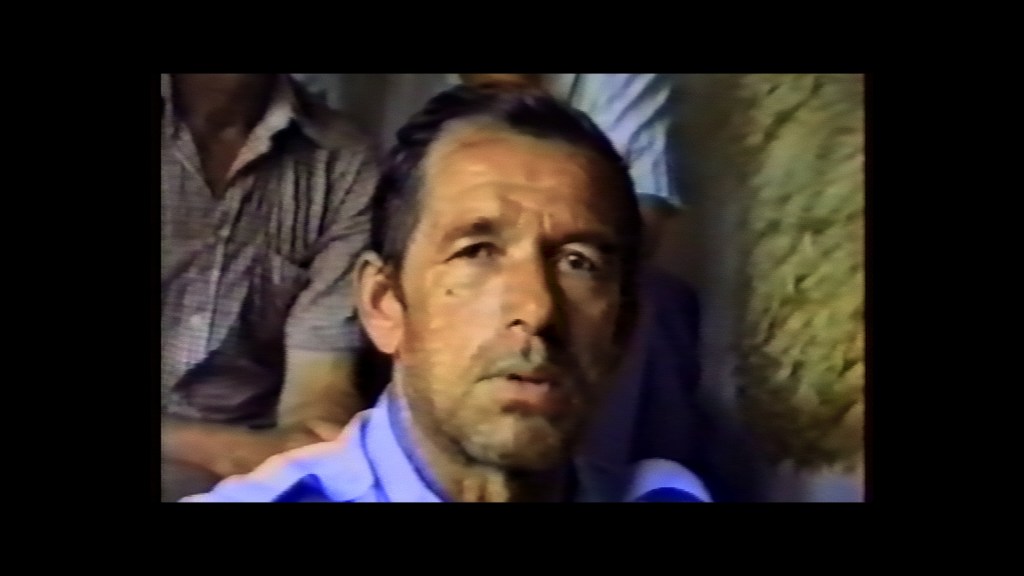
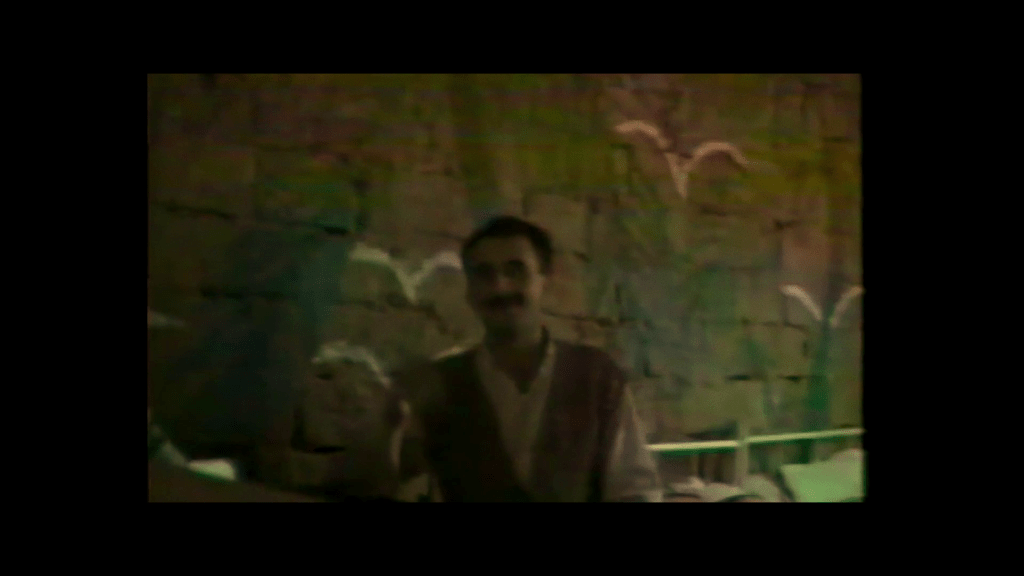
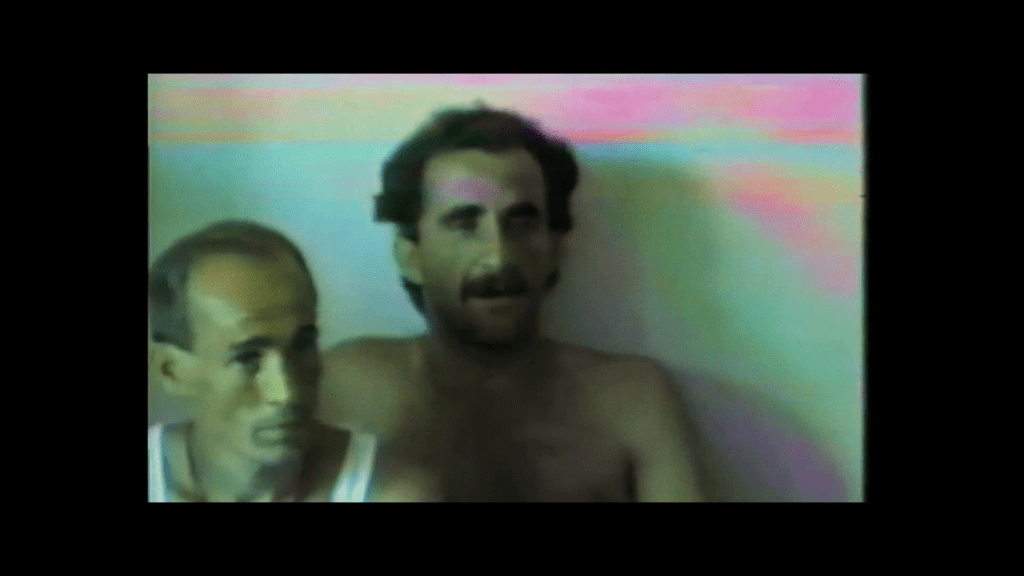
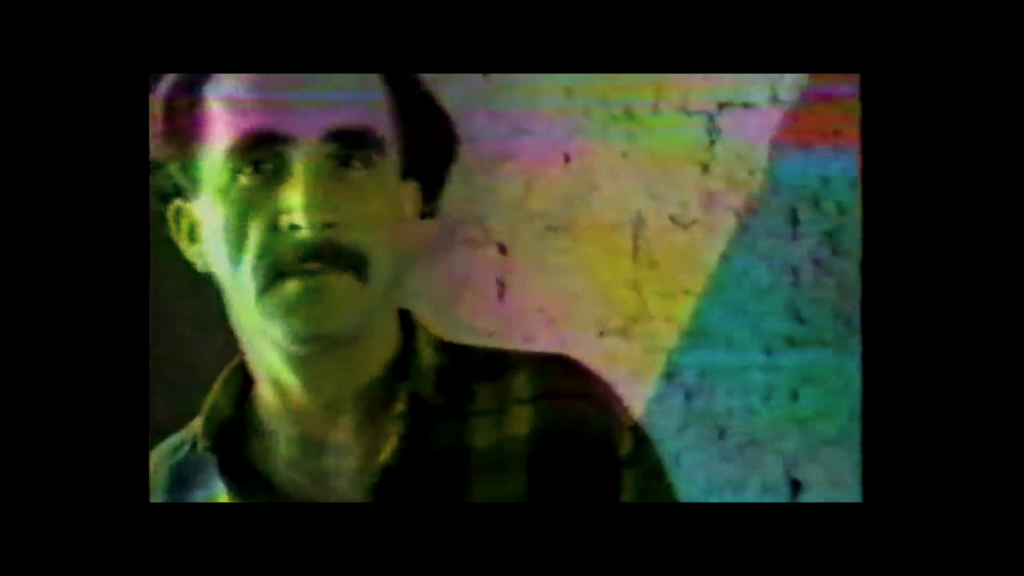
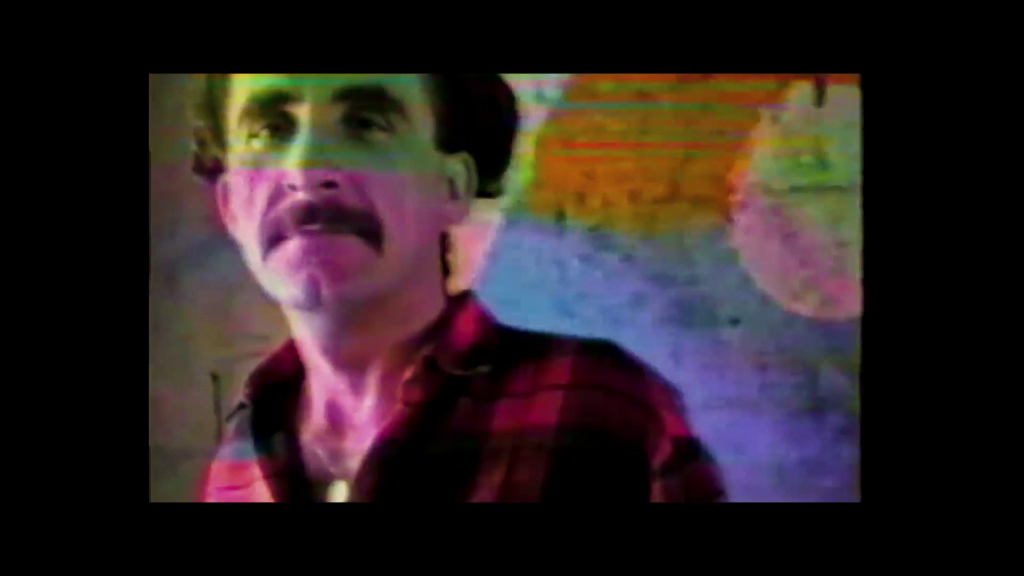
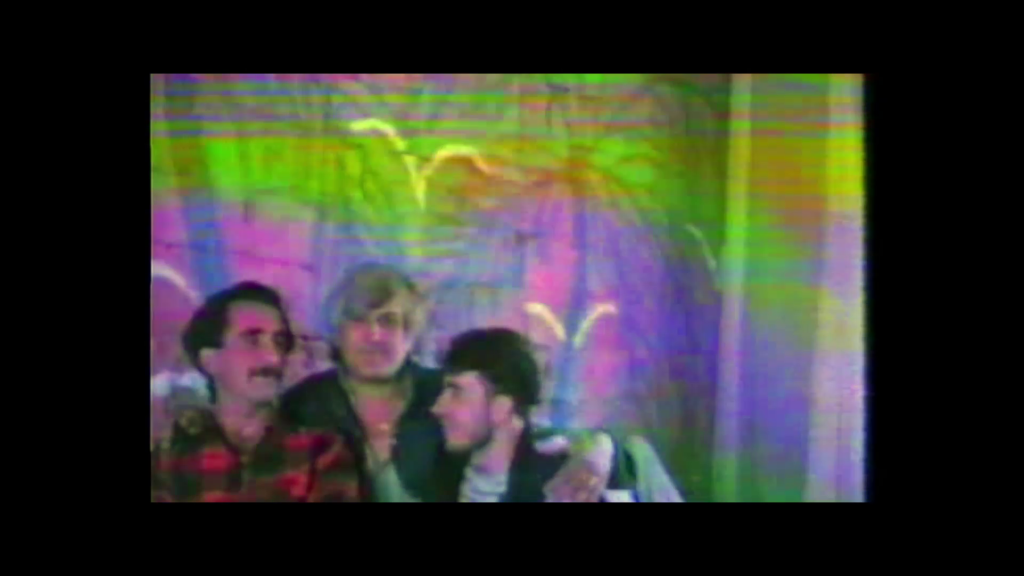
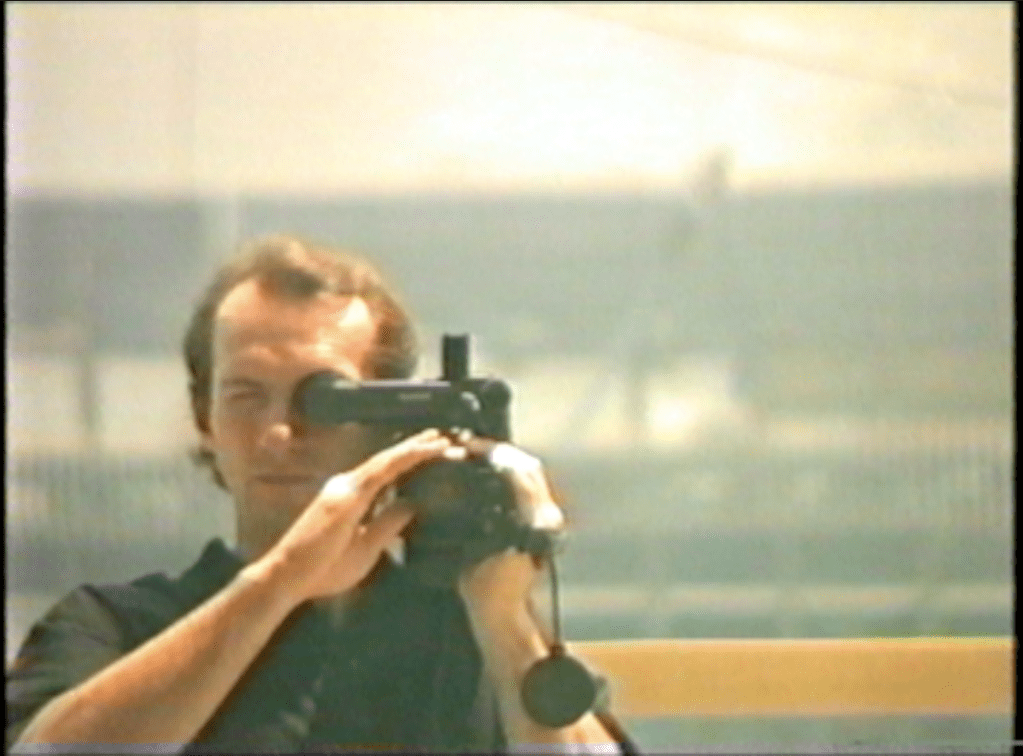
After all, he was a cameraman and a filmmaker himself in the past. With an old Panasonic he had shot a lot of material, mainly random moments of the daily life of the small and fragile community he was part of. He also involved some of his friends: Izet, aka Ben, and Nedžad, aka Boys, were part of the film crew my father made short films with – dramas and, although it may sound strange, comedies as well.
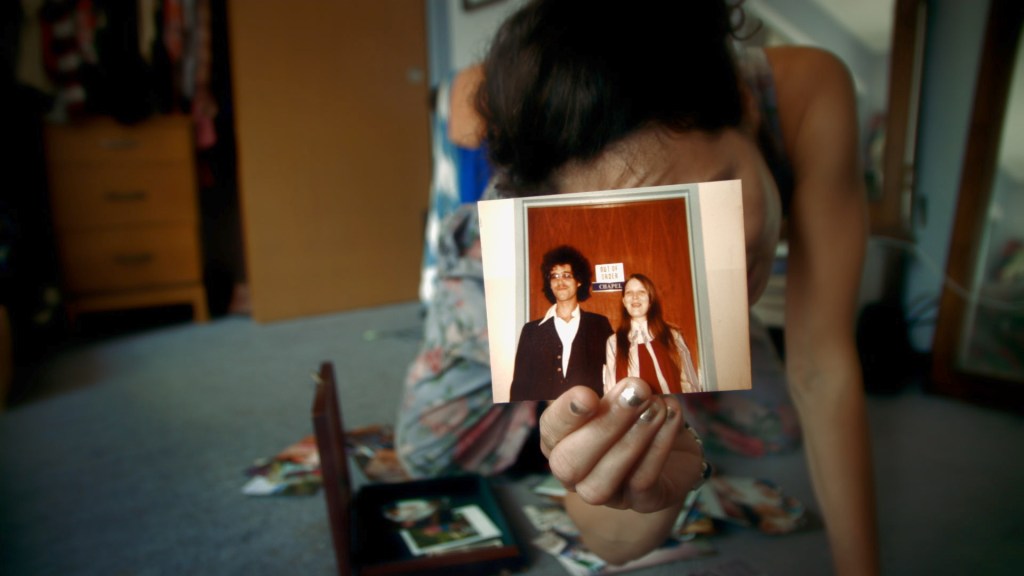
My father’s memories are not limited to these, though. Since 7 July 1992, when his brother Piro died from stepping on a mine, he kept a diary where he wrote every day until his departure to Tuzla and, therefore, until his journey on the Death March. There are six diaries that came from my mother’s hands to mine. My intention in this film is to combine those diaries with the material filmed by my father at the time and with material filmed by myself.
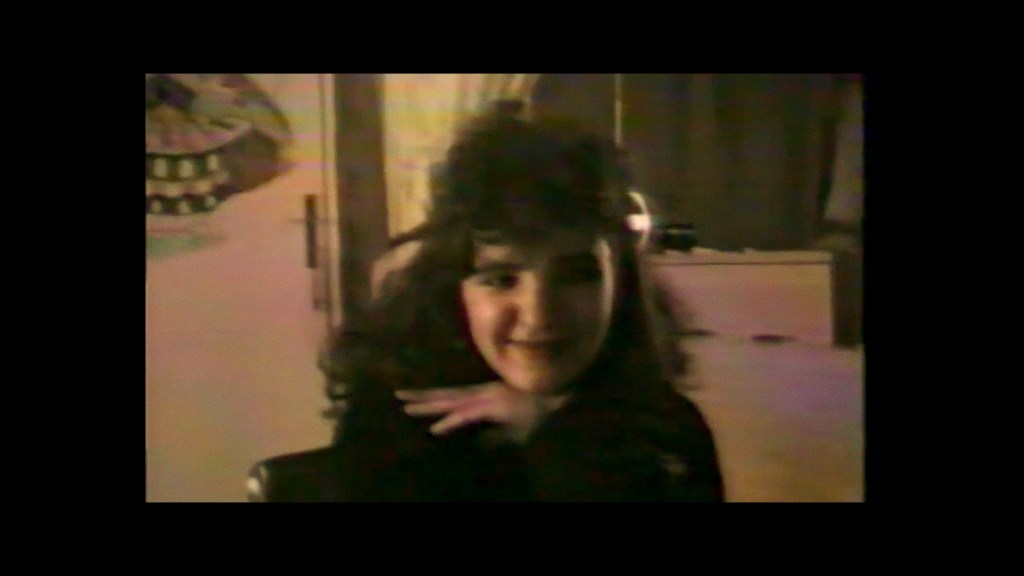
One of the plenty unbelievable things about this story is that the diaries did not come to her from my father’s hands, but from those of another woman, Seka. My father had fallen in love with her during his stay in Srebrenica, while me, my sister, brother and mom were in Tuzla. When he was about to flee, not knowing whether he would have survived the march, he gave them to Seka asking to deliver them into the hands of his family if he did not survive the march. Although he survived, Seka handed the diaries over to my mother who, despite suffering greatly from the situation, carefully preserved them and kept them from me until a few years ago.
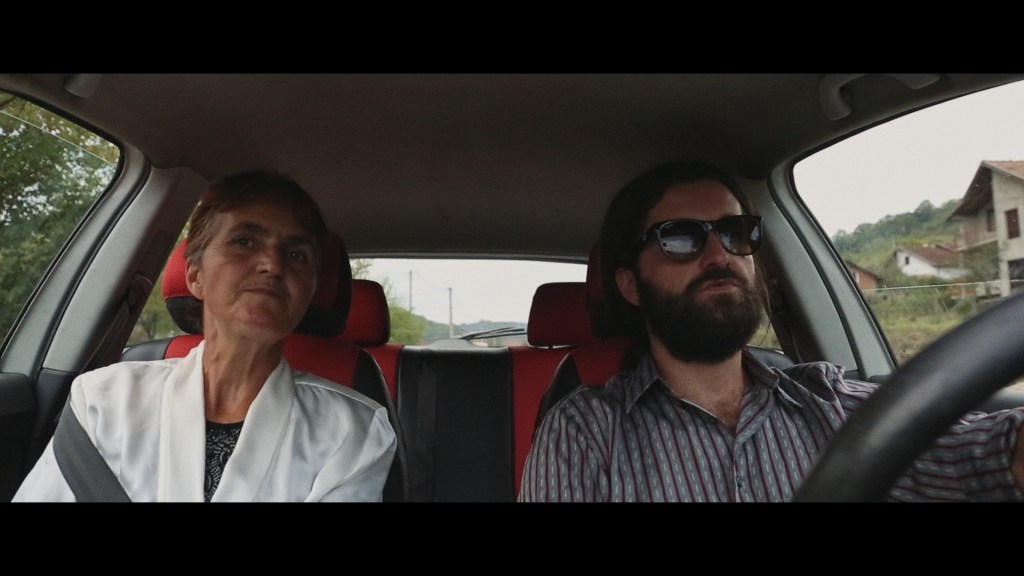
Reading my father’s diaries made me cry but, surprisingly, laugh as well. It is insane, almost surreal what he experienced; what fascinated me the most was that he kept track of whatever was happening to him, day after day. Hundreds of pages filled with his thoughts, with the report of the miserable life he and many other Bosnian Muslims were forced to live, but also with an ever-present sense of insecurity: no one knew how long they would have survived.
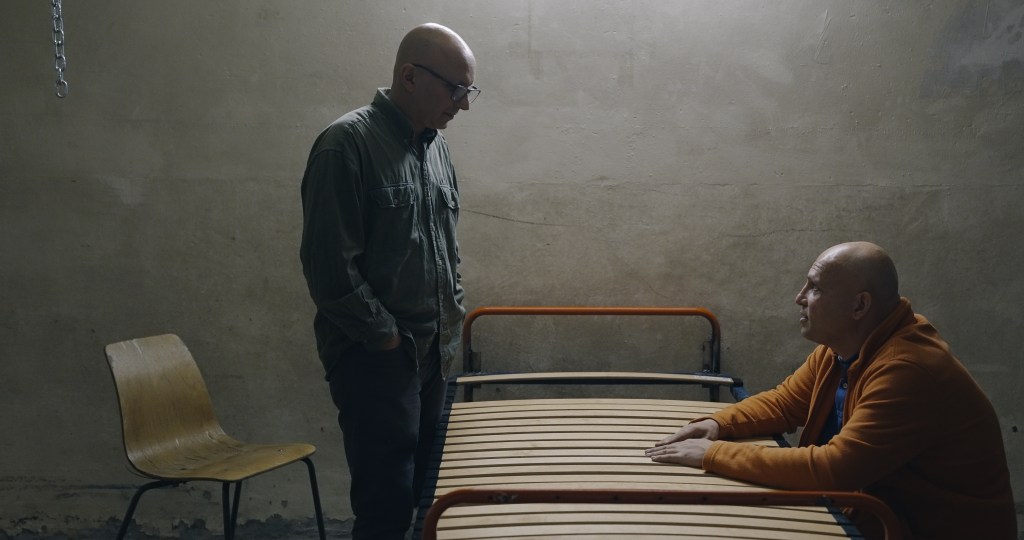
The film focuses on incommunicability, the inability of a father and a son to talk about the war. Bekir never wanted to talk much about that period of his life; he used to tell me: “Before asking me questions, go, read the diaries and see the VHS”, but he also always said: “My son, I will be dead and you will still not have finished this film”.
He was right. On 22 June 2020 my father had a heart attack and died at 58 years old.
His death was the most difficult moment of my life, I felt the worst pain possible. He was not only my father: he was the first one who taught me how to hold a camera and this is my way of thanking and celebrating him.
Visual approach
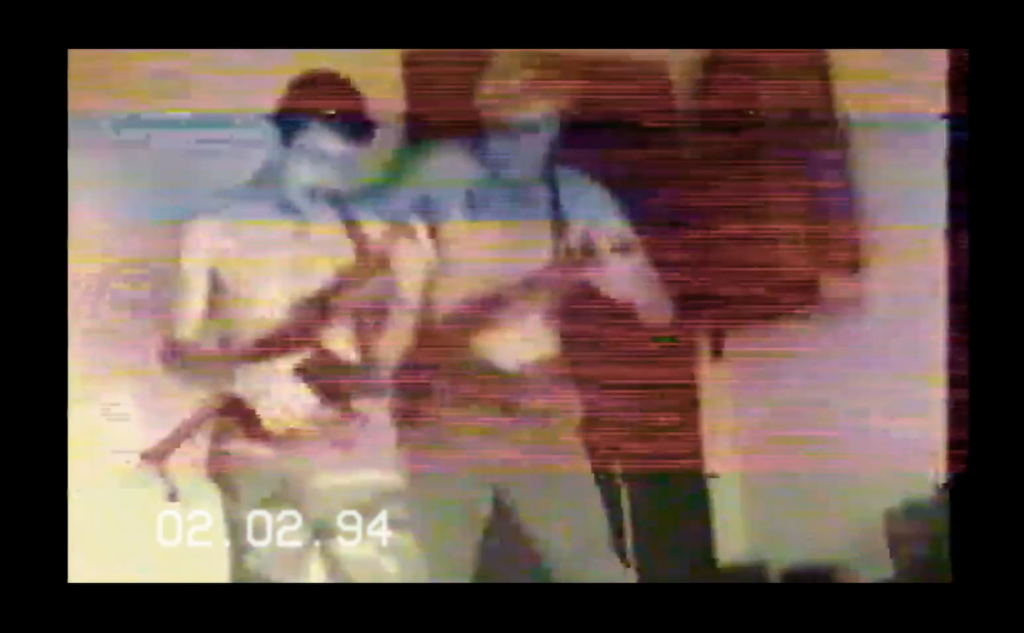
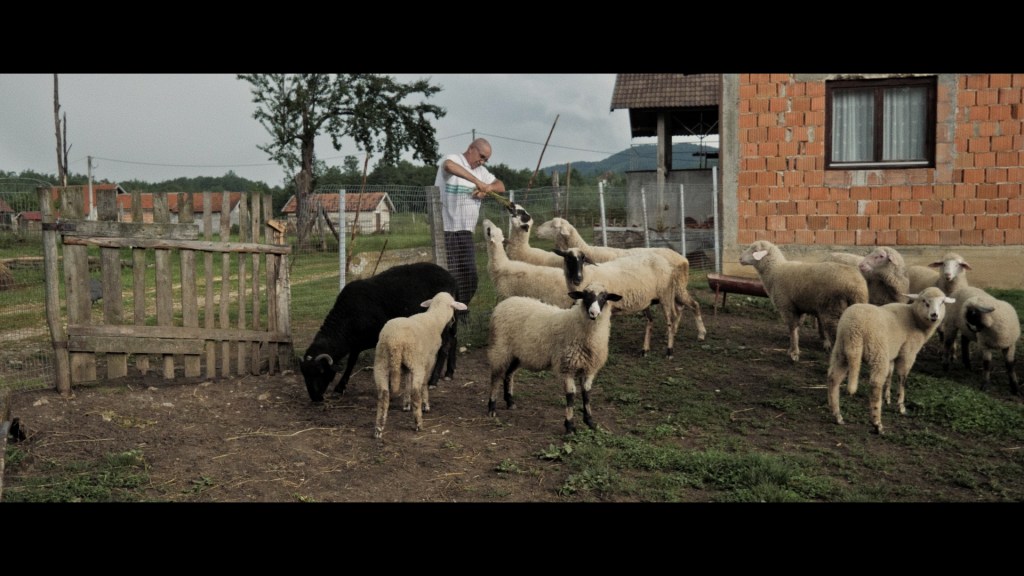
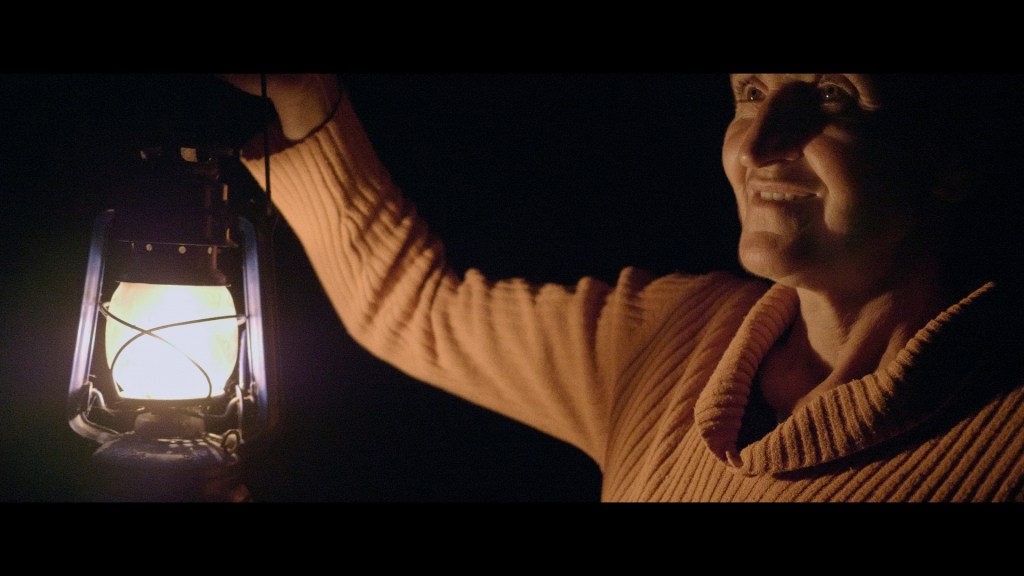
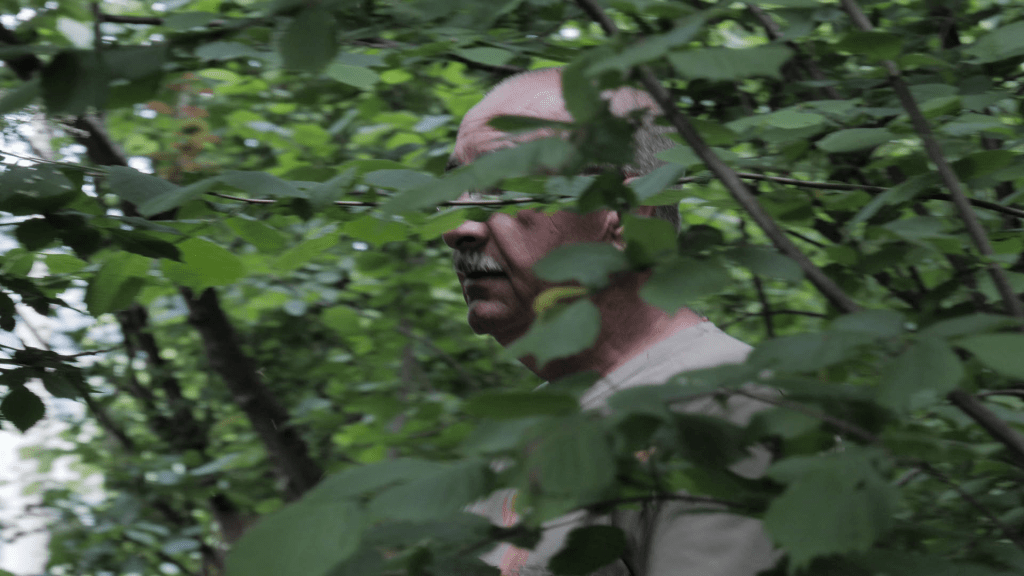
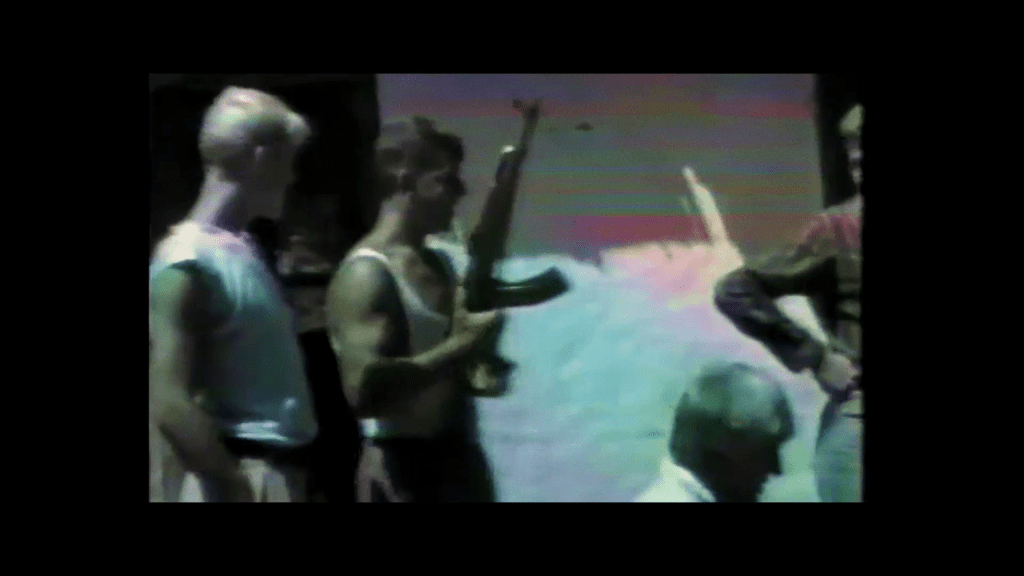
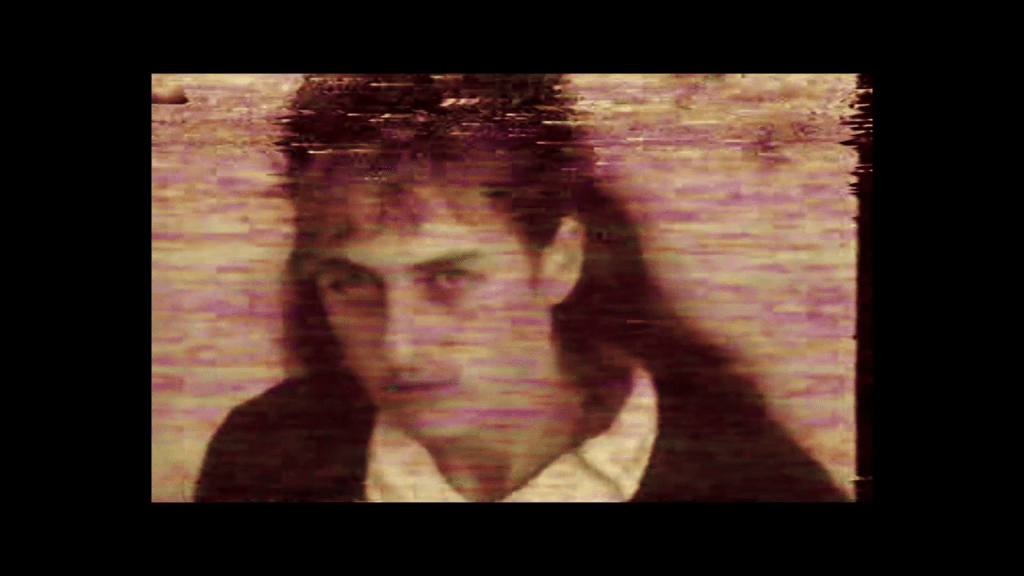
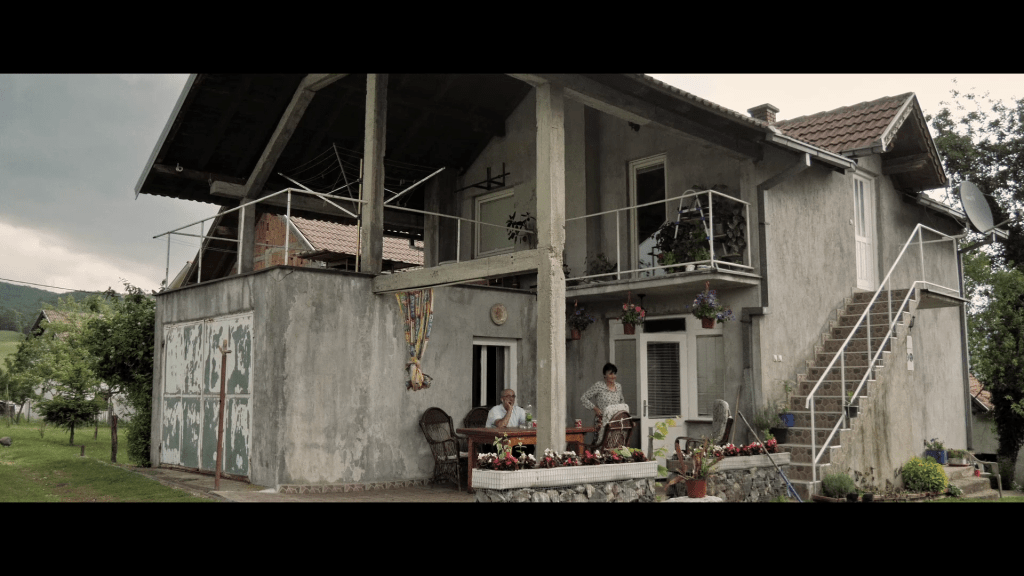
My Father’s Diaries tells the story of a father and a son who survived the genocide in Srebrenica but never faced what they had been through. This sensitive and emotional incommunicability is brought to the screen through materials from three different sources: those filmed by myself in a first-person narrative, trying to investigate the intimate spaces of the characters; archival materials from the Nineties filmed by my father on VHS; and the dramatic pages from the diaries that I read in voice over myself, words that seek to tell the absurdity of war.
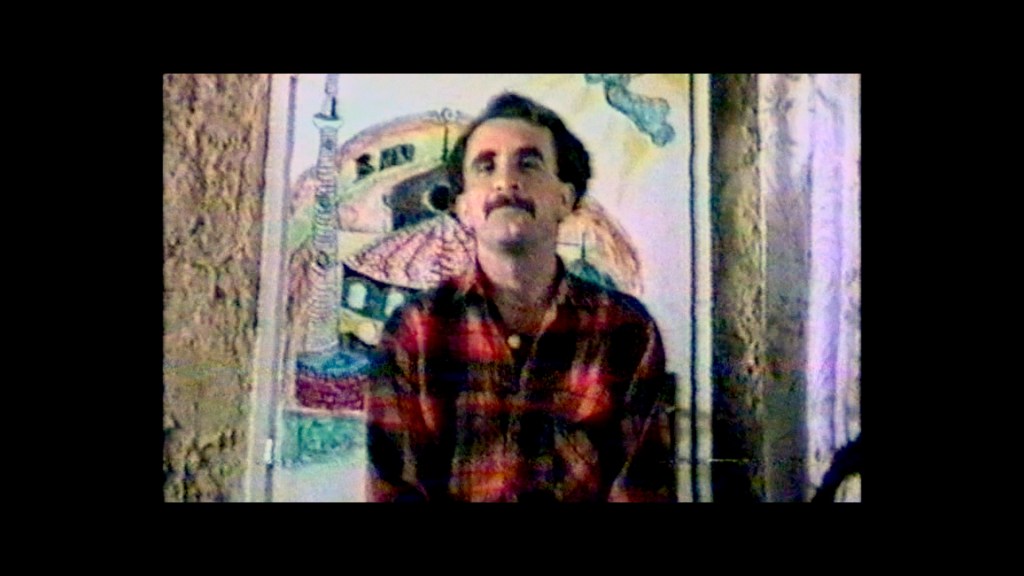
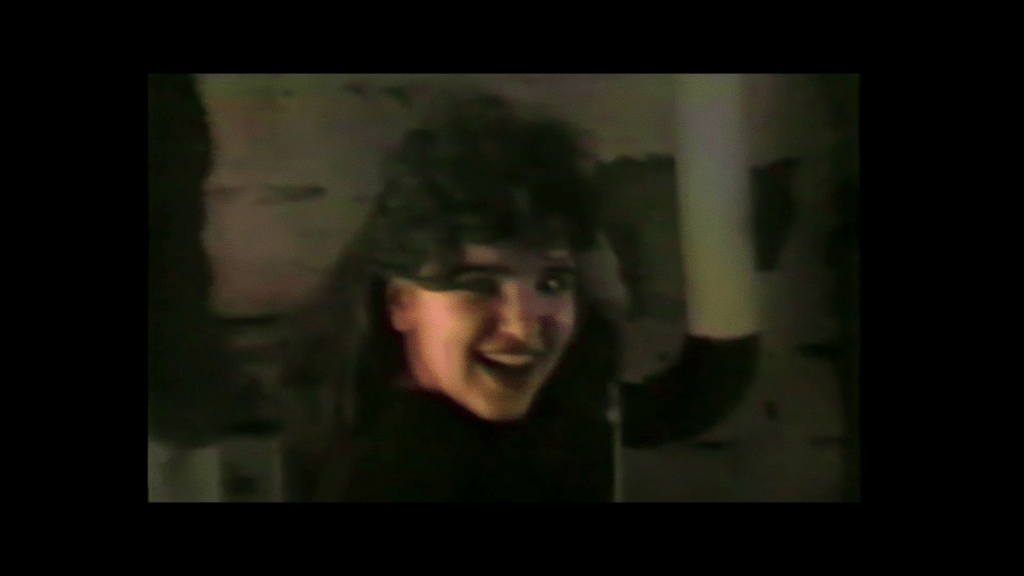
The precious material filmed by John, Ben and Boys is unpublished and I will try to give it its due value as an accurate tale of life during the war. Videotapes in which Bekir and his friends, his family, and the microcosm of Srebrenica is shown in its serenity will be alternated with our words in present-day recounting the cruelty of war and the harsh world which, we experienced.
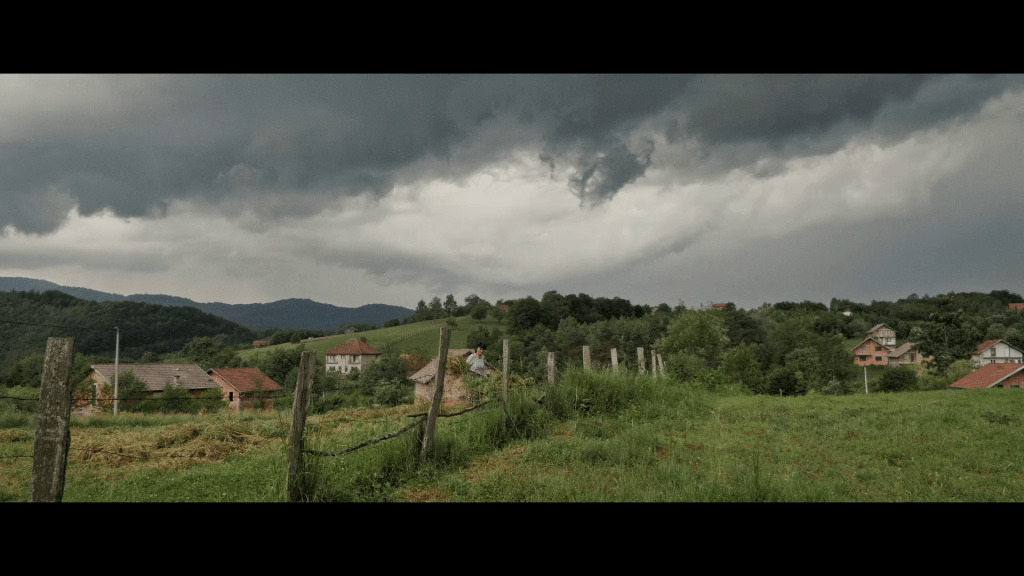
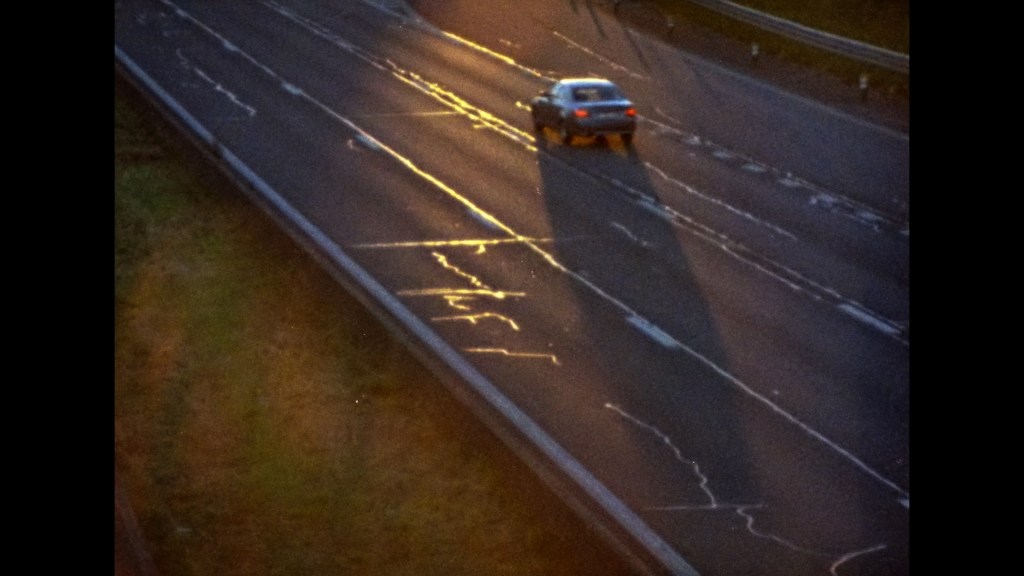
My Father’s Diaries is a meta-documentary that investigates my great difficulty in trying to talk about and with my father. For this reason, the images will be raw, scratchy: the viewer will feel like a witness, invisible to the eyes of two men who confess all their suffering. The story will be told in first person, as if I was writing a diary myself: from the difficulty in finding a channel of communication with my father, through his dreadful memories, ending with the appreciation of having survived.









Leave a comment