
Director’s Note – Angela Christlieb
I have always been fascinated by dream worlds, parallel worlds and escapism in psychoanalysis. My films often focus on people who live in “imaginary” universes they have created for themselves, surrendering to eccentric passions and calling into question the realities of “norm” society. Cinemania depicts five cinephile New Yorkers who spend their entire lives watching up to 6 films every day. Naked Opera accompanies a wealthy opera fan in his quest to find the perfect way of staging his own life. Under the underground leads into a hidden subcultural labyrinth of sound and music.
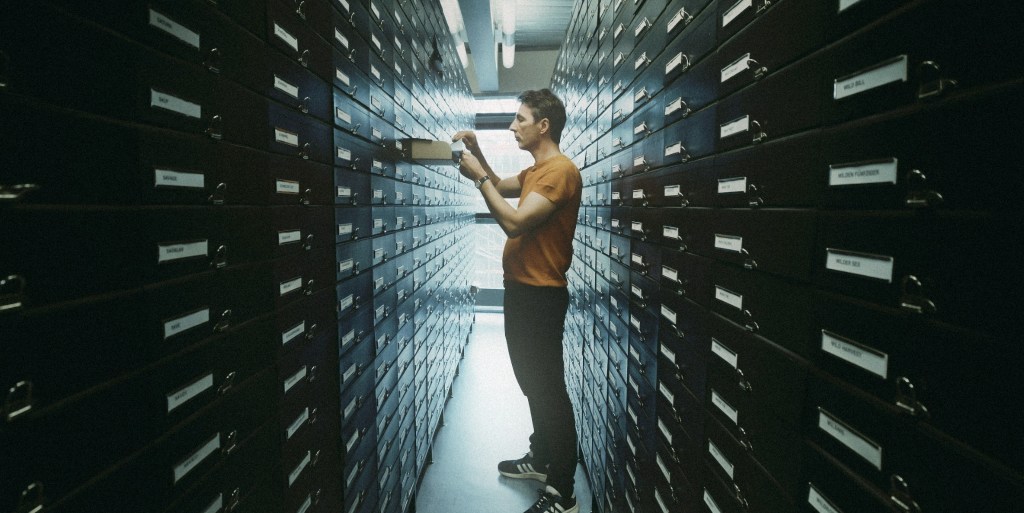
I met Daniel Pabst in the Vienna music scene. He told me he was an art collector. On his visiting card it said “Pabst Collection”. I asked whether he was by any chance related to GW Pabst. He nodded: The grandfather! His eyes flashed with subliminal pride.
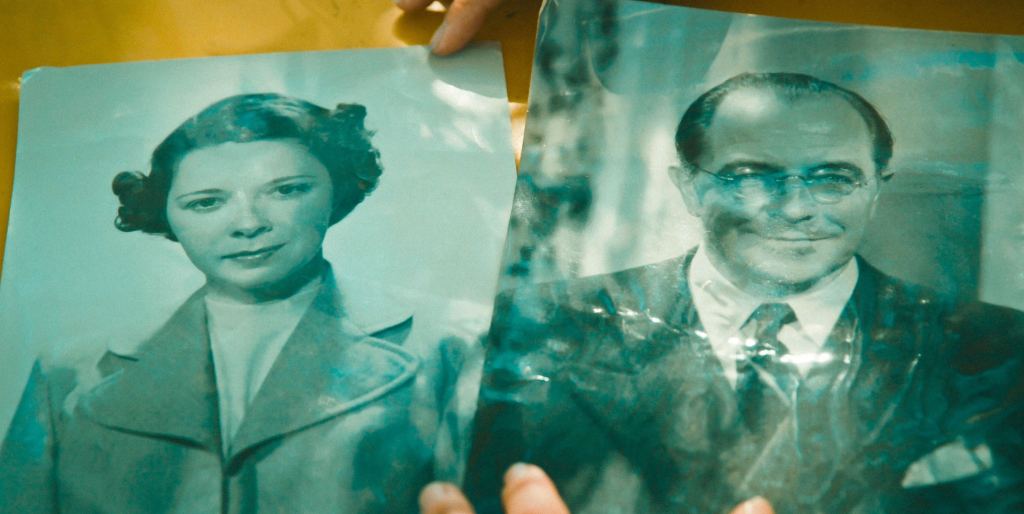
As somebody who is enthralled by the cinema, and a big fan of the early GW Pabst films, my curiosity was aroused. In a series of personal conversations, Daniel told me about his childhood, and about his grandmother Trude Pabst, who “lived on” in her husband’s films after his death. The stories were so incredible that I could already envisage a film as I listened. Daniel also told me about his uncle Christian Broda, who would often give him a ride in his ministerial limousine when he was a child. With considerable frankness Daniel also described to me how a strain of verbal violence and suppression ran through his family because of his grandfather. And how Daniel’s father, Michael Pabst, suffered from this throughout his entire life.
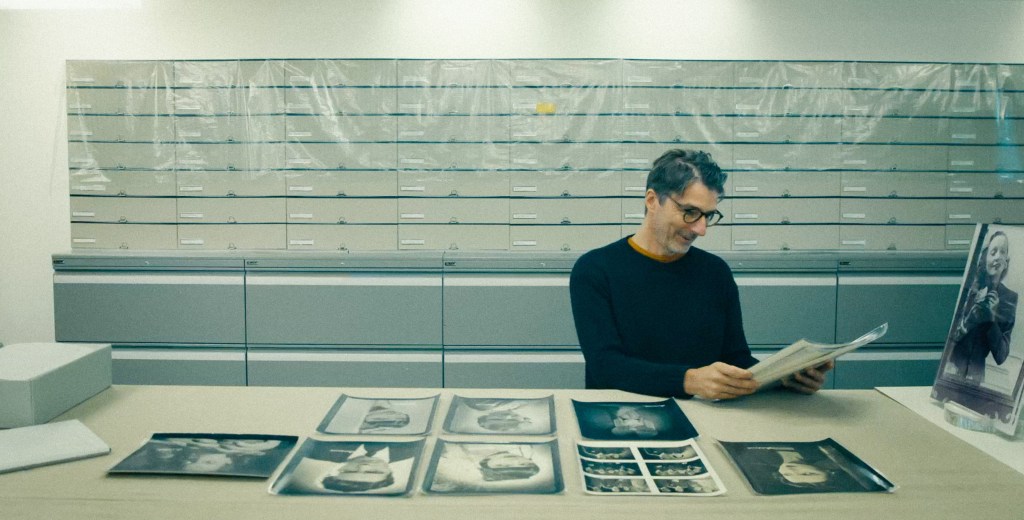
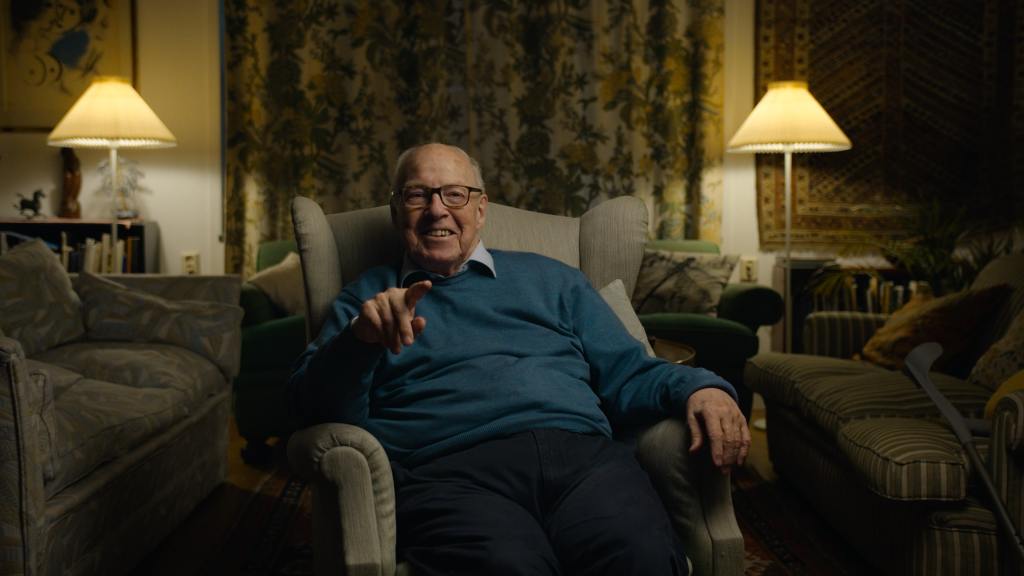
When his father died, Daniel began to grapple with the story of his family. It was an attempt to understand the legacy of emotions and trauma which had been passed on to him through the generations. I accompanied him on his journeys as an art collector and on his visits to his family. One of our trips took us to Zürich, to visit his cousin Ben Pabst, a 75-year-old dinosaur expert. I later met his sister Marion, and his mother Heidi. Marion had a very close relationship to her grandmother Trude, and her childhood memories provided a quite different perspective.
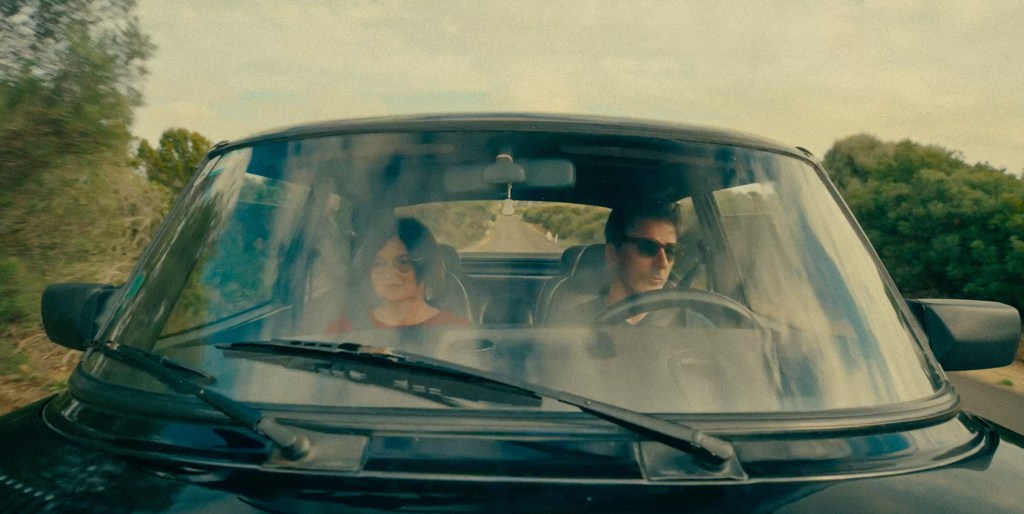
My fascination with Trude Pabst, the wife of the famous director, grew with every story I heard. Although she had been an actress before marrying GW Pabst, he never allowed her to act in any of his films – except for one small supporting part. What role did she play at the side of her husband, who was always in the limelight? How did it feel for her when her husband had affairs with actresses? How did she come to terms with her position as a mother, which didn’t fit in with the glamorous world of GW Pabst? What was the story about her close friendship with Leni Riefenstahl, whose portrait hung over her bedside table until Trude’s death?
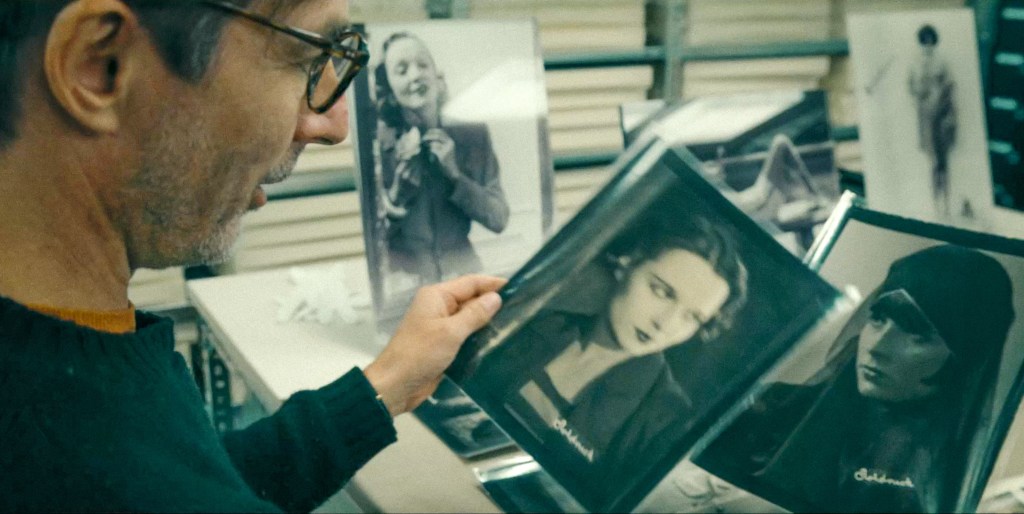
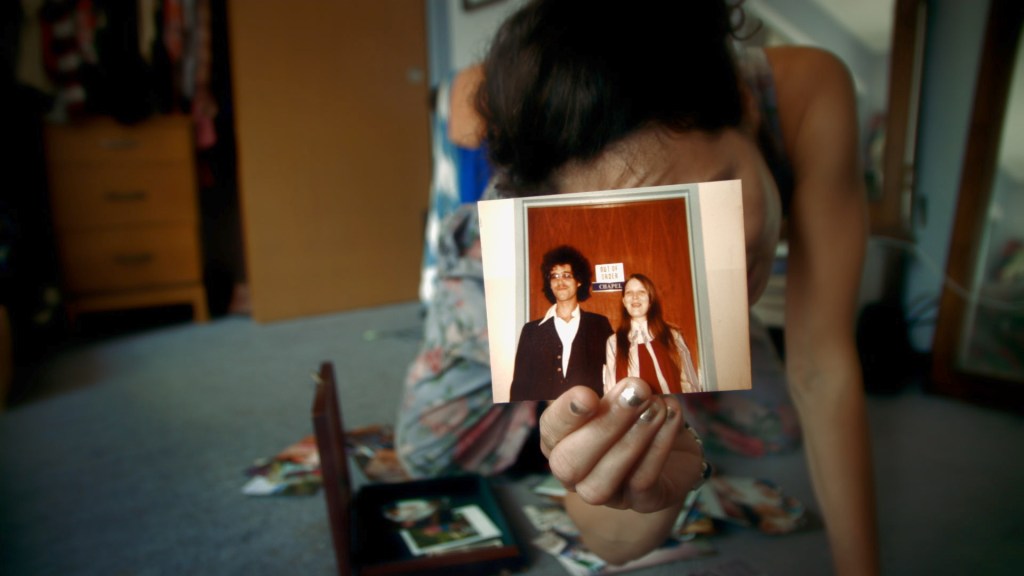
Daniel showed me Trude’s diaries and the records she kept of her dreams. These diaries opened up a powerful insight into the landscape of her soul and her visions. I knew that my film would be rooted in a deep exploration of this woman’s perspective and her development. Her intimate accounts transport us back to that period, allowing us to witness her personal experiences before and after the Second World War. Trude Pabst constructed for herself a kind of spiritual parallel universe where ghosts, premonitions and dreams played a significant role. The records she kept of her dreams went far beyond simple accounts; she had precognitive abilities and could sometimes predict events in her dreams. This was a defining influence on her life until very near the end. Daniel told me that during the last years of her life she conversed almost exclusively with her spirits.
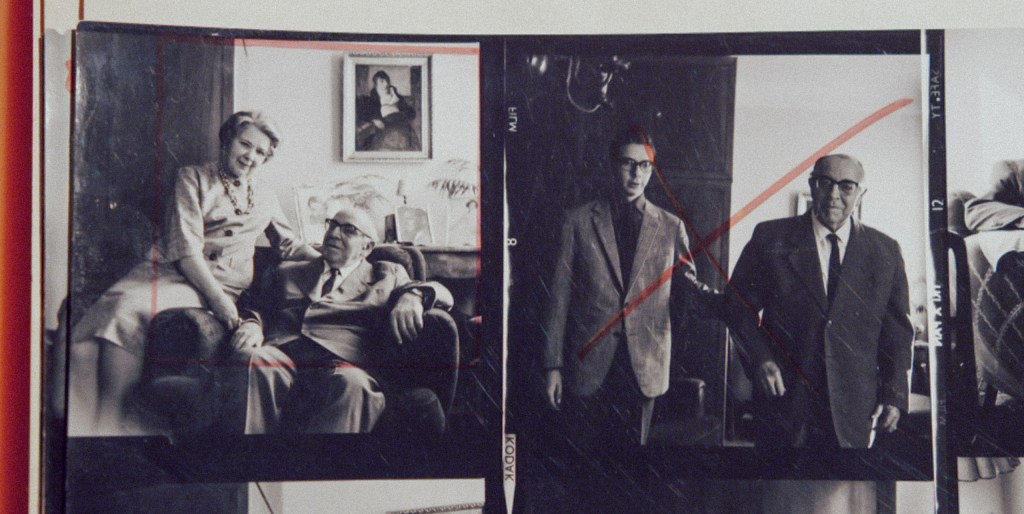
Fascinated by this extraordinary family story, I knew I had to make this film. A film which links the action of GW Pabst’s early films with memories of his grandchildren in the present day. With Trude’s diaries as a meta-level. In the process I employ an artistic approach which I greatly admire in his films: long, elegant, flowing sequences of images which then appear to dispense with the existing geometry. Orderly systems dissolve, giving way to lack of orientation. Paradoxically enough, it is precisely in this way that the presentation of reality becomes concise and focused.










Leave a comment