
Director’s Introduction – Rajan Kathet & Sunir Pandey
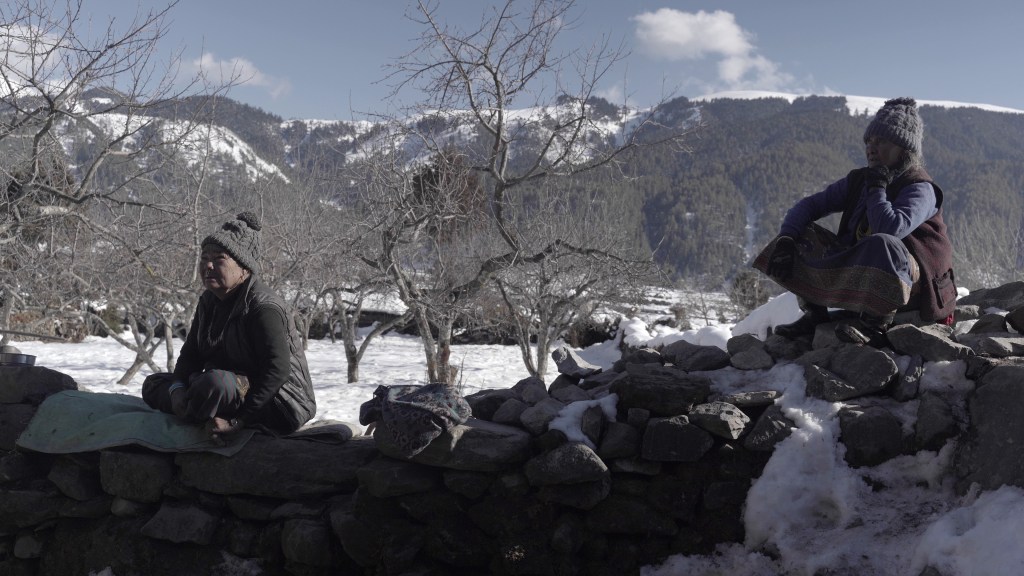
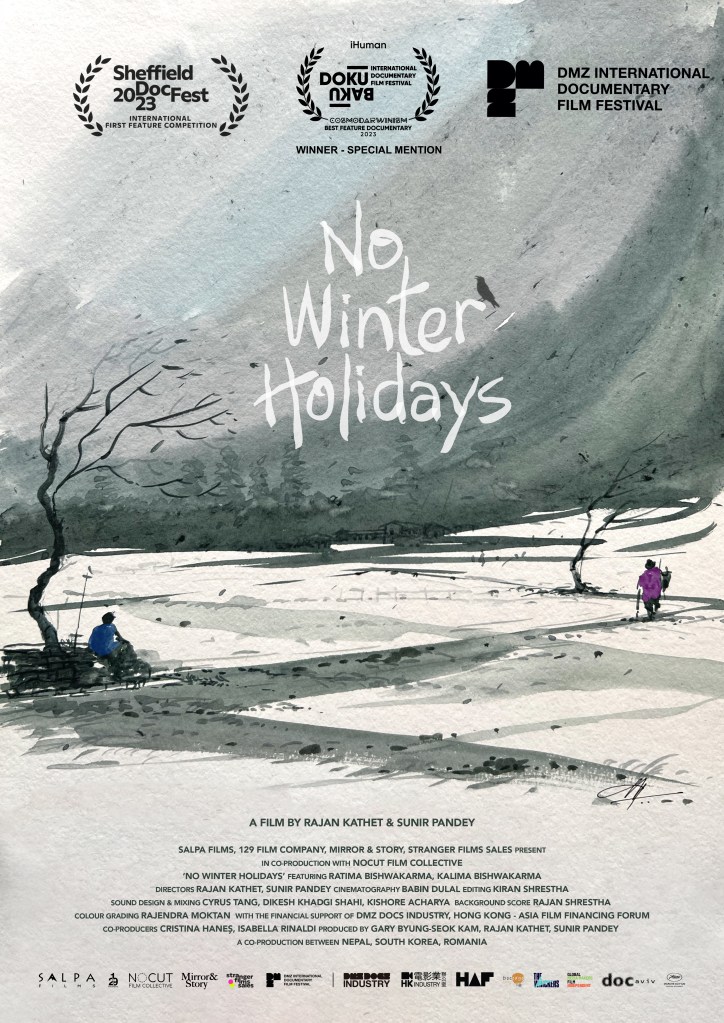
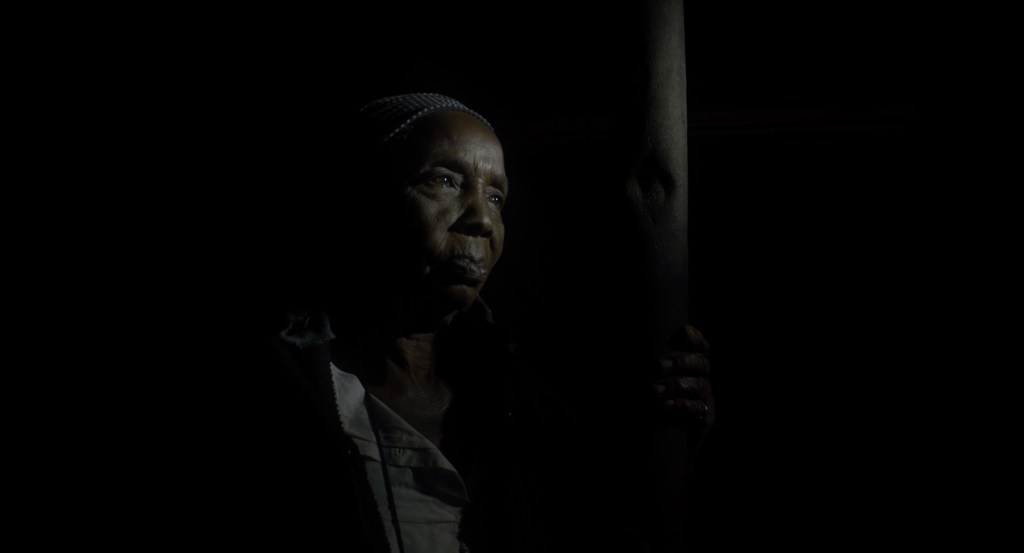
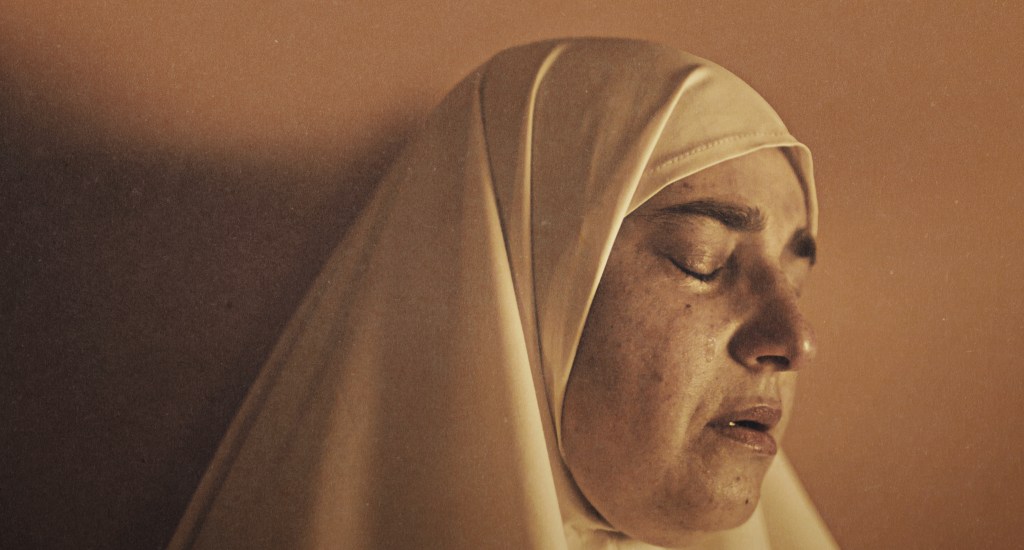
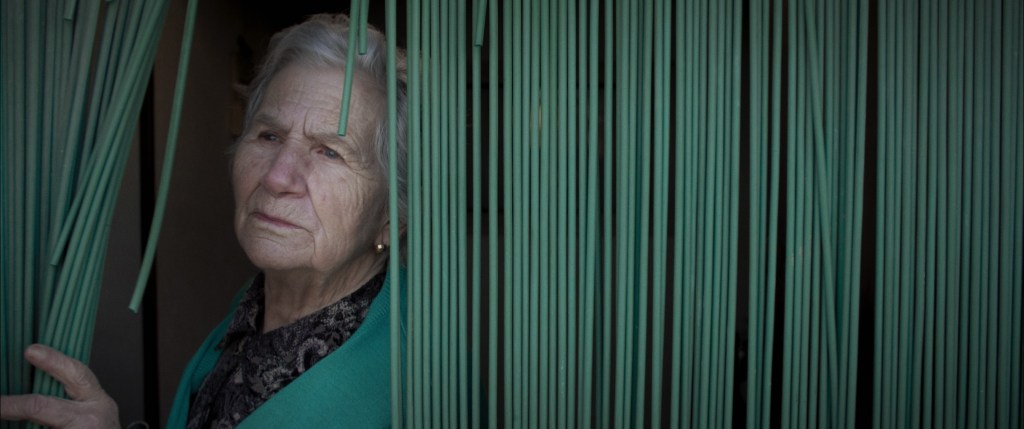
Life in modern Nepal circles around caste, poverty, gender roles, rural-urban divide, migration, isolation. All of these manifest in the lives of our film’s protagonists – Ratima and Kalima. They have little material wealth, they are on the fringes of society, and they are still referred as the co-wives of the same man. From the outside it seems like they are doomed to a life of isolation and drudgery – a life typical of the mountain folk. Yet, upon close inspection, we saw that Ratima and Kalima are not simply victims but are trying to live their lives in the most dignified way.
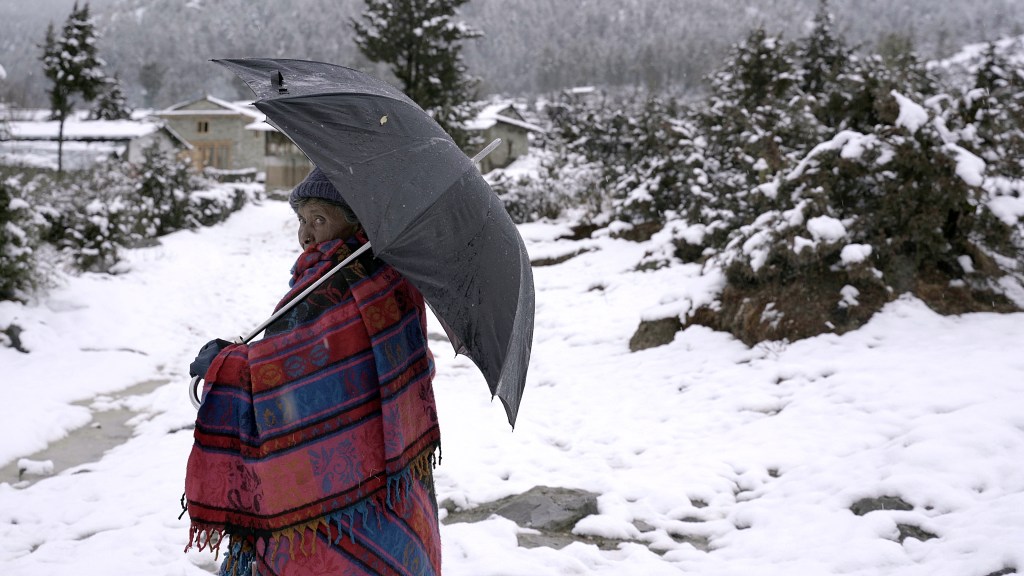
In the fate of Ratima and Kalima, we also saw a close parallel to the defining phenomenon of life in Nepal today: migration. All over the country, as people move to the city and then to foreign countries, it is often the children, the wives, and the parents that are left at home – forced instantly to be self-sufficient and heads of families. This sudden change of roles makes people vulnerable and empowered at the same time, making unprecedented, irrevocable changes to family life.
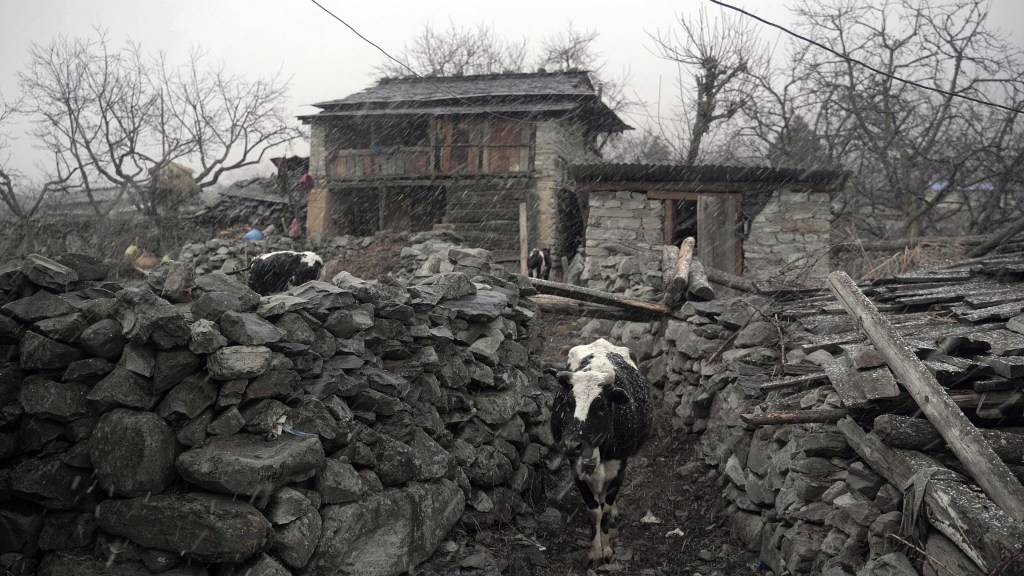
Also, as populations all over the world age, the struggles of old people is bound to be a central issue in the years to come. Nations like Nepal will be mass contributors to the supply of cheap migrants to economic powerhouses, while the elderly population remain kept on the earnings of faraway workers, their problems compounded by the migration of their young. Like Ratima and Kalima, they will inhabit ghost villages, they will guard empty houses, fulfilling their roles as the last keepers of a social unit – the joint family – that not only kept society alive but also functioned as kindergarten and age care at the same time.
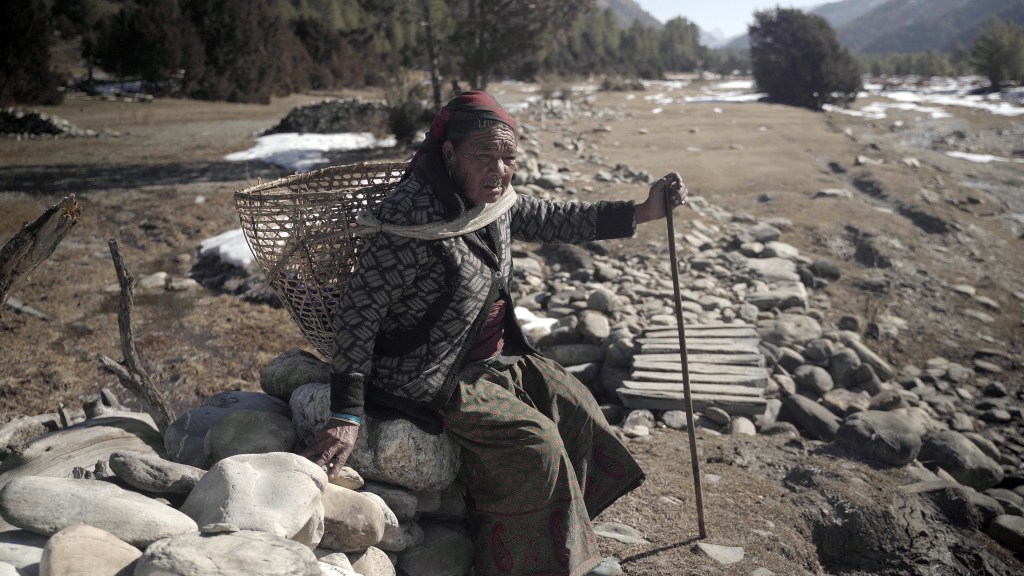
Throughout history, the world has grappled with conflicts, wars, migration, poverty, sometimes even a pandemic. Even in the midst of such extremities, the tenacity of human beings drives them to constantly seek out opportunities to better their lives. But what meaning did Ratima and Kalima find in staying back in their ghost village? What were they looking for by performing this unenviable job of taking care of locked houses? Why not go and live in warmer parts like everyone else? Why prefer loneliness during the twilight of life?
In the story of these two ageing widows, themselves needing support but forced to become the reluctant guardians of their village, futility and woe seem to be the pervasive motifs. Yet, the gloom of winter, as terrible as it is, lets Ratima and Kalima – for a hundred days – become valuable members of their society. They work towards the security of their community and get paid for doing so. They get to continue their way of life, they lead by example. As the village empties itself on the onset of winter, Ratima and Kalima, staying behind, seem to be saying, we will contribute, we are still relevant, we are dignified human beings.

















Leave a Reply