
Francesca Scalisi – Director’s Intentions
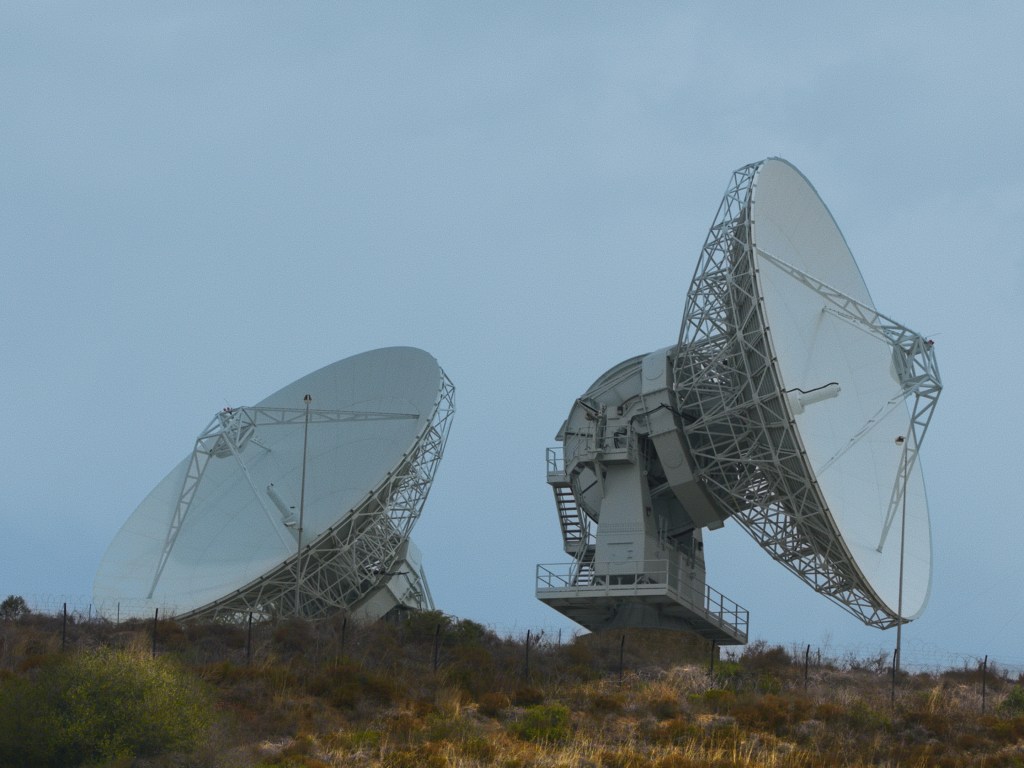
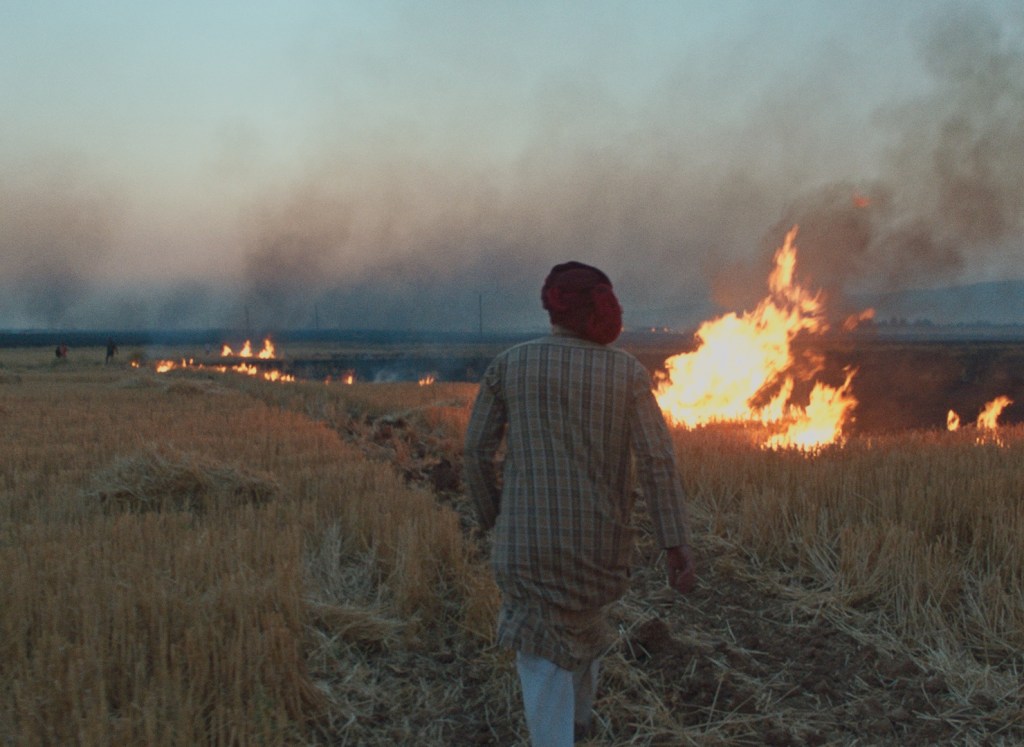
I got to know Niscemi, its people and the MUOSters that besiege it, some time ago. I was immediately impressed by it, and I thought of making a documentary out of this experience. In fact, the film was born from the question of how it is possible to live in a place destroyed by arson, open-air dumps, intensive cultivation, foreign armies and what they inevitably bring with them.
Gesualdo Bufalino wrote:
There isn’t just one Sicily, there are many of them. Its destiny through the centuries was to act as a hinge between grand western culture and the temptations of the desert and the sun, between reason and magic, tempering sentiment and the heat of passions”. […] Certainly for those born there the joy of feeling seated on the navel of the world lasts little, soon succeeded by the suffering of not knowing how to untangle, among a thousand curves and intertwining of blood, the thread of one’s destiny.
However, Goethe wrote:
To have seen Italy without having seen Sicily is not to have seen Italy at all, for Sicily is the clue to everything.
And the key to everything, as Sciascia said, lies in the contrast between the beauty of the places and the resignation, the loneliness, and the rebellious nature of its people.
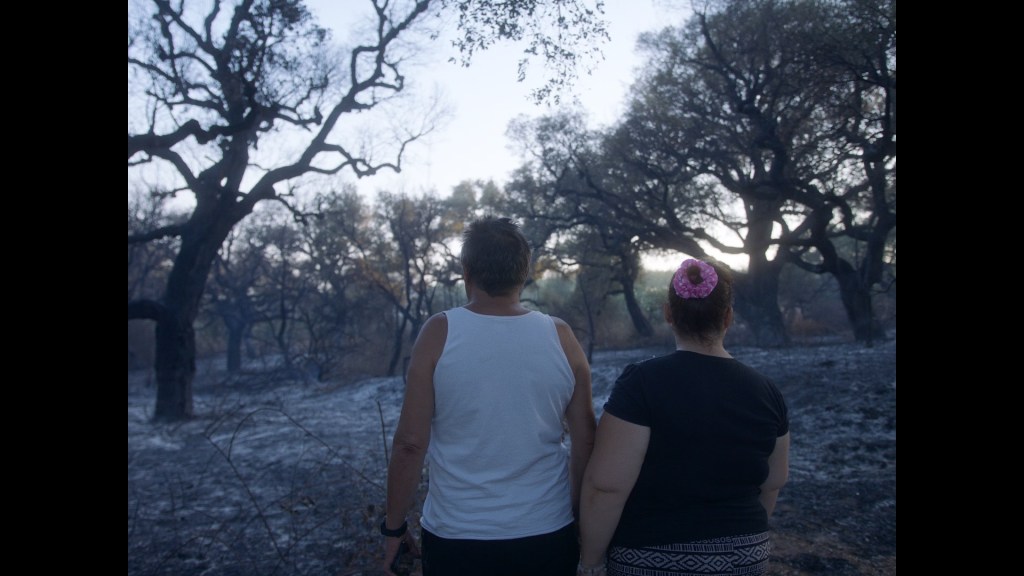
So, I ask myself: Where is this beauty? If resignation and loneliness are evident in this rebellious, disorganised, scrappy, poor, abused, exploited Sicily, beauty has seemingly disappeared. So where can it be found? How can one live in this situation without being engulfed in feelings of resignation? or becoming complicit? Is this the fate Bufalino speaks of? Or maybe there can be a glimmer of hope, an opportunity for redemption.
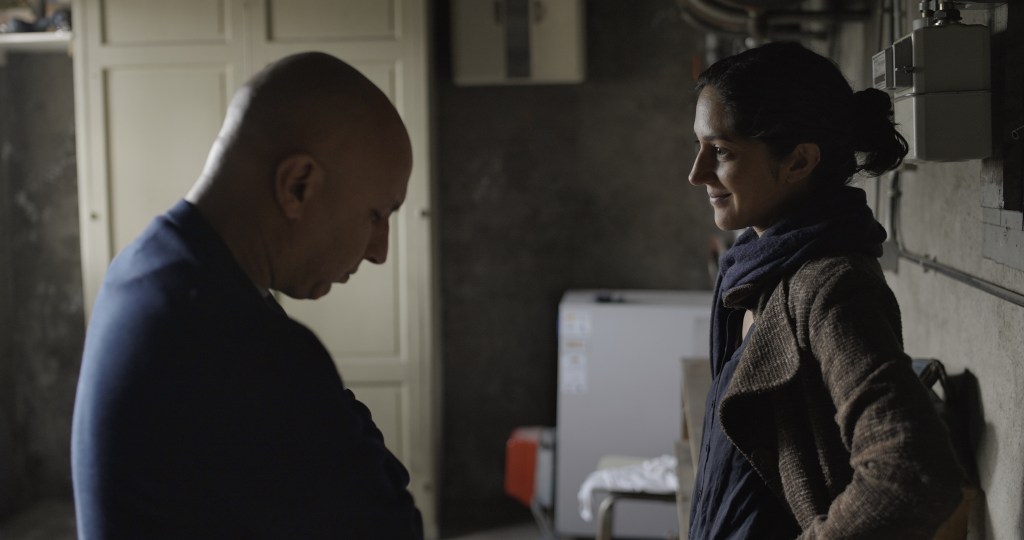
I found an answer in the Terranova family. They’re not only contending with the MUOSters around them daily, but they also make their condition more livable. Their acts, their gestures speak of love, beauty and perhaps who knows even a kind of rebellion. The story is rooted in a rough and tangible reality that nevertheless reveals unexpected beauty.
In these last few years of crisis and depression, a period marked by both social and personal trauma due to my brother’s death, I have matured the need to tell stories that contain within them that seed of awe and wonder at the world around us. I’ve always endeavored to find the most appropriate language to precisely recount the story I find most touching, freed from any dogma.
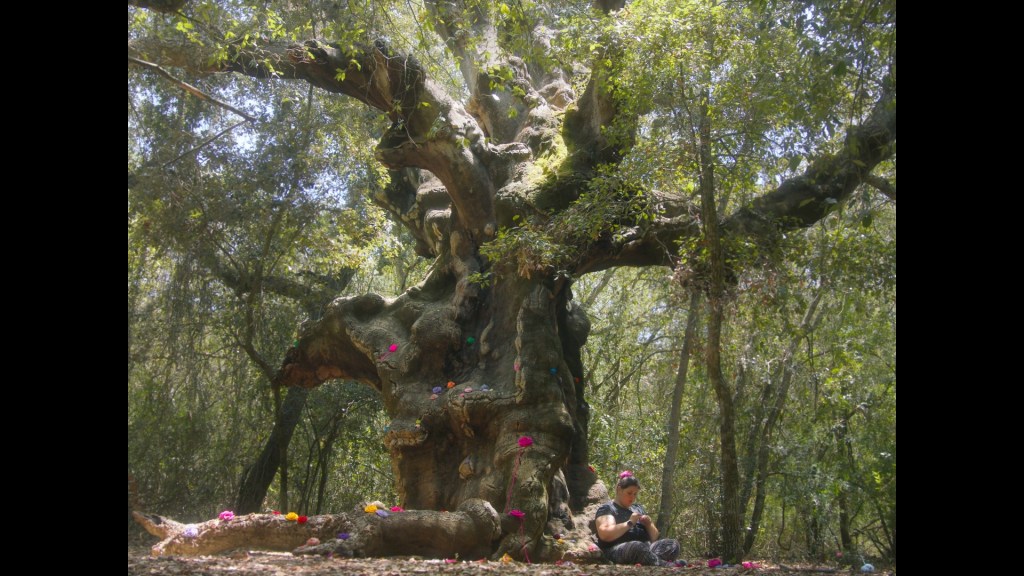
In this case, in fact, the urgency of depicting the complexity of the territory through observation is intertwined with the fantasy of storytelling. Starting with the family’s daily routine – such as Salvatore’s care of succulents or Valentina’s manic creation of wool roses and total love for cork trees -, I introduced «breaths» of fiction such as the crocheted flower decorations on her father’s barren plants. These «dreamlike» scenes, exist for themself, like sequential paintings creating real ellipsis.
I chose a 4/3 format to give Valentina and her family a framework that allow them to become protagonists not only of the story but also of the image. Moreover, the immense thousand-year-old cork trees and dangerous antennas, both of which soar skyward, are prominently featured in the aforementioned 4/3 format. The images are static, and the only movements are that of the characters toward the camera, as if to emphasise stasis, waiting and often helplessness in the face of these MUOSters, but within this stasis, thanks to the frequent use of macros peering and investigating, movement, life, illness, change, and breath will be perceived. The MUOS remains in the background of the story, but its presence is visible thanks to the frequent analogies between flow, nature and antennas, which creates visual pauses in the narrative, as will the other MUOSters (the fire, decay, and intensive agriculture).
The sound is very important because it is the element which allows the audience to perceive the danger of the electromagnetic waves in opposition to the peace of the sound of the Nature, of the breath of the trees. Lastly, synthetic minimalist music serves to anticipate and evoke the emotions of the characters, thus allowing a double reading: a more factual one based on images contrasted with the more evocative anticipatory sound.














 True Story Blog
Leave a comment