
Interview with director Oksana Karpovych, by Sevara Pan
Could you talk about the genesis of the documentary?
When the full-scale invasion began in 2022, I was in Ukraine and decided to stay there as long as I could, as long as it was possible. But then I felt it was not enough for me just to be in Ukraine. I was looking for a way to be useful, but I was not able to at the time. I was in too much shock and pain, and I was overwhelmed and lost. The reality changed. The world turned upside down in a split second, and it was too overwhelming and unclear how to portray the reality that I was witnessing, so I did not start filming or documenting the events in those early days. And then by chance, I started working as a local producer with Al Jazeera English reporters in the Kyiv region and other areas, reporting daily on the development of the events, the escalation of violence, and the war crimes. I spent six weeks working with the Al Jazeera team, which was an unusual experience for me. I had never worked as a local producer with the reporters before, and I learned a lot from the journalist and the producer with whom I worked. While working with them I had to spend hours at times just observing what was happening around me. I would wait for the reporters to go live from a place where an attack just happened, for instance. So while I was waiting quietly, I was observing what was unfolding around me. In the evenings after work, I would listen to the intercepted phone calls that the Security Service of Ukraine was actively publishing, and what I was hearing was absolutely mind-boggling to me. It felt so agonising to go from one reality that I was witnessing during the day, the havoc and the war crimes that were being perpetrated, and then go into another reality and hear the voices and conversations of the Russian soldiers. That clash was shocking because it was absolutely absurd. And it gave me this constant, nagging feeling of cognitive dissonance. So basically this became the idea for the film ‘Intercepted’, which I pitched to Les Films Cosmos, with whom we were already collaborating at the time on another project. They supported the idea, and in a month we started developing the project.
Sound and images usually work in concert with one another, and in your film, they tell shockingly separate stories, creating these parallel worlds. Could you talk about the juxtaposition of these two realities and how you built the film’s narrative?
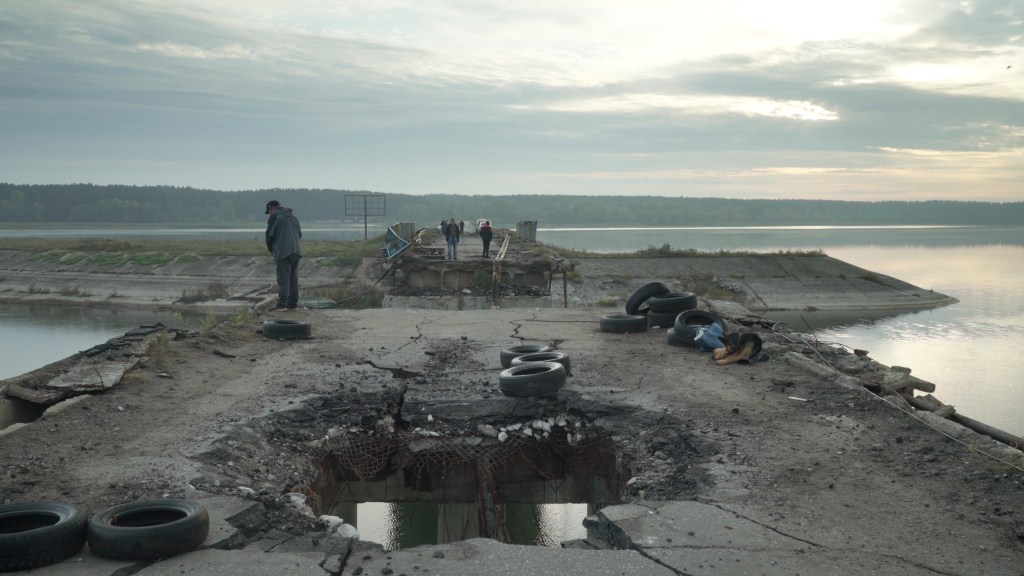
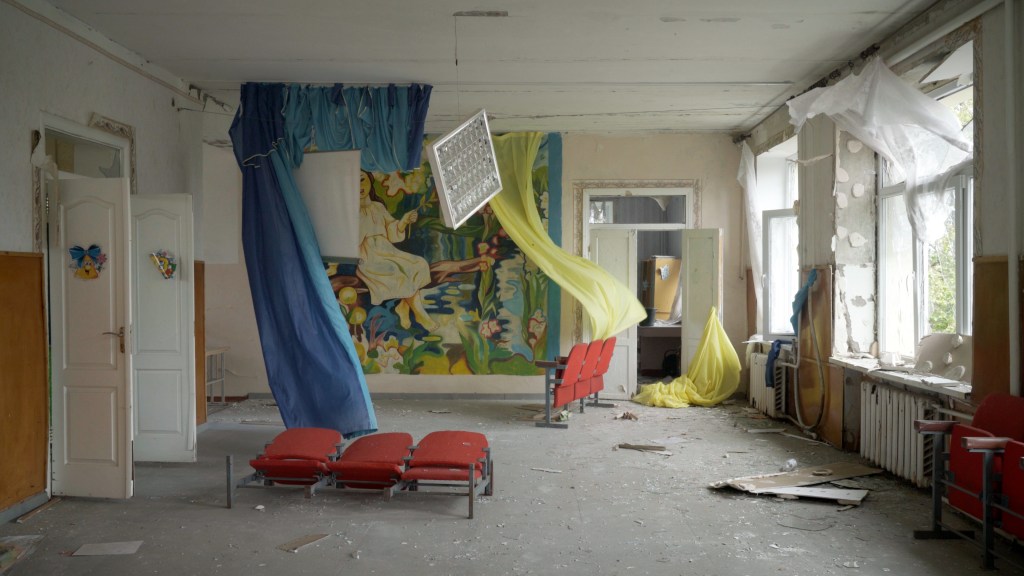
From the onset, I knew that I wanted to create my own images. This was also the case because I had a strong feeling that the images I was seeing in the news and on social media were not fully representing my lived experience as a person in Ukraine. There was something missing in that portrayal, and I wanted to create my own images that would be faithful to my experience and the experience of my loved ones and my people. So that is how this decision came about.
When we started actively researching for the film, I had not yet listened to all of the audio material. I had only listened to some of it. I had an idea what those phone conversations were about, and I knew what piqued my interest, but I had yet to work out how they would be connected to the images. However, I was certain that I did not want them to illustrate directly what the Russian soldiers and their families were saying. So it was a process of going on two parallel journeys.
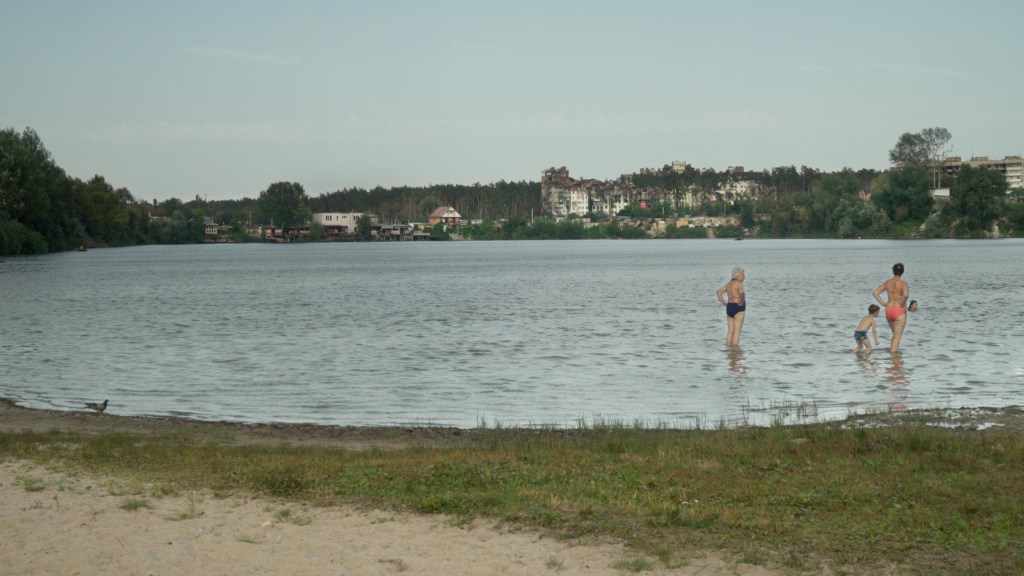
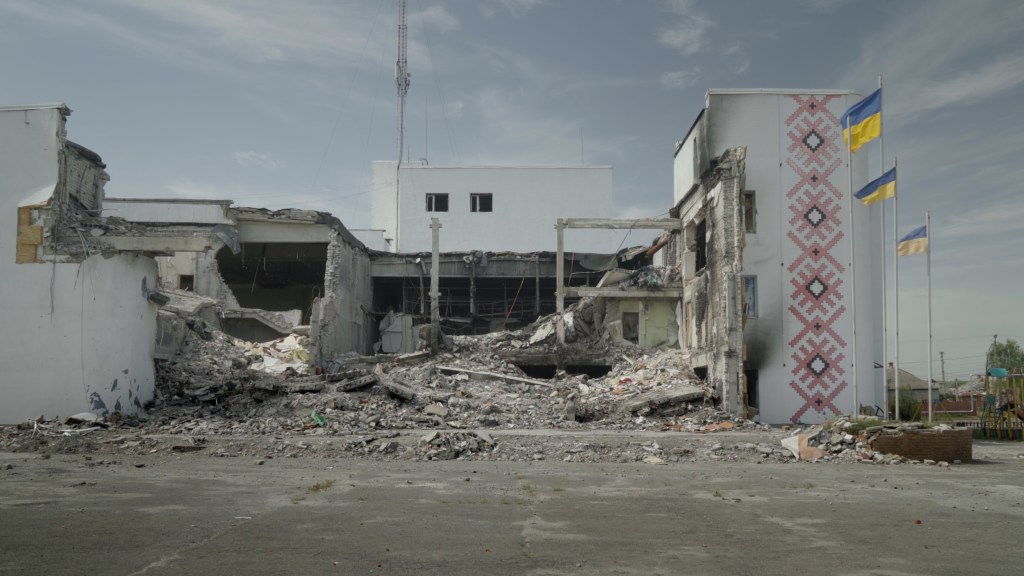
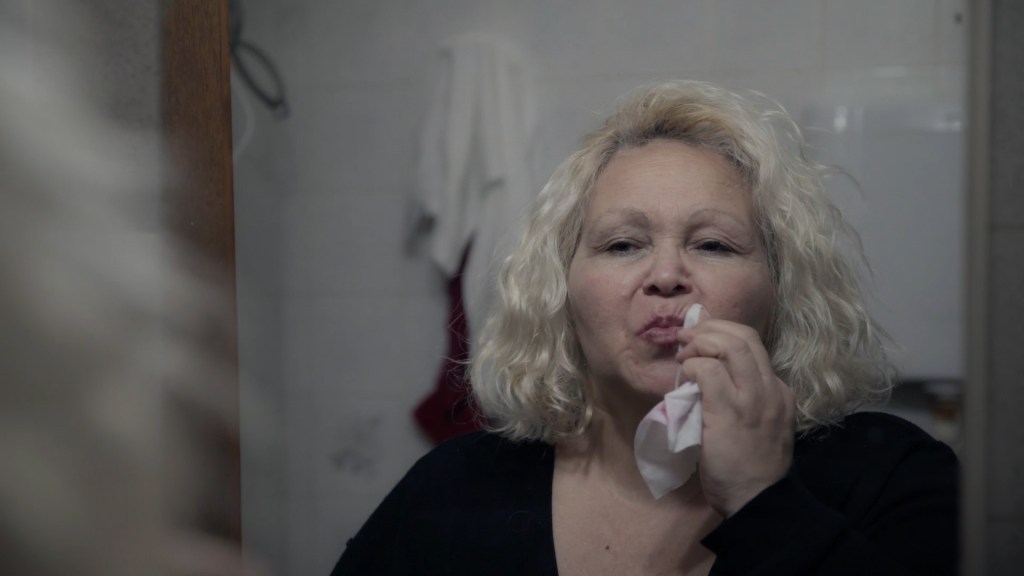
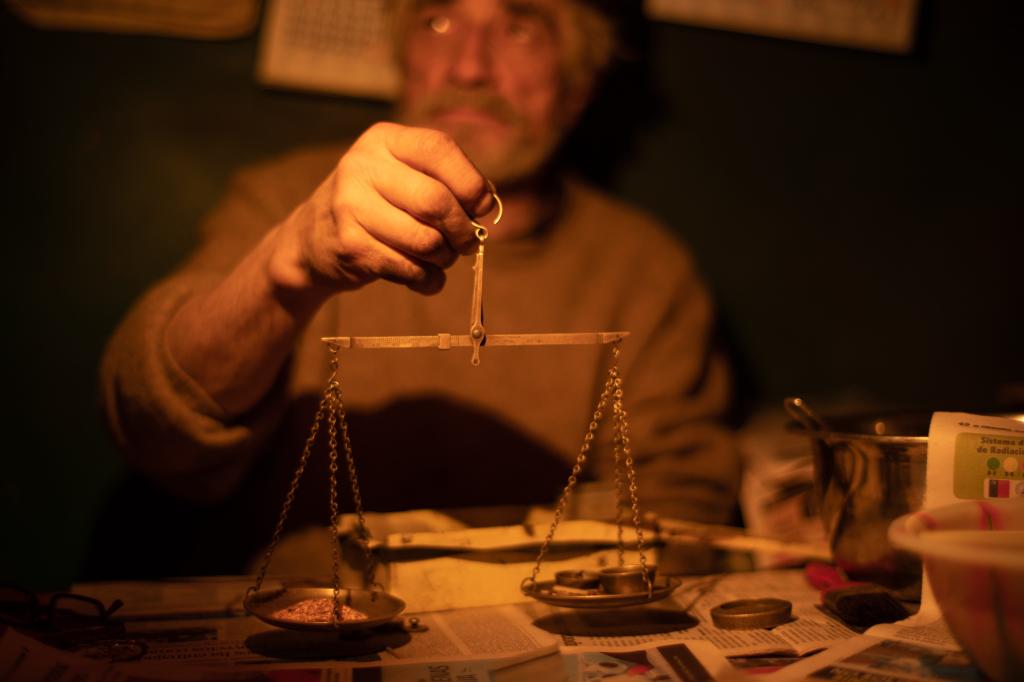
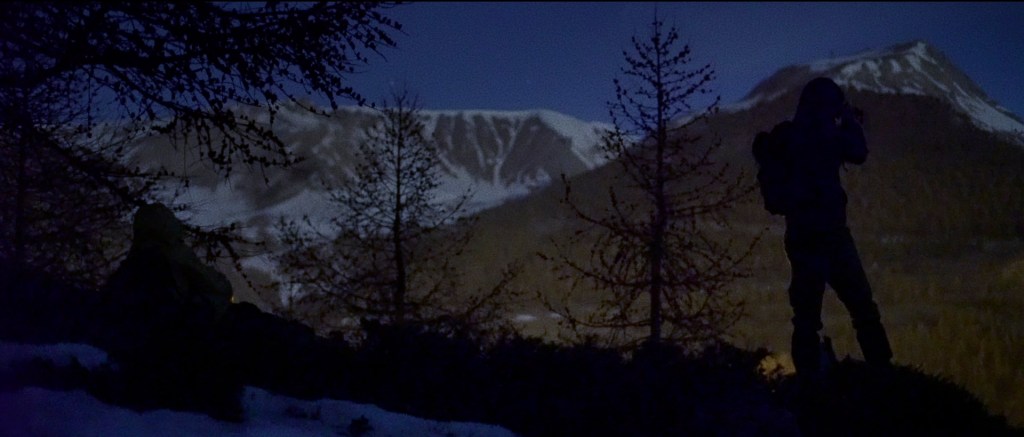
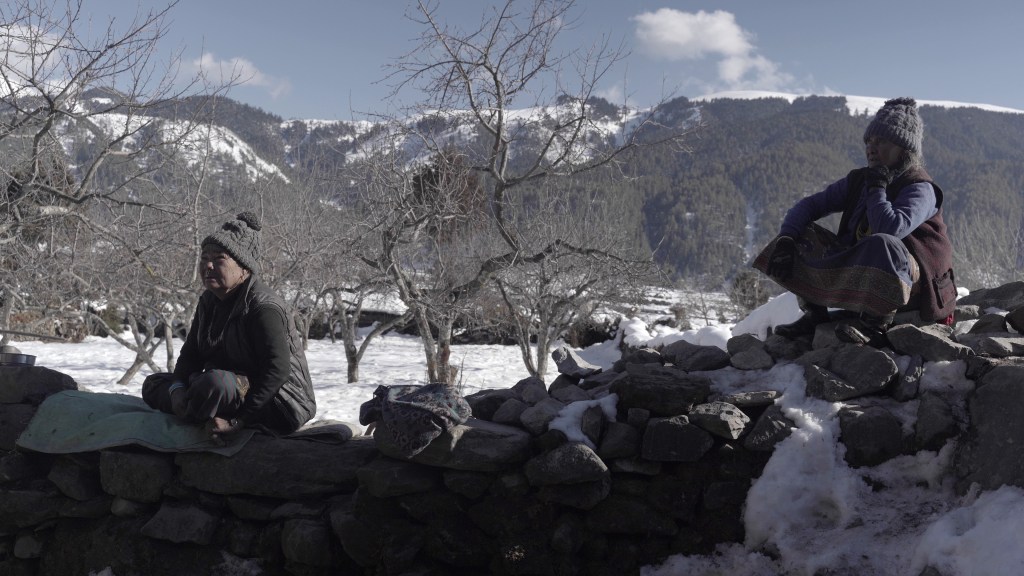
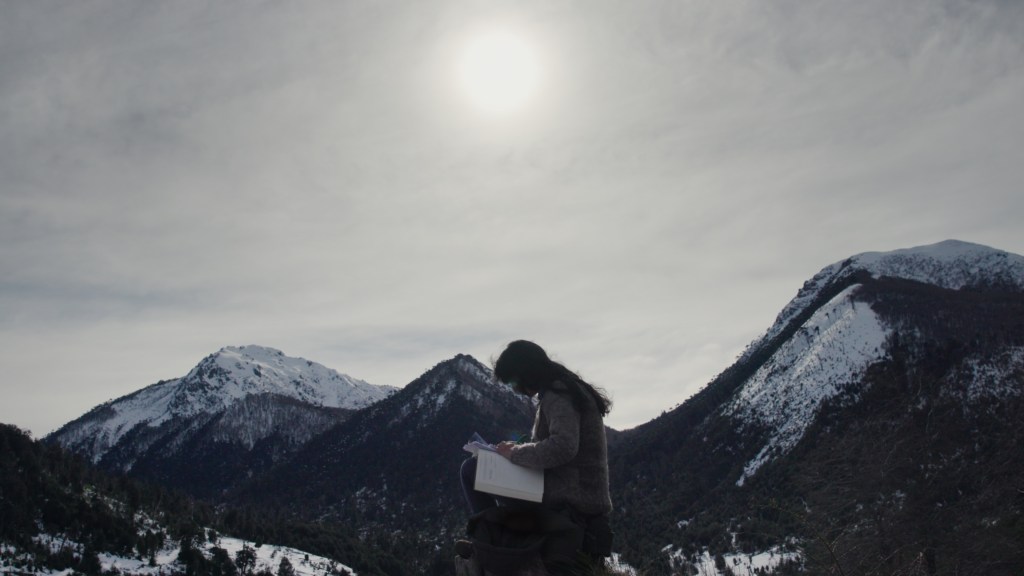
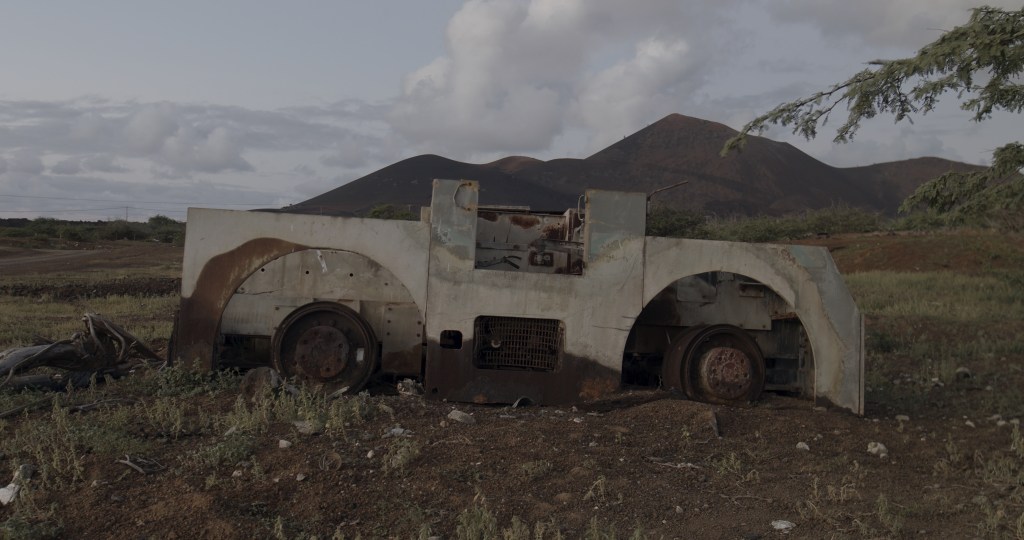
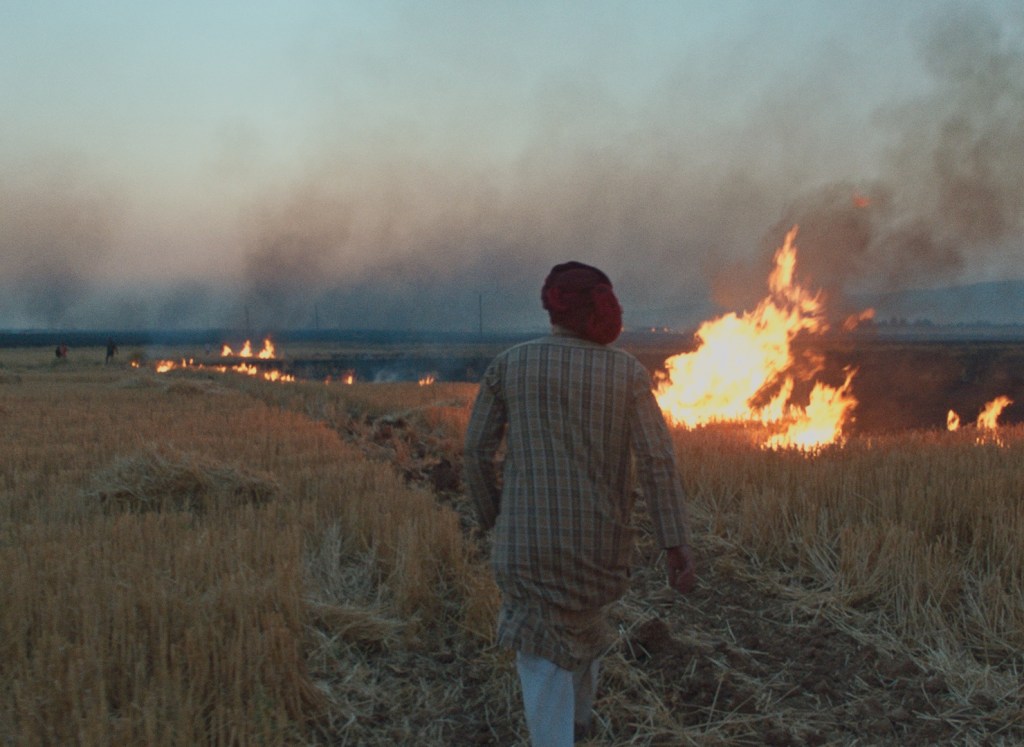
We were improvising a lot during the filming, but we always kept in mind that the images would be the backdrop of what we would hear off screen. The one thing that we really wanted these images to convey was this dreadful, uneasy sense of time being suspended and the quietness of the war, which people watching the news do not always know about, the quietness that contains so much tension that is impossible to bear sometimes, and I think that is what really drove the core idea behind our visuals.
How did you go about the selection of the intercepted phone calls?
It was a complicated process, of course. There was a massive amount of audio material. I worked with approximately 31 hours of audio. The audio material that I worked with were edits, fragments of the phone conversations, which often did not have a beginning or end; you just hear the middle of the conversations. So the idea was to create some continuity in the film and build a narrative from these little fragments, with each one complementing another and coalescing in the end to tell one single story, one single journey. So this was an intricate process, and there were tonnes of possibilities and directions which we could have taken with the editor. I felt as if from those fragments and multiple voices, we tell a story of one soldier. It is an allegory of a Russian soldier. I wanted this journey to have an arc, and while I had an idea what the beginning and end would be, I needed to discover everything in between, so I spent months listening to the audio material.
I was also interested in the conversations that the men had with the women. I quickly realised that they were one of the richest materials we had. There was something really particular about the conversations when the Russian soldiers phoned their mothers, wives, and girlfriends. I felt that the soldiers opened up more with the women, and their conversations were more intimate. This was important to me because it was showing their human side, and I wanted to explore that humanity and how these people get dehumanised and demoralised. We had a lot of that material because most of the time these soldiers called the women.
The sound design creates a haunting, frightening atmosphere that lingers on long after the credits roll. Could you talk about the sound design in the film?
The juxtaposition of the audio and the startlingly quiet images holds a lot of tension. When we started working with Alex Lane on sound design, I expressed that I wanted topreserve that tension and reinforce it. I think there is so much tension already in what we experience in the film. Extra elements would be excessive. Sometimes I find that music or sound are decorative in a documentary film, and when they are overused, they become superfluous elements. I wanted Alex to just amplify the natural tension that the film already had within that juxtaposition of images and sound. One of the key ideas behind the sound design was to underline this uneasy quietness of war, captured in the images, and we wanted to maintain it throughout the film and let the viewer hear it.
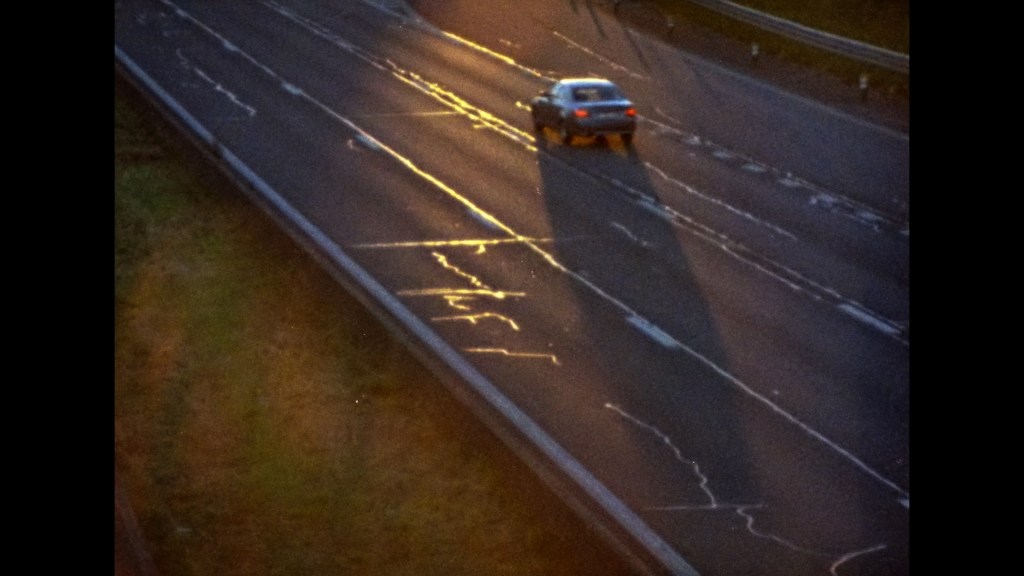
One of the gripping elements in the film are those road sequences. From early on, I knew that they would have a different sound treatment than the rest of the film. I wanted to make them look and sound different. So that is when we ventured into exploring and testing different things. We also collaborated with talented electronic musician from Kyiv Olesya Onykiienko, and she created the music that we partly used in the film – in those road sequences and over the end credits of the film. I think that also helped create the universe of the film.
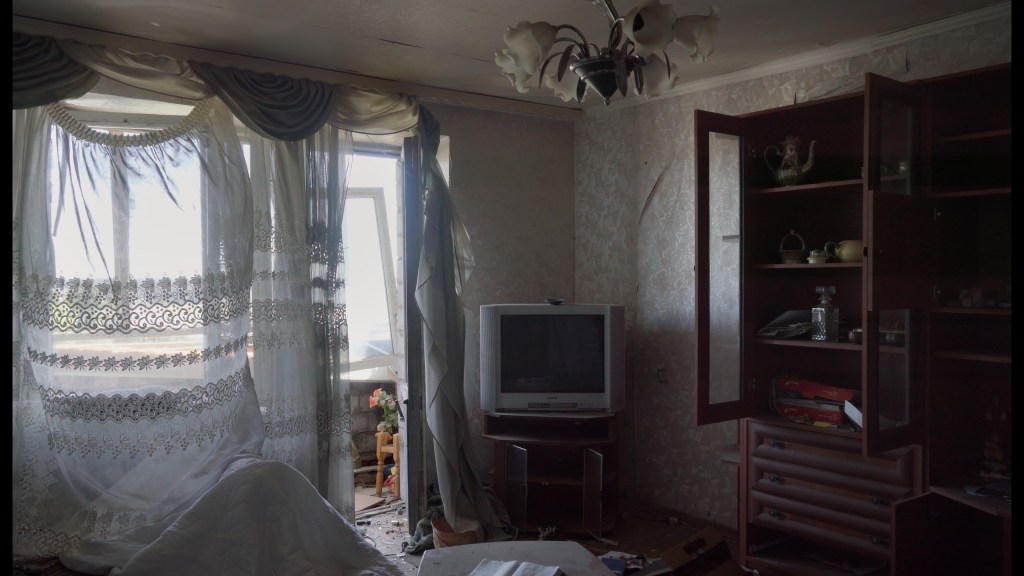
The camera takes the viewer across Ukraine, following the trail of destruction left in the wake of war. Could you talk about the geography of your movement?
The actual process of filming was precarious because the war in itself is chaotic. We were filming in the country at war and going to places where fighting was near. Even if one has clear plans, it would not be possible to stick closely to them, because the war is a complete mayhem, and there is nothing one can really plan. You live day by day, and you know that everything can change the next day. So it was complicated and tricky, and we had to take into account many things before going into places, such as our safety.
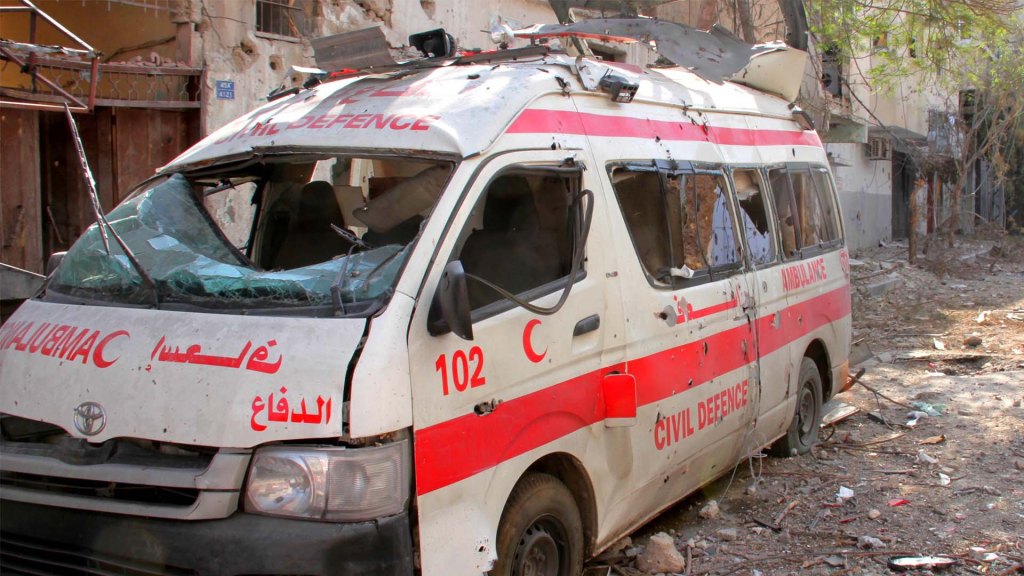
Nevertheless, there is a sense of geographical movement within the film, generally speaking, going from the north to the south and to the east. The film starts in the Kyiv region, which lies more in the north of the country. We filmed the aftermath of the occupation there, some five months after the de-occupation. Then we moved towards the south and the east, where the fighting was much more active, it was closer to the frontline, and the Ukrainian people there lived under constant attacks. And then towards the end of the film, we are in the east, and what we witness is the liberation of the Kharkiv region. So there is a sense of movement that charts the trajectory of the invasion that we observe in the film. On the one hand, it is important for history to understand that trajectory. On the other hand, I do not think it is critical for the audience to know where they are geographically at a given point in time, because at the end of the day, the whole Ukraine is being invaded, with the frontline moving daily and things changing quickly. I reckon what really matters is to understand that experience of living.
Could you talk about the security measures during filming?
We were not filming at the frontline. We were trying to keep some distance. Unfortunately, we were not always safe and were still in places where we could possibly be killed any time. And we did not have a dedicated person in the crew who would take care of the security measures for us, so we had to stay very vigilant about what was going on, observe and listen closely to ourselves, our instincts and knowledge. We also had a local producer with us, no matter where we went. Since we filmed a lot in Kharkiv and the Kharkiv region, we worked with Artem Fysun, a military volunteer. Military volunteers help the Ukrainian military as they regularly go to the frontline and deliver the necessary supplies and equipment. We were lucky to work with Artem as he had a lot of experience and had been volunteering since the Russian invasion in 2014. Artem comes from Kharkiv and knows the region very well, so I trusted his experience and expertise and often listened to what he would say.
We have talked about the intercepted phone calls, which are very revealing. What did they reveal to you personally?
What they reveal is complex, and I think it is such a rich material that one could study. I would say that the first thing they reveal is that this invasion is clearly of an imperialist nature. The intercepted phone calls reveal a lot about the Russian state, which is the imperialist state, which is like a monster that needs to expand to exist, it needs to grab to exist. I think the intercepted phone calls, and the fragments that are in the film, demonstrate this very well.
Of course, we could elaborate on the nature of this imperialist invasion and some of its elements, which we observe in the intercepted phone calls. One of the elements that lies on the surface is looting. And that is what the big chunk of the film talks about – looting. We see how one of the first things the Russian soldiers did once they got into Ukraine was looting. They stole in copious amounts, and the variety of goods they stole was astonishing. That is one of the first things that signifies to us that this invasion is of an imperialist nature. The soldiers were permitted to do this by their commanders. This was encouraged by the higher echelons in the army and/or the government. And I think it speaks volumes about Russia.
They also reveal a striking absence of empathy on the receiving end of these phone calls. In all the hours of the audio material that I listened to, I think I only encountered one or two conversations where the people showed some glimpses of empathy towards the people they violated and whose lives they destroyed. And those glimpses would come from the soldiers, perhaps after seeing the truth first-hand, rather than the families they phoned. It evidences just how far-reaching and powerful Russian propaganda is, so powerful that in a way it becomes even more dehumanising than the war itself.
*not available Canada, France, Ukraine, USA











Leave a comment