
Director’s Statement – Paula Rodríguez Sickert
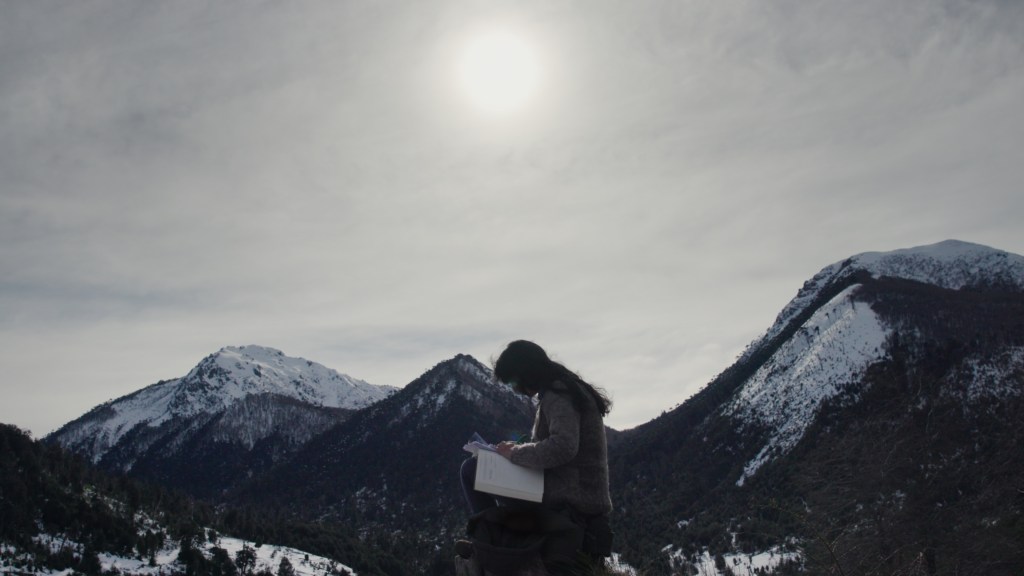
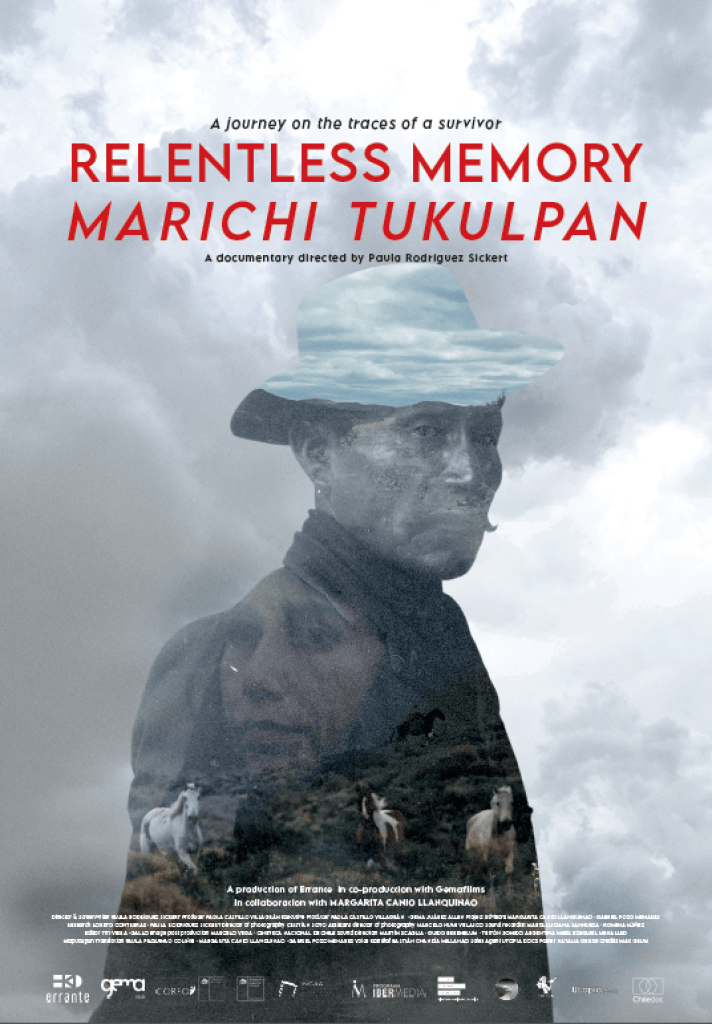
I found by chance the work of Margarita Canio and Gabriel Pozo, in the unpublished materials of ethnologist Robert Lehmann-Nitsche: the discovery of surprising testimonies of survivors of the wars of the ‘Occupation of the Araucania’, in Chile and the ‘Desert Campaign’, in Argentina.
Material that had remained untranslated, unpublished, in a museum in Berlin for over a hundred years. The very story of the discovery of the archives was already fascinating.
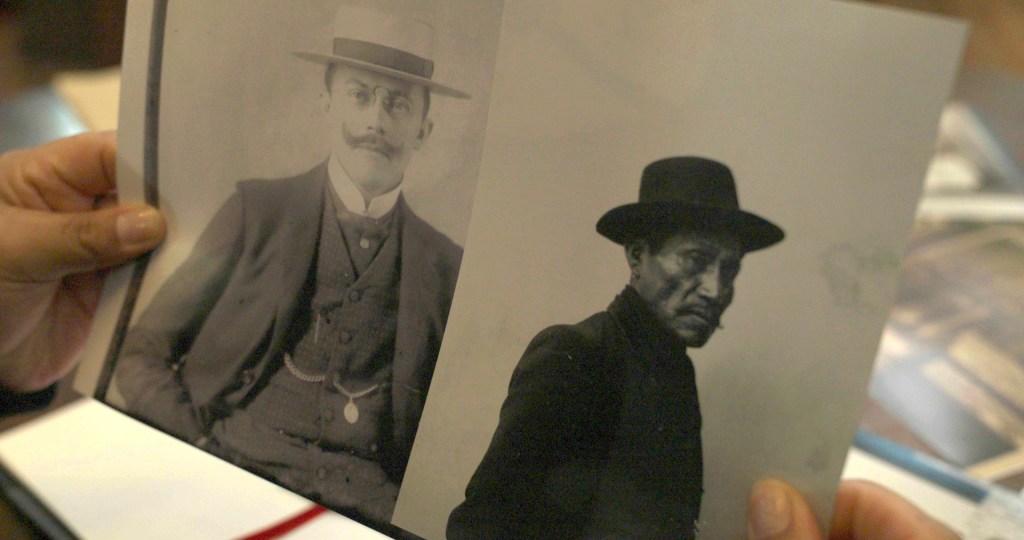
Reading the testimonies, listening to the audios and seeing the photographs of these survivors was tremendously moving and I immediately felt that I had to rescue the testimonies of the survivors collected in the Lehmann-Nitsche legacy, in order to reconstruct in an unpublished way one of the darkest and most silenced episodes of the founding history of Chile and Argentina. A historical period where the keys to the current conflict between Chile and Argentina can be found, conflict between the Mapuche people and the Chilean nation-state.
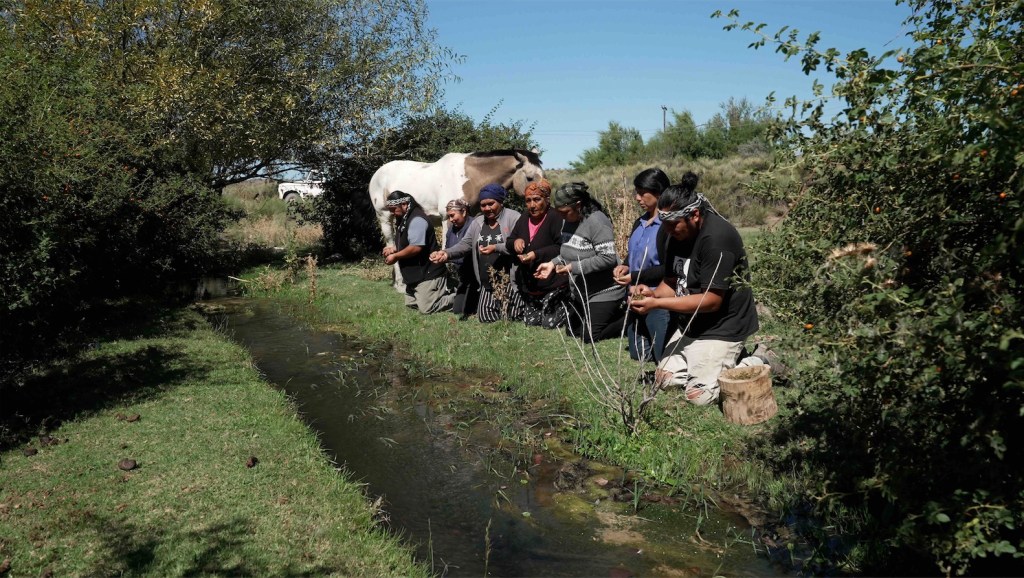
At the same time, I was interested in this project because the history of the archives and the circumstances in which they arise is part of the current debate in Europe about the fate and treatment of colonial objects in European museums. A discussion that opens the possibility of a new look at the events that took place during European colonialism. The fact of having a German family, of having lived in Berlin for 25 years, is what personally motivates me to link a fundamental historical moment for my country, and at the same time, aspects of European colonialism at the end of the 19th century.
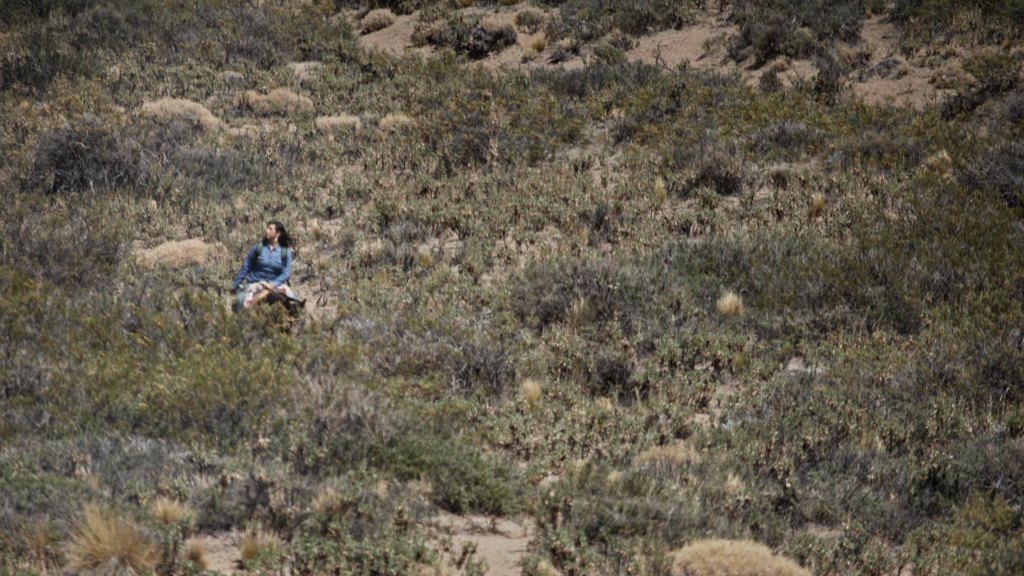
Director-Protagonist Relationship
The film originated thanks to the research and book that Margarita Canio wrote 10 years ago, so Paula Rodriguez and Margarita have known each other since the beginning of the documentary research. Margarita has been a fundamental piece for the development of the film being part of the team, advising Paula from her knowledge of the subject and from her belonging to the Mapuche world. Thanks to the latter, and to the trust created between Margarita and Paula, it was possible to enter spaces that are very difficult to access among the Mapuche people, as well as the intimacy of characters that are not exposed to public media.
Margarita also supervised the translation of the texts that are in Mapuzungún, Mapuche’s mother tongue, and did the voice-over, so she has worked together with Paula and Paola Castillo, during all stages of the development of the film.








Leave a comment