
Filmmaker’s statement: Laurence Lévesque
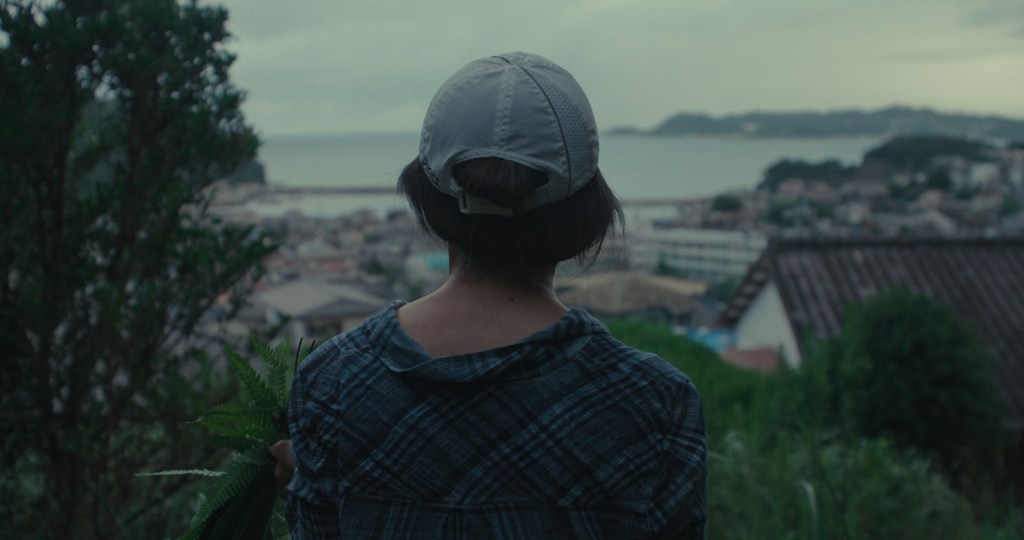
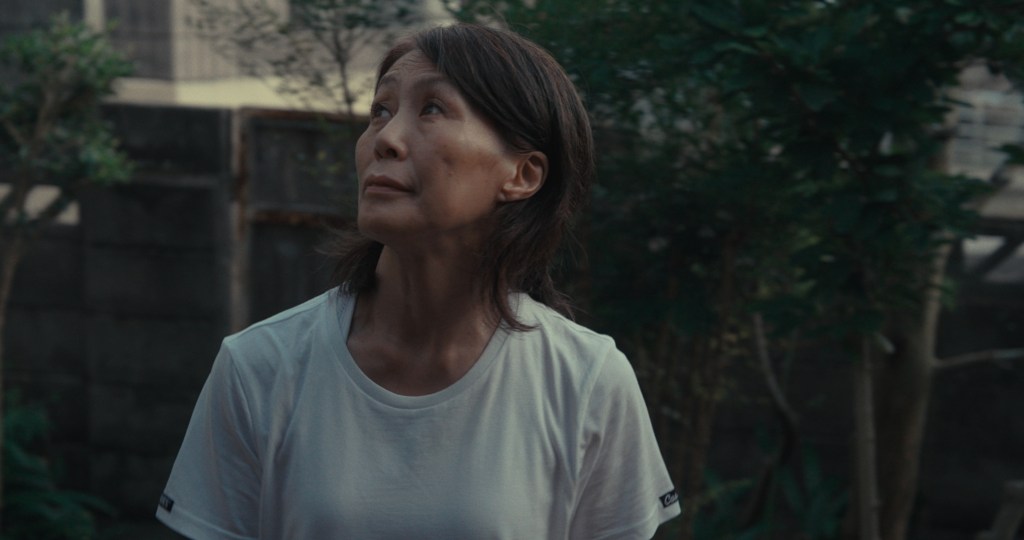
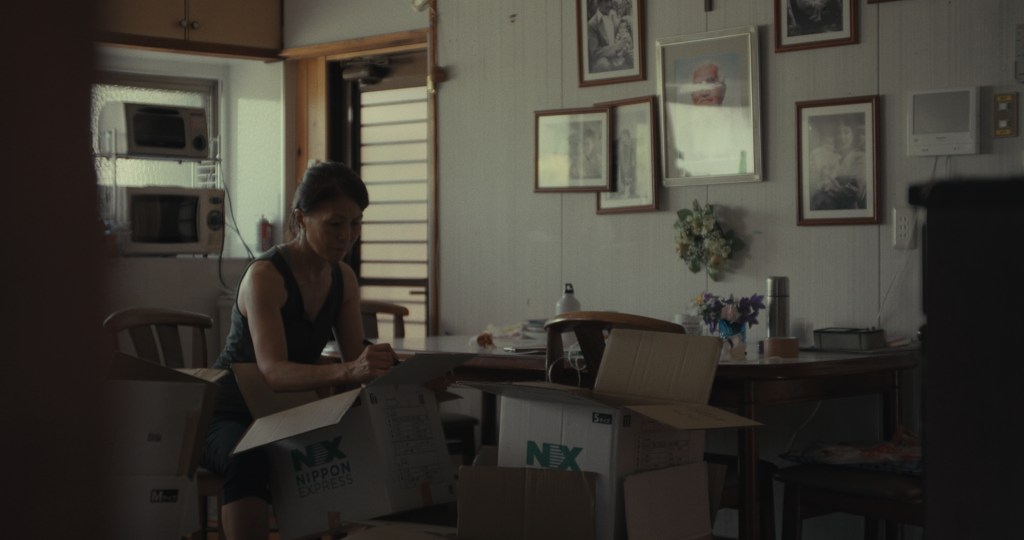
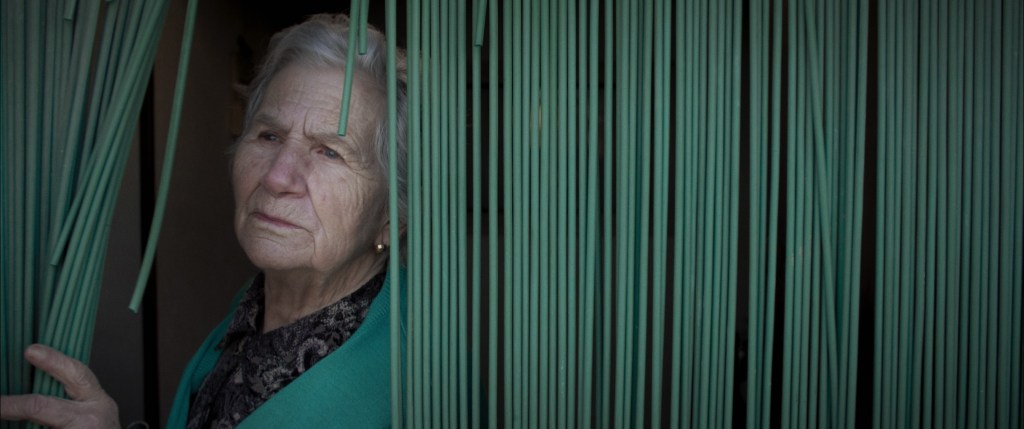
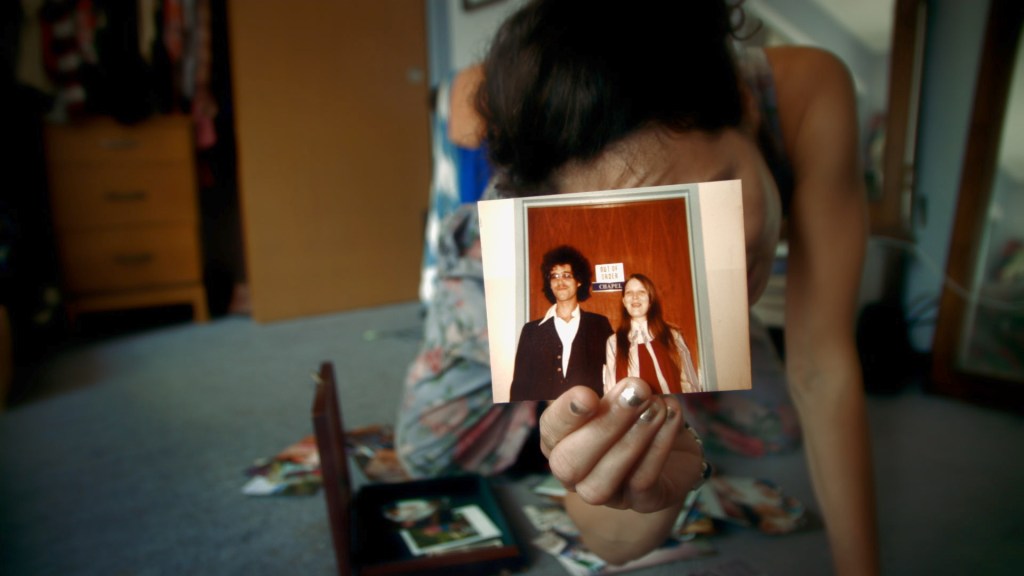
As a filmmaker, it’s the personal journeys of the people I meet that inspire my projects. I want my work to carry the voice of protagonists who, through the impetus that drives them to reach their goal, manage to make their quest a little like ours – that their journey and their questioning touch on what connects us all. My visual and sound themes are inspired by the reality of my protagonists, and my aesthetic choices are rooted in their world. It’s this approach that has enabled me to sensitively follow Noriko’s intimate quest to revive her mother’s memory and strengthen her bond with her homeland. As Noriko is my mother-in- law, I was lucky enough to see her quest take shape before my very eyes, enabling me to build the film in unison with her approach. The film leads us to reflect on the questions that drive the protagonist and to become aware of them at the same pace as she does, moving away from an informative or reproving tone.
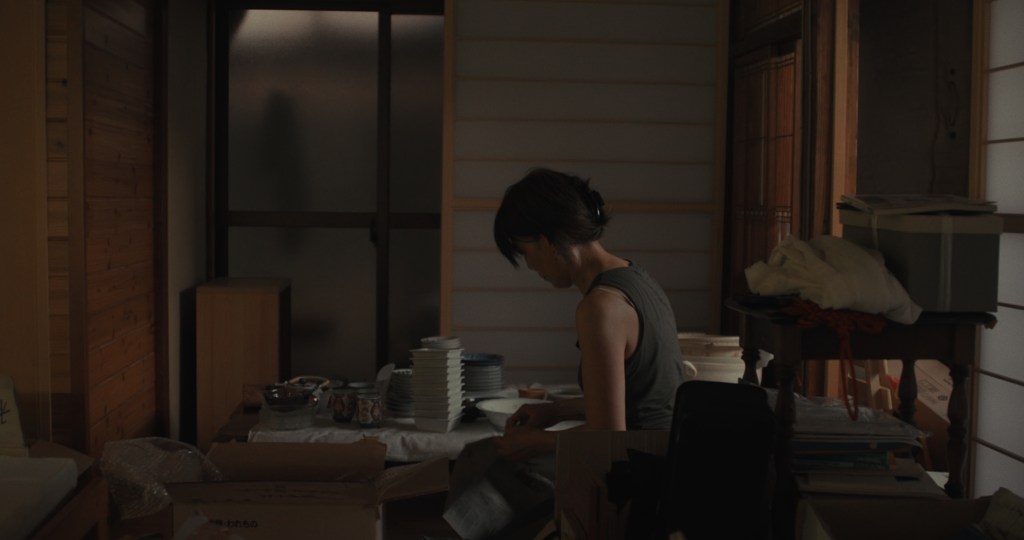
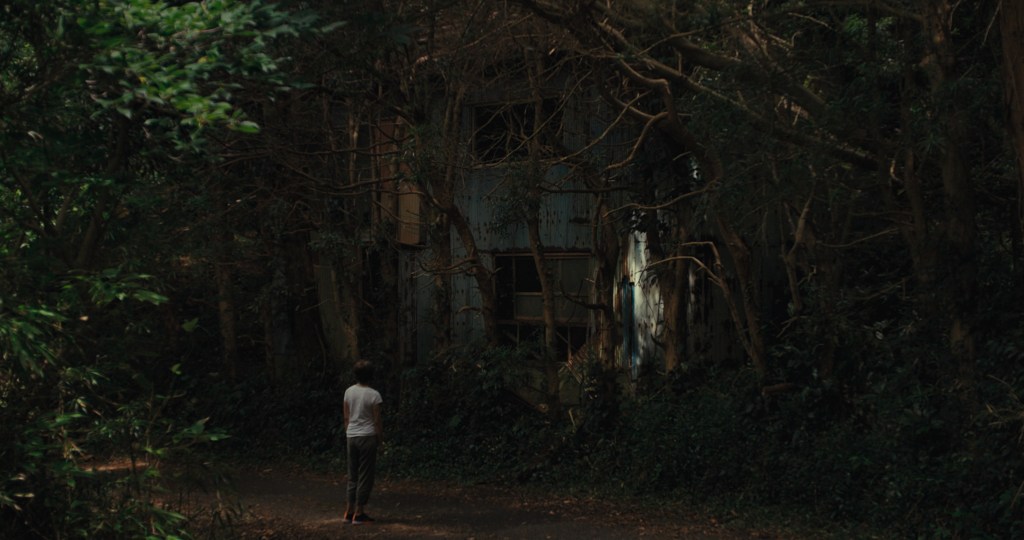
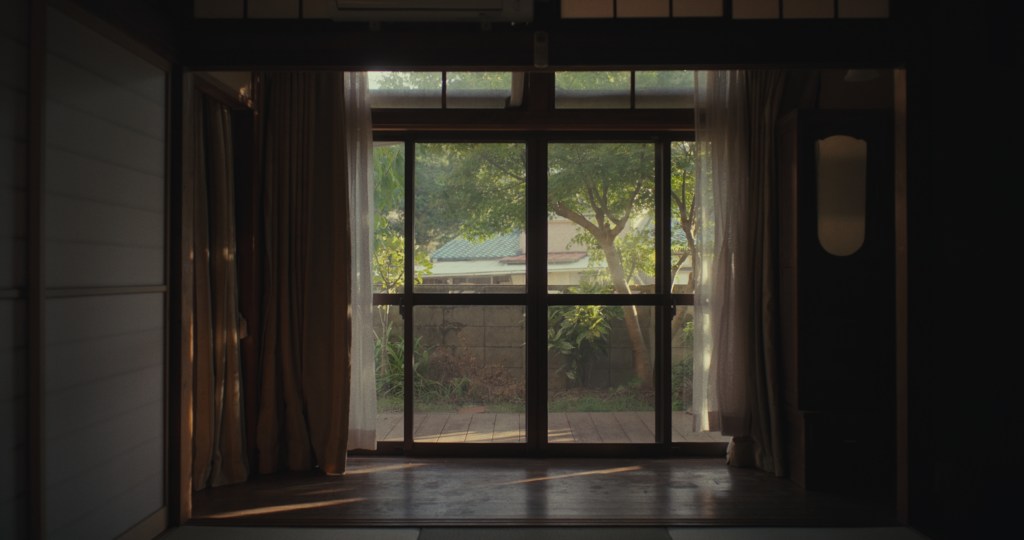
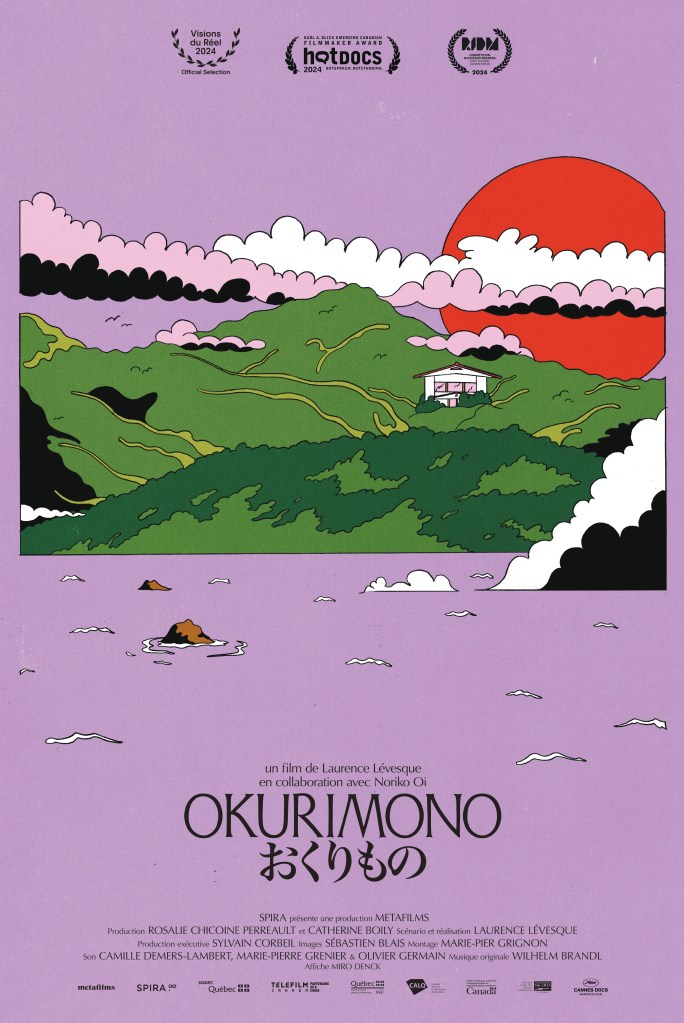
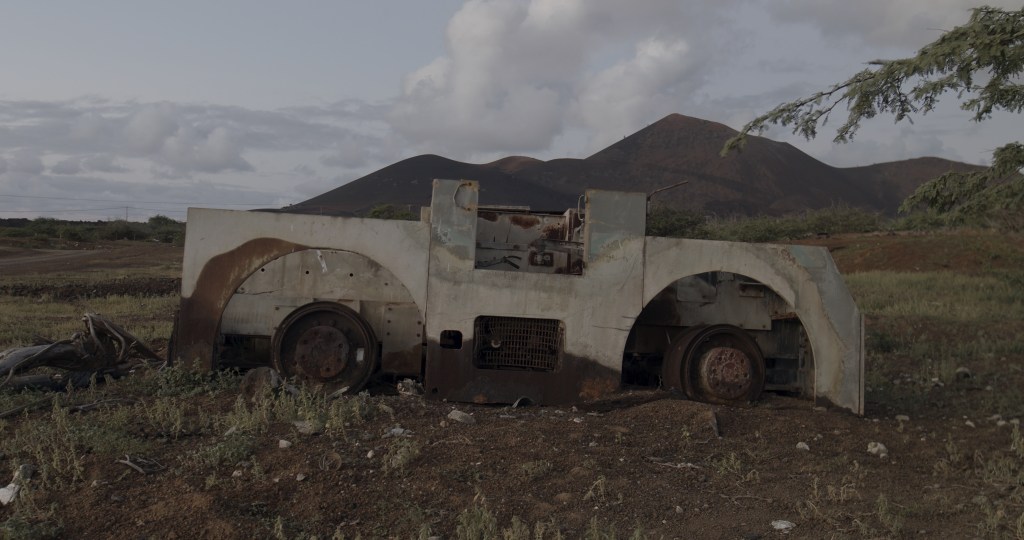
OKURIMONO is intimate and sensitive, on a human scale. The landscapes are full of intimate memories of Noriko’s childhood, but are also bearers of history, timeless witnesses to the horrors of the past. As the film deals with the culture of silence and questions our relationship with memories, I wanted to focus on images of contemporary Japan. By avoiding the use of archival footage, the film settles on nostalgia, reinforcing the sense of urgency to turn an ear to the repressed stories that deserve to be heard.
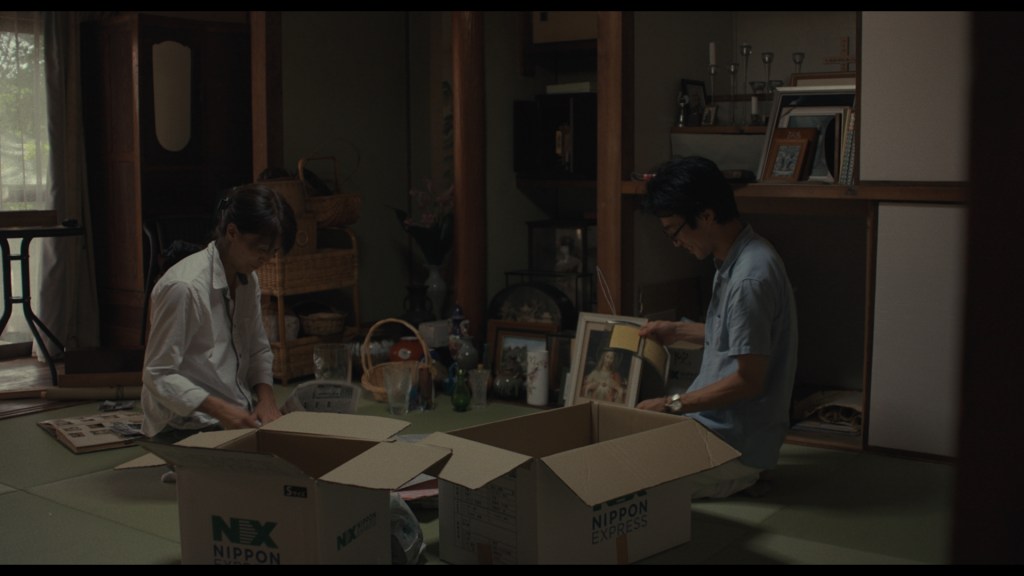
The culture of silence has left its mark on Japanese society: the story of the 1945 bombings has not been passed on to subsequent generations, making human experiences sink into oblivion. As is often the case in great tragedies, we tend to forget that behind the disaster lie individuals who have a face, a voice. By altering the transmission of history, the weight of this culture of silence has not only affected the collective memory, it has also damaged the very integrity of the hibakushas (atomic bomb survivors), literally erasing some of them. Those I’ve been lucky enough to meet have noted with sadness, but above all with determination, the general indifference and ignorance of the new generation. As fewer and fewer of them are still alive, they are driven by an urgent need to express themselves. They want their story to be shared and the vicious circle of silence to be broken. How can we aspire to a better future if we are not aware of the mistakes of the past? This is the strength of Noriko’s quest. By deciding to delve into Mitsuko’s past, Noriko pays tribute not only to her mother, but also to the few remaining survivors, to those who survived but are no longer here to bear witness, and to all those who perished in the explosion.
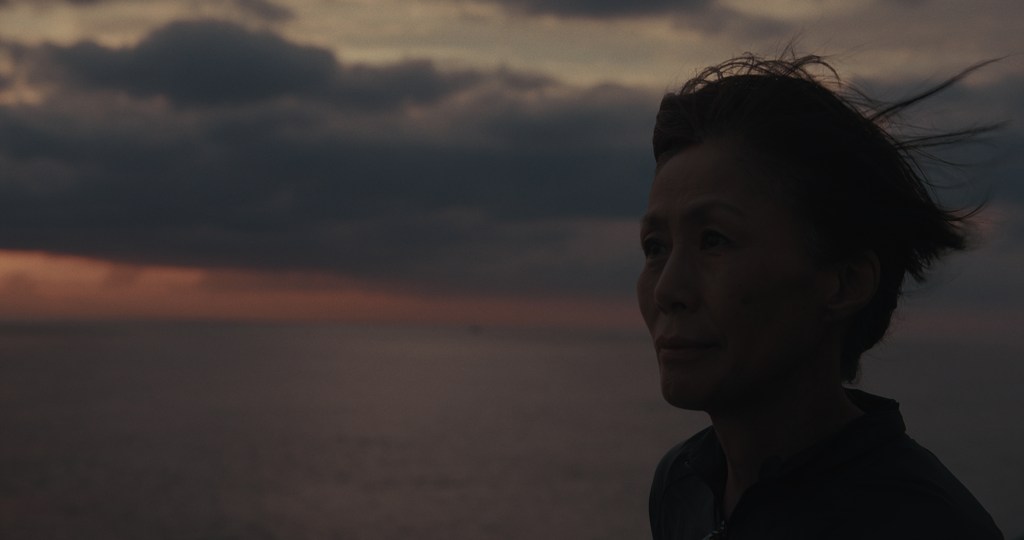
Beyond the intimate bond that binds me to Noriko and the fact that this story touches me deeply, it seems essential to me that we collectively reflect on memory, on the importance of passing on history, and on the traces left by the culture of silence that nourishes intergenerational trauma. I also hope that the questions raised in the film will resonate on a more intimate level, inviting us to explore our own family history. – Laurence Lévesque



























Leave a Reply