
Director’s Note – Laurence Durkin & Kevin Brennan
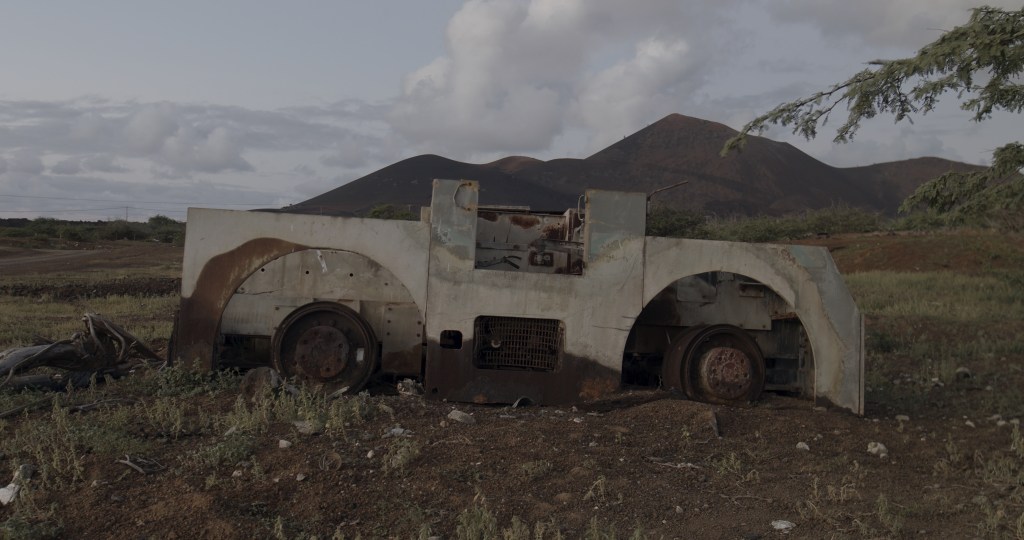
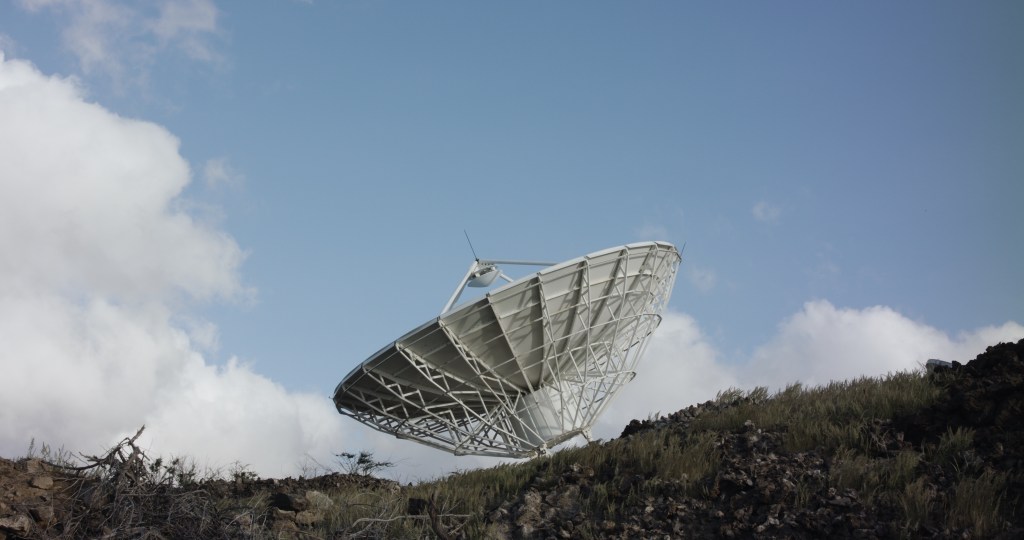
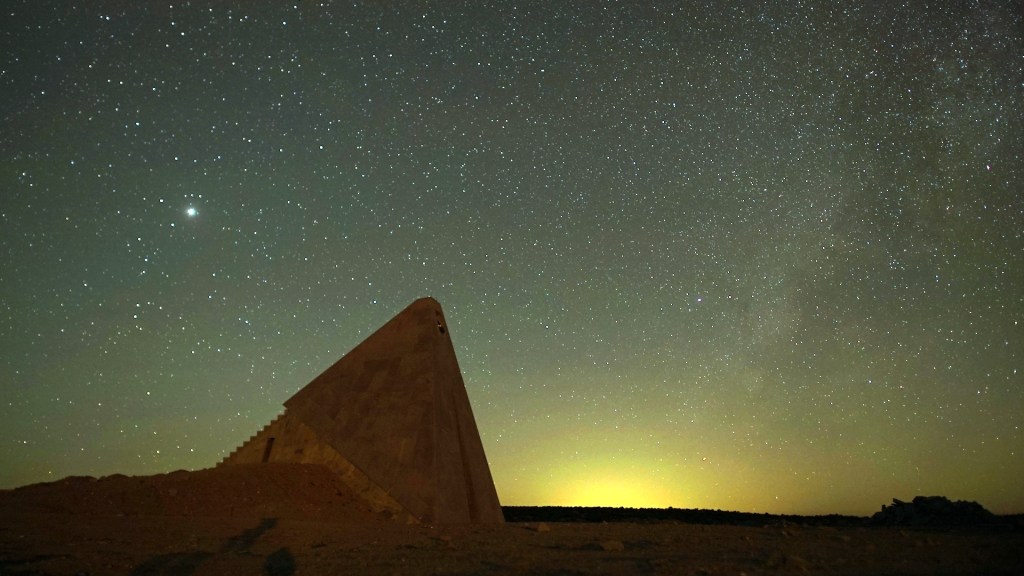
In 2022 we travelled to the remote desert island of Ascension, not really knowing what to expect. We’d read more or less everything ever written on Ascension (which means five or six books), but even so the place was a mystery.
What we had read was a number of research papers which claimed that the story of the ‘greening’ of the remote volcanic island of Ascension could provide a useful case study in how we could bring life to Earth’s driest deserts, create new carbon sequestering forests on previously barren land, and even ‘terraform’ other planets, like Mars.
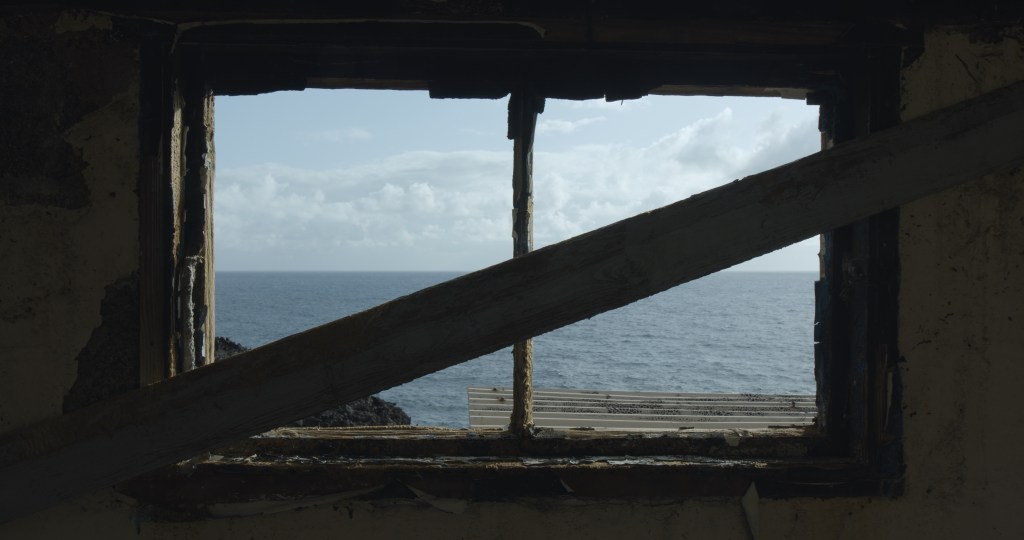
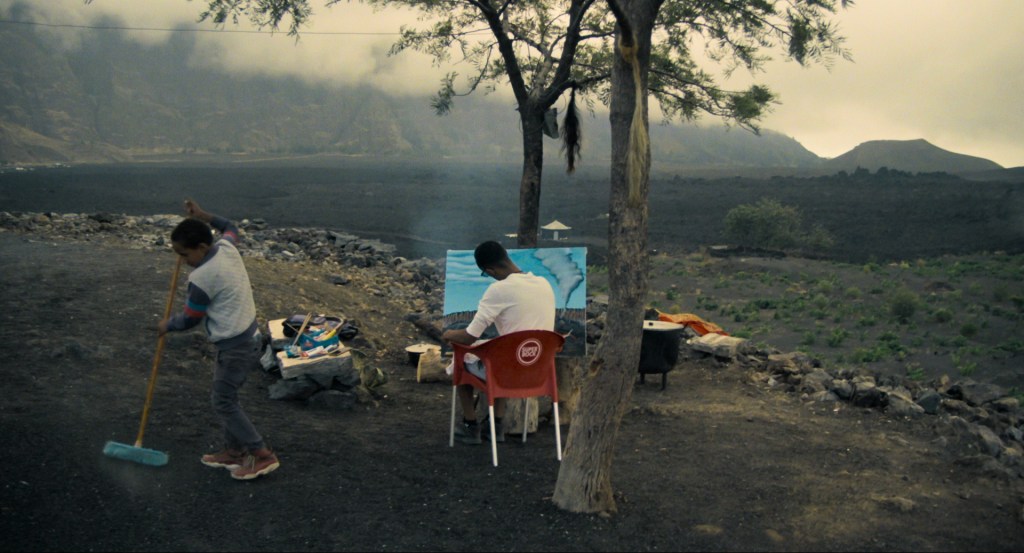
When we arrived we found a relic of history, as much as a glimpse of the future. It seemed frozen in time, at the age at which its ecological transformation had taken place.
Ascension was being settled in the so-called, ‘Age of Discovery’. A point in time where European explorers were reaching ever further, and to their eyes, stranger parts of the Earth. Writers back home heard reports of these new, far flung islands, and were inspired to recreate the islands in their works of fiction, or philosophy, adapting them to their own vision of the world.
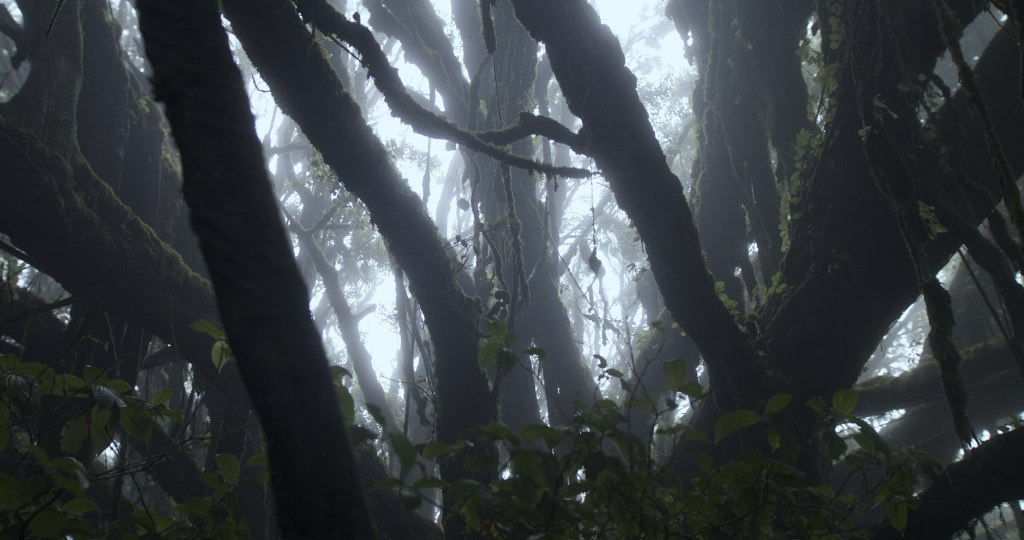
But these islands aren’t just exotic backdrops; romantic settings to inspire the readers of the day. The islands of these narratives have a unique set of qualities that allow them to become vessels of the writer’s ideology: they are remote, empty, small, often heterogeneous, and for this reason – infinitely reconfigurable.
These new islands existed outside of the context of European history. And to the writers, and later, the scientists of this age, they were a tabula rasa. An opportunity to rewrite the social, physical, ecology landscape as the writer sees fit. Robinson Crusoe, The Tempest, and The Island of Dr. Moreau (all stories we read on our sojourn on the island) essentially share the same story. One of manipulation by a foreign hand; the attempt to reshape and control the island’s internal logic and nature; and the collapse of control.
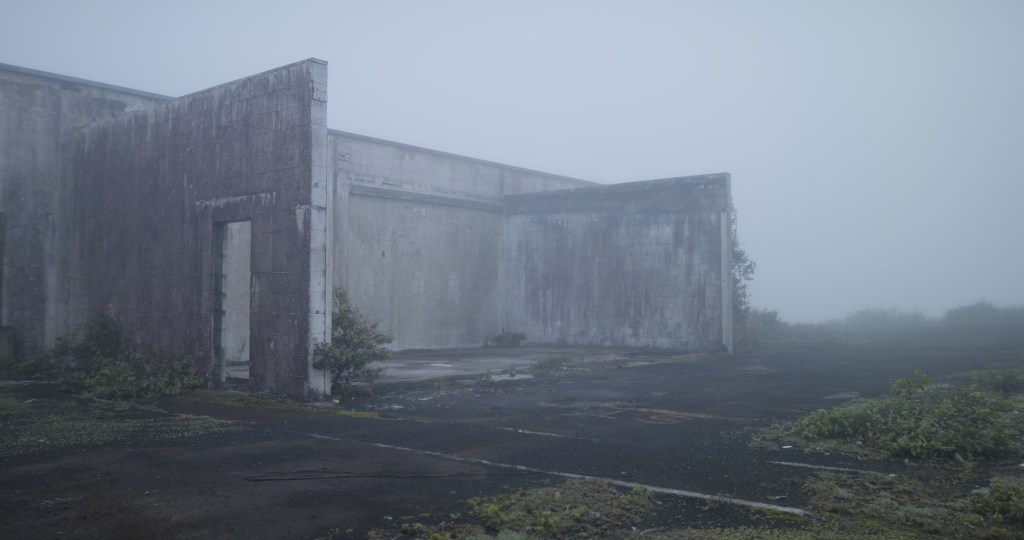
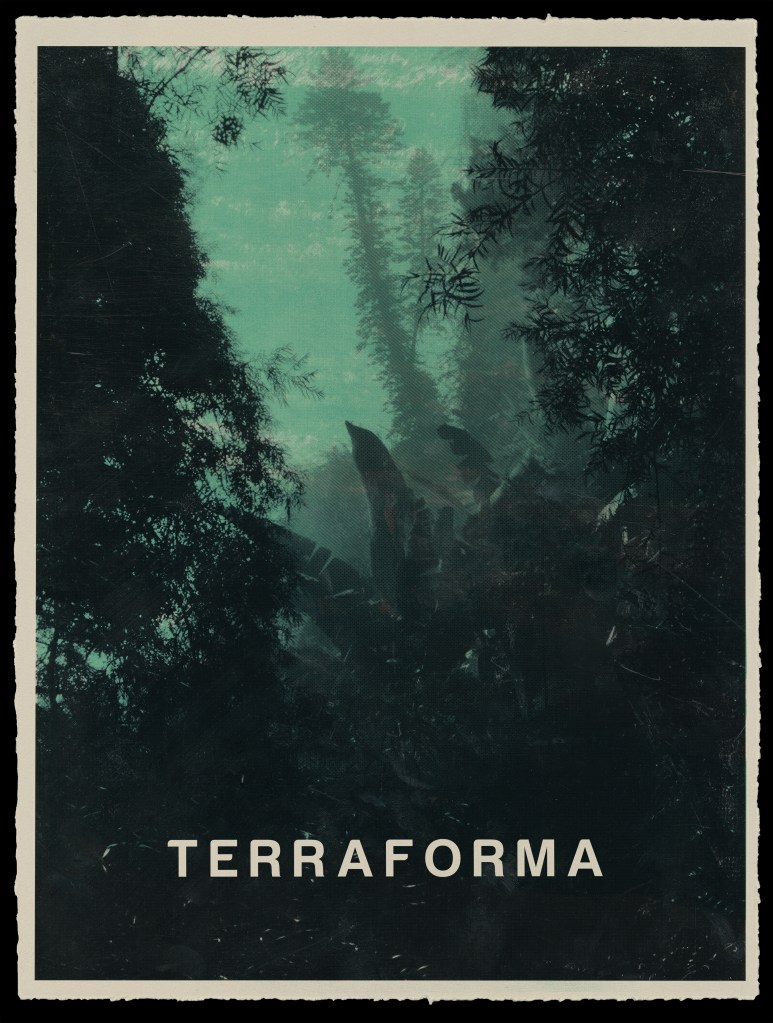
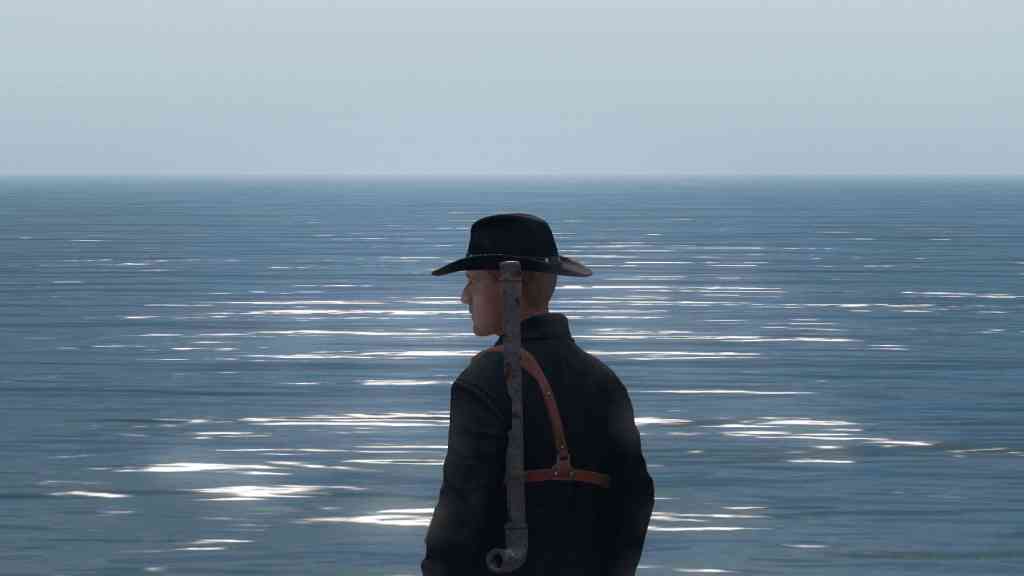
TerraForma is a true story of one of these island metamorphoses, its failure, and its legacy.
Today, the belief of the scientists of the day that human intervention and control over our planet was potentially limitless, and that our role as stewards of the natural world was to its benefit, has long been shattered. And the lessons we learn therefore, from this island, given life and reshaped by the utopian ideals of Victorian scientists, are complex – but no less relevant being so.












 True Story Blog
Leave a comment