
Director’s Notes – Gianluca Matarrese
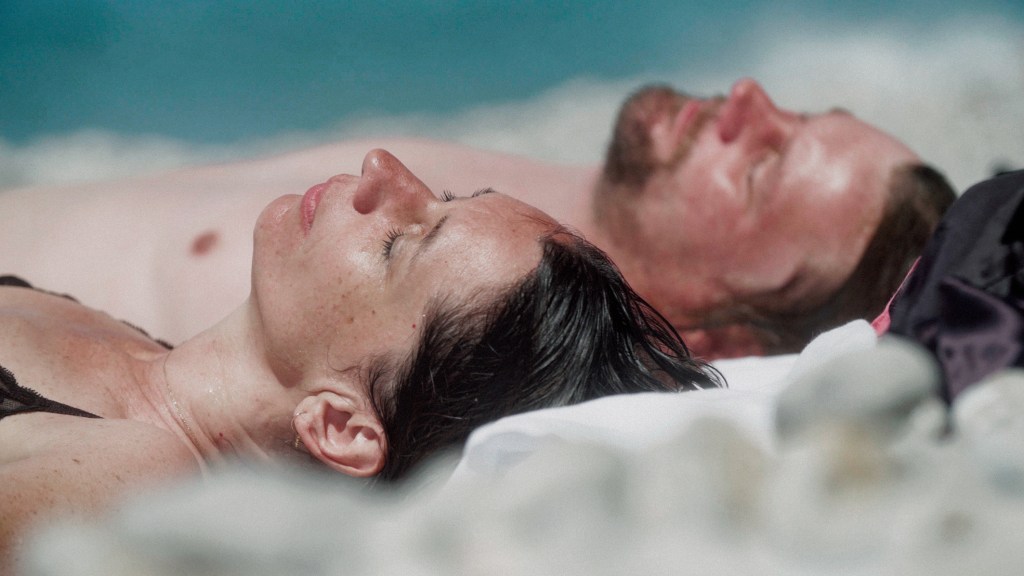
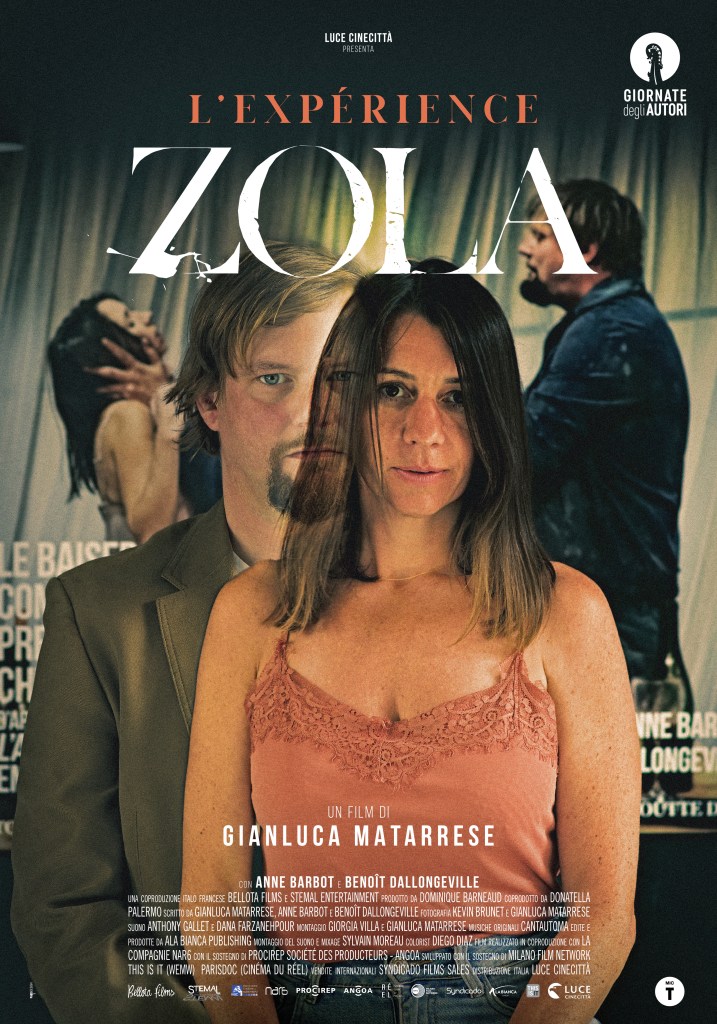
Anne Barbot and I trained together at the ‘École internationale de théâtre Jacques Lecoq’. We both question the notion of perspective and the porosity between reality and fiction. Together we experimented with building bridges between two languages: theatre and cinema. Anne’s theatrical adaptation of Emile Zola’s L’Assommoir is an excellent subject for the experience we had in mind.
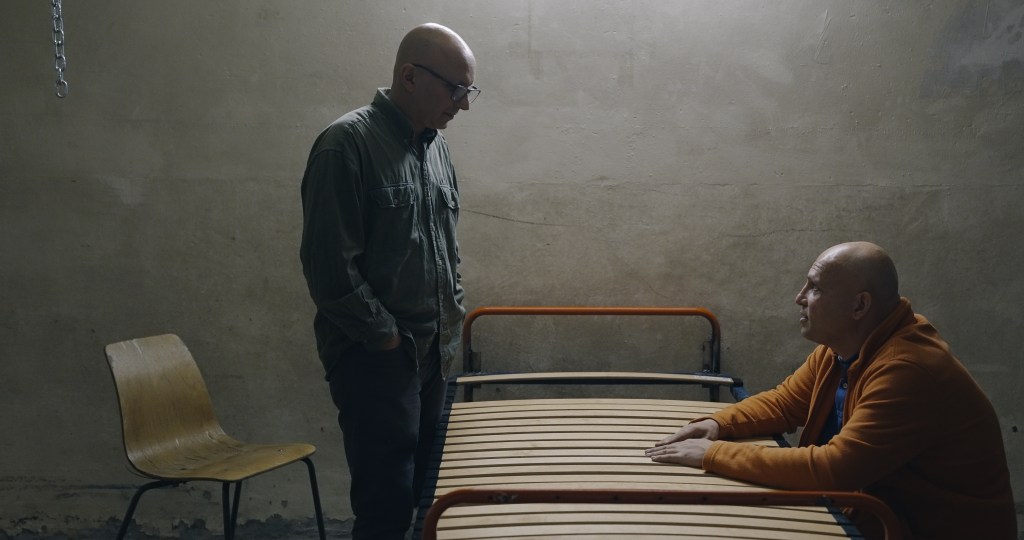
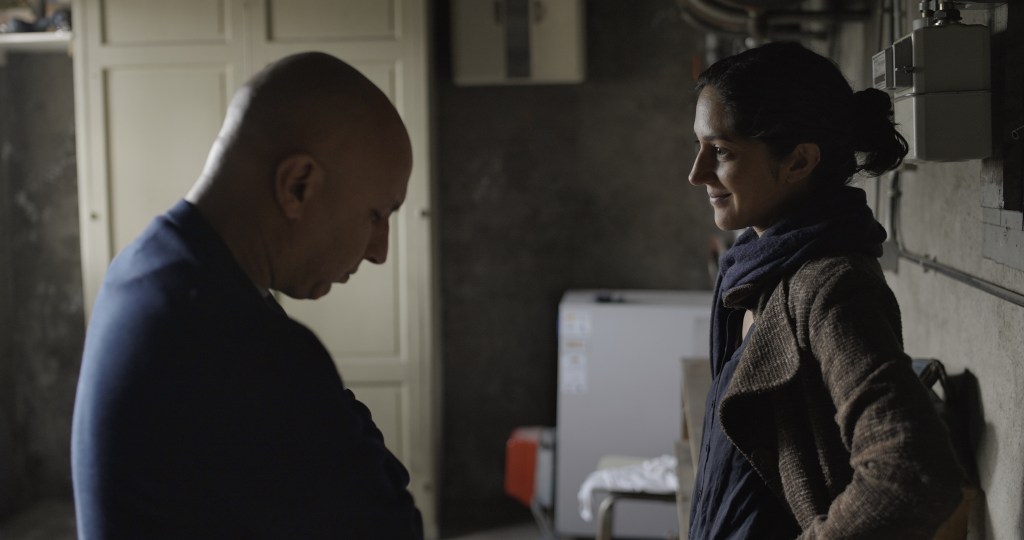
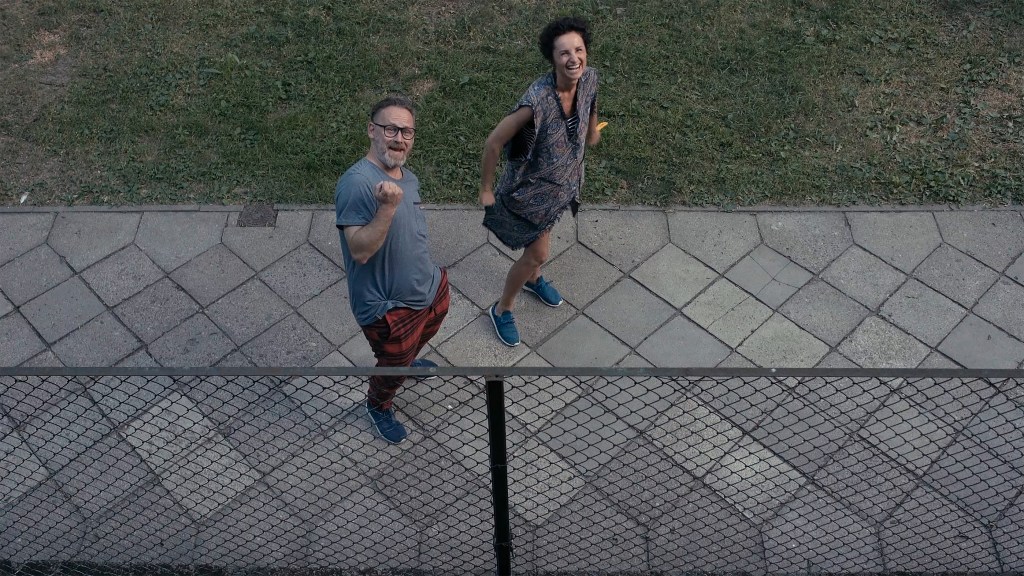
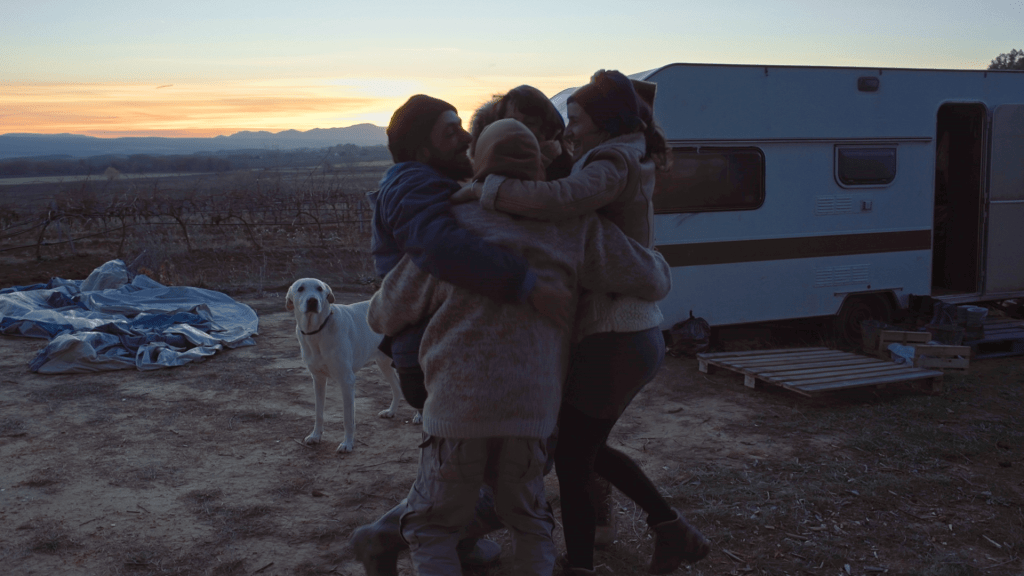
The structure of the film is an exchange, a dialogue between two narratives, the one of the play on stage, and the one of the actors, backstage. Offstage, the actors are caught in intimate conversations, immersed in their everyday element, in reflections or during preparations before sliding into fiction.
The camera was the medium of immersion in the inner movements of the characters. The editing process created links between the moments of play in theatrical fiction and the real world, to the point of voluntarily losing the usual references and codes between the different registers.

THE NOVEL
Zola wrote L’Assommoir in 1876. It is a novel of the Parisian working class. His heroine, Gervaise, finds herself alone with her two children when Lantier leaves her. She meets Coupeau, a roofer, who woos her at L’Assommoir, a cabaret located in the neighborhood of le Goutte d’or. They fall in love and marry. The couple is happy and has a child, Nana.
One day, Coupeau falls off a roof and breaks his leg. He can no longer do his job and sinks. With the help of Goujet, a neighbour, Gervaise manages to open a laundry and gain some wealth. But Lantier returns and encourages Coupeau to exploit Gervaise’s courage. The couple falls apart, and unhappiness, alcohol, and violence will bring the family to ruin.

Observing the drama of Gervaise Macquart, Zola explores themes of labor, precariousness, and the social fragility of workers. The novel was a success, but criticism was fierce. Zola defended himself in 1877 by explaining his intentions: “I wanted to paint the fatal decline of a working-class family. Beyond drunkenness and laziness, there is the loosening of family ties, the lurid effects of promiscuity, the gradual oblivion of honest feelings, and then, as an epilogue, shame and death. This is simply the course of morality.”
Zola says that his characters are not bad per se: it is the harshness of the world, the difficulty of work, the cramped conditions of their living environment, this crushing Paris where luxury and misery rub against each other, that brings them down.”
THE PLAY
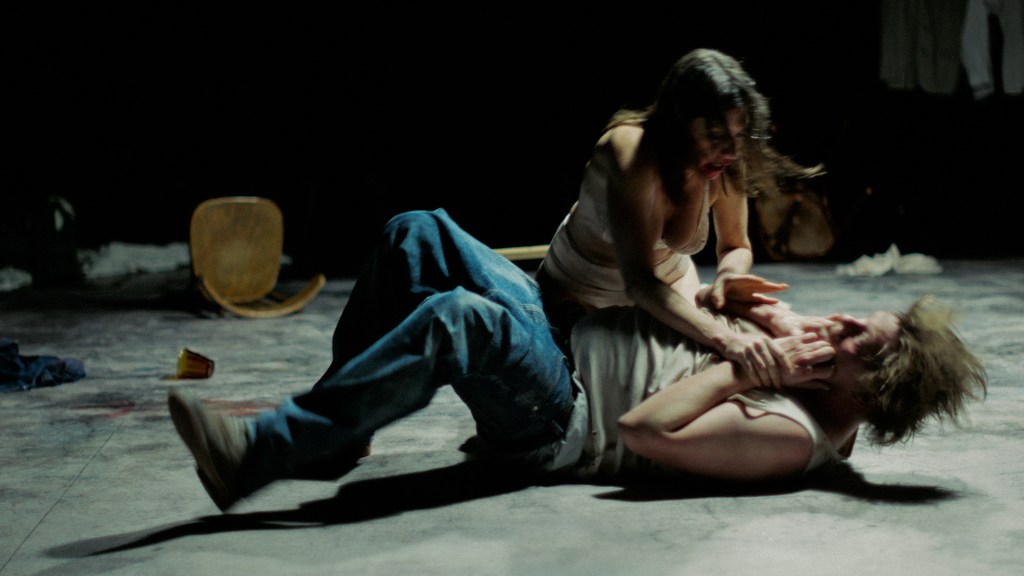
In the play, Anne Barbot has deliberately not anchored the work to a precise temporality. We are not in the 19th century, but neither are we in 2022; the costumes confuse the traces, the time references, the currency, the Parisian places… This work still embodies our struggles, the director did not want to paint a picture of an era, she wanted to create something alive to interrogate our time. The violence of a work injury in the 19th century remains the same in the 21st century.
THE FILM
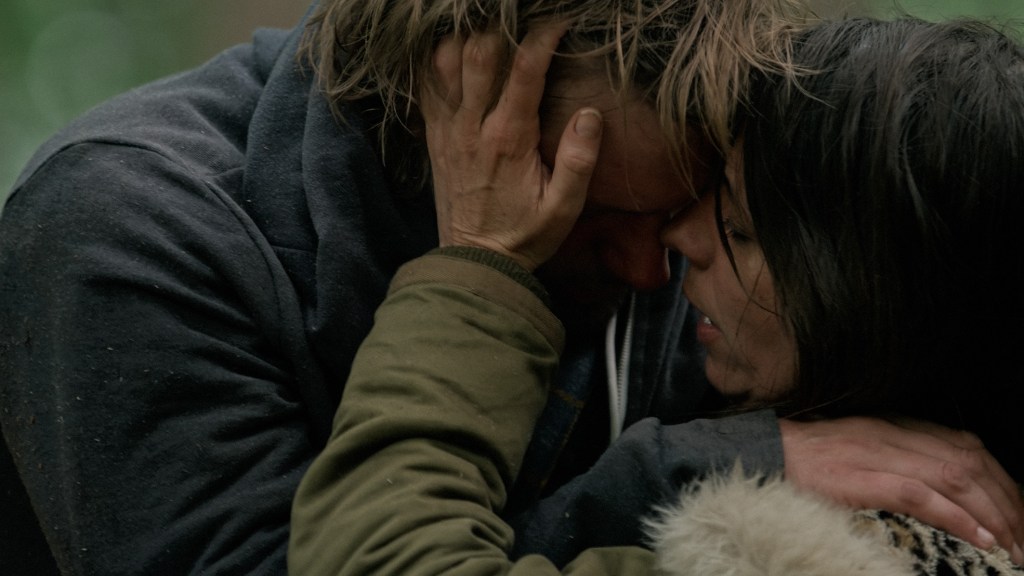
Through Zola’s novel and its contemporary reinterpretation, I wanted to celebrate a female figure characterized by her strength: Gervaise, who endures violence and failure by staying the course as long as possible.
Zola wrote that she cared “little about beauty, nor perfection,” worrying “only about life, struggle, fever.” I tried to do the same, to show what is, without trying to save or oppress anyone, dissecting these complex souls, imbued at once with gaiety and darkness, strength and weakness, emancipation and servitude.
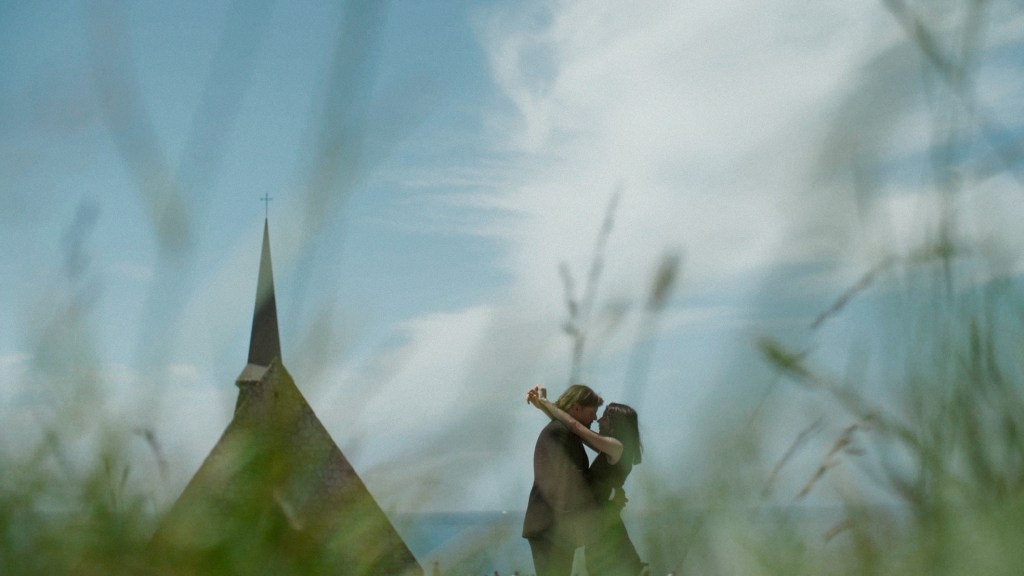
The camera served as a means of immersion in the inner movements of the characters, in a context of fiction (that of the play). And on the other, an immersion in the real lives of the actors who constructed and gave life to this creation.
Once again, as in my previous films, I find ingredients dear to me: family, decadence, dreams and ambitions. As is often the case, my real-life characters face difficult situations and I take the time to accompany and film them intimately to understand how they can react, rise to the surface from a reality that is making them sink, fall and rise again.














 True Story Blog
Leave a comment