
Director’s Statement – Zayne Akyol
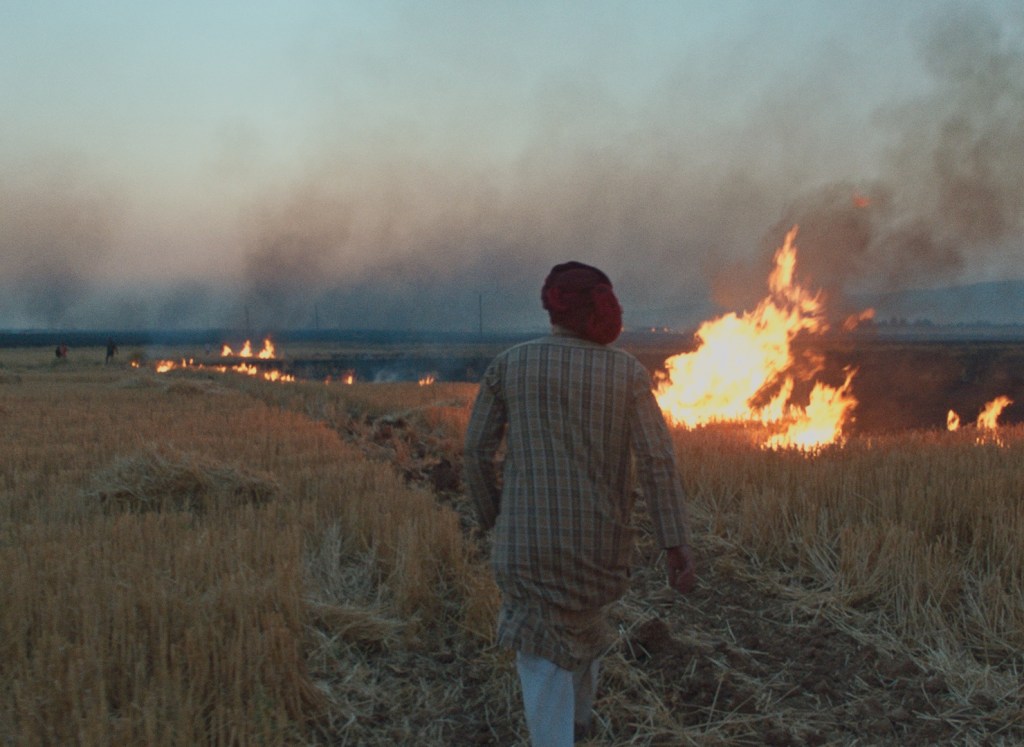
The Kurds, the world’s largest stateless nation (40 million), are divided among four countries: Turkey, Iran, Iraq, and Syria. For more than a century, they have been violently persecuted by these major powers for territorial, economic, cultural, and religious reasons. I am of Kurdish origin and immigrated with my family to Quebec, Canada when I was four and a half years old. It was also at this time that I met Gulîstan, an 18-year-old young woman who sometimes took care of me when my parents were working. I loved and admired her; she was like an older sister to me. The attention she gave me comforted me and helped anchor me in this new and unfamiliar country. I spent time with Gulîstan for two years, before she suddenly disappeared from my life to join the PKK (the Kurdistan Workers’ Party – the Kurdish guerrilla). As a child, I felt betrayed, since she never said goodbye. Shortly thereafter, in 2000, she died in battle. I was 13 at the time and grieved this loss as an abandonment. It wasn’t until I directed my first documentary film Gulîstan, Land of Roses (2016), that I was able to overcome this feeling. By gaining the trust of the Kurdish army, which allowed me to dive into their world, I could finally understand Gulîstan’s motivations. While filming this documentary, the Islamic State (IS) launched their first strikes in Iraqi Kurdistan. I thus witnessed the genesis of the endless conflict between the Kurds and IS.
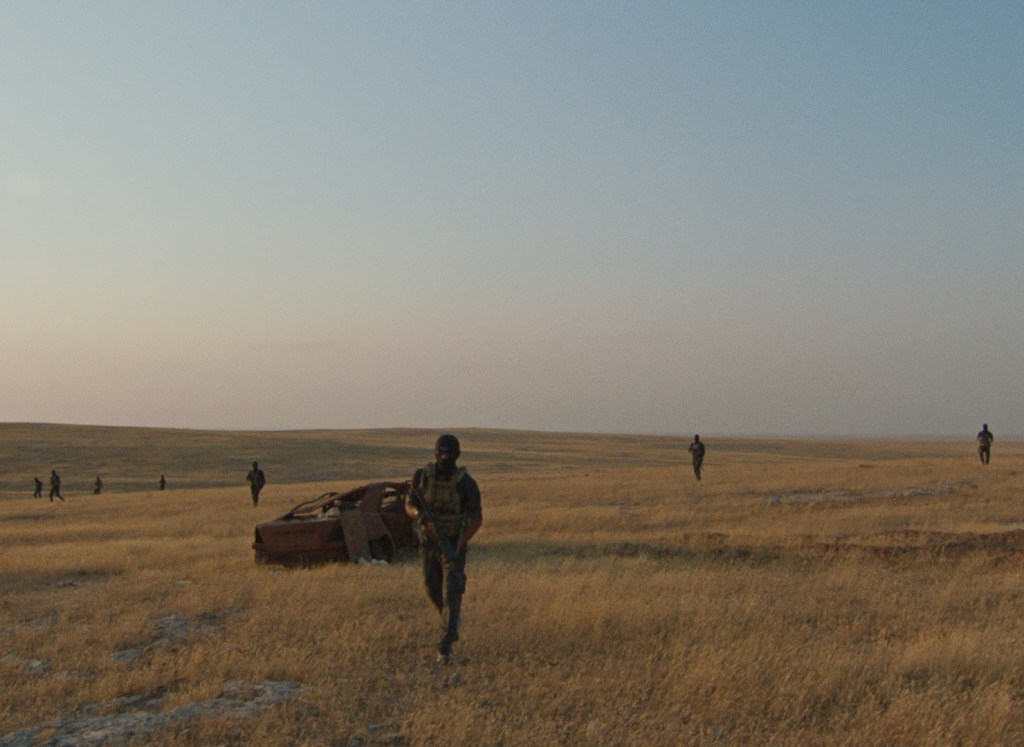
For several months, I filmed the efforts of a group of courageous women who fought against IS in Iraq and Syria. These women fighters were committed to protecting their lands and establishing an independent, feminist, and democratic society accepting of religious pluralism. Their values were in total opposition to those of the jihadists they were fighting. Over time, they became my friends. Unfortunately, after I returned from filming, I found out they had been dying one after the other until only one survivor remained. In a very short period of time, I had to deal with the loss of so many friends, a cruel reminder of Gulîstan’s tragic disappearance. Thus, the war waged by the Islamic State scarred me deeply, inscribing the horrors of this conflict into my flesh.
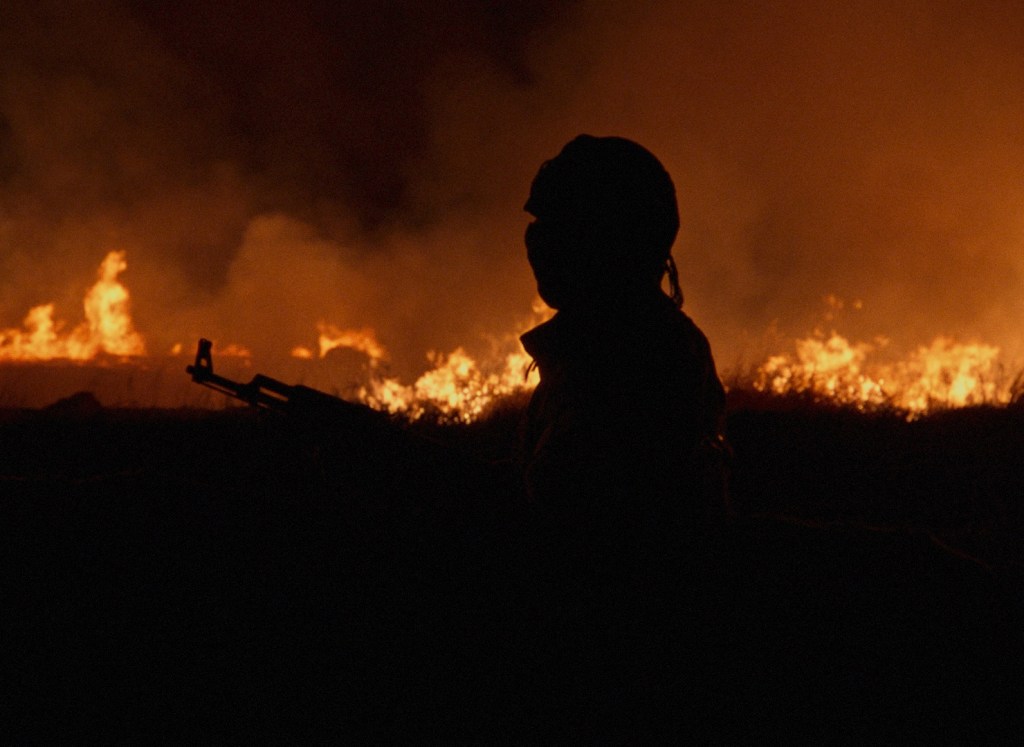
In March 2019, the Syrian Democratic Forces (SDF, mostly Kurdish), with the help of the United States, announced to the world that they had won the battle against the last IS stronghold. The end of this war, however, also meant that thousands of prisoners were now in the hands of the SDF. Jihadist men are held in high-security prisons, and women and children are kept in detention camps they cannot leave. In ROJEK , I engage in dialogue with those who participated in the creation of this Islamic State. This documentary is my personal attempt to understand, to seek the answers I hoped would be forthcoming. I decided to meet with the people who were responsible, directly or indirectly, for the death of my friends. Cinema has become part of my grieving process, a way to reach a kind of catharsis. Hoping for restorative justice, I decided to face the jihadists.
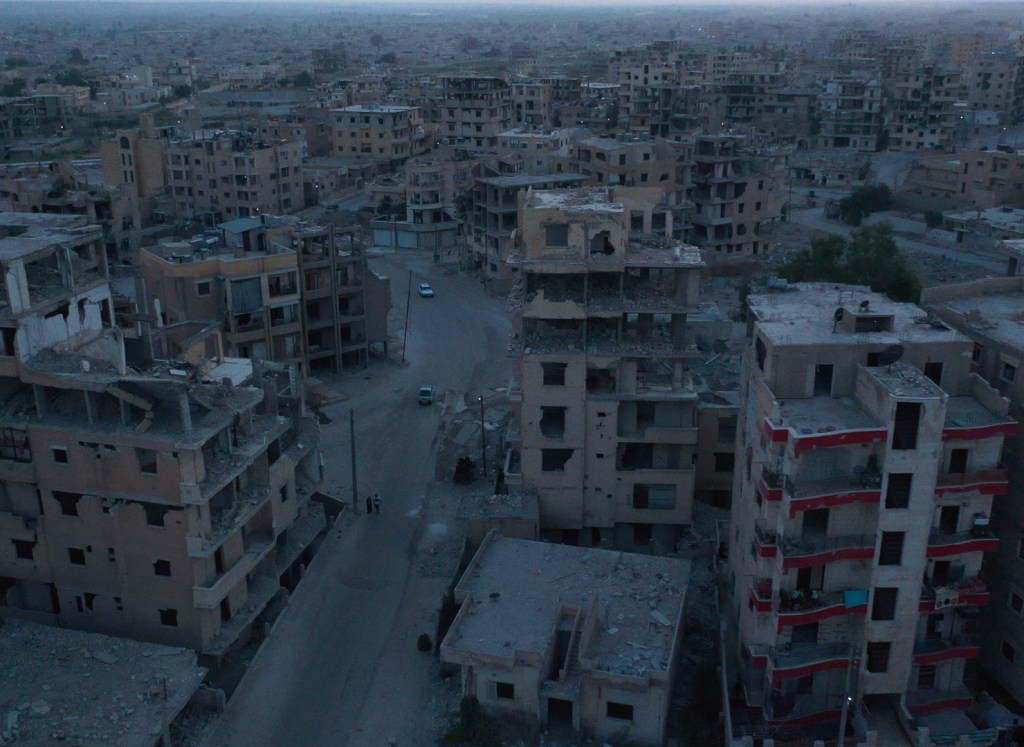
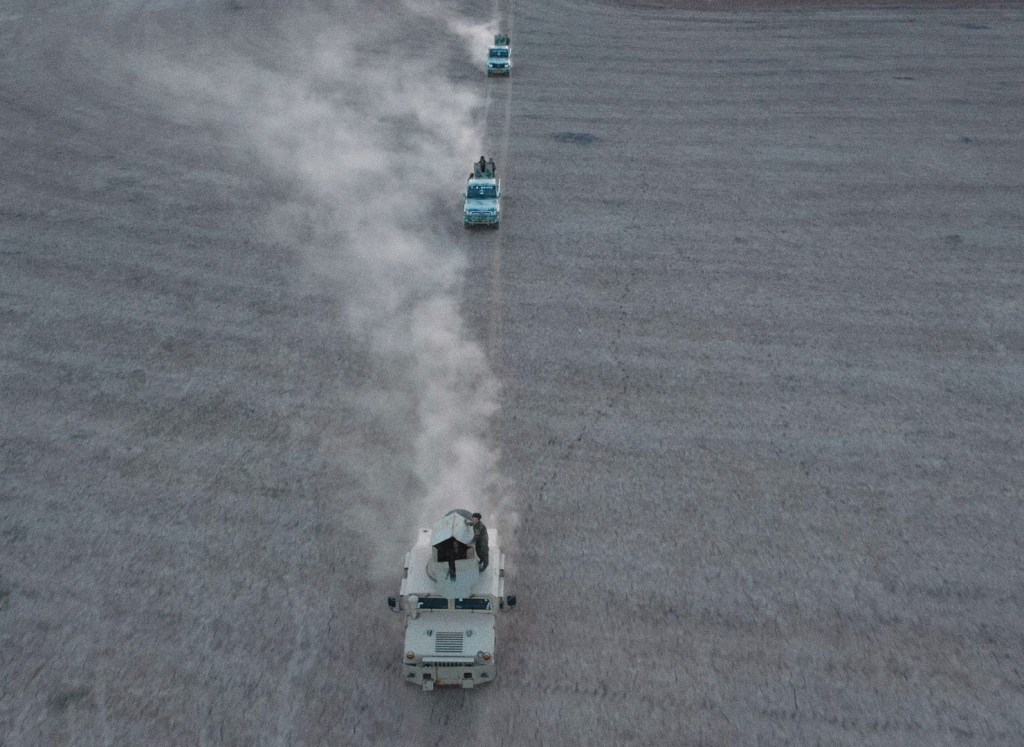
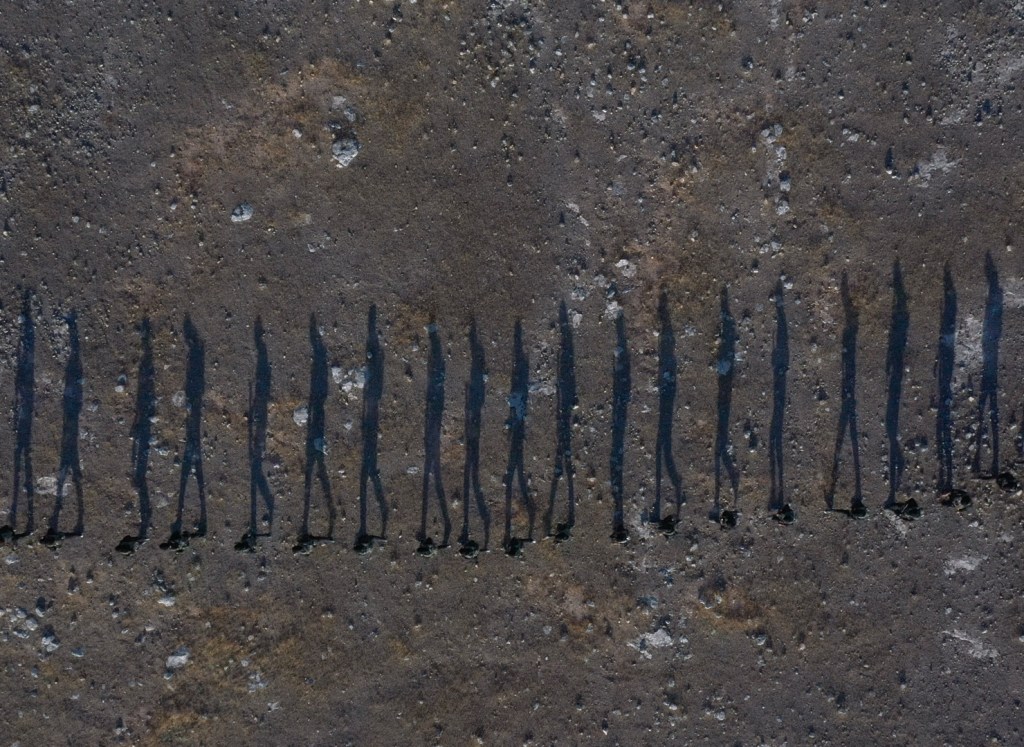
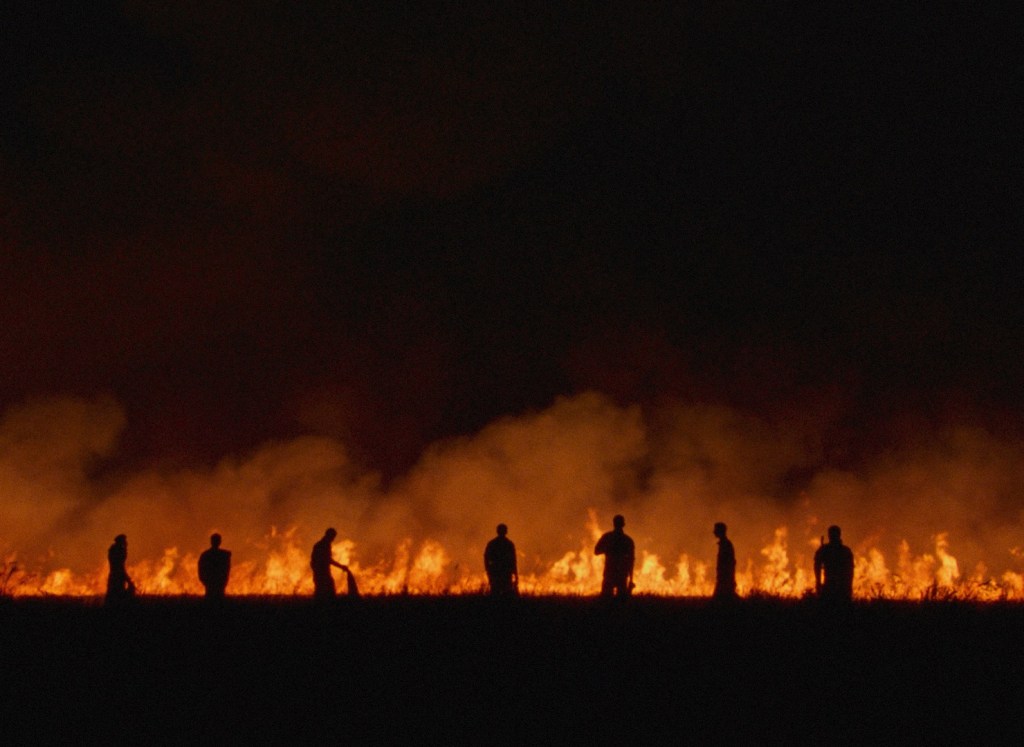
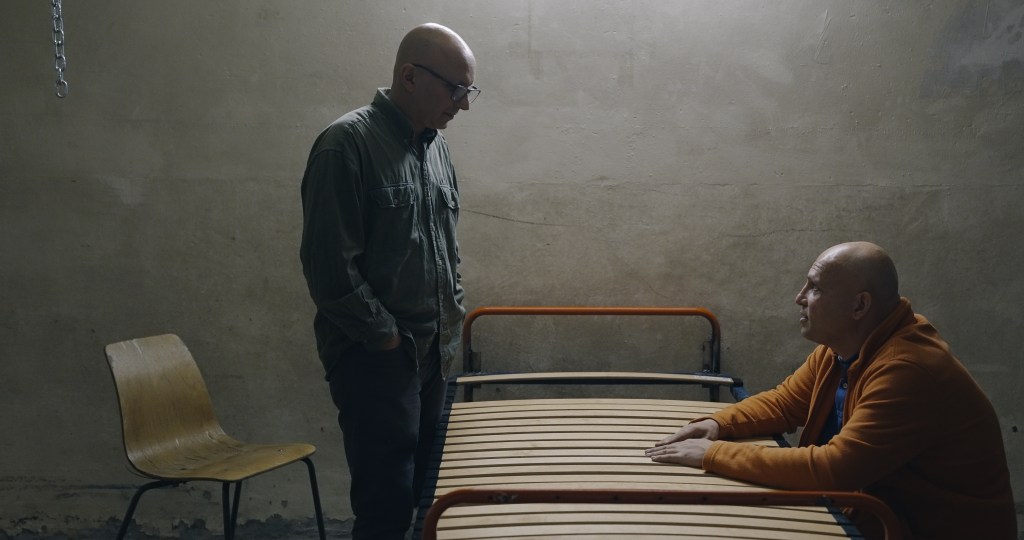
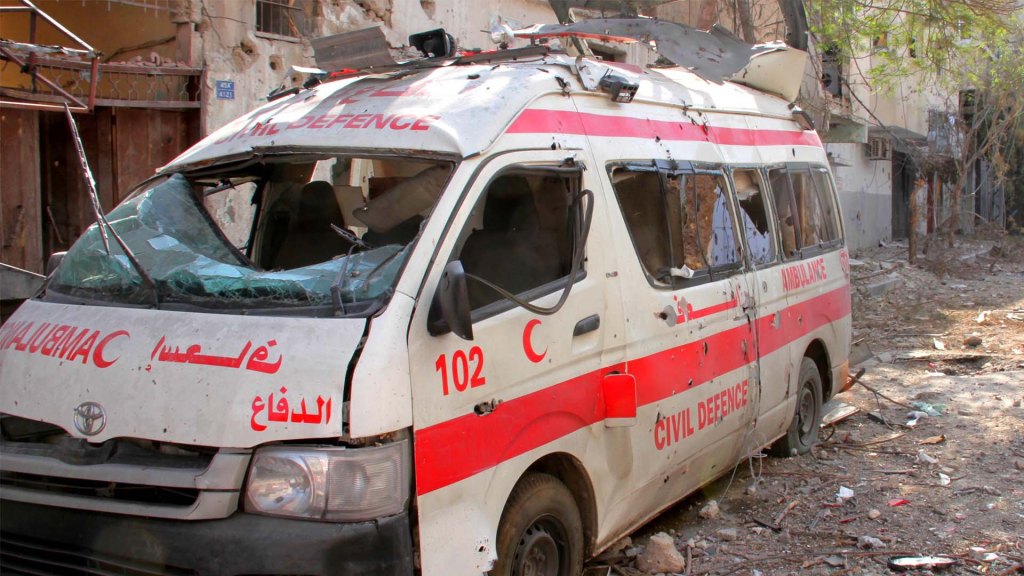
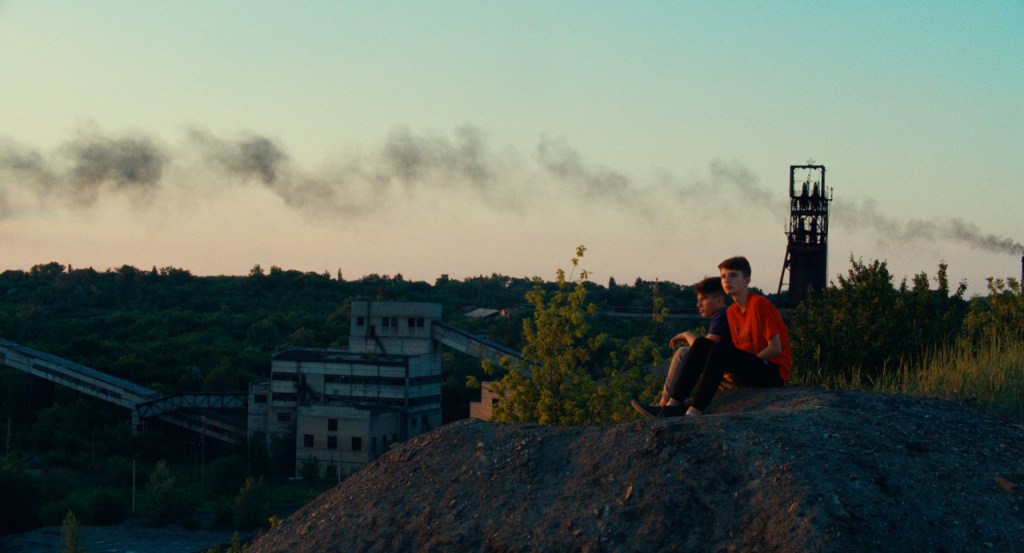
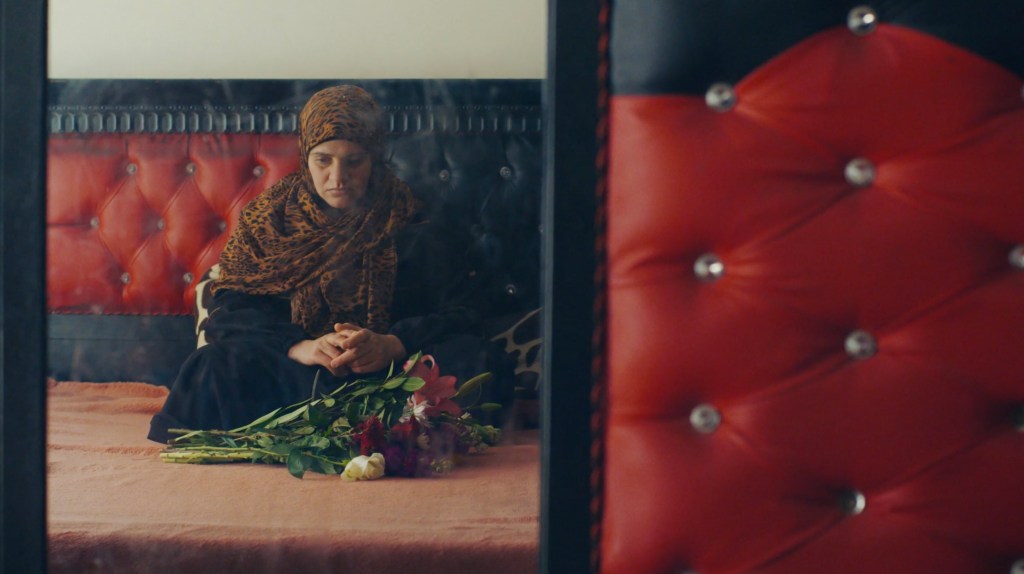
ROJEK is the concretization of all the thoughts and materials I accumulated over the last ten years going back and forth between Canada, Iraqi Kurdistan and Syrian Kurdistan. My previous film, Gulîstan, Land of Roses, examined the life of the guerrillas who fought the Islamic State, focusing on the war itself. ROJEK , on the other hand, takes place in the post-war period, questioning the actors who participated in the chaos and helped perpetuate it. It is a film that tries to shed light on the phenomenon of indoctrination and offers a rarely seen point of view, that of the members of IS themselves. Exclusive one-on-ones with some of these terrorists forms the core of the documentary, which is intertwined with scenes depicting post-war Syrian Kurdistan.
Through my protracted and strenuous efforts, I was able to gain access to convicted jihadists, an exclusive permission that I share only with the CIA and a number of other secret services. Listening to these ultra-fundamentalist points of view was an extremely demanding experience, first, because it is a way of seeing the world that is completely at odds with my own values. And also because most of the women in my previous film died fighting IS. ROJEK was an incredibly demanding film to make, but absolutely necessary to find closure and bring my mourning to an end.
While the fighting may be over, the ideological battles remain. ROJEK may be a challenging film, but it is essential to the analysis and understanding of this hermetic ultra-fundamentalist group. A new kind of war has taken shape in recent years, and the tools to fight it have yet to be developed. In order to do so, it is essential to examine and understand the construction of jihadist thought.

*not available North America









 True Story Blog
Leave a comment