
Q&A with Director Mohamed Jabaly
How did the idea first come about?
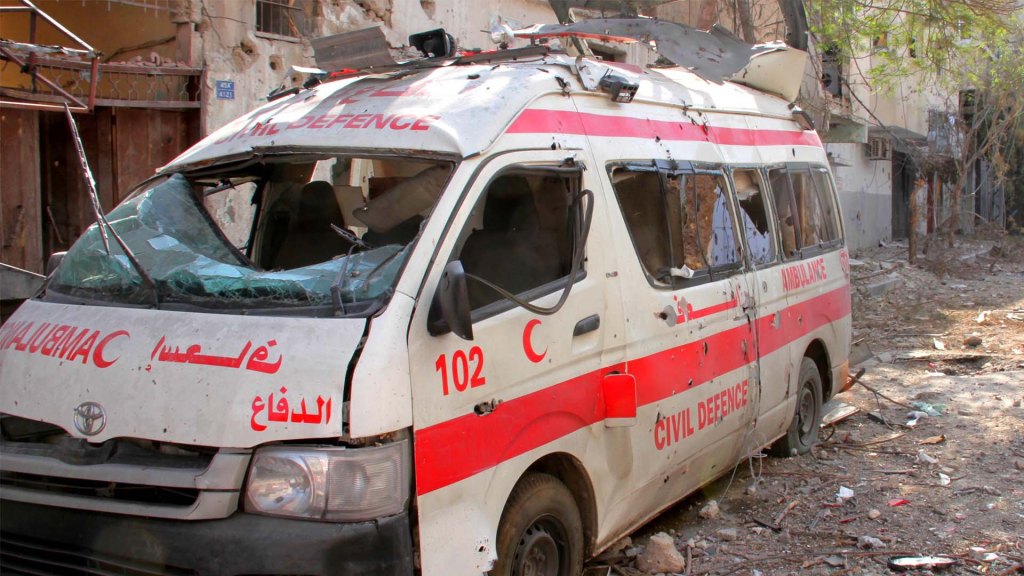
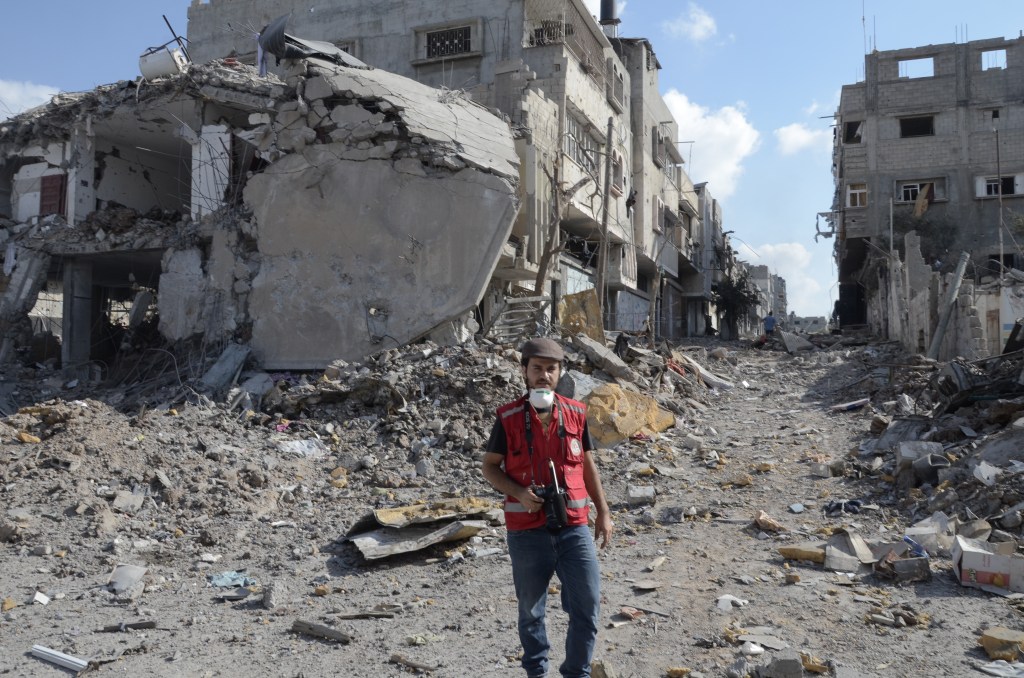
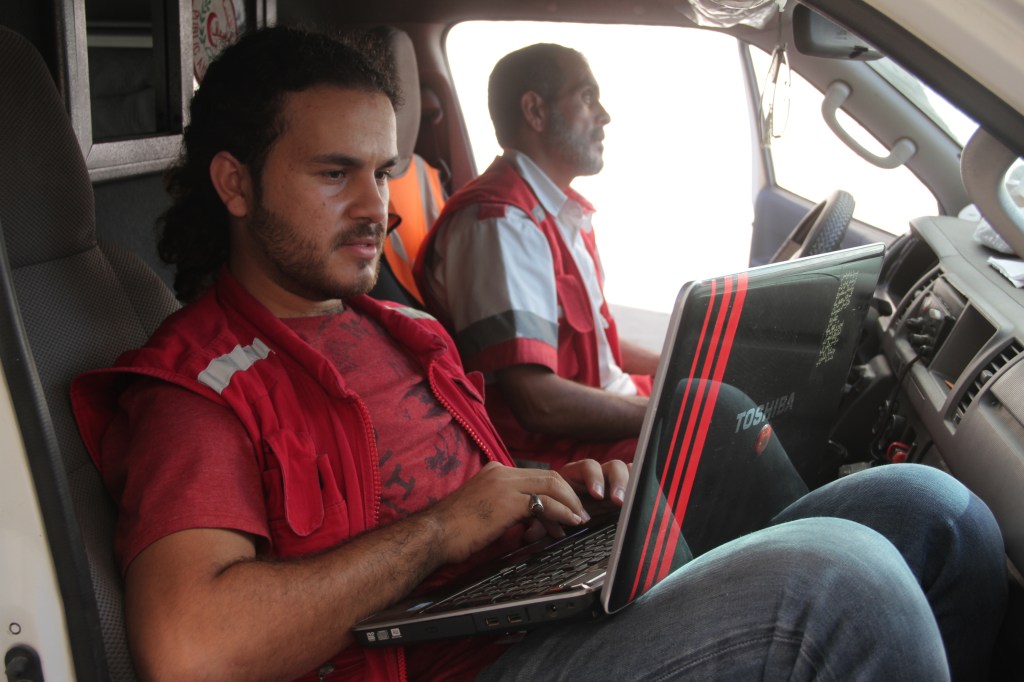
I worked as a photographer and a filmmaker in Gaza prior to the war. I was making a documentary for a local hospital in Gaza, and while I was working there, I got to know the director of the hospital and some of the doctors, so I was familiar with working in the medical environment. On the 8th July 2014, when the war started, I was at the hospital. I didn’t know the driver or the ambulance crew, so it really began as a kind of experiment at first. It was a challenge for me to see what it would be like, really living in the moment. I wanted to be closer to what was going on, and to relay what was happening from my perspective.
What drove you to the front line?
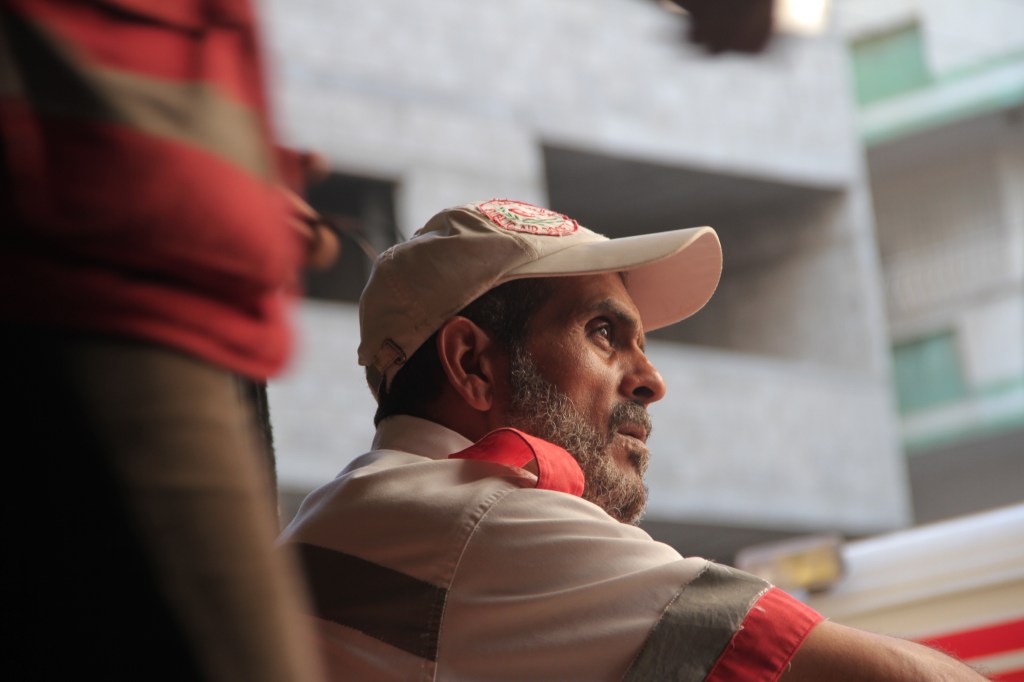
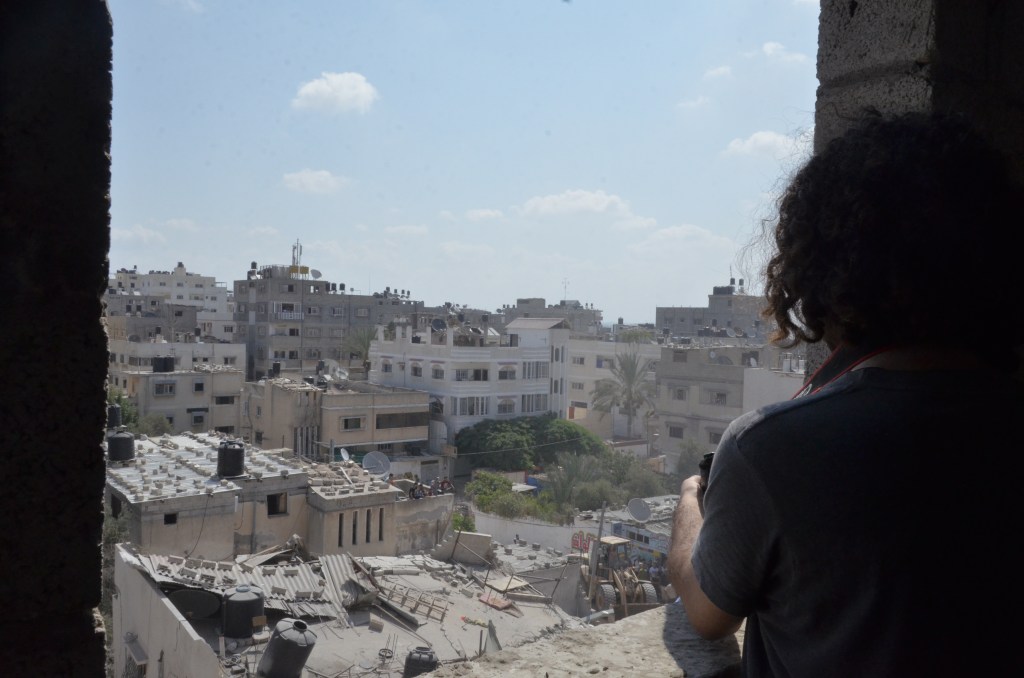
The people of Gaza know how hard it is to live a life under constant attack, but not all of the people see the details up close. Few people are really on the front line, close to the disasters. Even though I myself had lived through 2 wars and 2 Intifada before, nothing prepared me for my experience during the last war. Every phone call was bad news. The next call and the next… it got worse and worse. It could be my family, my neighbours… Our ambulance could be hit at any time. It was the first time in my life that I was so close to a situation like this.
I started to understand that each TV image is just a small part of a big story. Even though I had lived all my life in Gaza, I was shocked every day, moment to moment.
It’s extremely unusual to have that kind of access; filming from a passenger’s seat of an ambulance. How did this come about?
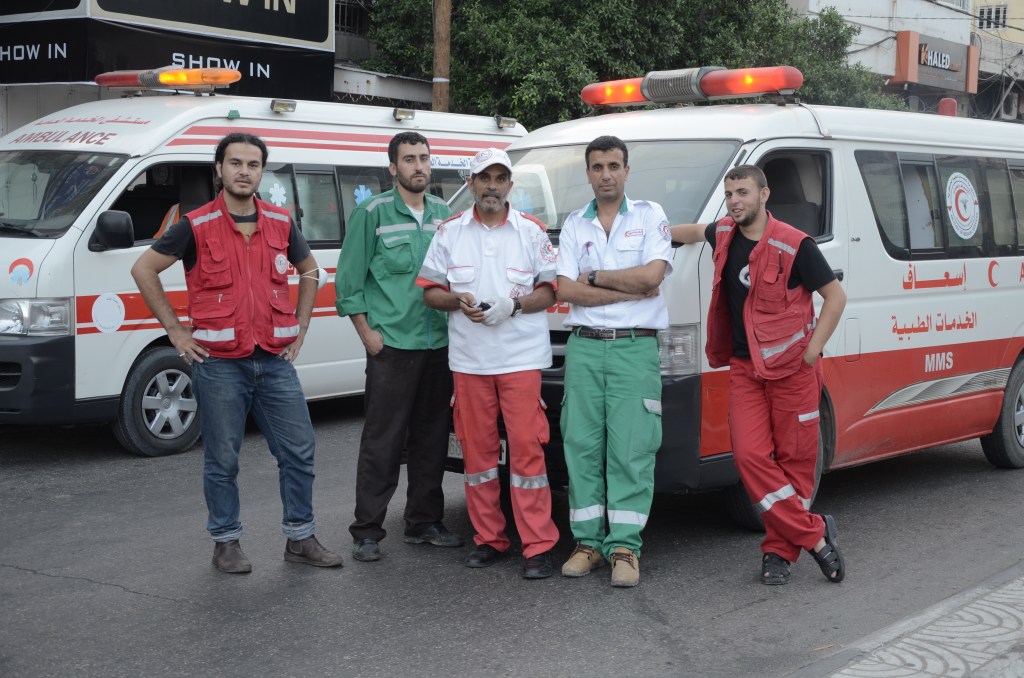
In the beginning, Abu Marzouq didn’t want me to be with them, because it’s usually not allowed for a photographer to be with ambulance unit, especially during a war. Photographers are generally considered a liability and often get in the way. But, because I had the support of the hospital, he allowed to me to join them. He was very reserved and skeptical at first. Eventually we became close friends.
Does your film convey a political message?
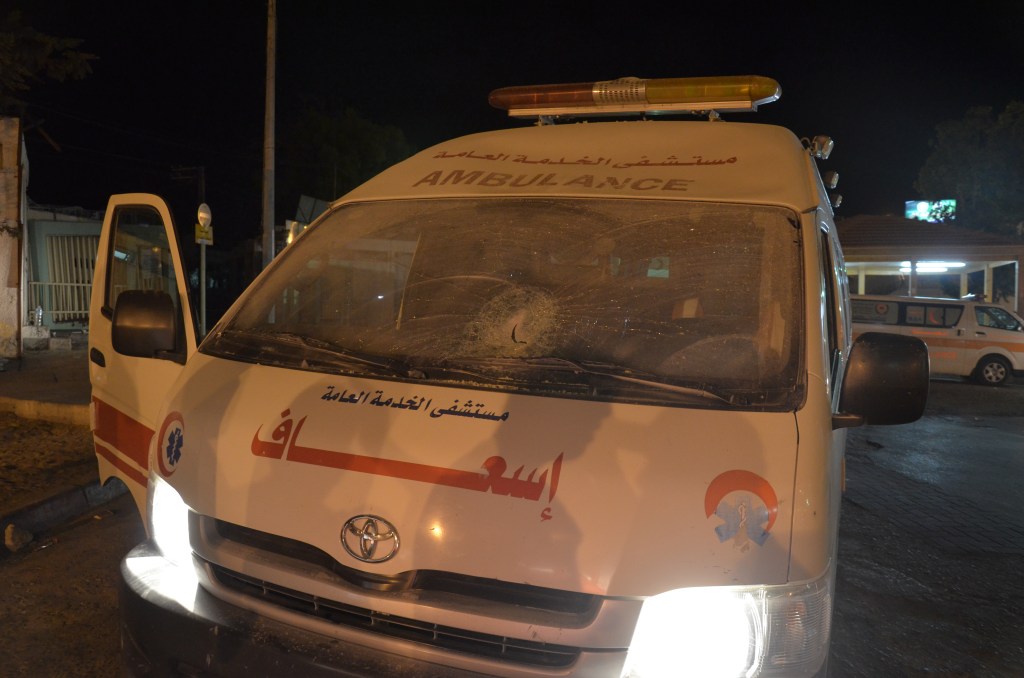
I don’t see myself in a position to make political statements. Ambulance is a personal story, seen through my eyes, as well as the people I worked with during the war. The film is about human connections and does not seek to campaign for any political party or policy, nor to assign blame. This is not because I don’t see the urgency of the political debate or the importance of accountability, but because I am a storyteller who believes that personal stories can show us what we have in common: human decency and human dignity. My war experience was very hard, and I am still trying to work through the depth of my feelings. The filmmaking process forced me to do this, and I see that as a good thing.
When did your producers come on board?
I came to Norway in October 2014 to participate in a conference and screen some of my short films. I was supposed to stay one month, but after only one week Egypt closed the border to Gaza. I went from being stuck inside Gaza to being stuck outside Gaza! I was walking around with the war inside of me. While I was filming the ambulance team, I knew I had to make a film, but I didn’t know when or how I could do this.
The ambulance crew asked me again and again, “When will you finish this film? We need to see ourselves, see how we are working during the war”. It’s a heavy responsibility. It also gives me a feeling of pride, that I too might contribute with something. My Norwegian hosts and friends were very generous and understanding. They also helped me to come out of my shell and urged me to make this film.
What does the future hold for you?
All of my family, are still in Gaza and they live there like any one else. I think about them all the time. They are living through this. They haven’t seen the film, but they know what I was getting up to. So, I would love to be able to go back to Gaza, and to show more of what life is like there.
What do you want audiences to take away from the film?
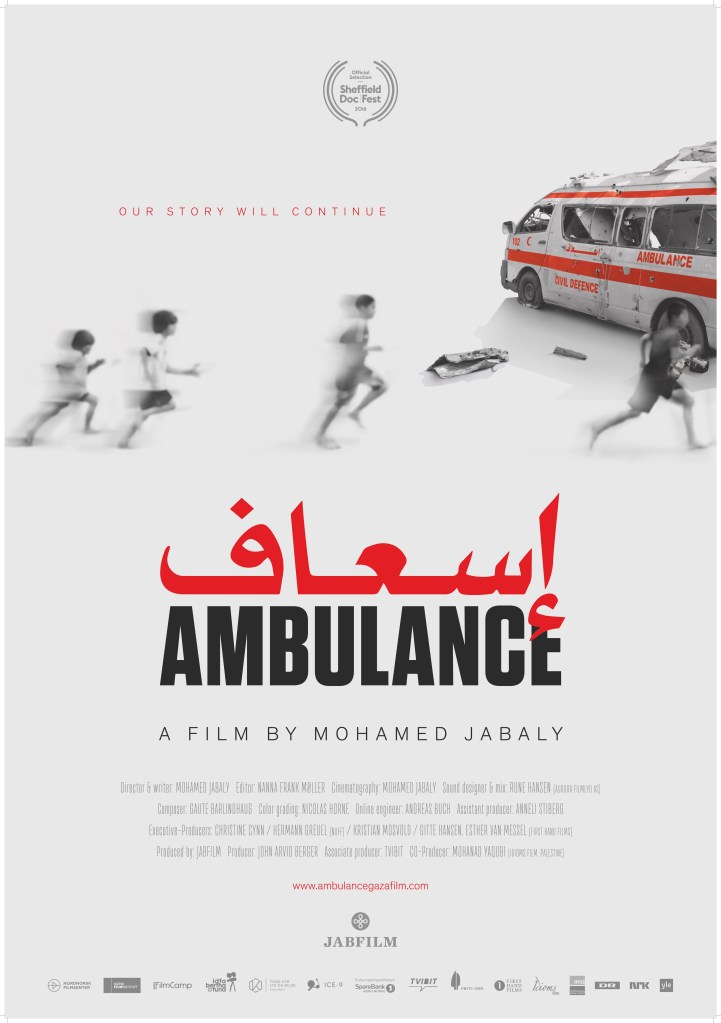
This is film is a kind of personal time capsule for the war. When people in Gaza see this film, I think they will be shocked. They will be sad, remembering the war and everything they have lost. We try to forget because it’s too much to think about on a daily basis. They will also feel glad that this will be remembered, that no one can say that it never happened. No one can erase or deny our pain. The world must know what has happened.
Both in Gaza and outside, people will see how we survive. The film will also remind people that we are still alive. We can still smile. We maintain great hope. The best thing about the war was that I gained a new family inside the ambulance crew. I learned what hard work and courage looks like. I want audiences to look at this situation a bit deeper. To understand that this is a universal problem, but ours is a situation that is ongoing.











 True Story Blog
Leave a comment