
Mila Turajlić – Director’s Artistic Statement
Like the best Tintin stories, sometimes a film falls in your lap sparking off an adventure. With my first documentary “Cinema Komunisto”, in 2015 I was invited to a film festival in Algeria. A very special festival, it turned out.
Not only because it was a glimpse into a country that in the past several decades was not an easy place to visit due to political turmoil, but also because the other guests, like me, came from countries which in a past era used to sail together under the proud banner of non-alignment. Sitting together with filmmakers from Vietnam, Mali, Palestine, Senegal, Egypt, we agreed that somewhere along the way that dream had failed, its story forgotten.
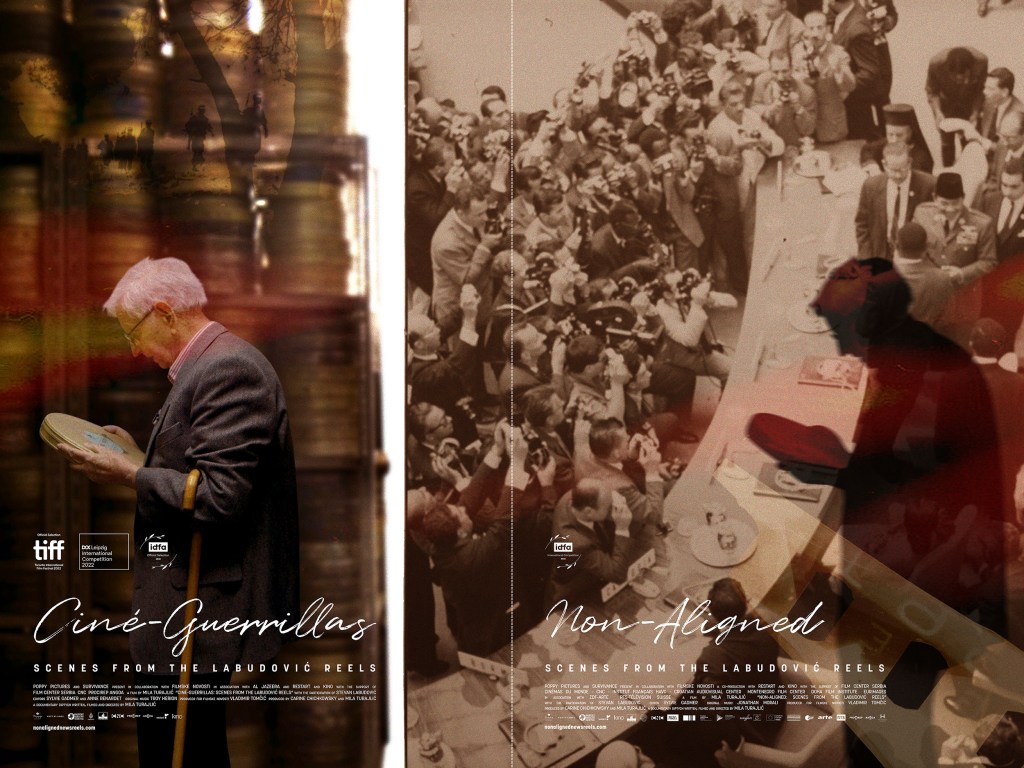
The films ‘Non-Alignéd & Ciné-Guérillas: Scenes from the Labudović Reels’ are an archive-driven documentary diptych, covering the landmark moments in the birth of a movement fighting for a more just and equitable world order, and the story ‘behind the images’ narrated by the man who filmed them: Stevan Labudović. A cameraman for Yugoslav Newsreels, Labudović was assigned to follow President Tito for more than a quarter of the 20th century.
A privileged perspective from which to film history.
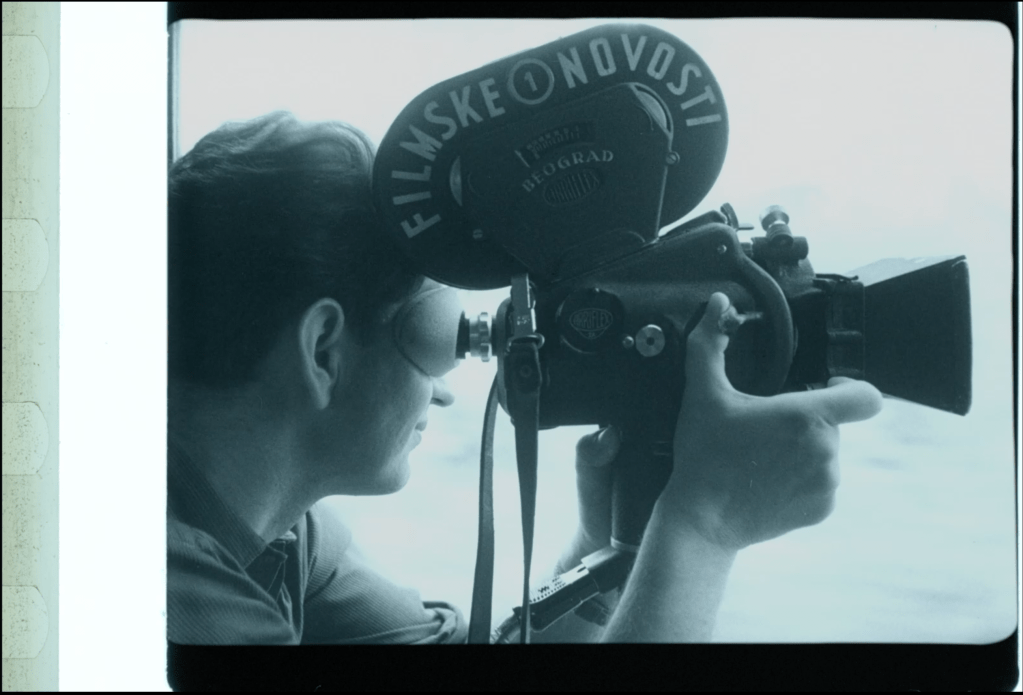
At a time when the world was divided into Cold War blocs, Yugoslav filmmakers and reporters enjoyed a unique position in-between. Their solidarity with anti-imperial and socialist struggles won them insider access to countries closed off to the foreign press. As a result, the archive of the Yugoslav Newsreels in Belgrade today houses a unique and largely unexplored trove of material from which we lay the cornerstone of this film.
I knew Stevan Labudović’s images long before I had the chance to meet him. During the years I spent researching the archive of the Yugoslav Newsreels, I viewed hundreds of hours of exquisite material filmed by their cameraman. They had filmed the revolutions in Mozambique, Tanzania, Mali, Angola.
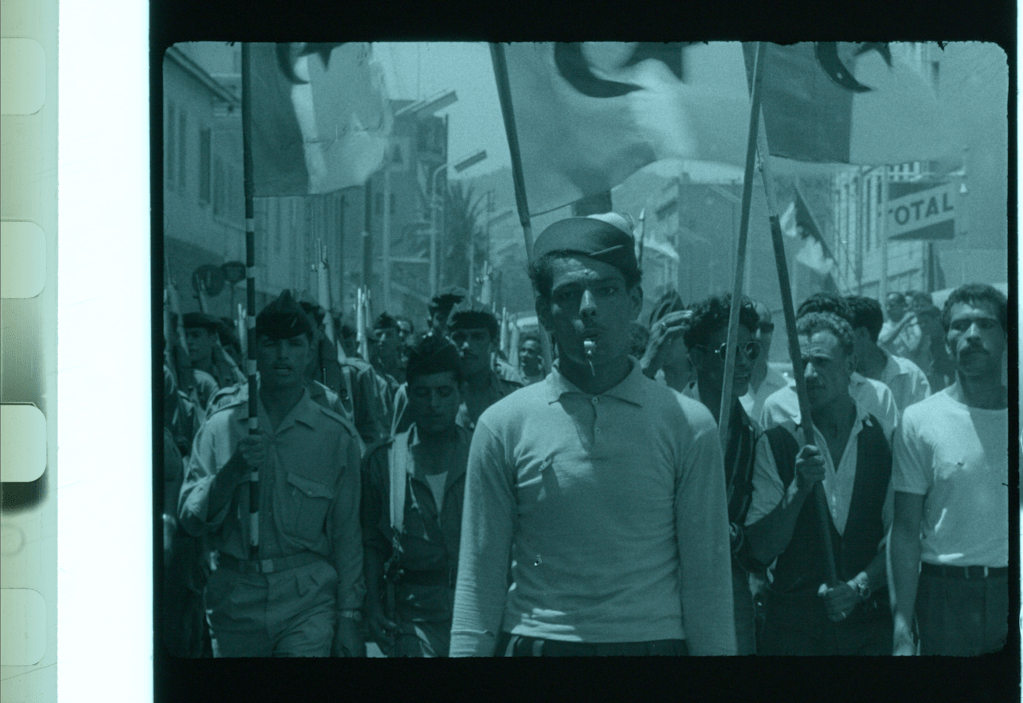
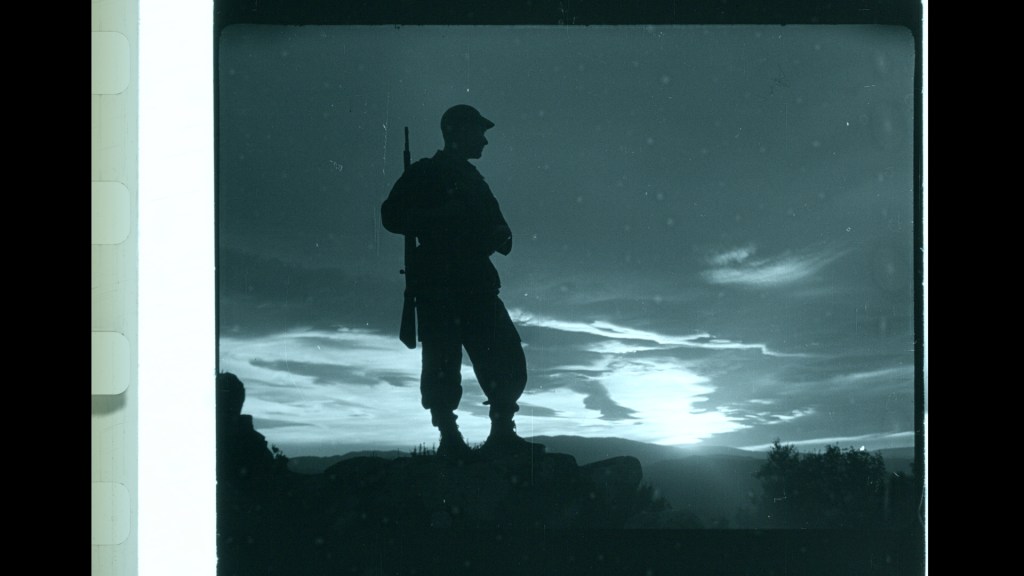
Stevan’s famous Algeria footage is the crown jewel. The Algerian war was a defining moment in the decolonization struggle, and Stevan had gone far beyond a cameraman’s assignment by joining the FLN (National Liberation Front) until they won their freedom.
I traveled with this quiet, modest man to Algeria, and was amazed to discover that there his legacy lives on. It was a precious opportunity to rediscover events from 50 years ago through the person who filmed them.
I knew I had to make a film about him the day he started giving me pointers on shooting. And a friendly warning:
“My camera was my obsession and came before everything else. I can see you’ve been bitten by the same bug. Be careful. It will take you to the most incredible places, but it will take over your life.”
I am at the beginning of a career in which I choose to explore the world around me through filmmaking. Facing me, I have someone who fought for his ideals with his images. The potential to hold a cinematic conversation is there. When a film like this arrives in your life, all you have to do is grab your camera and run with it.
About the Production
“Ciné-Guerrillas: Scenes from the Labudović Reels” explores an unknown archival trove of images of anti-colonial liberation movements, and is told through the perspective of the man who filmed them, Stevan Labudović, the cameraman of Yugoslav President Tito.
The films are part of Non-Aligned Newsreels, a long-term research project re-activating forgotten archives of 1960s liberation movements and newly-independent countries in Africa filmed by Yugoslav cameramen. It is based on a little known film archive kept in Belgrade, the former capital of Yugoslavia. Filmed between 1959 and 1975 these materials – made for Algeria, Mali, Ethiopia, Tanzania and Mozambique – have been digitised as part of the project. Through researching the non-aligned collection in in the Yugoslav archives, the project explores the circumstances of their creation and the legacy of the cameramen who filmed them.
Since 2015, filmmaker and archival artist Mila Turajlić has been researching the non-aligned collection of the Yugoslav archives, seeking to ‘project’ the images forward – via critical writing, lecture performances, video installations, exhibitions and online content.
From the films made by Yugoslav cameramen accompanying President Tito’s ‘Voyages of Peace’ across the non-aligned world in the 1950s and 1960s, to the footage they shot for liberation movements and newly-independent countries in the 1970s, and the collaborative film projects covering the Non-Aligned Summits up until 1989, the aim is to explore the ways the filmic image chronicled the birth of a political project, becoming at the same time the vehicle through which this community was constituted and their vision narrated.
Mila Turajlić worked with Stevan Labudović for over three years in organizing and inventorying his personal archive and on contextualising his cinematic legacy. Traveling together, they filmed in key locations of Labudović’s personal and professional life, going all the way to Algeria to capture the location that became the defining chapter of his life. Interviews were filmed in Algerian with Stevan’s former comrades in arms, formidable figures of Algerian resistance to French colonization, who gave the production access to their stories as a gesture of friendship and gratitude to Labudović himself.
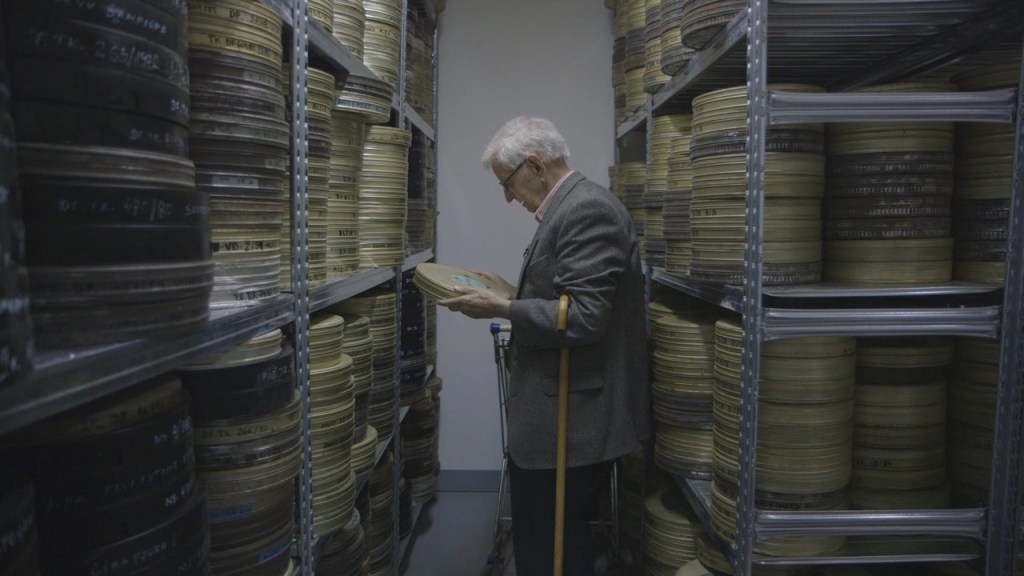
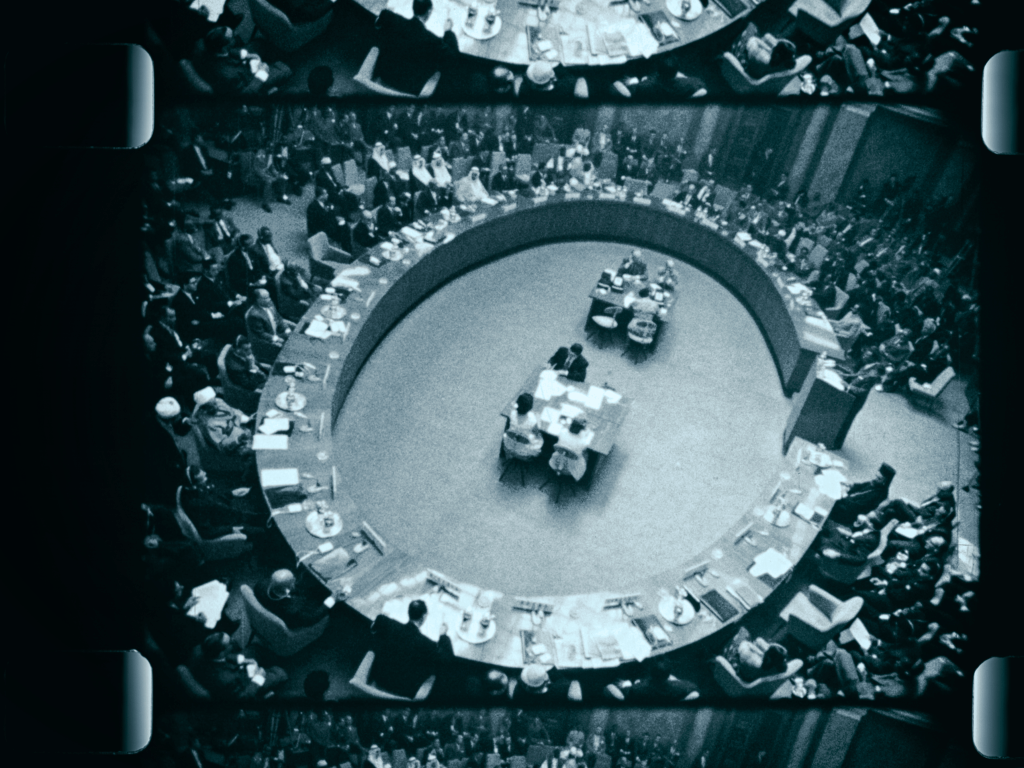
A great production challenge on this film was working with the dozens of unexplored and inventoried reels held in the Filmske novosti depot, both of President Tito’s trips in the non-aligned world, and Labudovic’s unedited footage from the Algerian Liberation Movement. The material was painstakingly reviewed and scanned in 4K resolution by head archivist Jovana Kesić. During the process they unearthed two dozen reels of unused material from the First Non-Aligned Summit held in Belgrade in 1961. Mila Turajlić sought out existing sound recordings of the Summit, and along with the assistance of a company of deaf/mute lip readers in the UK managed to synchronize the sound and images, creating for the first time in 60 years an audiovisual record of the historic event.
Started in 2015, Non-Aligned Newsreels has evolved into a series of performance lectures, video installations and exhibitions, research articles and online content. More information on the research project and the films is available at the Non-Aligned Newsreels project platform.










 True Story Blog
Leave a comment