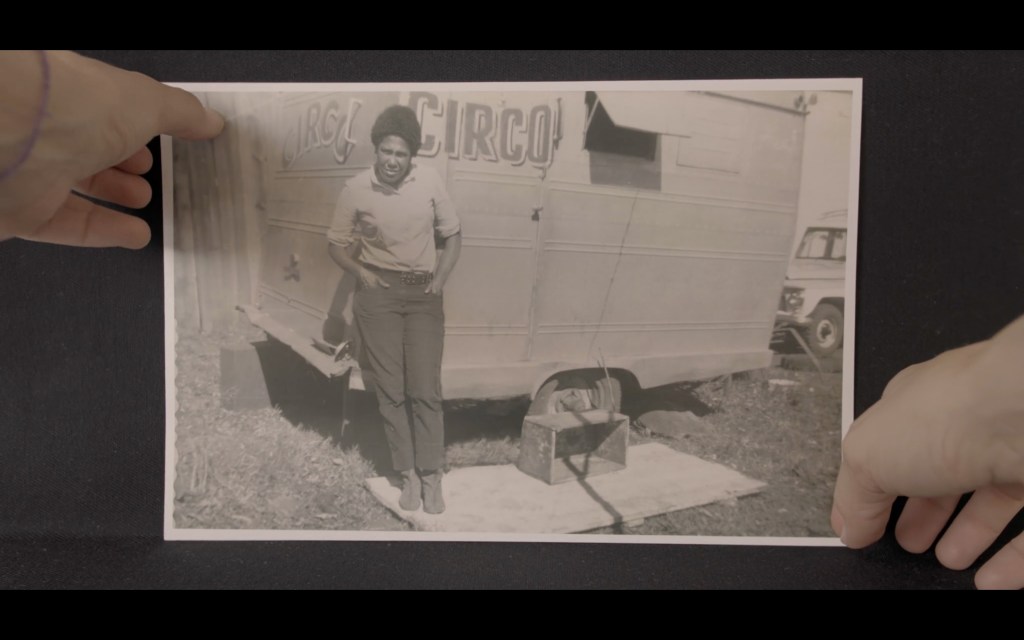
My father took pride in having grown up among circus performers and in seeing that his own children carry on the love of this heritage. I grew up listening to my father tell stories about his atypical, free childhood, full of adventures in his mother’s circus. My great-grandmother saved a tamer’s life by shooting the famous lion Pacha, who was about to kill him; my great-grandmother’s sister managed to escape an arranged marriage when she ran away on horseback at the end of her equestrian ballet act. These fantastic stories led me to start this film ten years ago. That could have been my movie. Reiterating this lineage’s romanticised and fantastical aspect that goes back to my great-grandparents. This film is instead about what these stories ended up hiding and which would have disappeared had it not been for my almost obsessive curiosity for my enigmatic aunt Neirud.
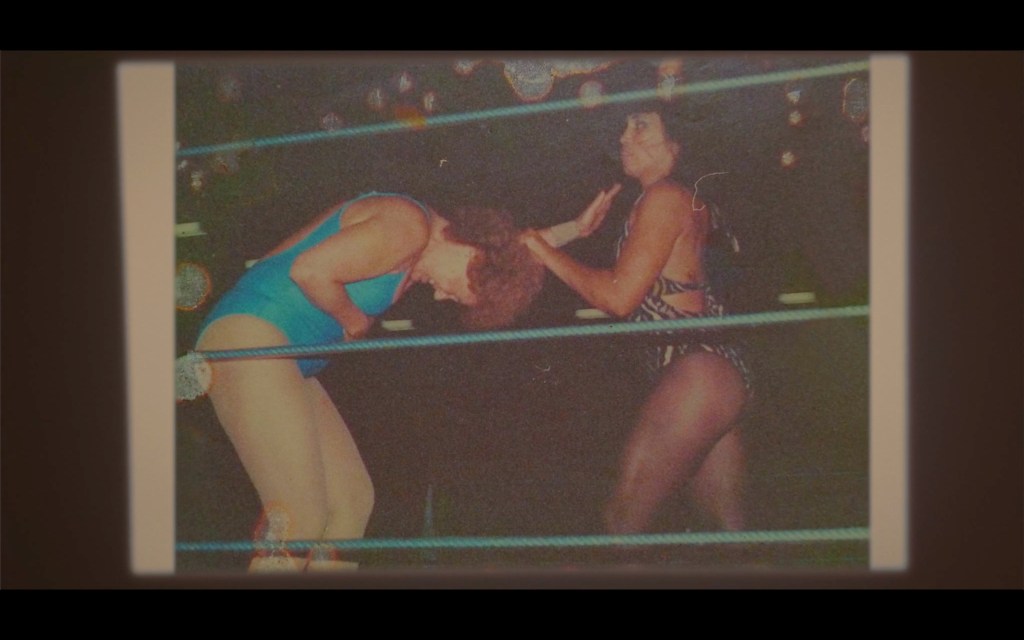
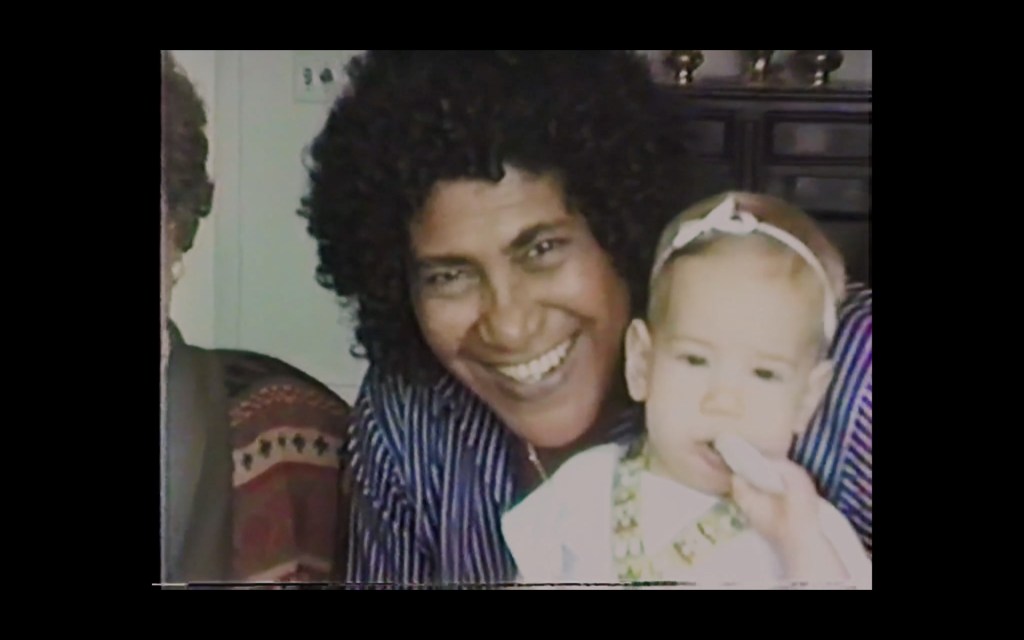
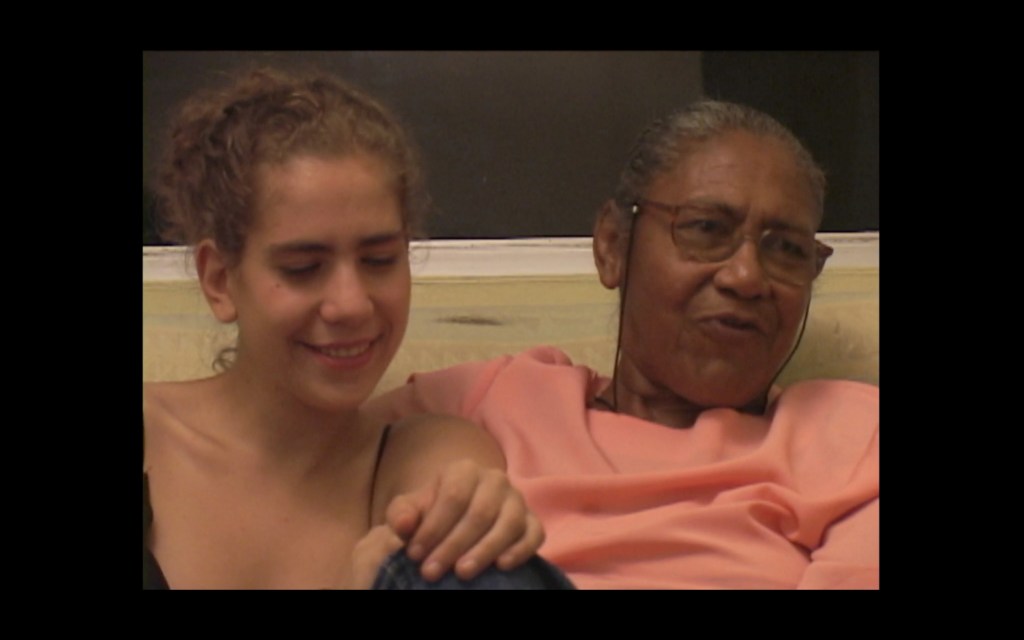
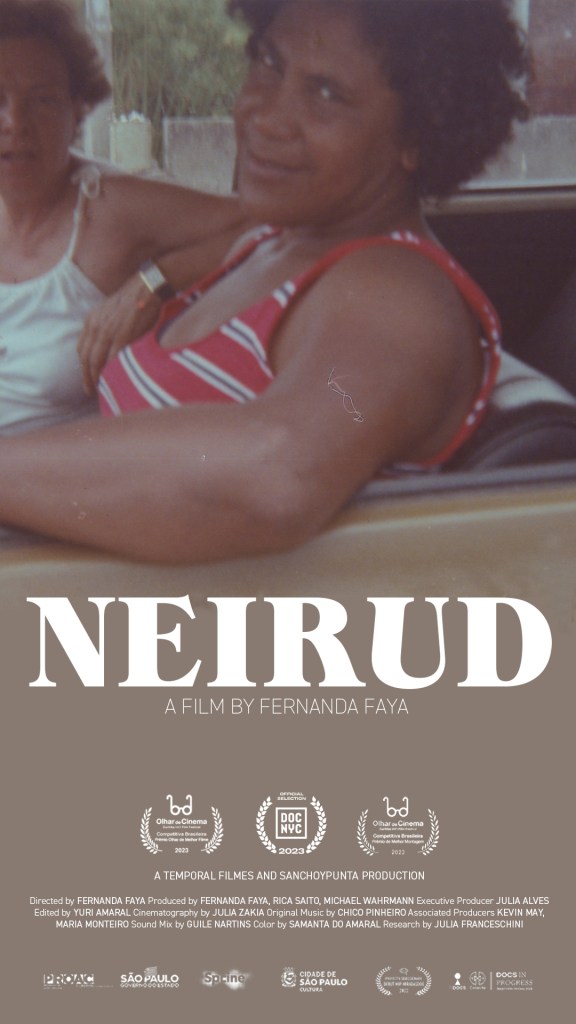
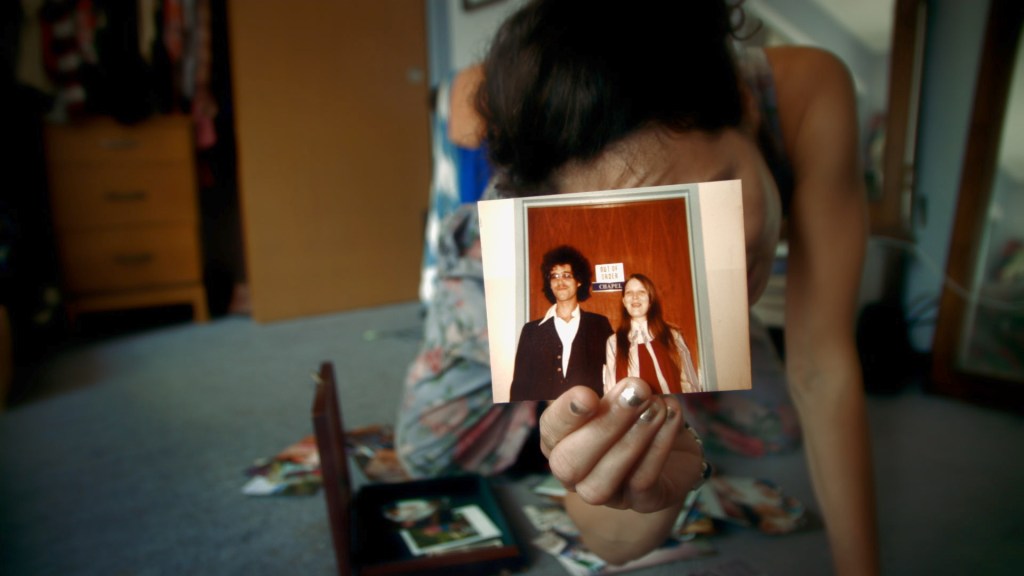
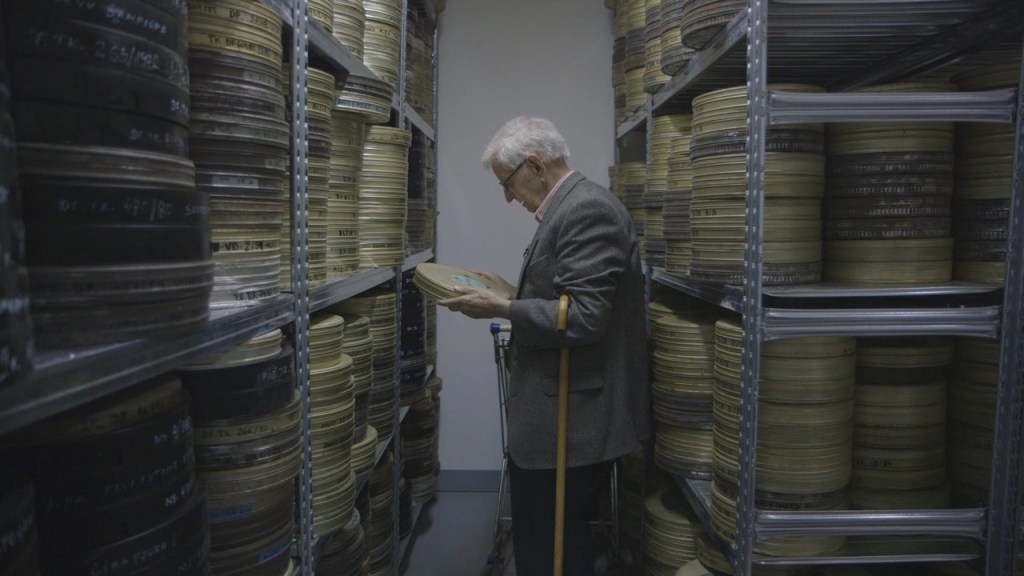
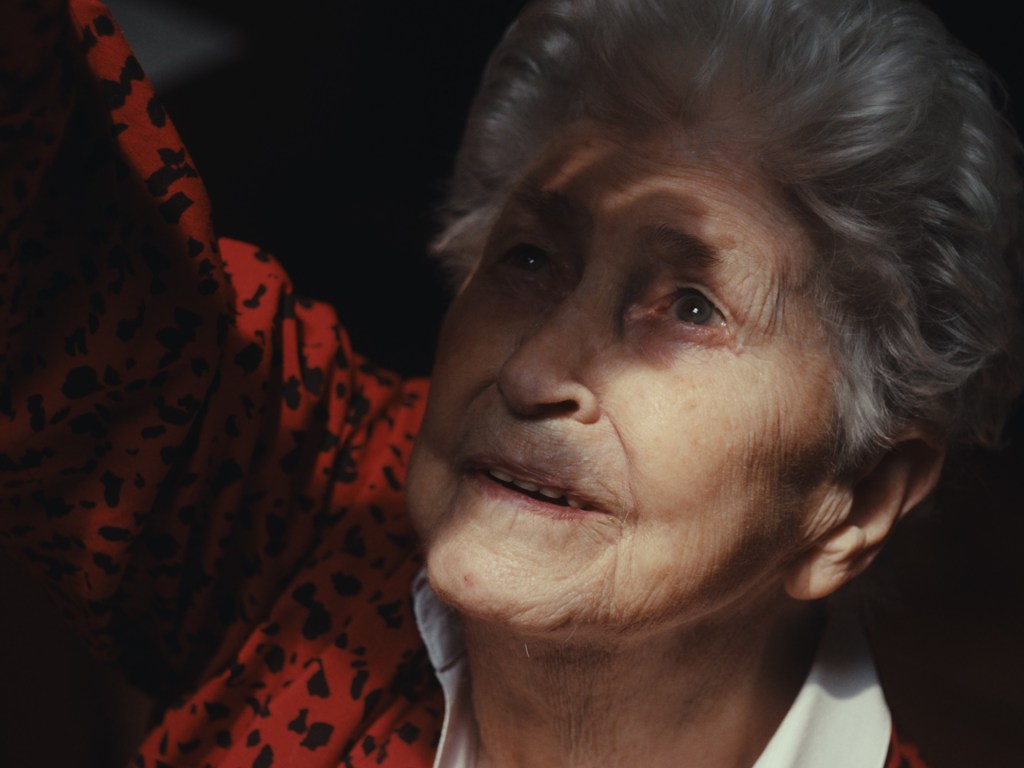
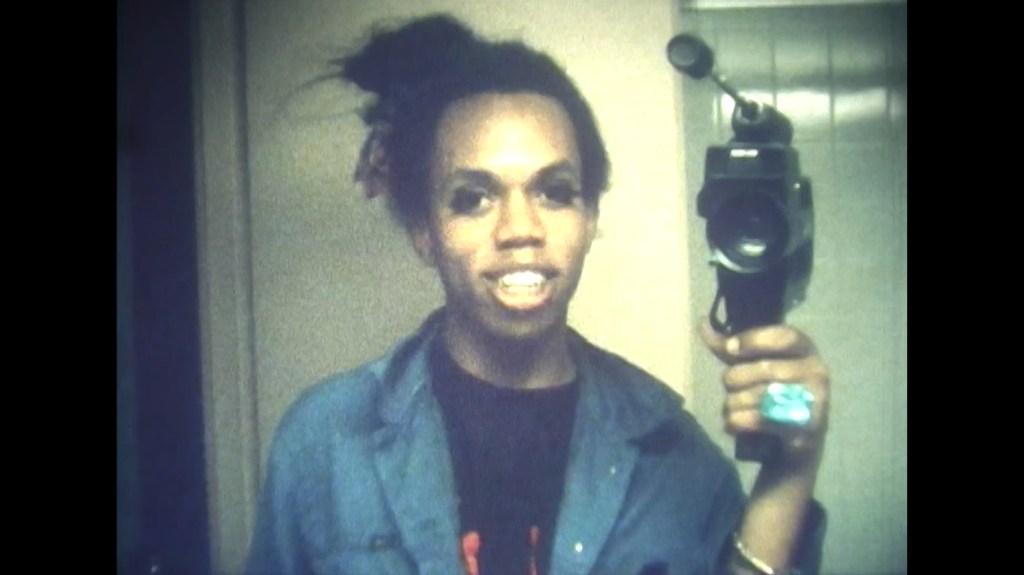
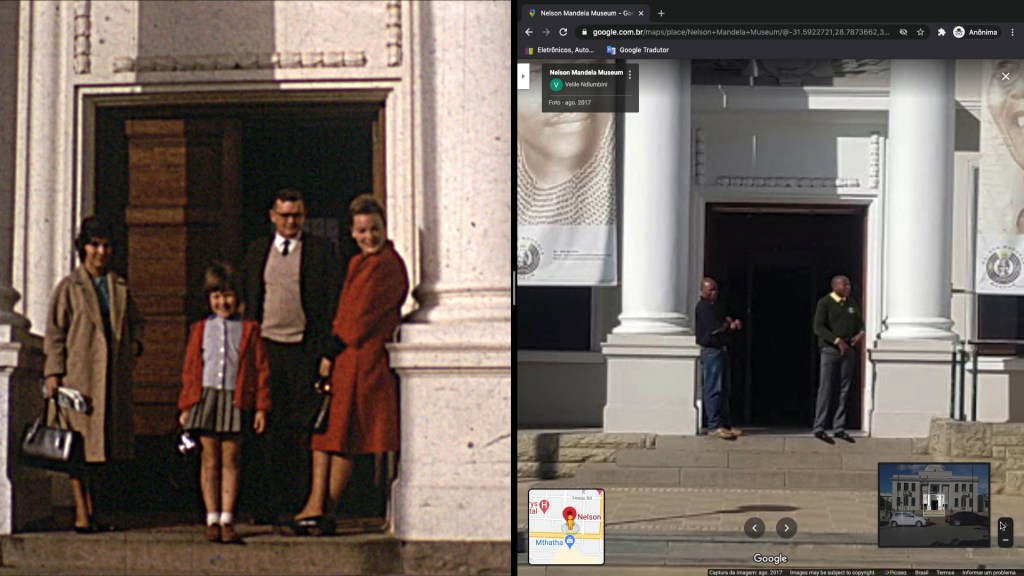
Neirud: the only black person in our family, the only one who could lift my brother and me with just one arm, and who, as I grew up, would only reveal one or two things about her past as a circus performer herself. She died in 2014, leaving no trace of her life. My investigation became an archaeological effort. I excavated old home videos and photographs to find traces of Neirud and discovered a universe I hadn’t heard about: women’s wrestling in the circus. Not just that, but a troupe of women led by my grandmother, of which Neirud was a member.The more I researched, the more I learned directly from former women wrestlers and their children that female wrestling was one of the most important and unknown facets of Brazilian circus history. I was surprised to learn that there is no documentation about these women in official archives and collections. Around that time, in my personal life, I was struggling to understand how to deconstruct gender roles within my very recent and heteronormative marriage, and the life stories of these women were living examples of challenging society’s work and gender norms and using the circus as a way to exist outside of the sexist demands of their times. I realised that not just in broader social structures but inside my own family dynamics, the narratives mostly reproduced patriarchal standards, erasing female and predominantly lesbian stories.Telling Neirud’s story is a political act and a gesture of love. As I place her at the centre of this film, the invaluable cultural and artistic contribution of one of the pioneers in the art of wrestling, who became a trailblazer to subsequent generations, becomes evident. By unveiling the true relationship between Neirud and my grandmother, I can reimagine Neirud’s role in the family. NEIRUD highlights a life-long devotion to a non-conformist life and an urgent affirmation of her existence.
















 True Story Blog
Leave a comment