
Olga Chernykh – Artistic Approach

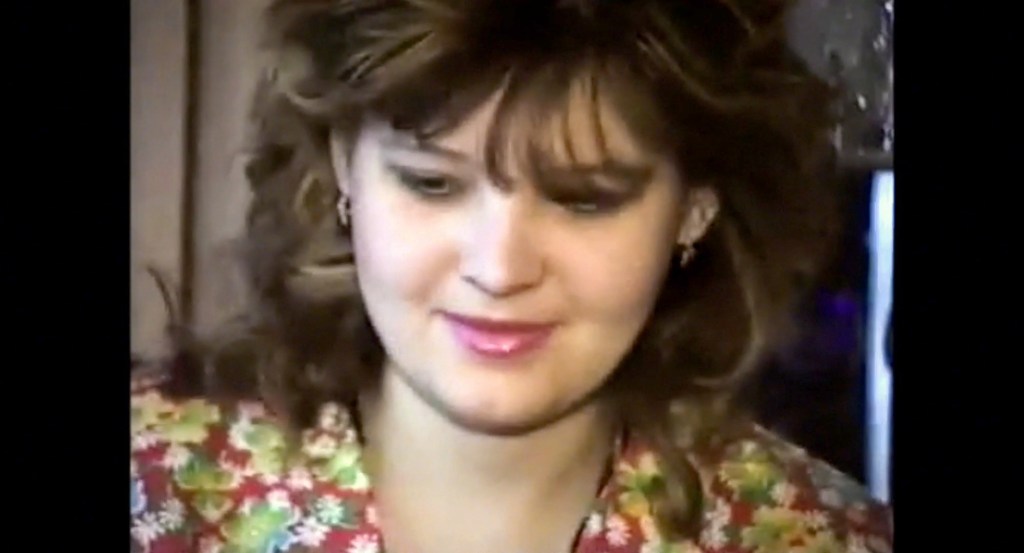
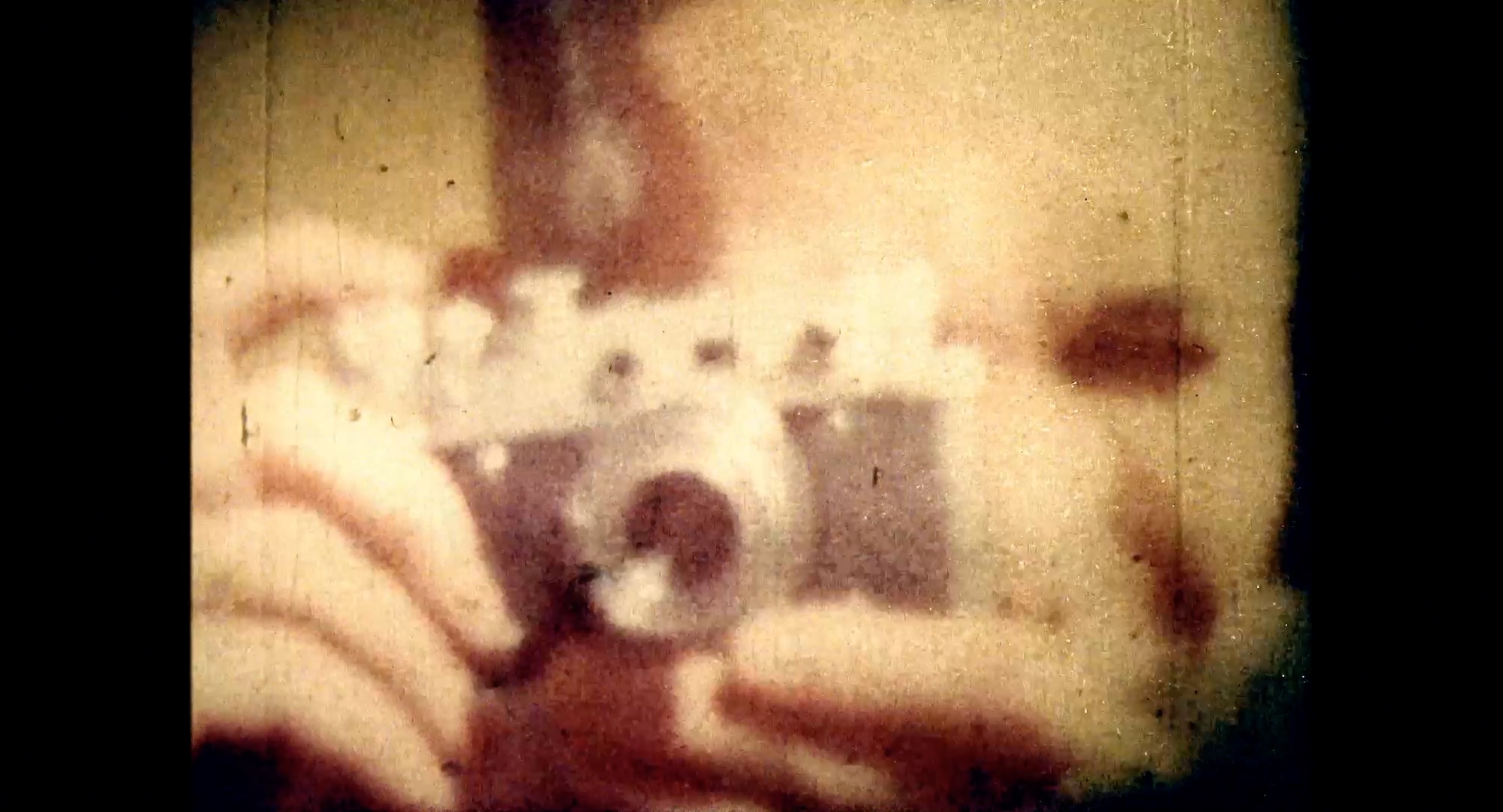
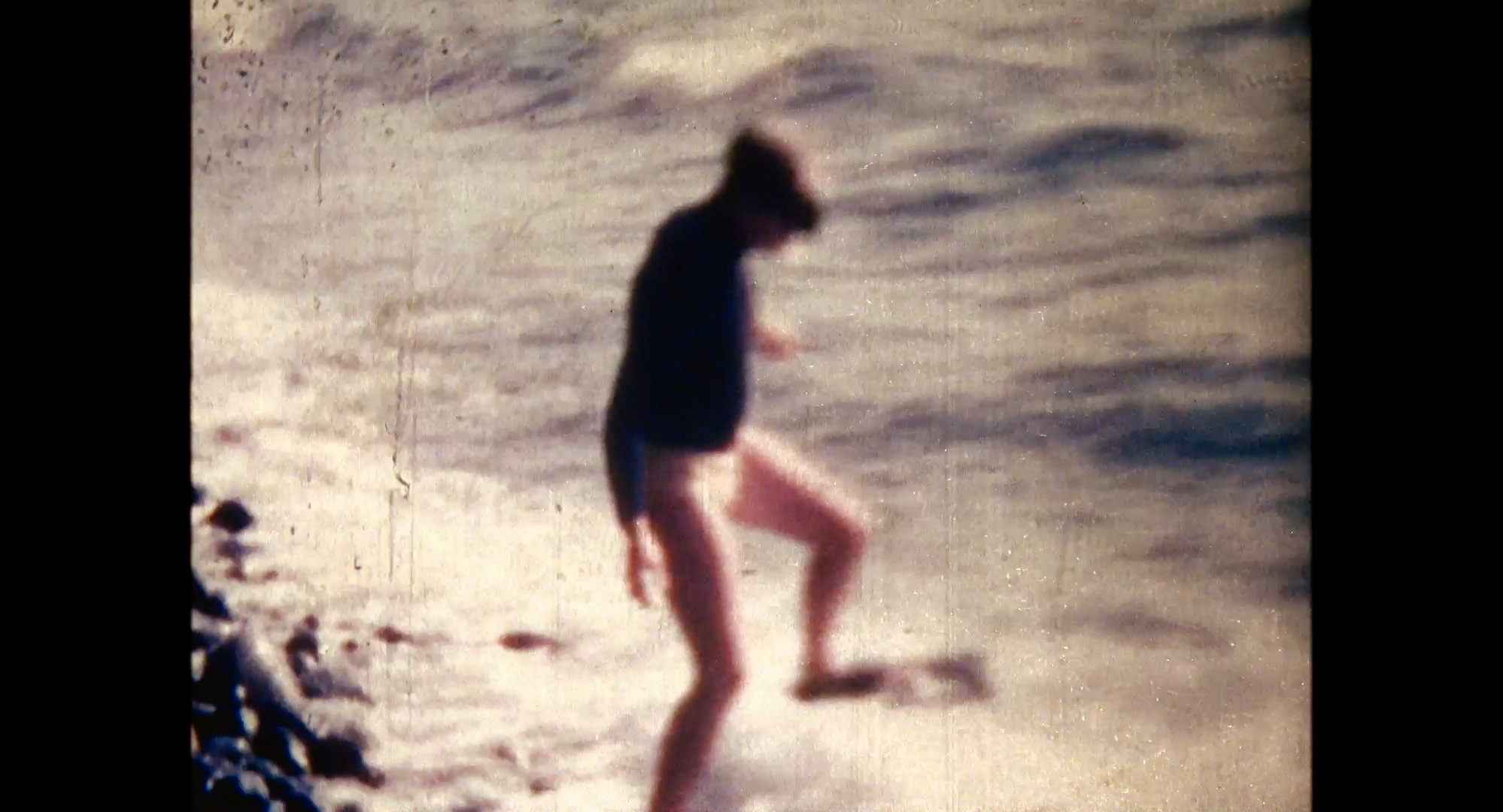
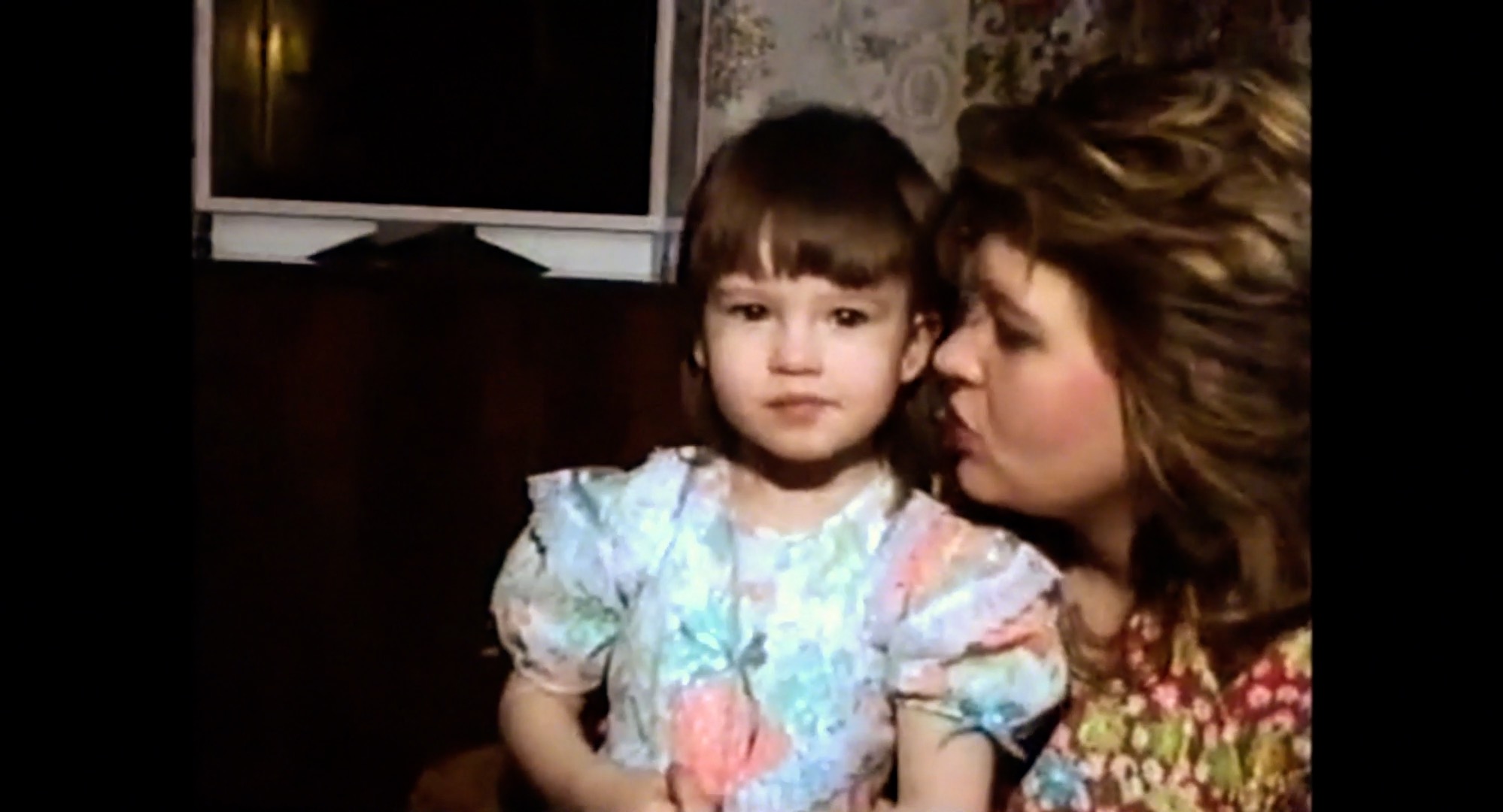
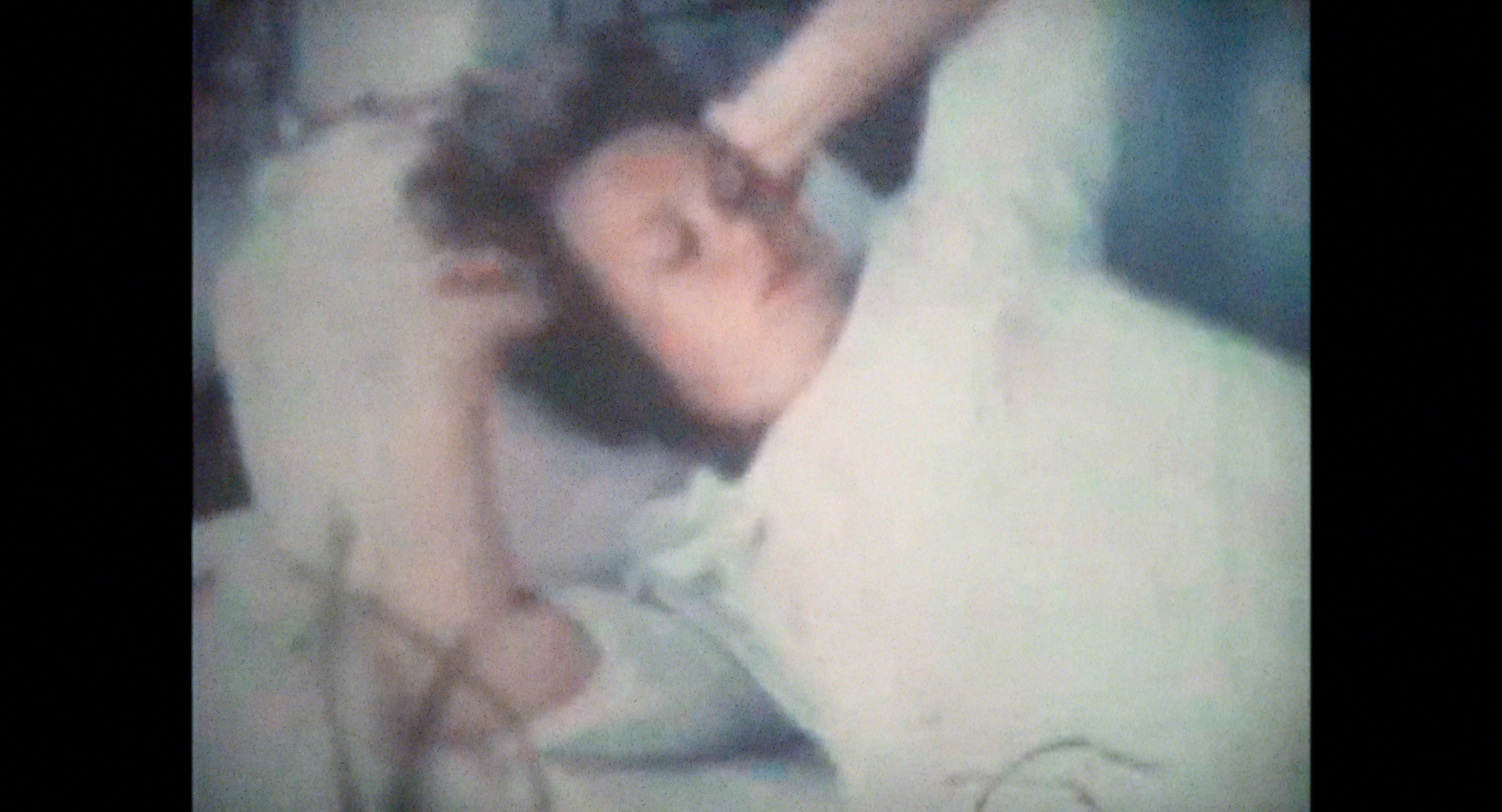
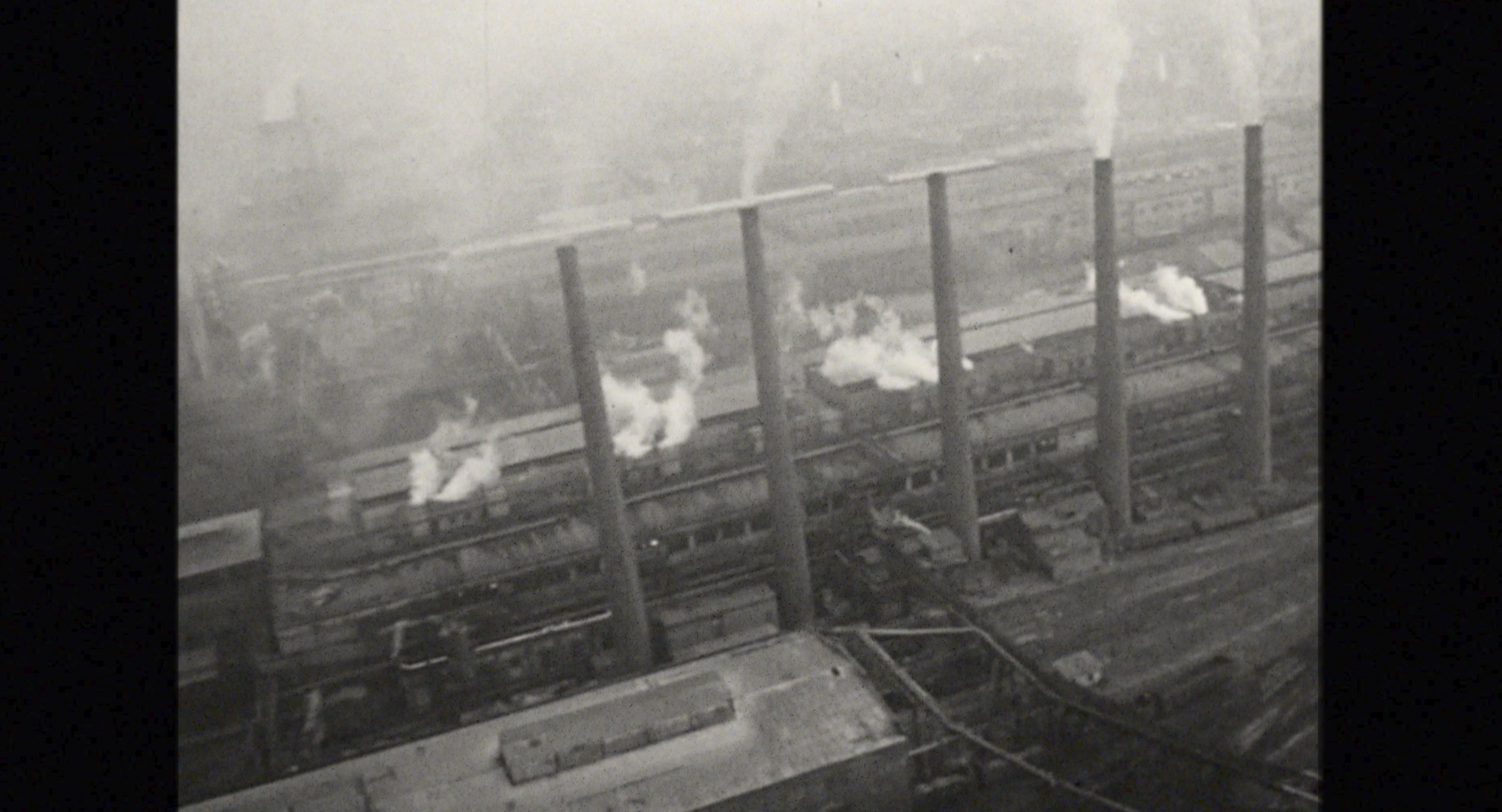
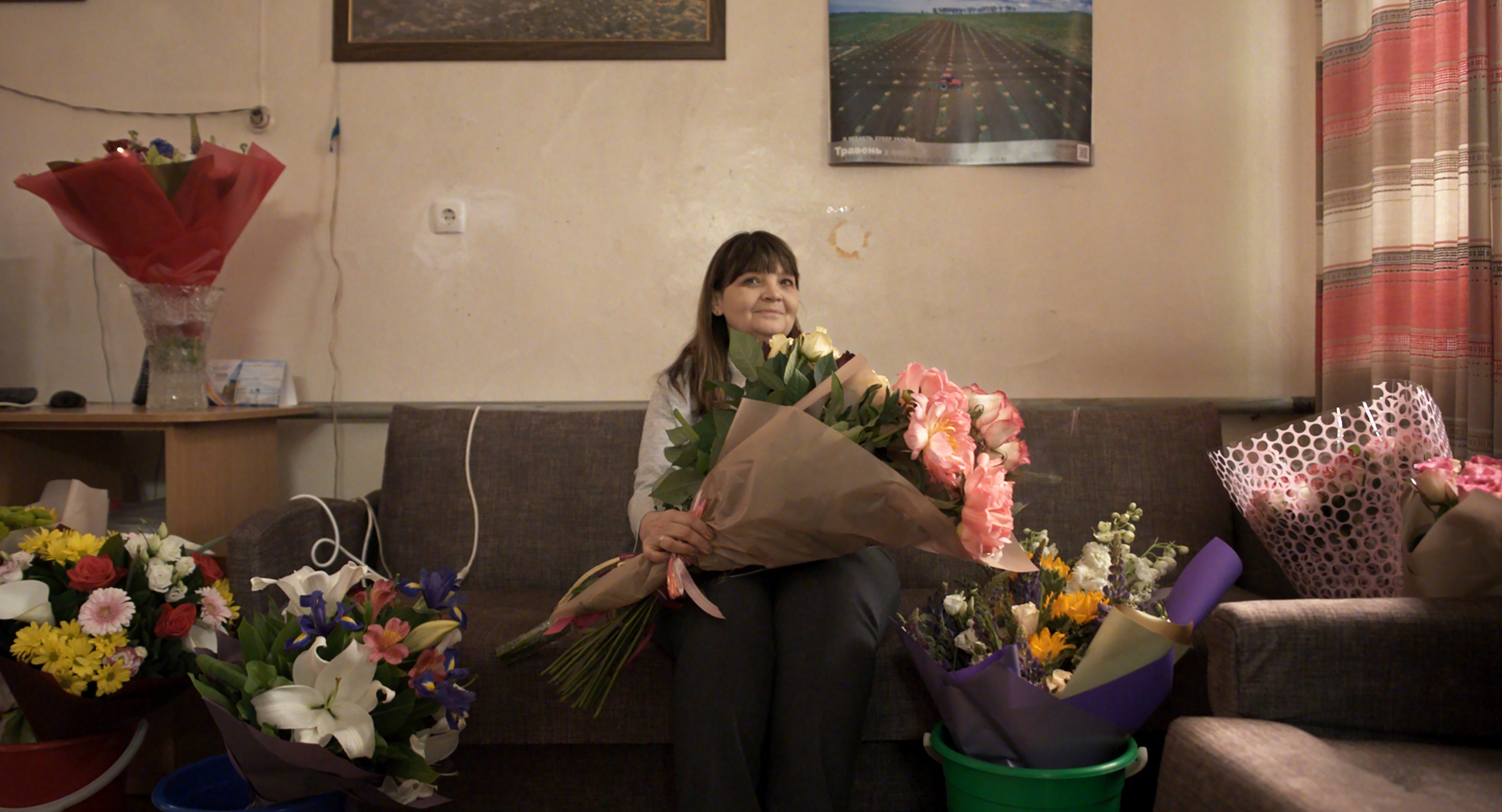
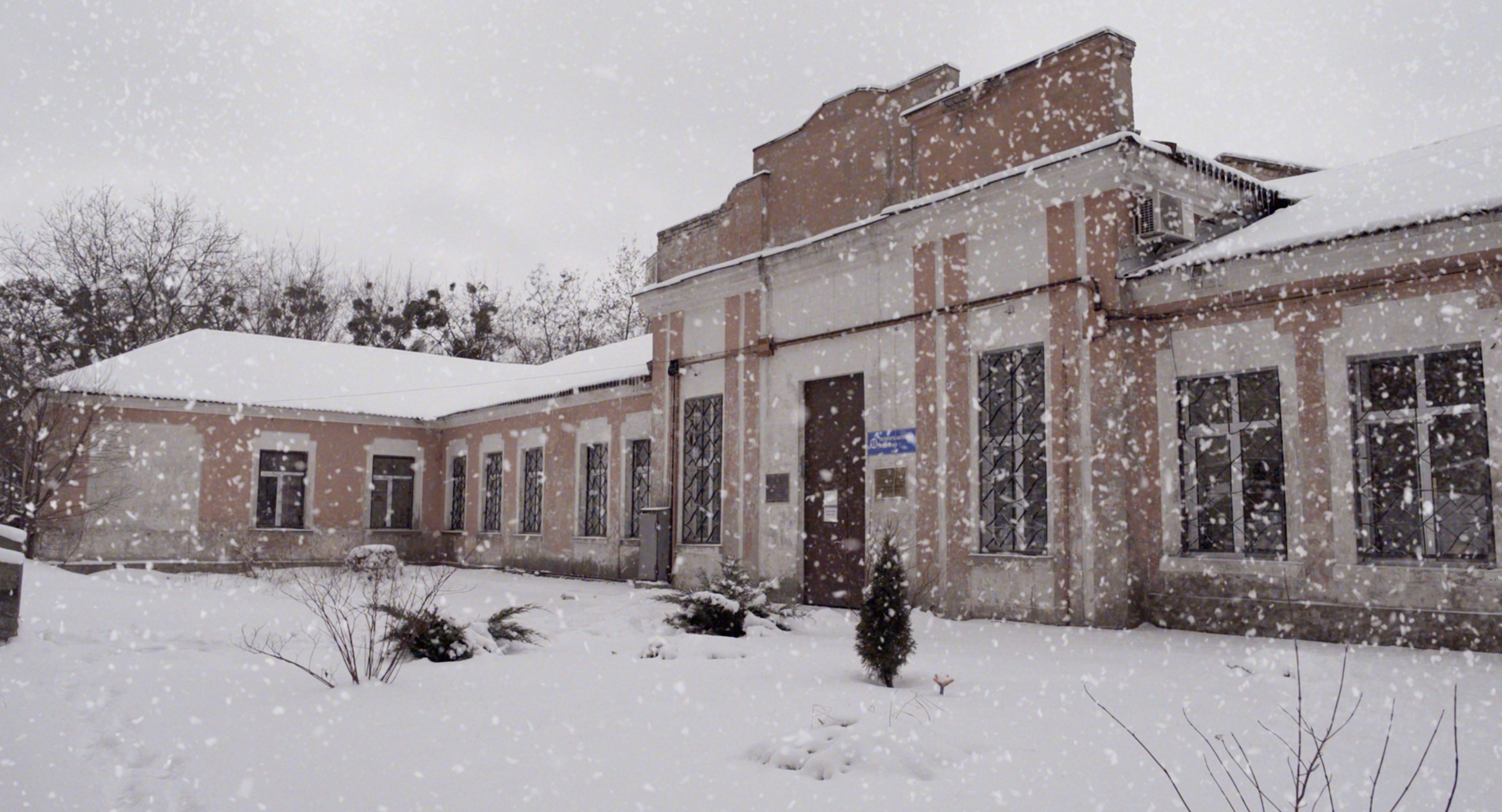
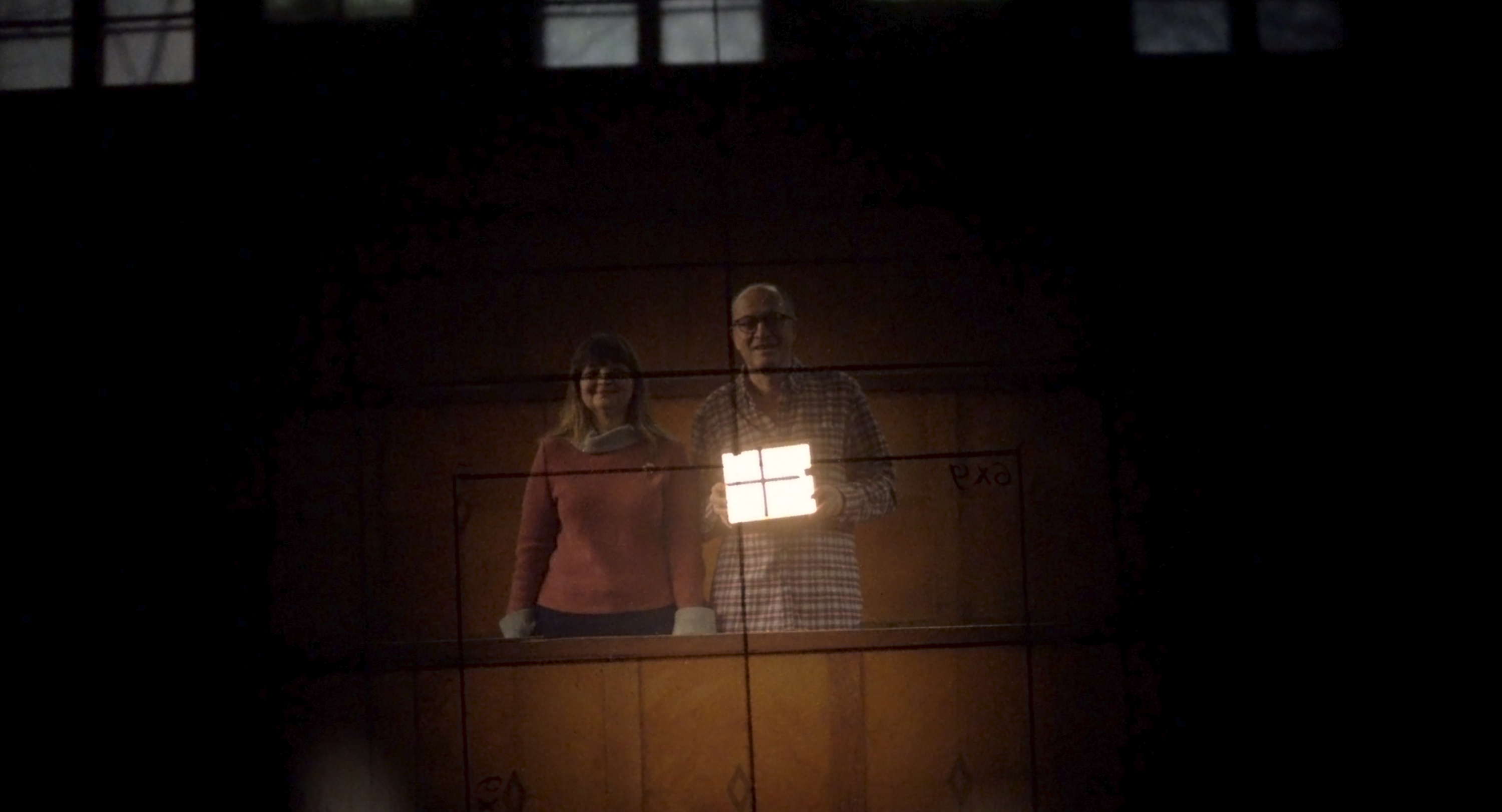
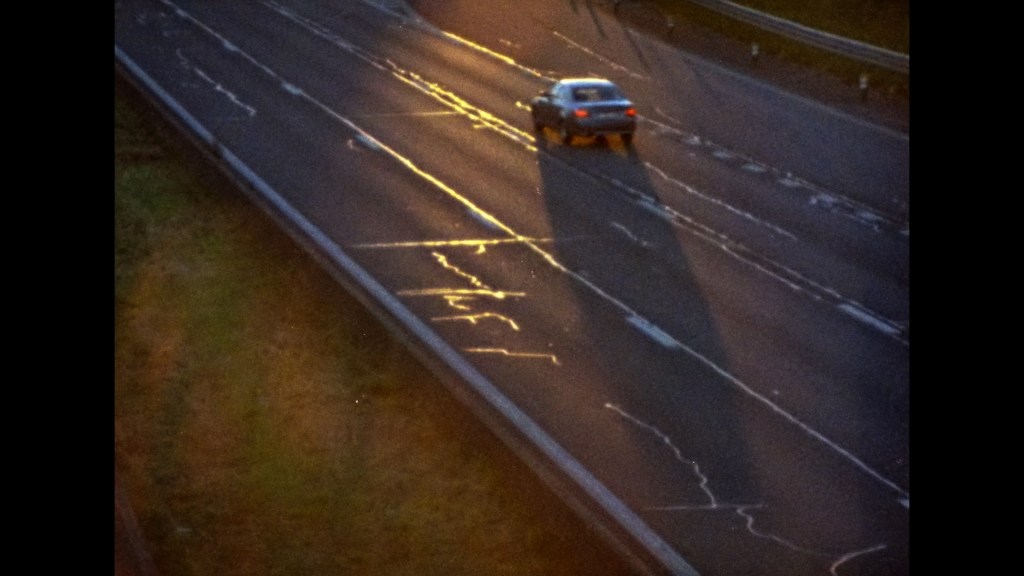
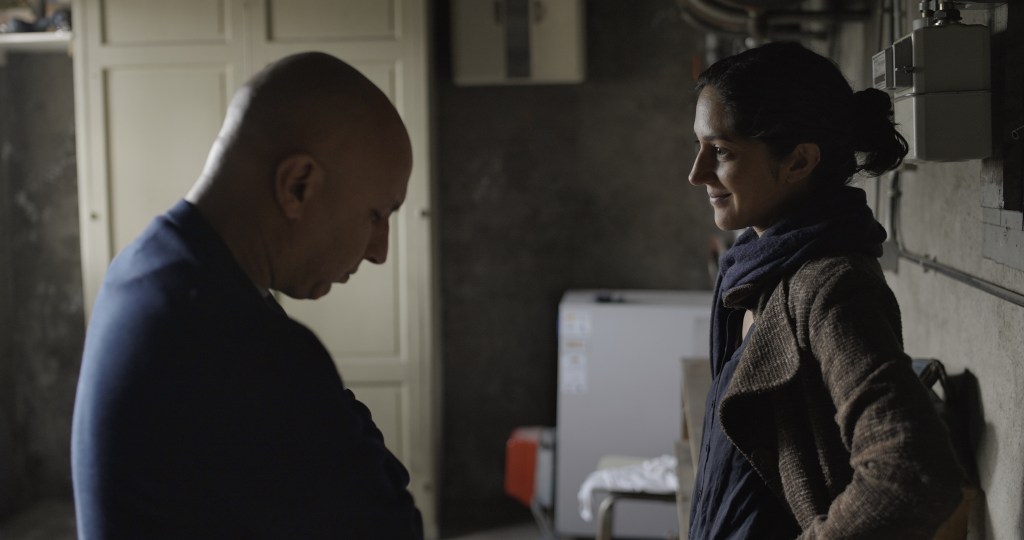
The film will consist of various materials: documentary observation of the life of the department of pathology and the morgue; memories of the director’s family as well as of her own childhood that are transferred through family videos in the 8mm film style, as well as archives of Donetsk from the beginning of the 20th century, as well as those running all the way through modern times.
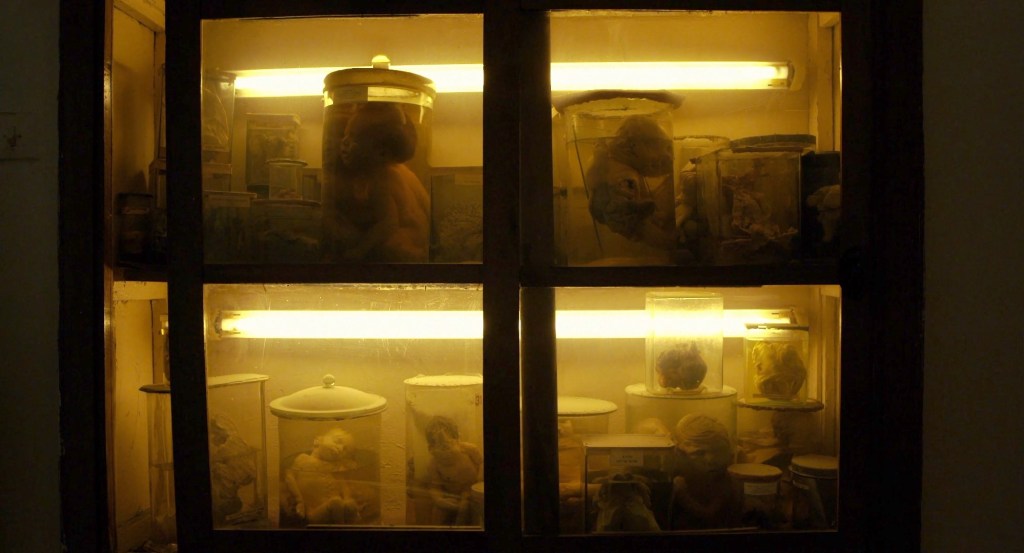
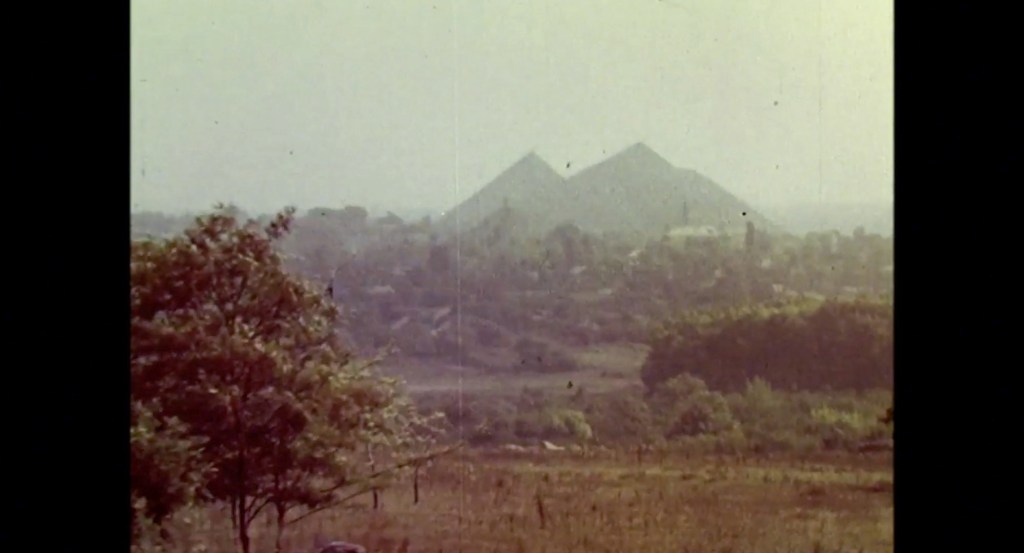
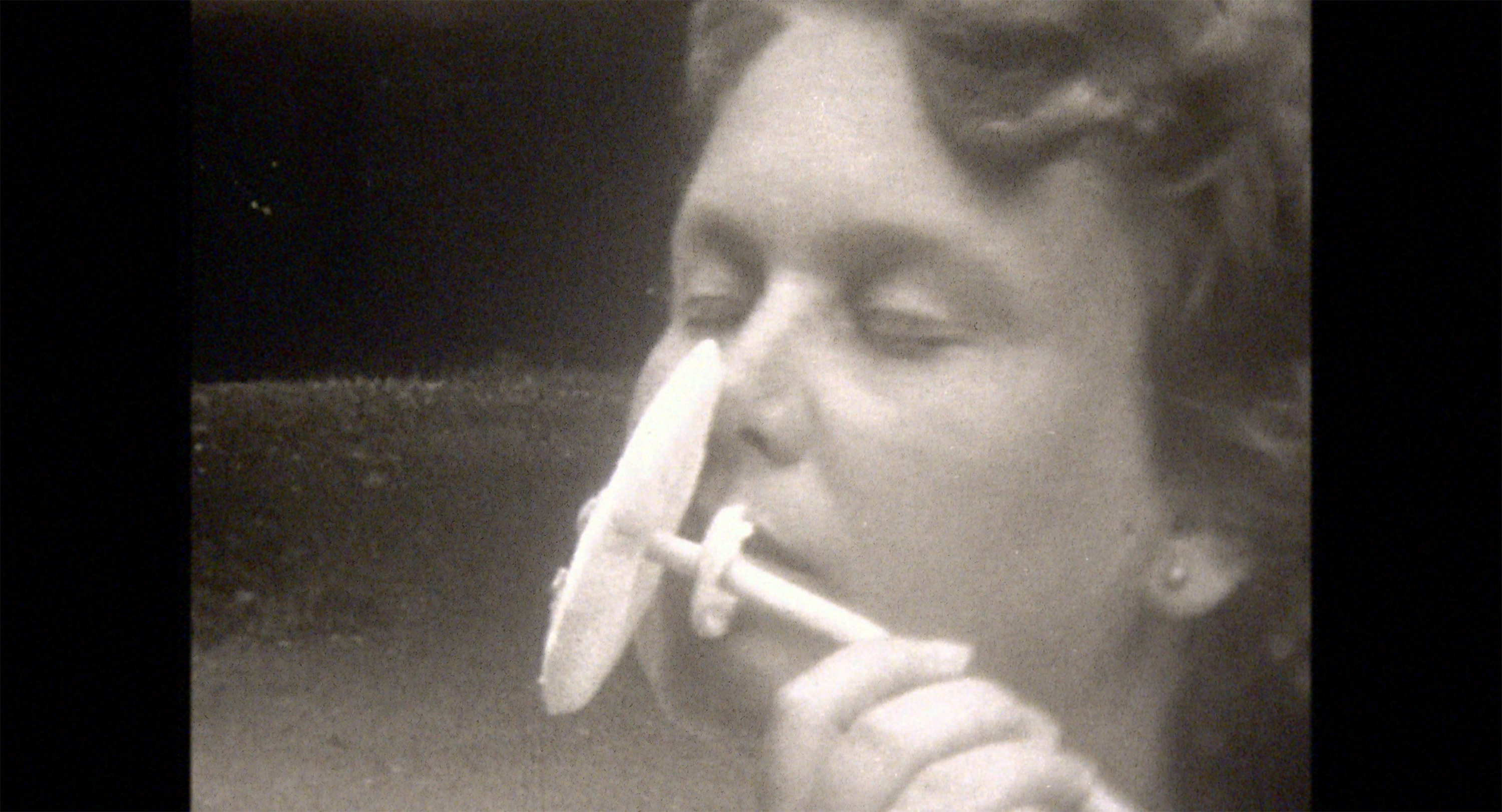
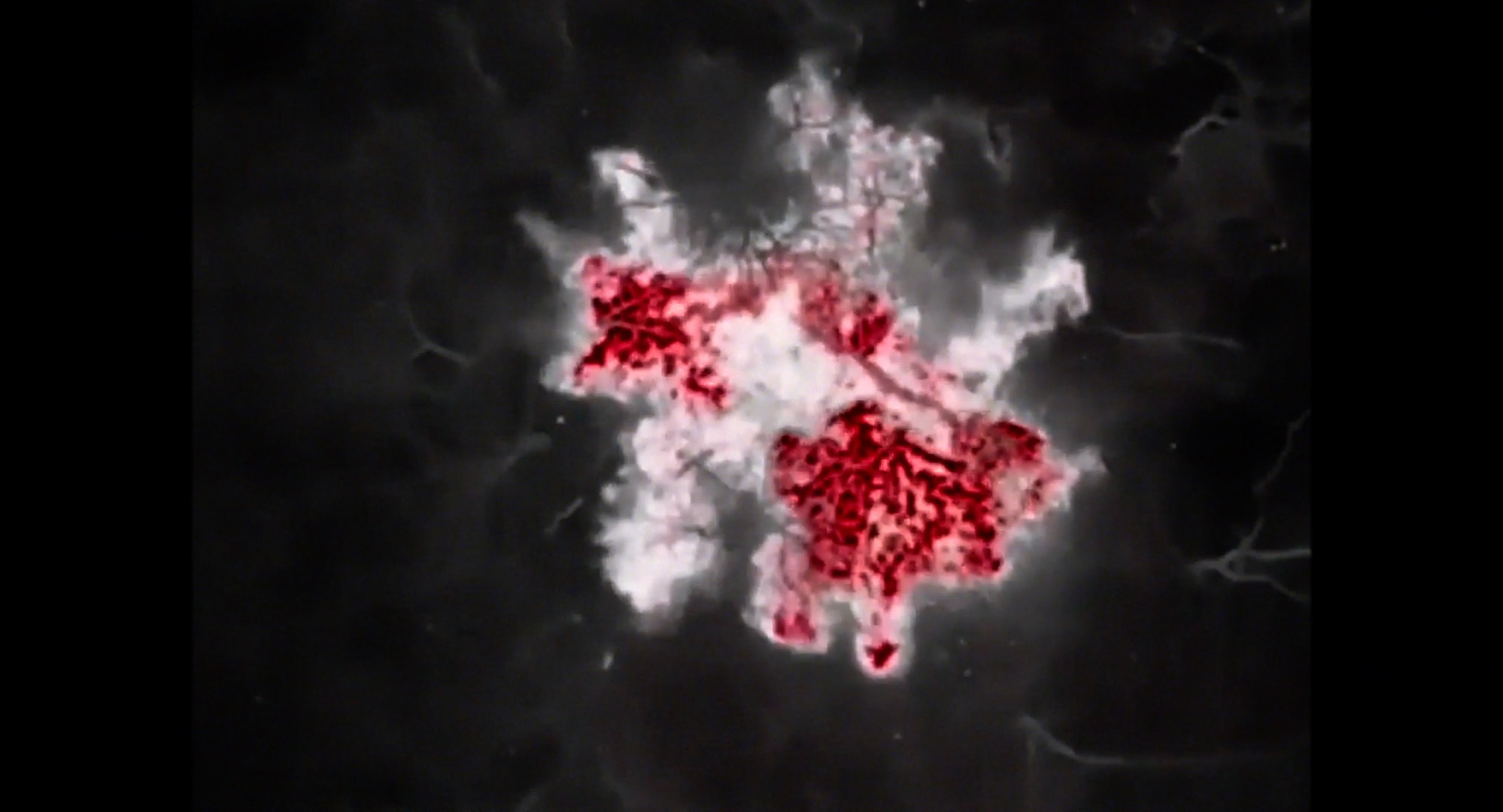
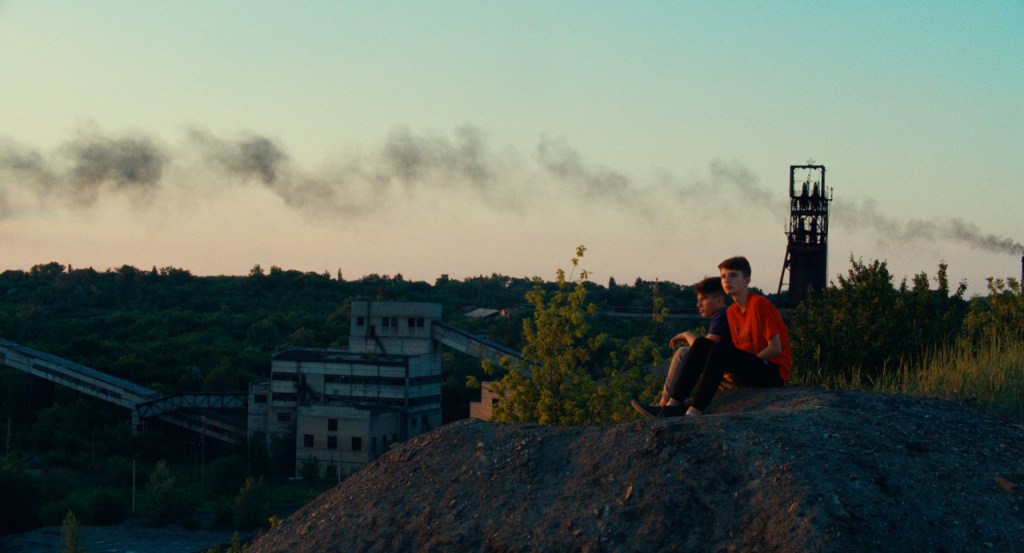
The film will also use ‘macro’ photos of the material that the mother of the director studies under her microscope (this includes samples of cancerous tissue for example, etc.); as well as snippets of well known historical films that have been shot about Donetsk (for example interspersed with shots from the classic “Symphony of Donbas” by Dziga Vertov). Usage of archival material of the Donbas in past times is crucial for putting the family story into its historical and cultural context – in order to showcase the atmosphere of the city. There will also be visually poetic – metaphoric – shots of the city that will to serve to forge an emotional link between episodes in the film.
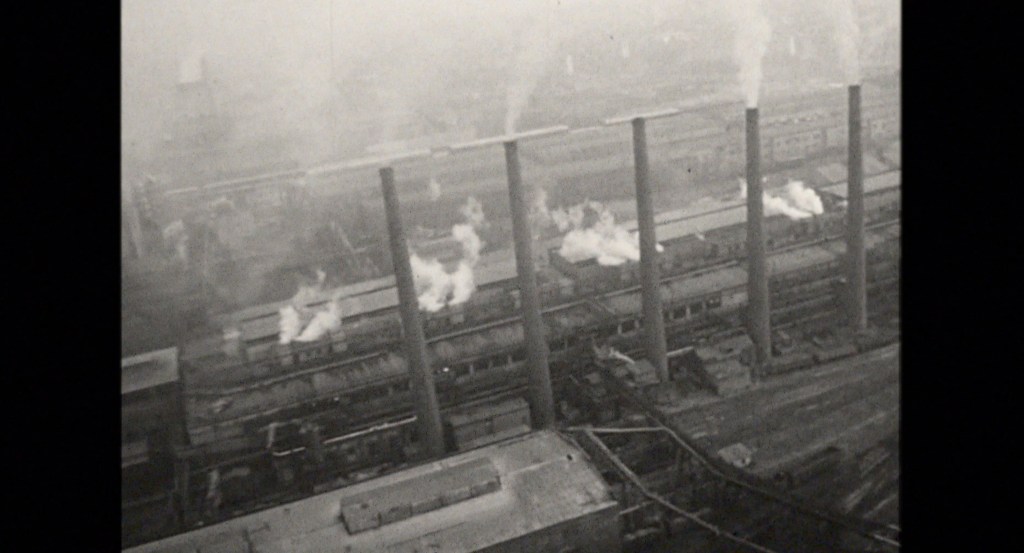
Within the context of a non-linear editing process, we will go back and forth in time with the help of all these elements. This is the frame that will be used throughout the whole film: the observational scenes and shots will be much longer and will be static while the episodes that include the archival material – the rhythm and cuts between scenes- will be much faster. While observing life we will try not to cut too much and let life unfold in front of the camera rather than manipulating it with any sort of edit. This will allow us to follow the flow of the character’s thinking and actions in a more tangible manner. This approach to editing the archival material will allow us to gesture at the elliptical -and mosaic- nature of memory.
The audio approach to the film is to based on 4 main elements: a voiceover from the director’s point of view; original or reconstructed soundbites that are present in the localities where the film unfolds; an original musical composition which will utilise ambient sounds recorded inside of the pathology department (this will include its atmosphere as well as the special sound of the objects found there).
The film will also use parts of the recognisable music that was written about Donetsk, the Donbas or composed by famous musicians from the area (Sergey Prokofiev was born in the Donetsk region).
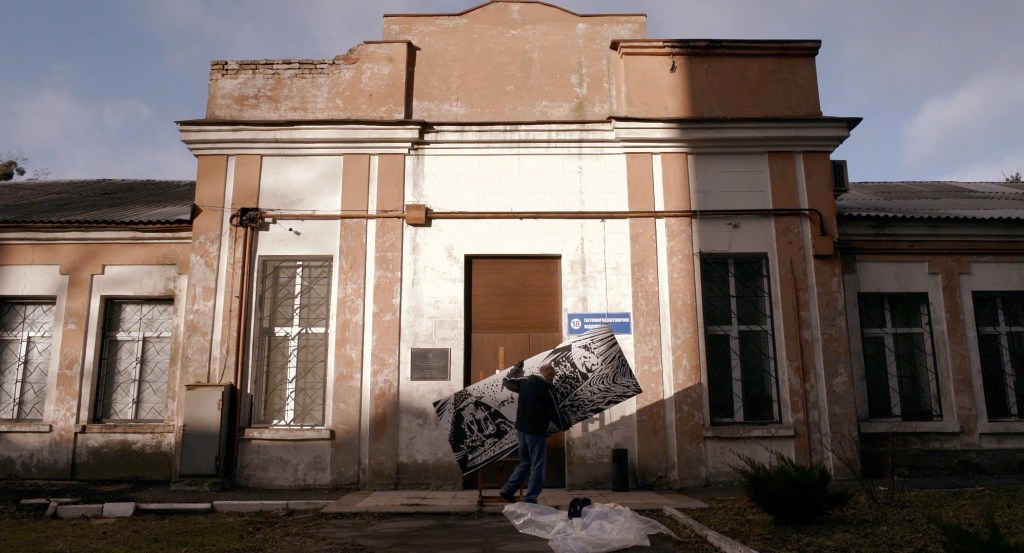
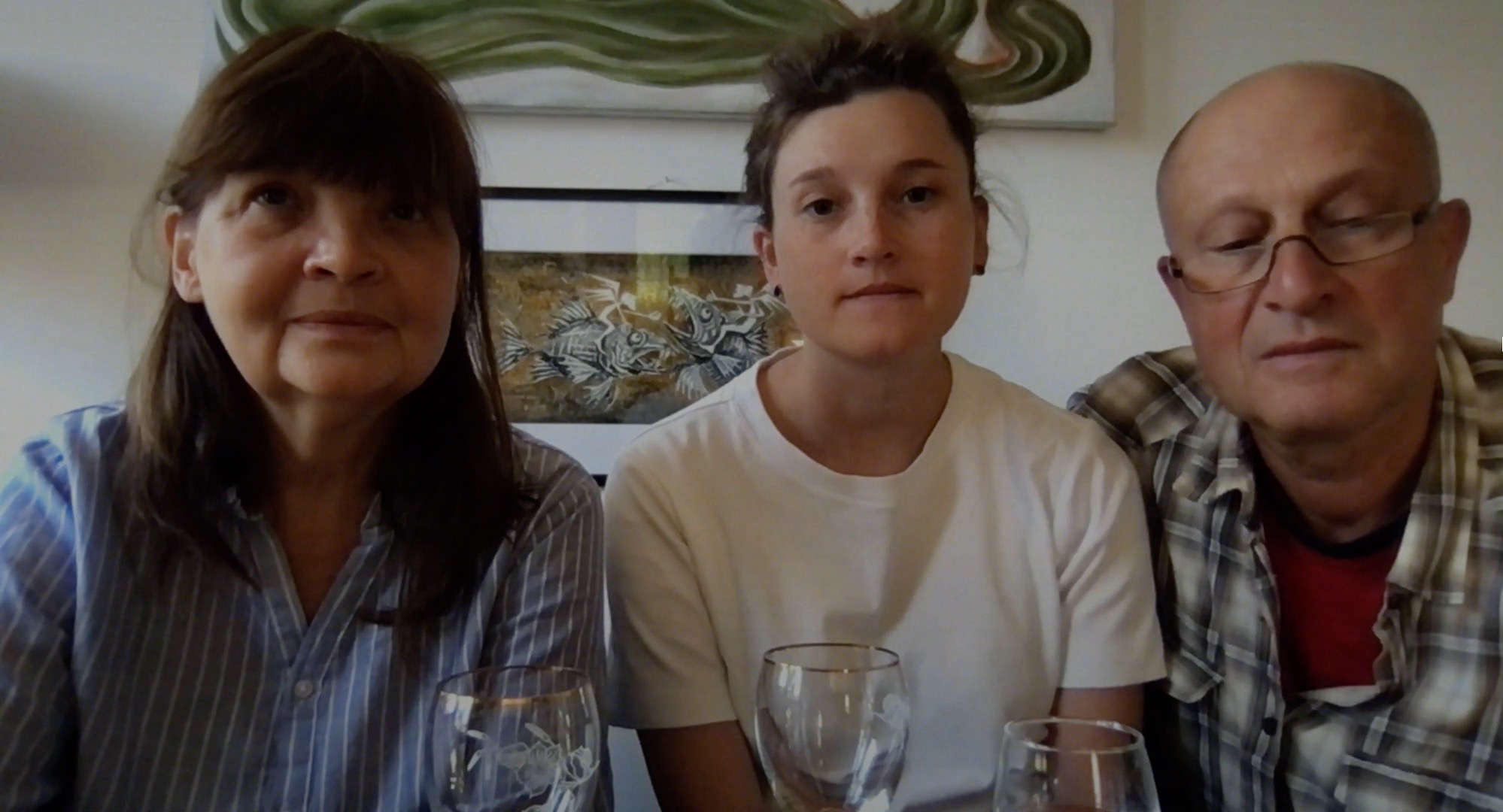
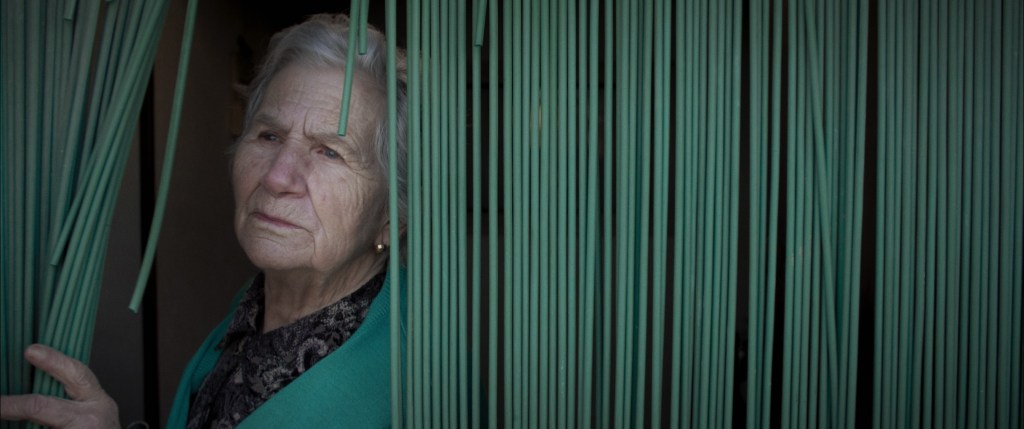
The viewer will be led along by the author’s voice throughout the entirety of the film. This will allow the director to tell her own story while also blurring the boundary between fact and fiction. It will serve to provide an intimate look at a very sensitive issue and personal family story. However, in the film, we will also witness observational scenes that have happened in the department of pathology. In those scenes, the characters will speak for themselves without any additional narration from the author. Throughout the entire film, we will listen in to recorded phone conversations with the director’s grandmother – who has chosen to remain back in Donetsk (which is currently occupied by Russian forces) – and through the prism of those conversations will be able to follow the events of the war without actually having to depict any of the shooting or explosions.












 True Story Blog
Leave a comment