
Rebana Liz John: Director’s Intro
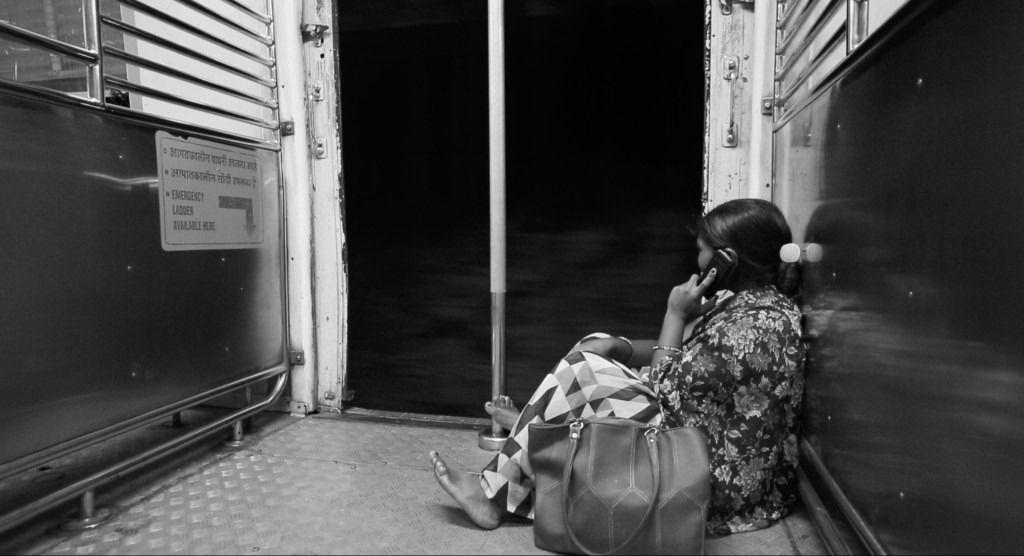
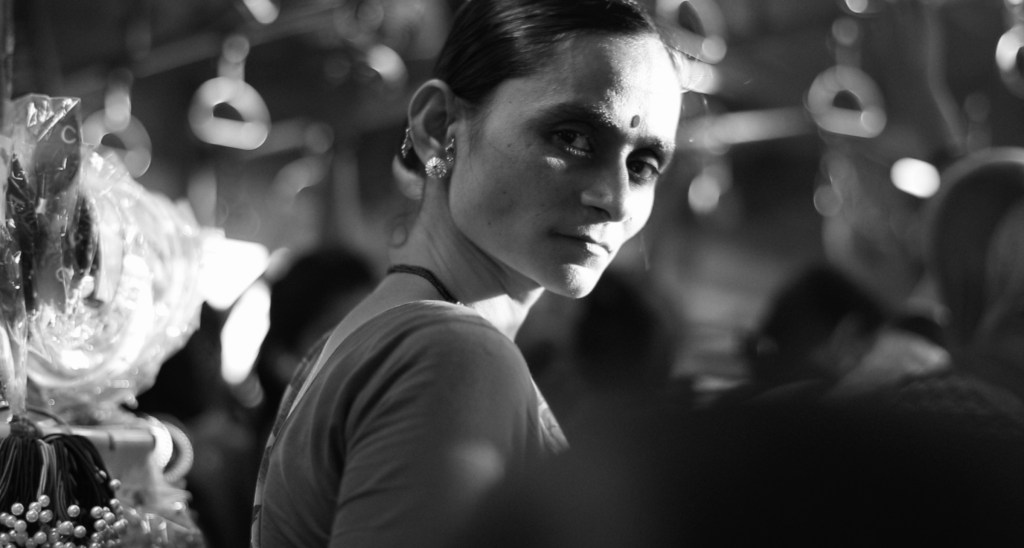
I have been a fellow traveller in those ladies compartments in the local trains when I grew up in Mumbai, India. During the filming, the women we met were mostly strangers and some acquaintances that were invited. In trying to explore the ideas of freedom, ambitions and the human condition, I have traversed a diverse set of voices. My voice is also there, asking them questions that they may usually never hear on an everyday train journey. Whatever depth is achieved, is due to this fleeting nature of the connection in a moving train. The observational camera awaits the complexity of reality to unfold in a participative manner. Those questions break the meditative space and show my interference into the reality I wanted to capture.
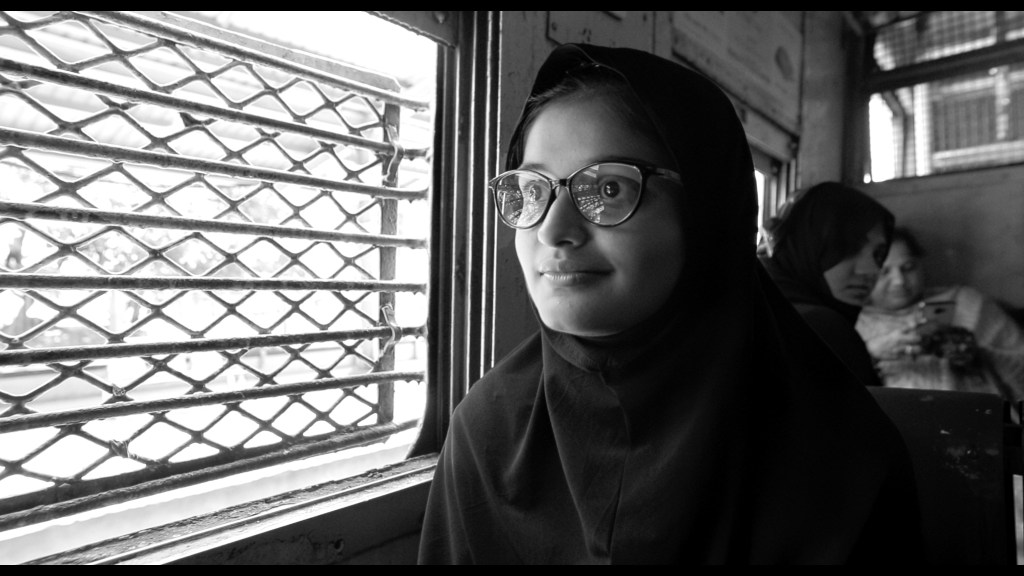
We used mostly prime lenses to shoot the film. They require a very deliberate positioning. If one wants a closer shot of something, one has to physically move closer. I thought this lays the filming process bare to the ones being filmed. It is a more honest encounter with the subject, programmed through the lensing.
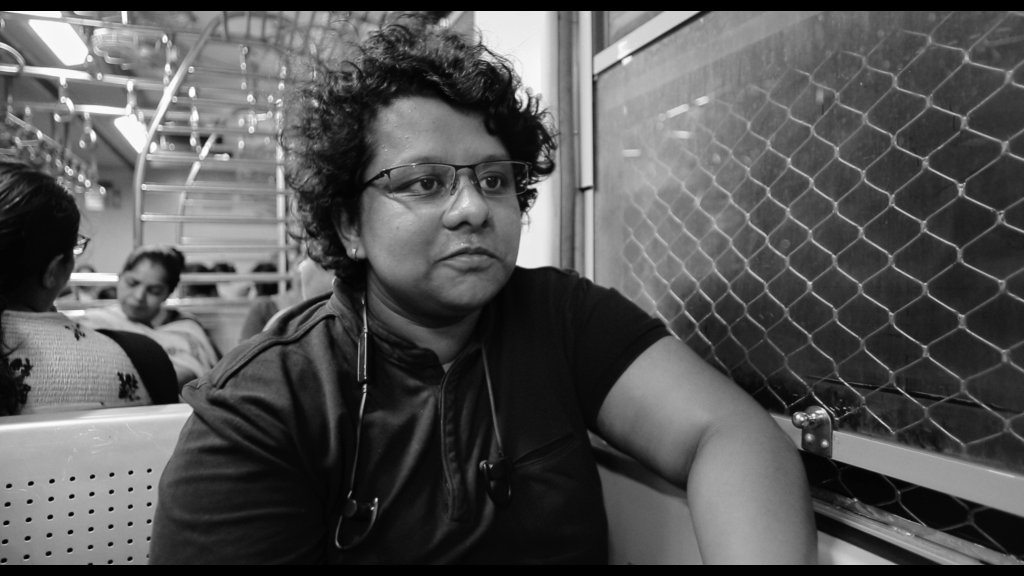
In our current milieu Auteur cinema has been criticised for its romantic notions of the director as the sole engine of a film, for its criminal overstatement of genius and more importantly that of the male genius. My early cinematic education involved having a reverent relationship with the likes of Tarkovsky, Antonioni, Satyajit Ray, Orson Welles and so on. I had almost never seen films made by women back then. In this sense, one can see why there is still more scope for an ‘Autrice’ based cinema. Truffaut defines a true film Auteur as someone who genuinely brings something personal to his subject, instead of merely producing a tasteful, accurate but lifeless rendering of the original material. This has increasingly become my philosophy of filmmaking.
FAQs
When was the film shot?
This film was shot in the pre pandemic summer of 2019. Our small crew braved 44 degree heat, the chaos and crowds of the train for 30 days to accumulate 75 hours of observational and interview material.
Where is it shot?
It is shot mostly inside the Ladies Compartments of the local trains in Mumbai and travels through the ever changing landscape of the city.
Who were the women and how did you choose them?
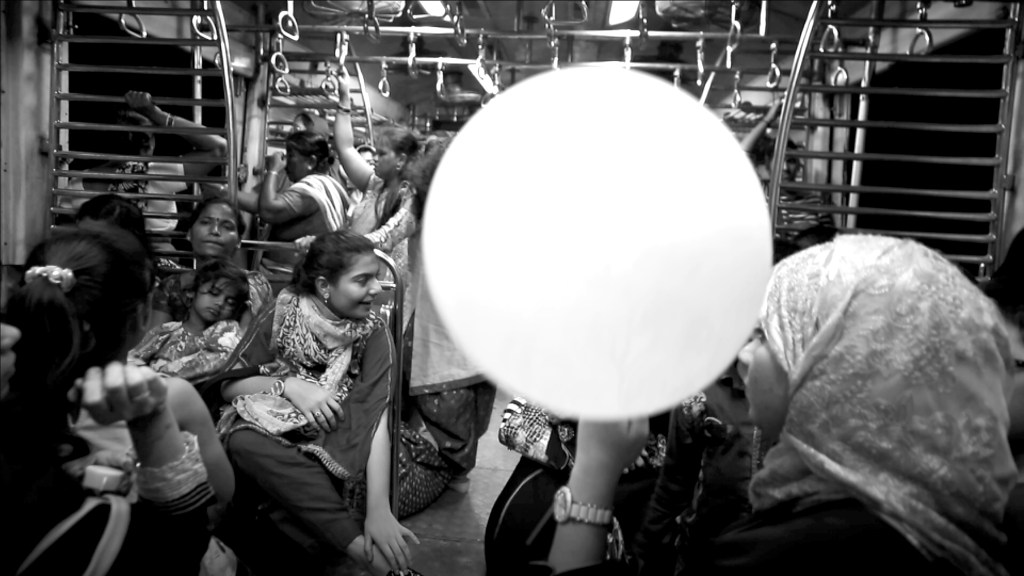
The women that have been interviewed in the film were mostly accidental meetings, a few of the women were acquaintances who were invited. As the editor, I chose the ones who were best able to talk frankly and openly about their lives. During the shoot, we chose women randomly in the train. We would ask them if they would like to be filmed+Interviewed and if they consented and had enough time before their destination arrived, we would go ahead with it.
How long did the editing process take?
It took close to two years to edit and finalize the film, including the color correction, sound design & mixing etc. To transition into the role of the editor, I transcribed the entire 75 hours of material into text, this helped me find another way towards the images. I edited the rough cut during the intense first lockdowns at the beginning of the pandemic. It was incredibly challenging to work during this time, but I was grateful for it.
Were there many women who didn’t end up in the film?
There were close to 34 interviews that had been filmed, of which only about 13 are in the film.
What about the poems in the film?
The poems read aloud by the women in the film are written by the lovely developmental feminist activist and poet Kamla Bhasin. Her words carry a deep meaning that often inspired the women into talking about themselves and their lives. Unfortunately she passed away in September 2021. The film bows to her in gratitude for a lifetime of work at the grassroots level. Her poems printed on a paper were read aloud by many of the women we interviewed.
How did the question “what makes you angry?” arrive?
Well for starters I was trying to ask questions that made people open up and reveal something more about themselves than they would do with a stranger in a train. This was a question that was on my mind for a long time. The patriarchal system makes one angry, but women are often shamed for that anger. So I was curious to know the shape of women’s anger in my home city.
What difficulties did you face while making the film?
The conditions in which we were shooting were far from ideal. The heat and crowd were a minor obstacle that made the shooting process challenging. Editing the film during the first lockdown of the pandemic was a mammoth task – Finding the emotional energy to construct this film while the pandemic grew in size.
Anecdotes
- It was maybe the 6th or 7th day of shooting. We had planned a late morning shoot, when the trains are not so crowded. We got into the train and the three of us (Camerawoman, Sound recordist and director-me) sat opposite a group of girls. While the team was setting up their equipment, I overheard the girls talking about powerlifting. I was immediately curious and asked them if we could do an interview with them. Tapasya was miked up and ready, even though she would have to get off in ten minutes or so. As we talked the time flew and her station was almost there and in a rush, they tried to get out. I gave her my card and pleaded with her to write to me later. I spent the rest of the day hoping she would write to me so we could do a proper interview with her. In hindsight, I wondered why I didn’t just get off at the station with her! She did write to me in the end and we did a long interview on another day.
- After a couple of days of shooting we recognized the vendors who sold fruits, earrings, combs or small plastic utilities and they recognized us. It began to feel very familiar. They would joke with us sometimes. Once a chikoo seller who had seen us many times by then, cut open the sweet fruit and wordlessly gave it to us. It was a hot day and she wasn’t trying to sell it, it was a gesture of kindness.
- We were shooting the film during the 2019 General Elections held in India.









 True Story Blog
Leave a comment