
Lucie Kralova – Director’s Notes
I have been making so called documentaries for almost two decades, many on 16mm. They usually didn’t fit into the “documentary” box. Kapr Code is a prototype, a documentary opera. Jan Kapr (1914-88), progressive Czechoslovak composer and innovator, the author of 180 compositions, including 10 symphonies, was successfully erased from official memory during communism. I knew only some myths about Kapr, a “communist version of John Cage”, a “hero” but also a “real political animal”.

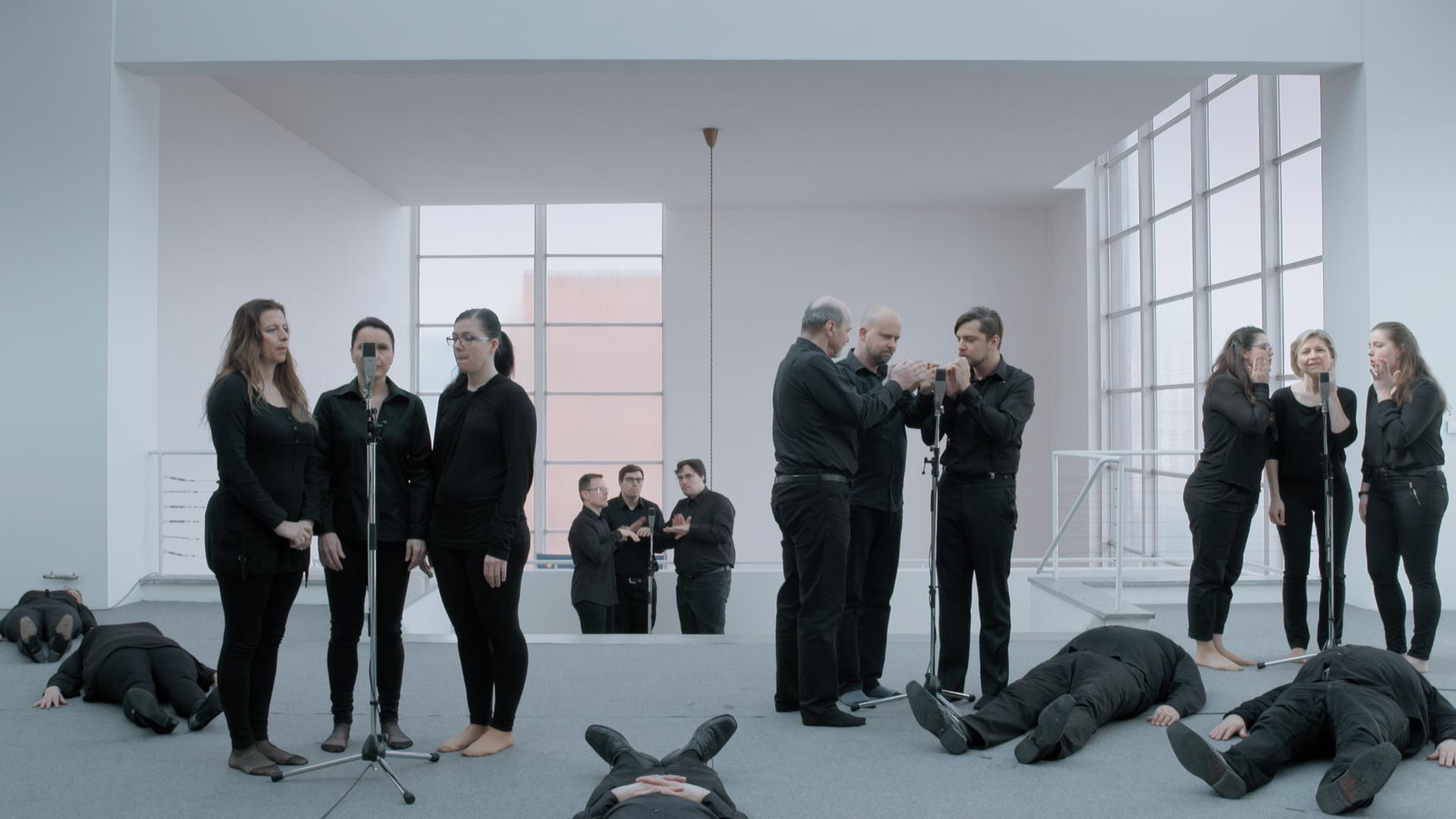
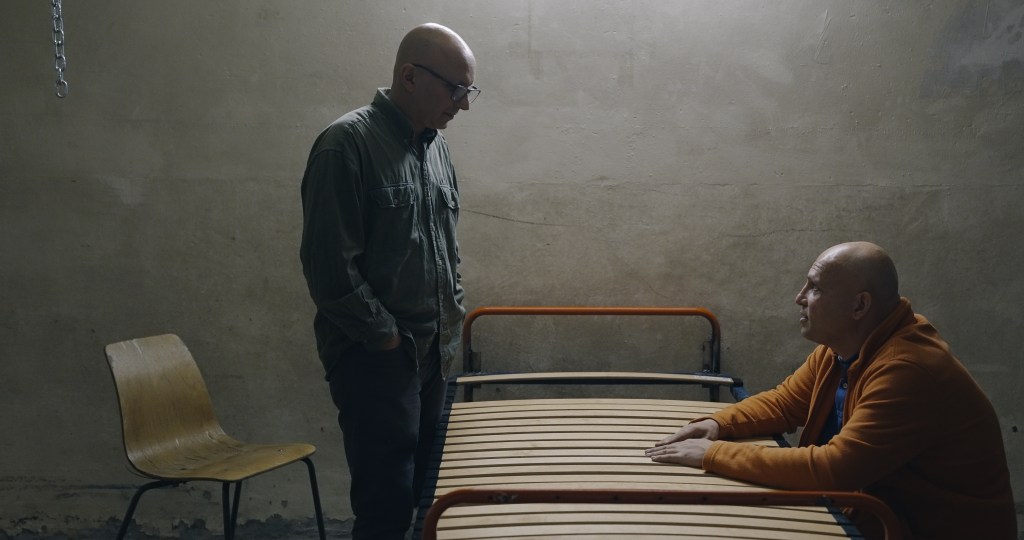
For the cinematic transformation of Kapr’s dramatic life we chose the original genre of “documentary opera”, which helps us to show how deeply connected his personal and public life was with his musical development. This form enables us to expand the screenwriting and staging possibilities of a traditional biopic towards the specific experience of the sound universe of an ambivalent hero, who no longer lives but who is still “alive” thanks to his music, letters and many films.
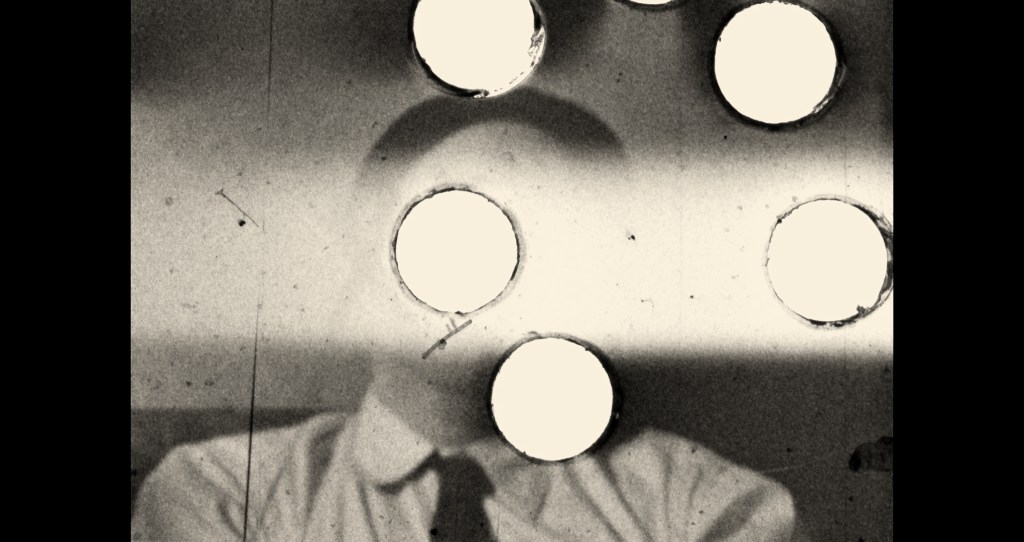
We faced the question how to transfer Kapr’s story to the medium of film while keeping its complexity, ambivalence and strength, and still reflect the unknown “holes” or “blind spots” in memory. Do we have a right to interpret a person’s life, especially when there are so many contradictions?
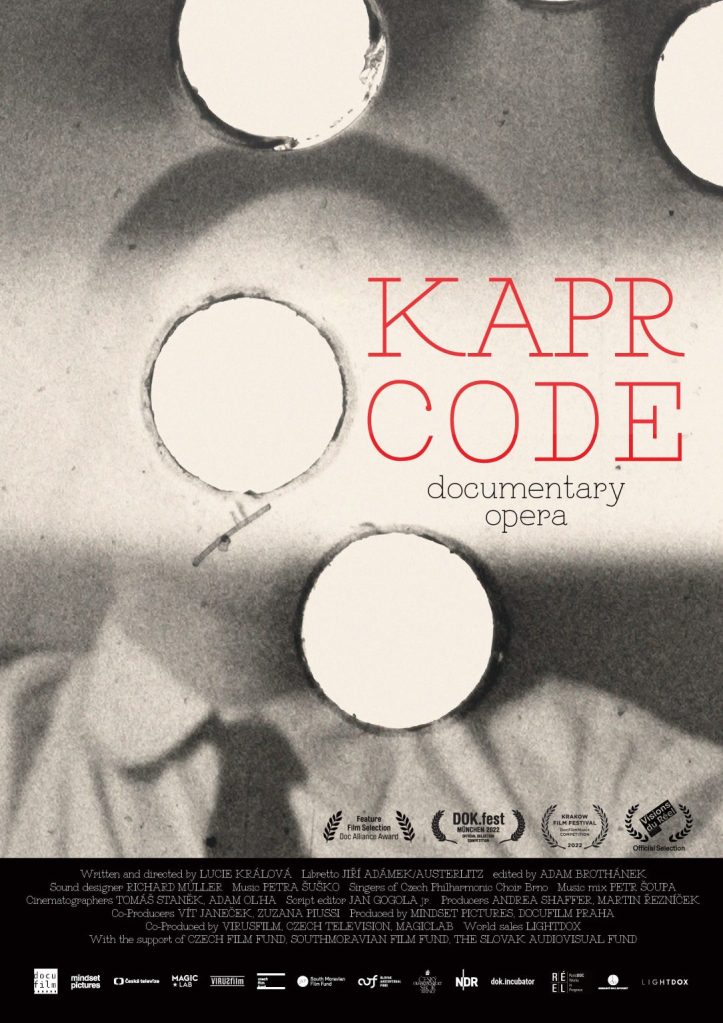
The title KAPR CODE reflects Kapr’s famous composition “Codes” which uses a method of coding and decoding. The film works in a similar way and reveals Kapr himself also as a kind of “code”: within one personality, the identity of a prominent communist meets that of a dissident. To interpret his legacy responsibly from a contemporary perspective, we wanted to elaborate a specific “musical” film language, similarly to Kapr searching for a new music language during his career.
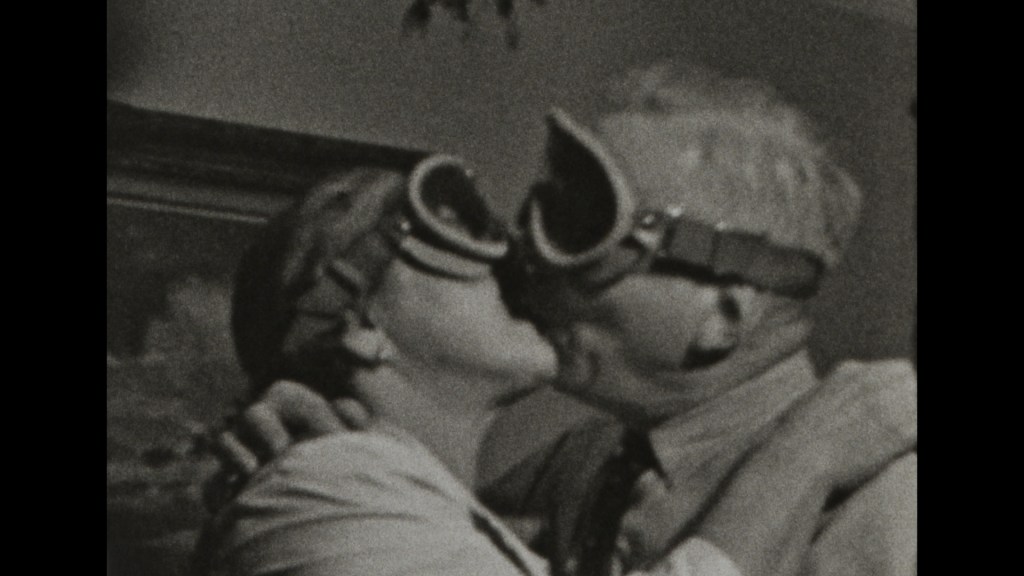
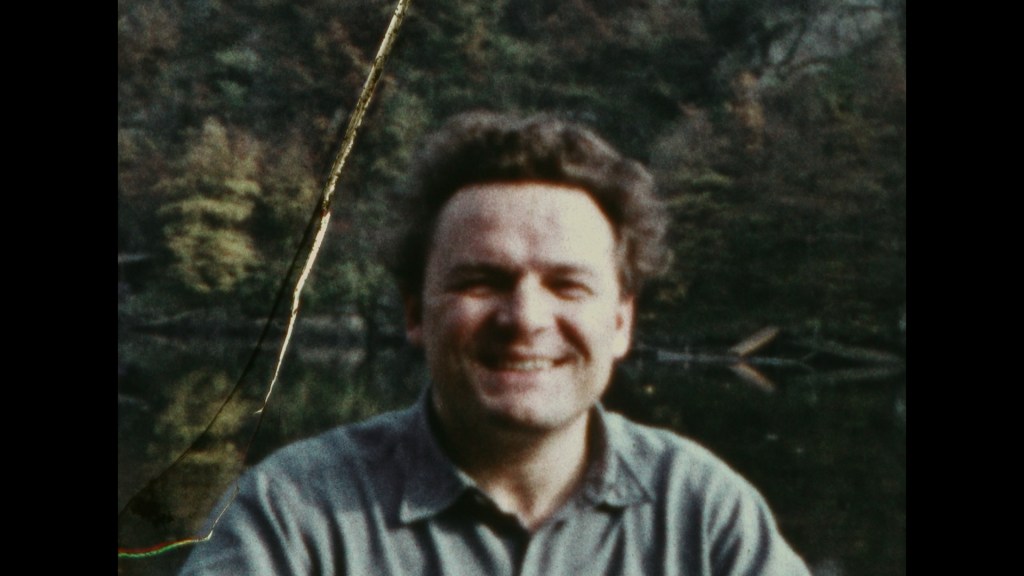
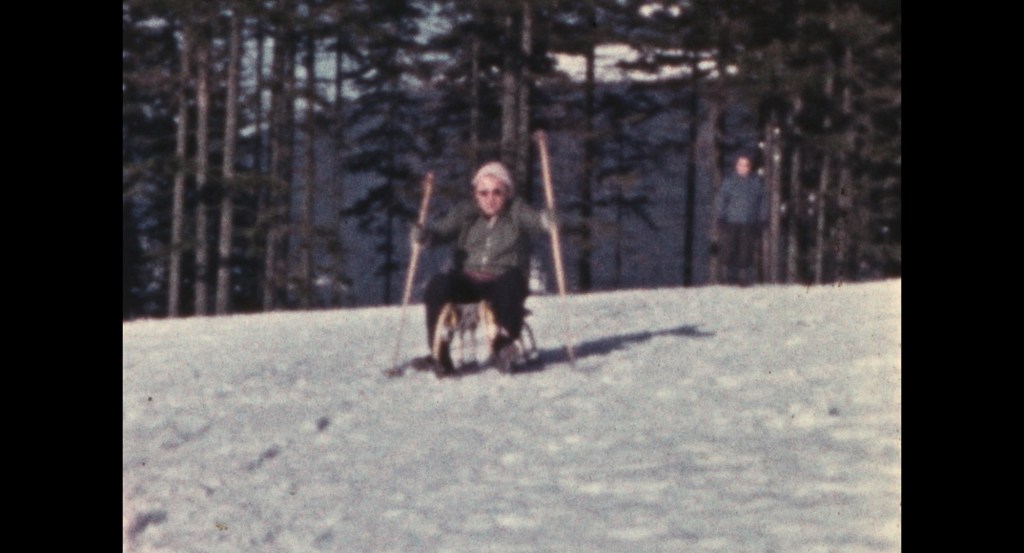
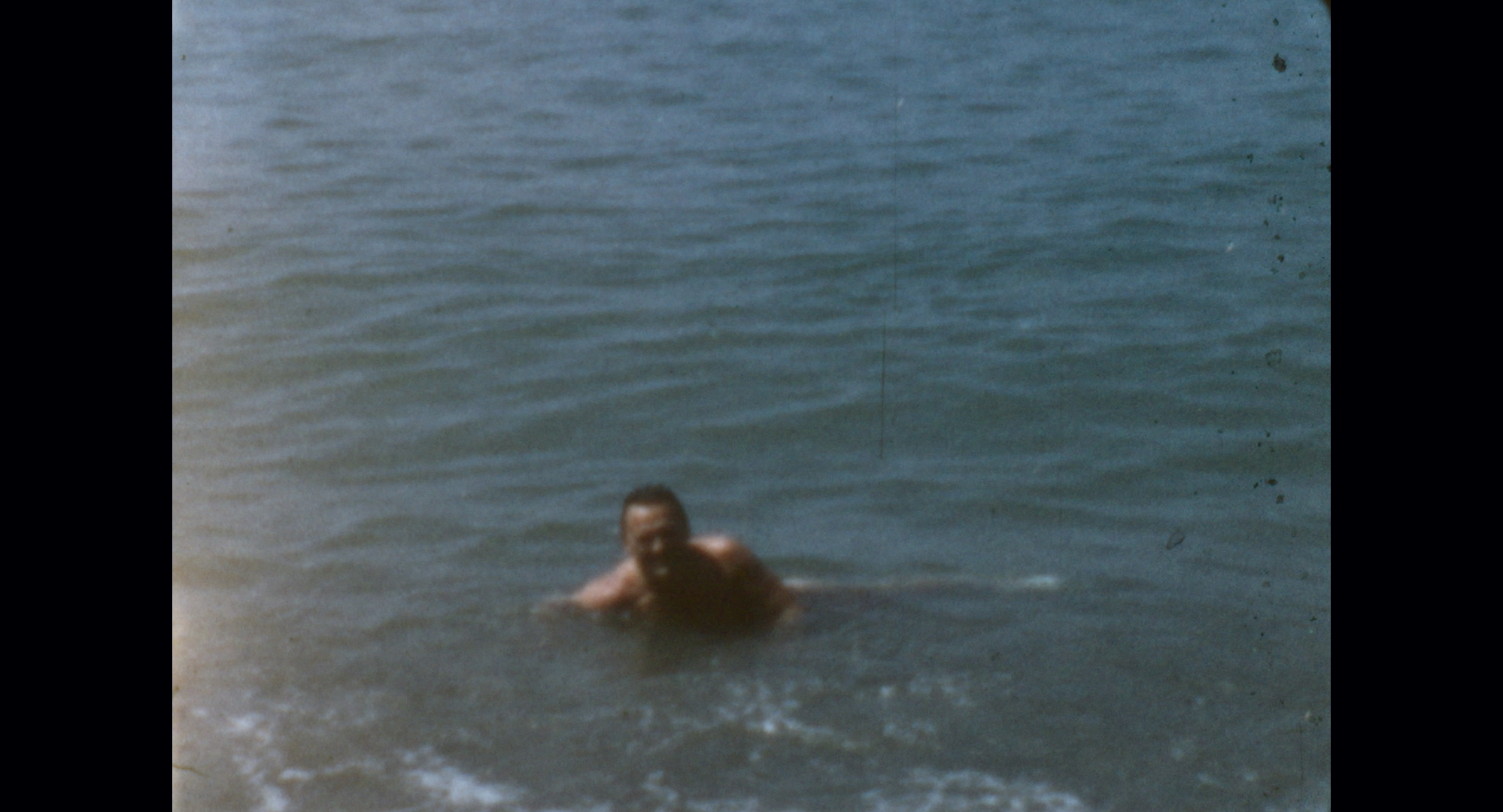
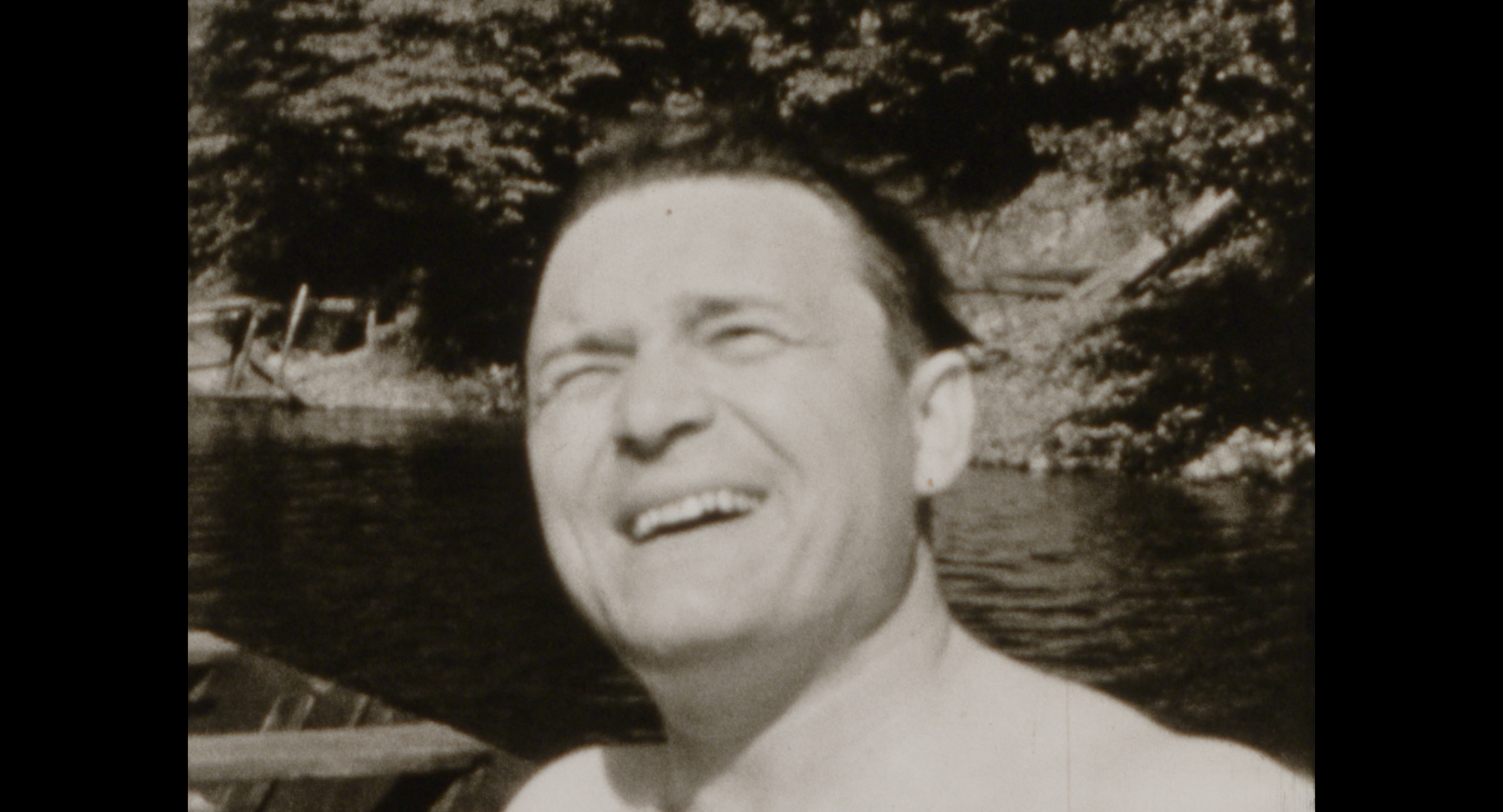
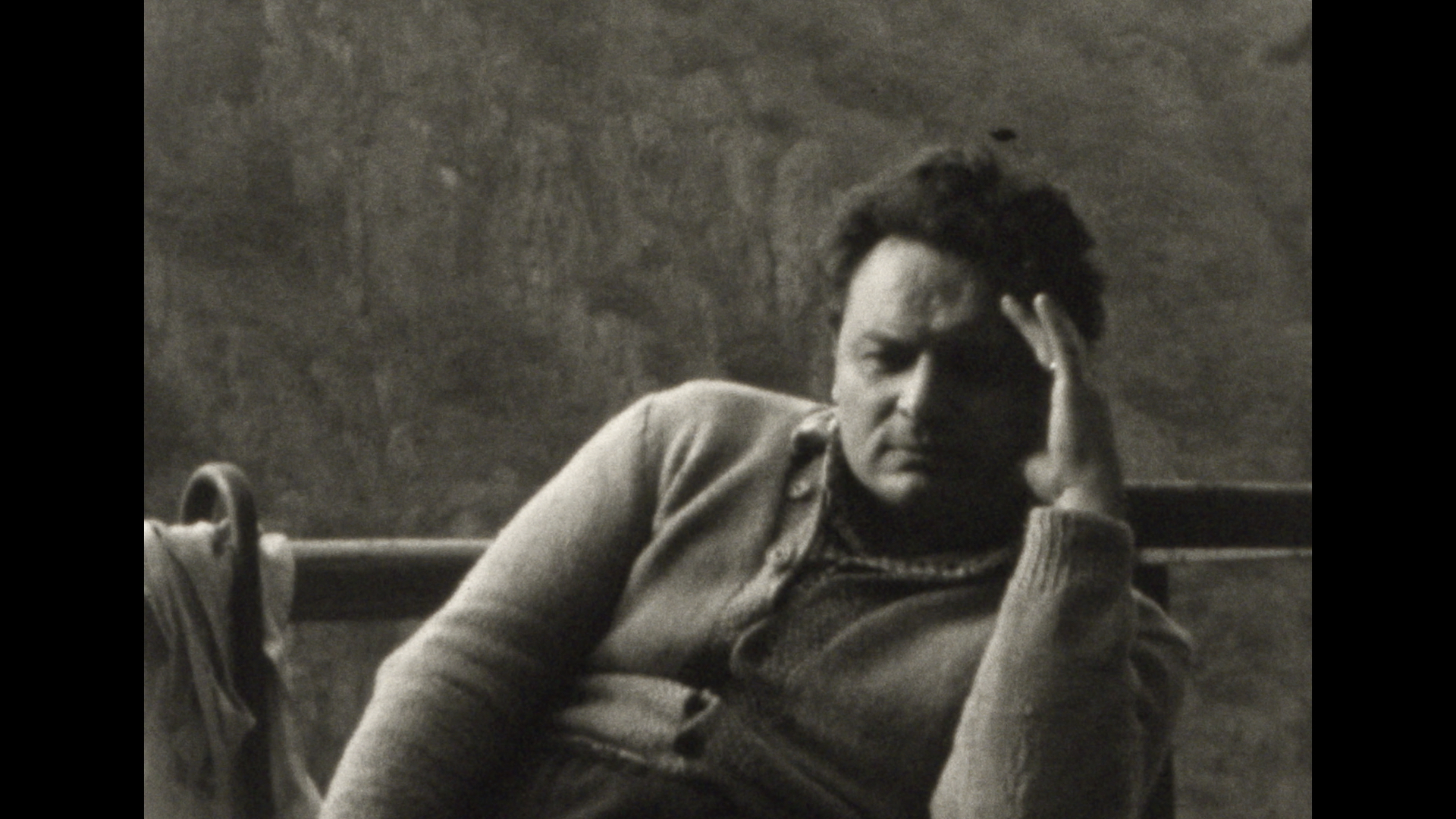
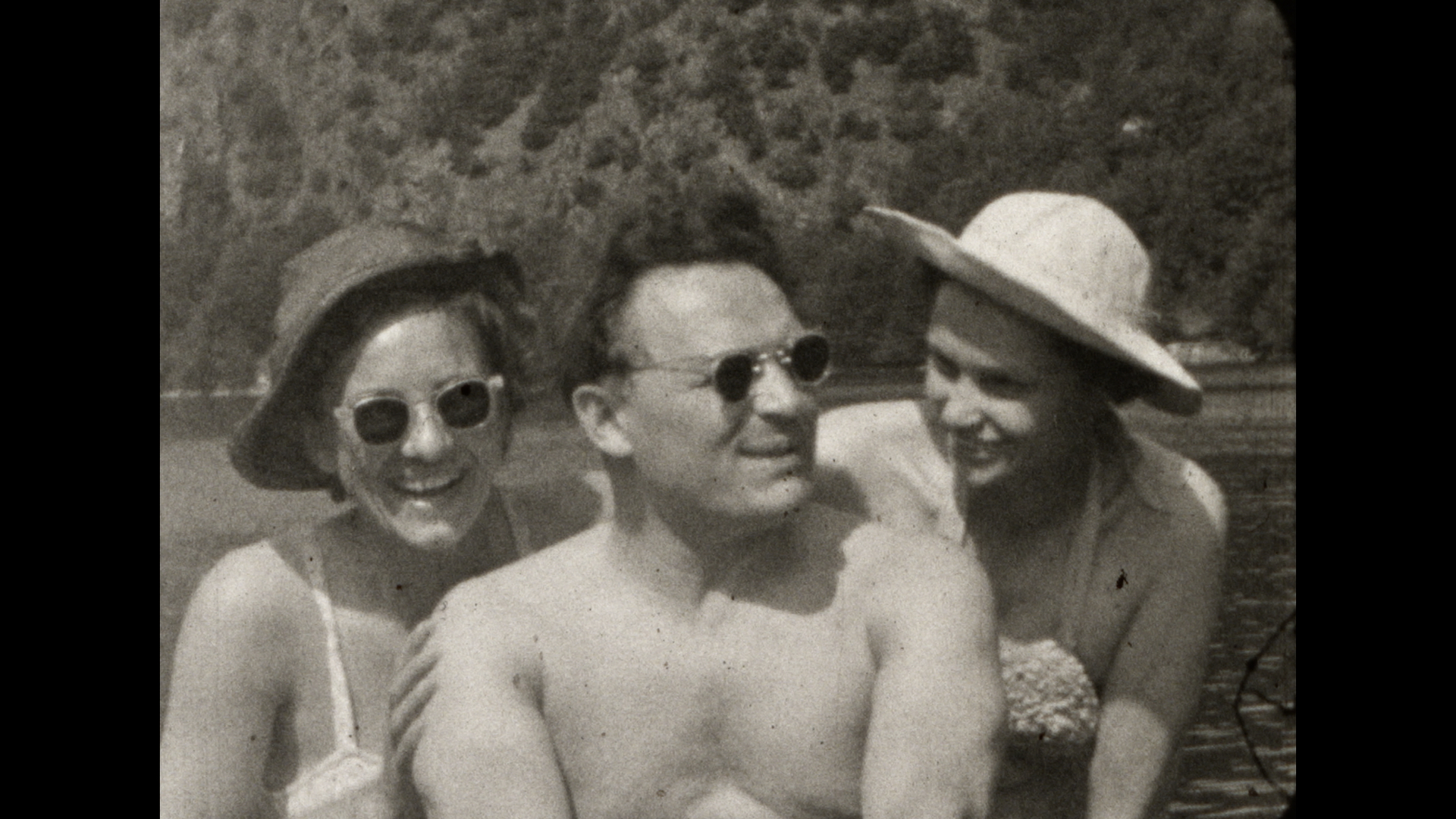
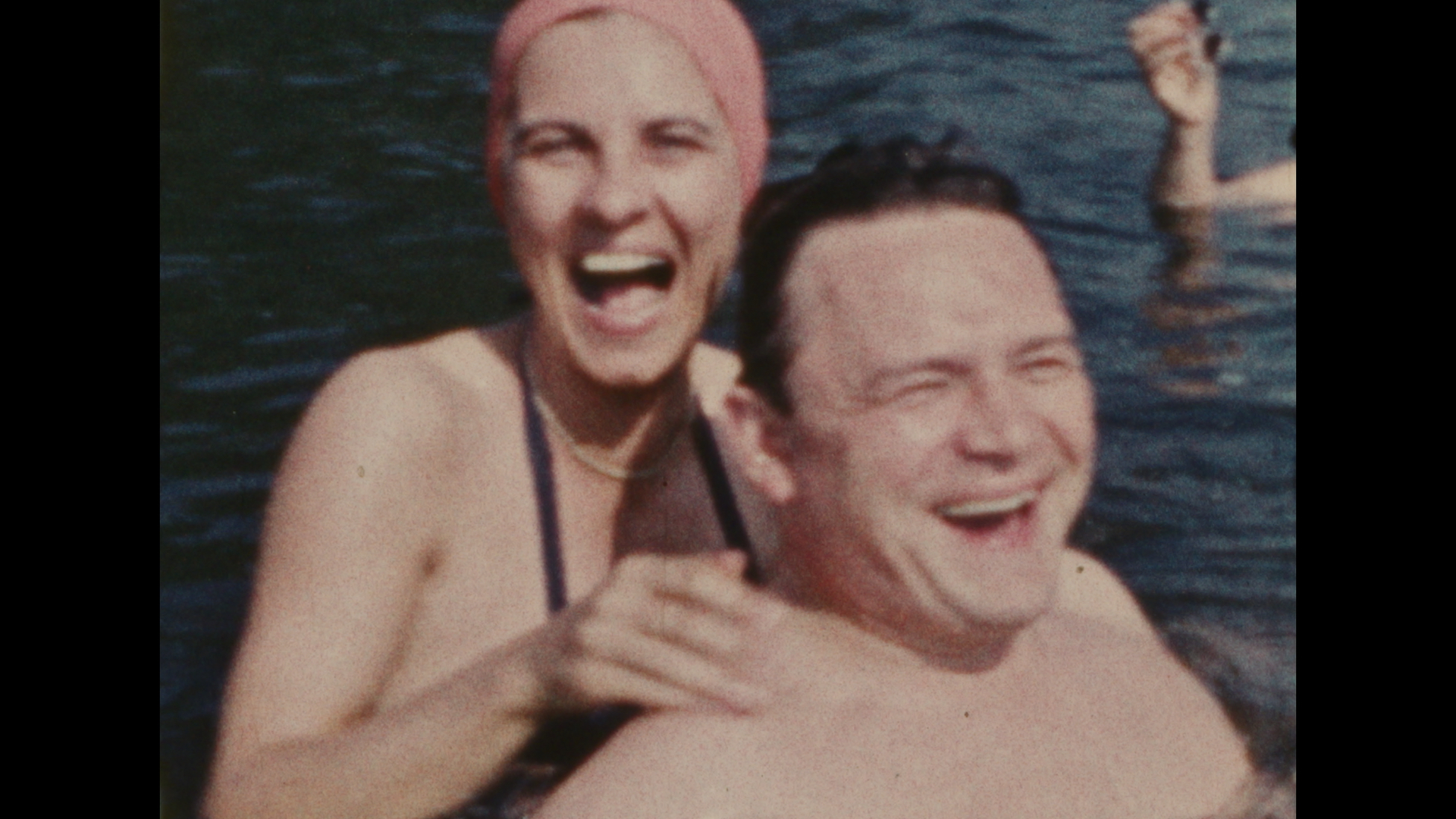
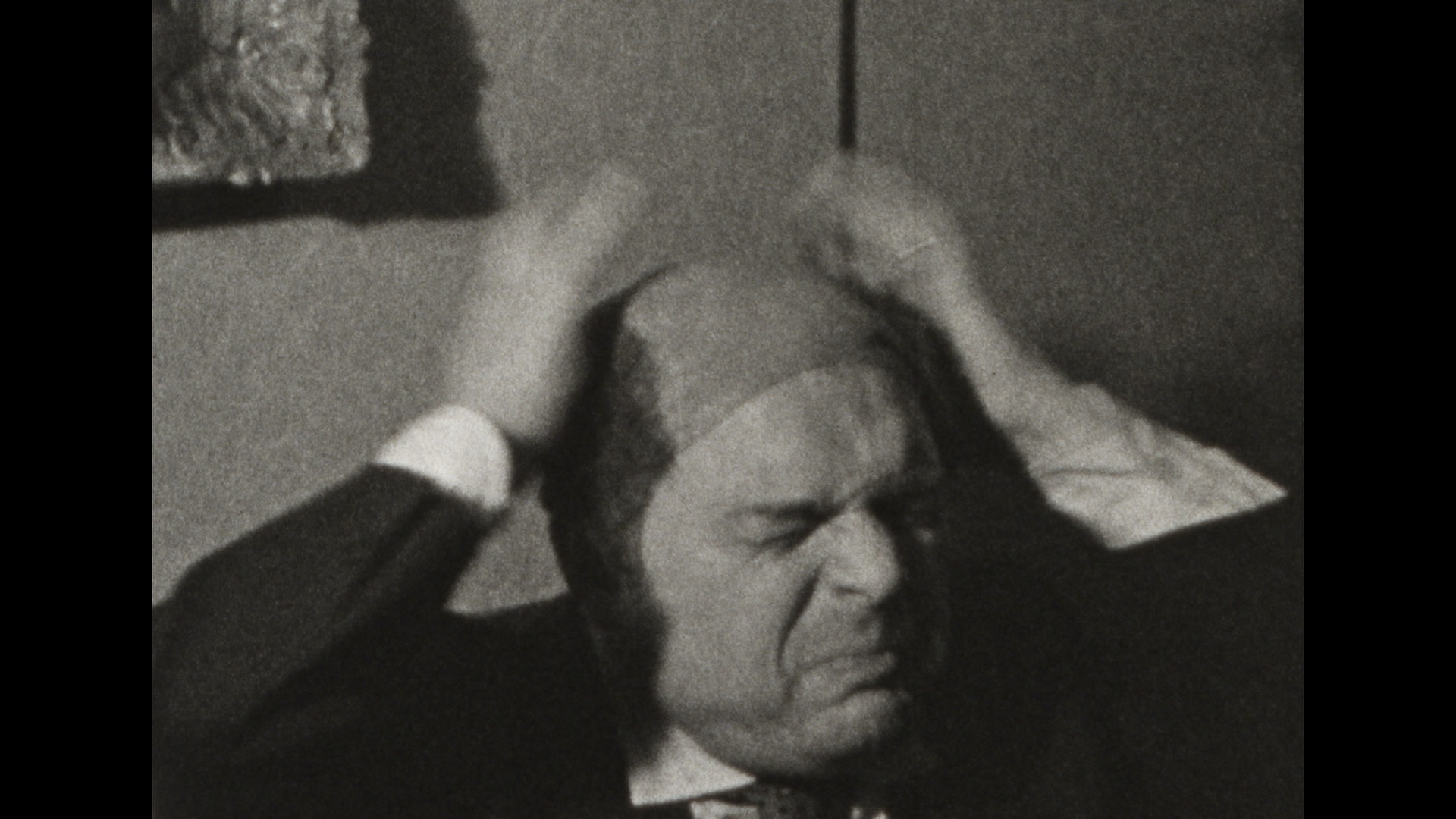
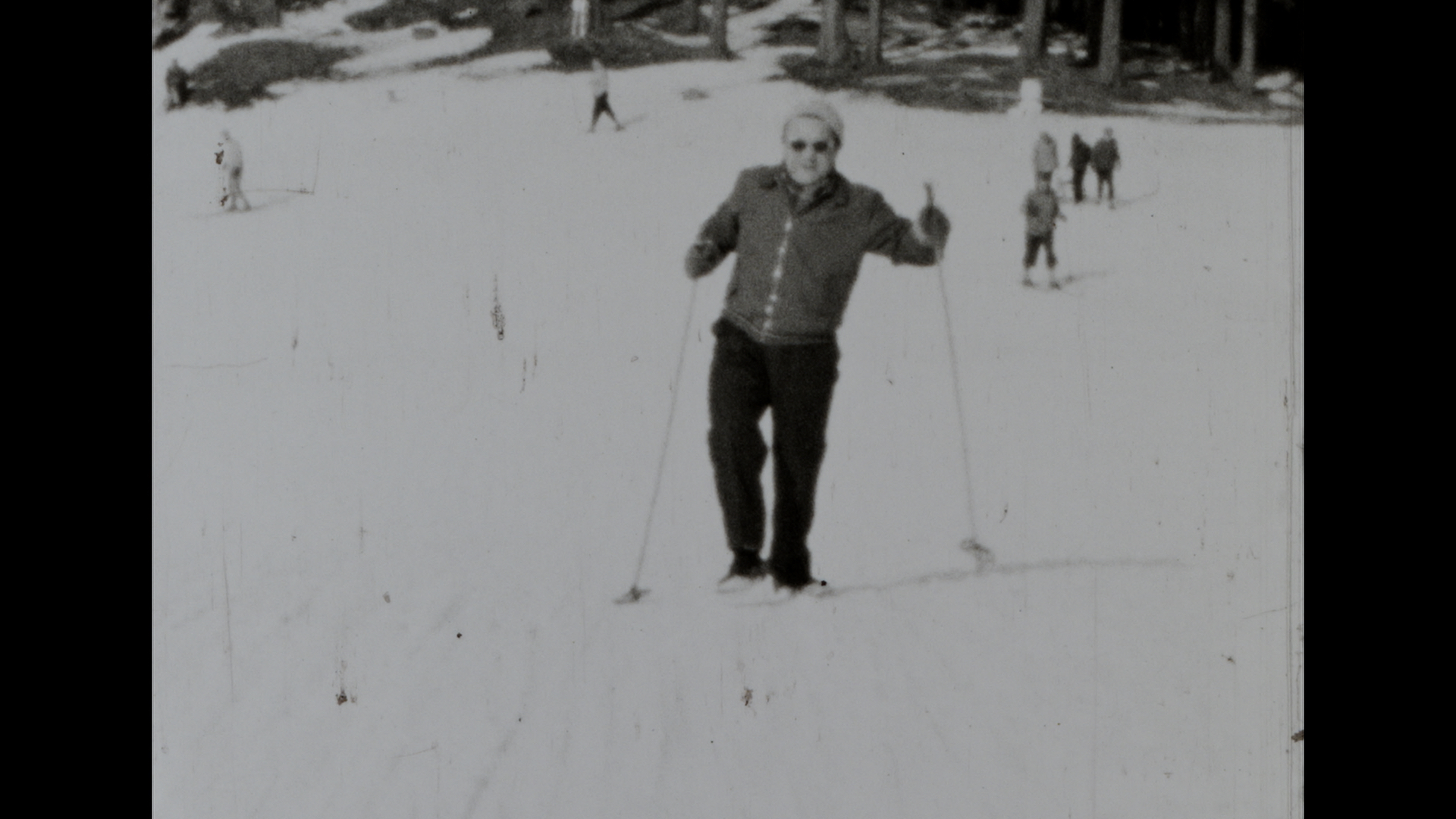
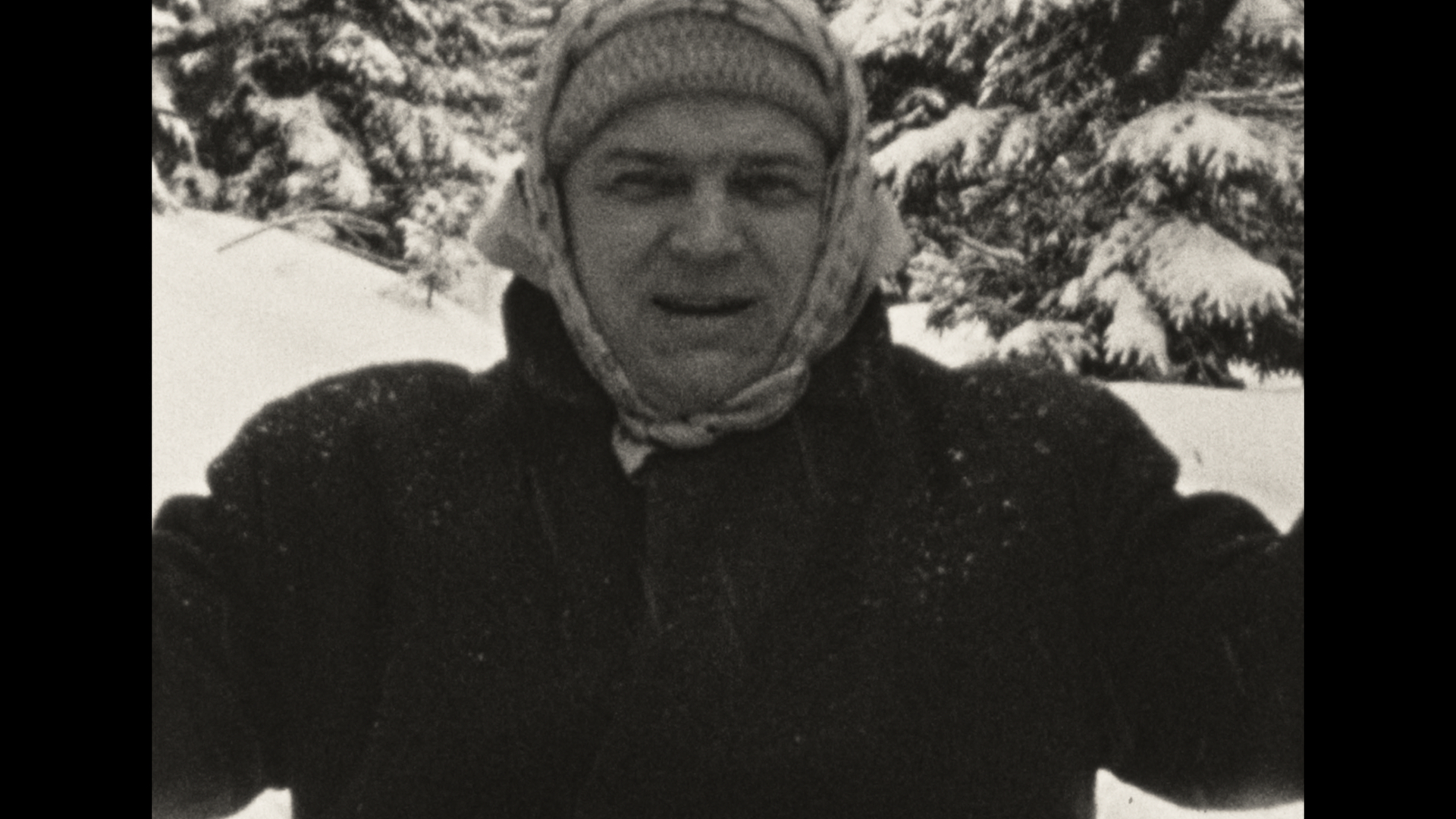
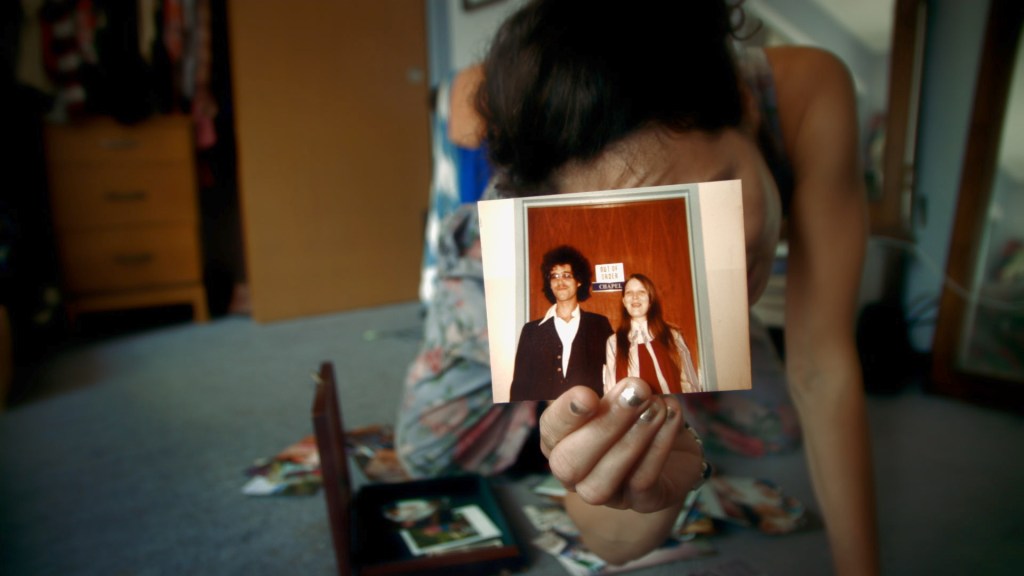
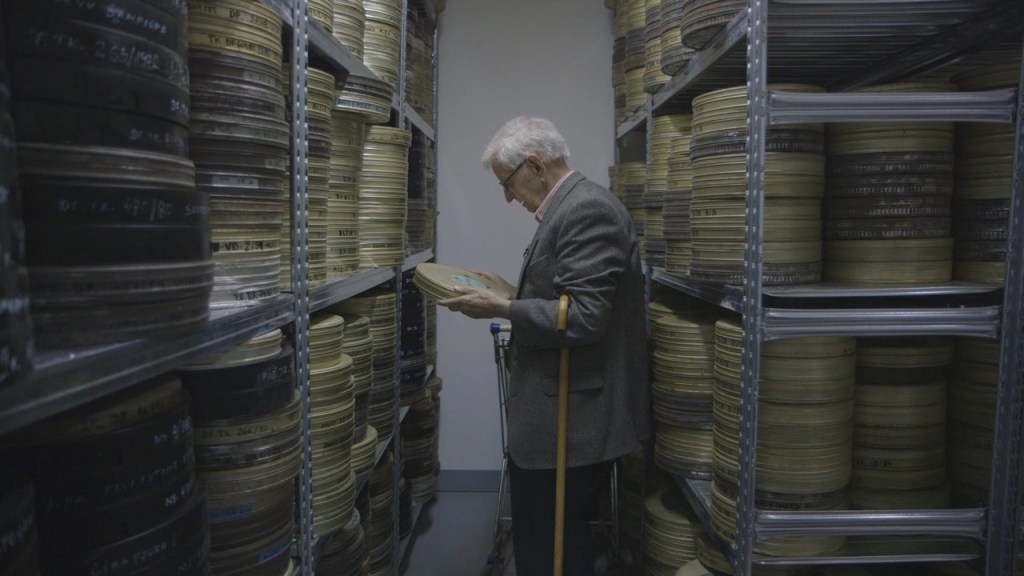
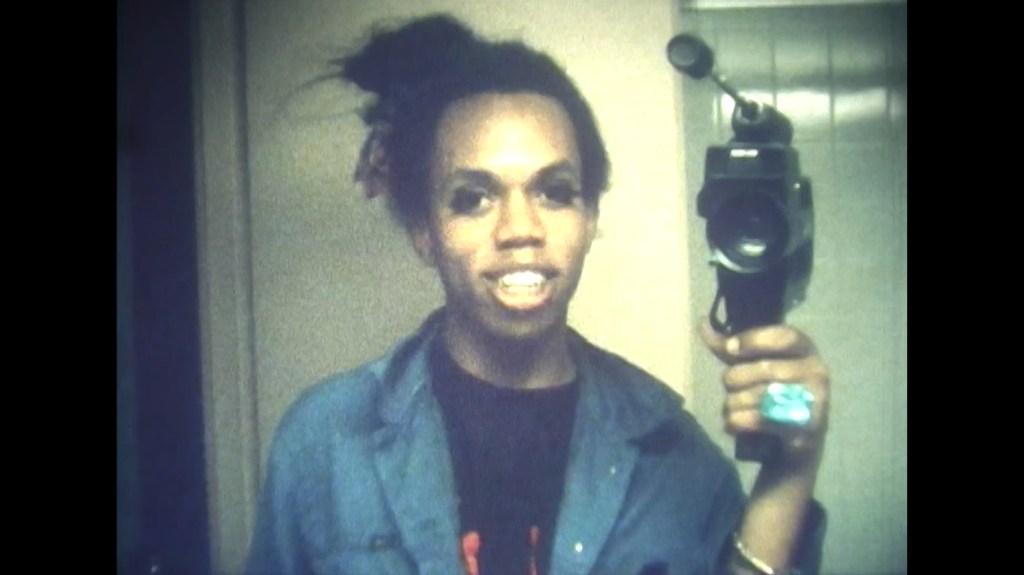
In my filmmaking, I am interested in reflexivity – to explore the very essence of memory, media and narration. We reconstructed Kapr’s story, from the fragments of memory we found. Kapr actually re-created his story with us, as he is the author of the 8mm footage, his letters and music, but also his own life-story which we follow in the opera songs. In this way, Kapr composes his life, thus co-creating this documentary. Can we say that Kapr was a composer of a vision of his own life? When does the composition end?



























 True Story Blog
Leave a comment