
Interview with director Viktor Portel

What drew you to this topic?
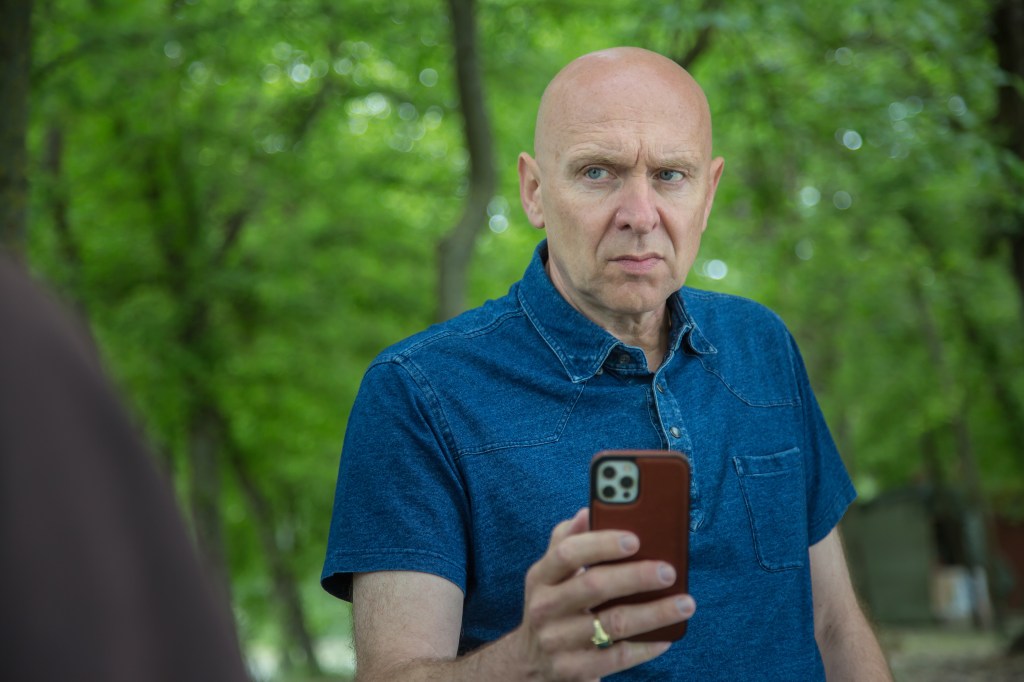
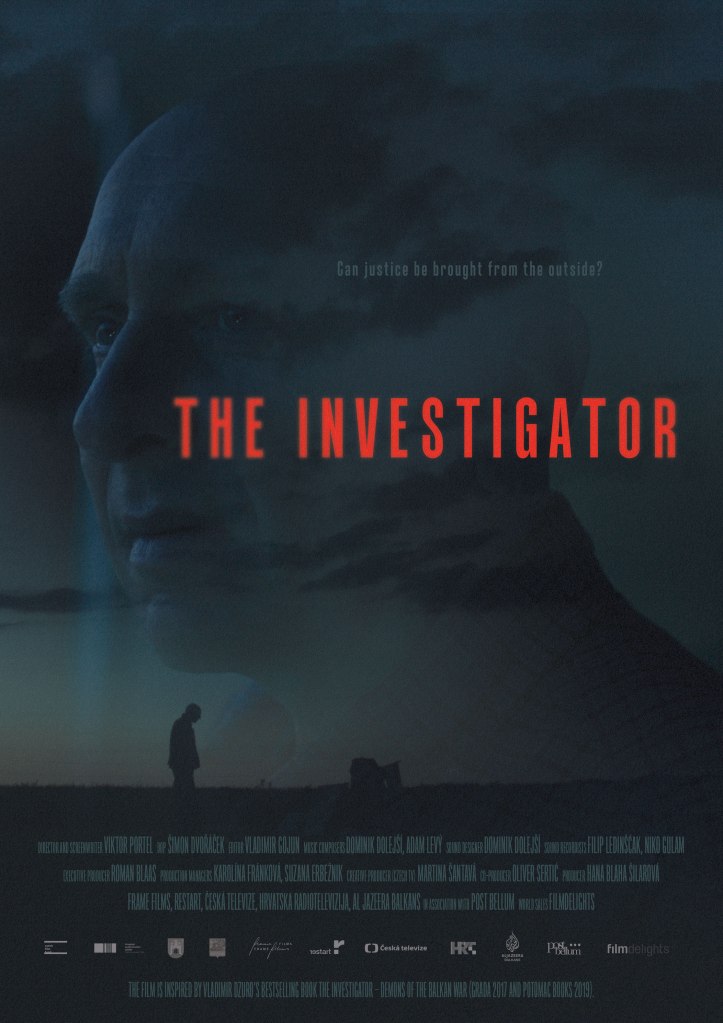
The main reason why I became interested in the story of Vladimír Dzuro was that so far there is very little reflection on how the Hague Tribunal, the largest international mechanism in history, worked, and how it is perceived in the countries where it operated.
It’s been 25 years since the conflict in former Yugoslavia, why is it important to remember what happened there and to revisit these sites in the film?
The reason is simple: the past is still extremely alive in the countries of former Yugoslavia. Many Serbs, Croats and Bosnians really believe that the international justice system was unfair to them, insufficient, and that the giant colossus of the Tribunal was above all tiring. They cannot be entirely blamed for this disillusionment; the reality is that only a tiny fraction of the perpetrators who directly participated in war crimes were convicted. One of the most interesting moments while working on this film was searching for a way to critically approach international justice while at the same time defending it.

At one point in the film, Vladimír Dzuro says that it would be best if the national courts of the countries in question sentenced their criminals.
This is very interesting; the whole mechanism of the Hague Tribunal was designed to convict the key and politically responsible perpetrators of genocide. It was supposed to function as a certain institutional boost for courts in individual countries, which were then supposed to place on trial the lower-level perpetrators of war crimes. This was partly successful, but in all countries a stumbling block occurred when they began to try war criminals of their own ethnicity, that was much more problematic.
How did you find your interviewees?
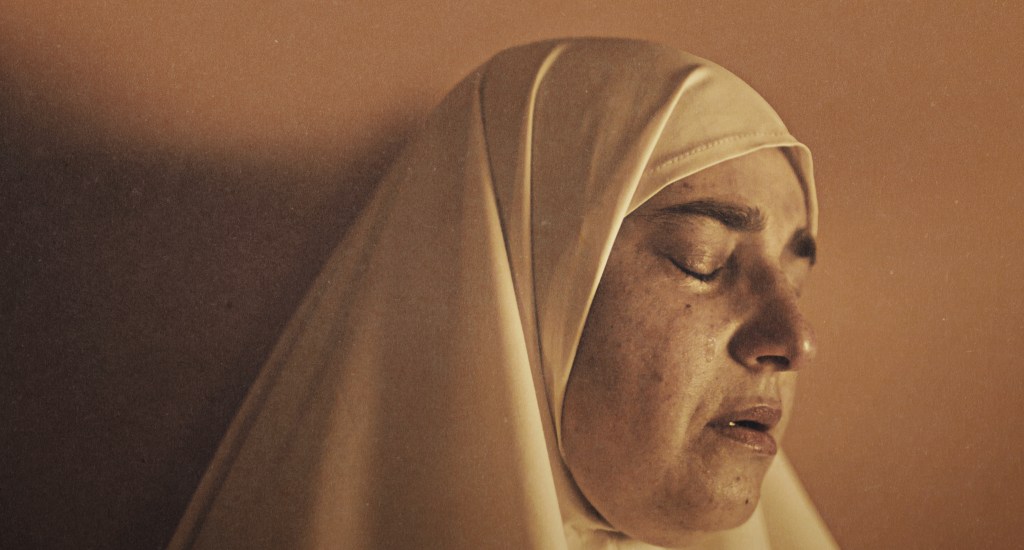
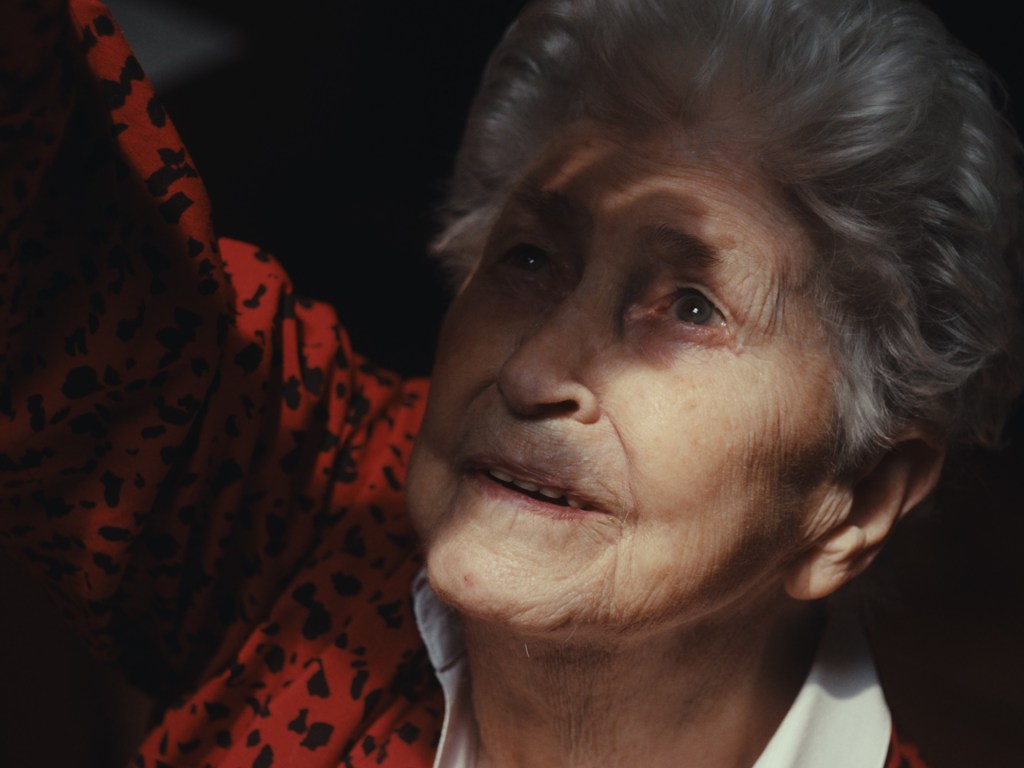
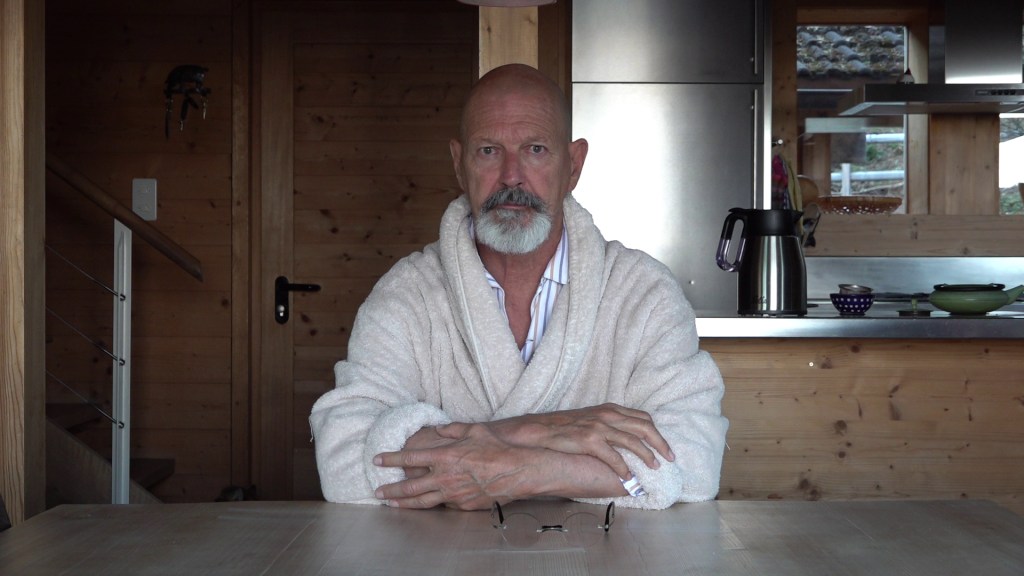
We selected people whose stories did not end in the nineties but were continuing to develop. I did not want to be just another filmmaker who came to ask what horrors had happened in the nineties. I wanted to go the extra mile and focus on what it looks like for them to deal with the trauma of war and what role international justice played in that.
What is the importance of the international justice system in today’s context?
In my opinion, this is one of the most important topics of our time. The ongoing war in Ukraine is, of course, very different from the confusing conflict in the former Yugoslavia. But the main point remains the same: to show perpetrators of war crimes and crimes against humanity that international justice exists, and that they will never be able to sleep peacefully again. I think it’s great that the international community is acting quickly in this regard, because the key now is to gather evidence of the crimes that are being committed. The process of presenting evidence and sentencing is of course much more complicated. But even so, the pressure that international justice exerts fills me with hope.
The film is mainly comprised of people’s memories and oral history, yet the film is very cinematic. How did you achieve this?
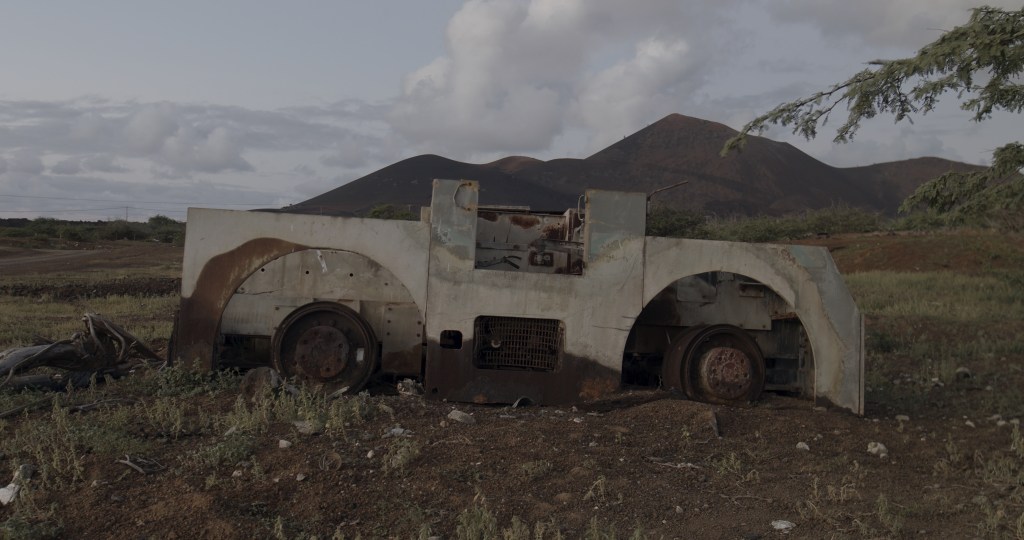
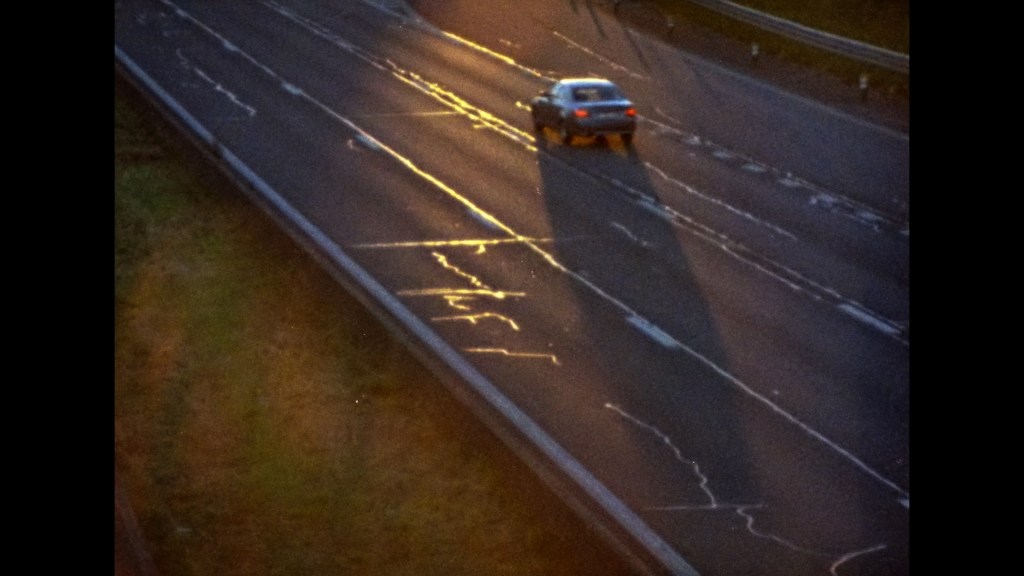
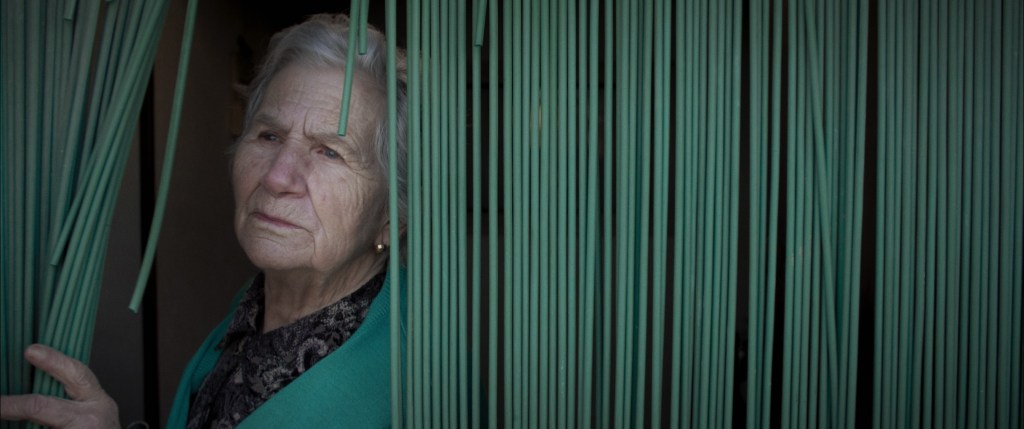
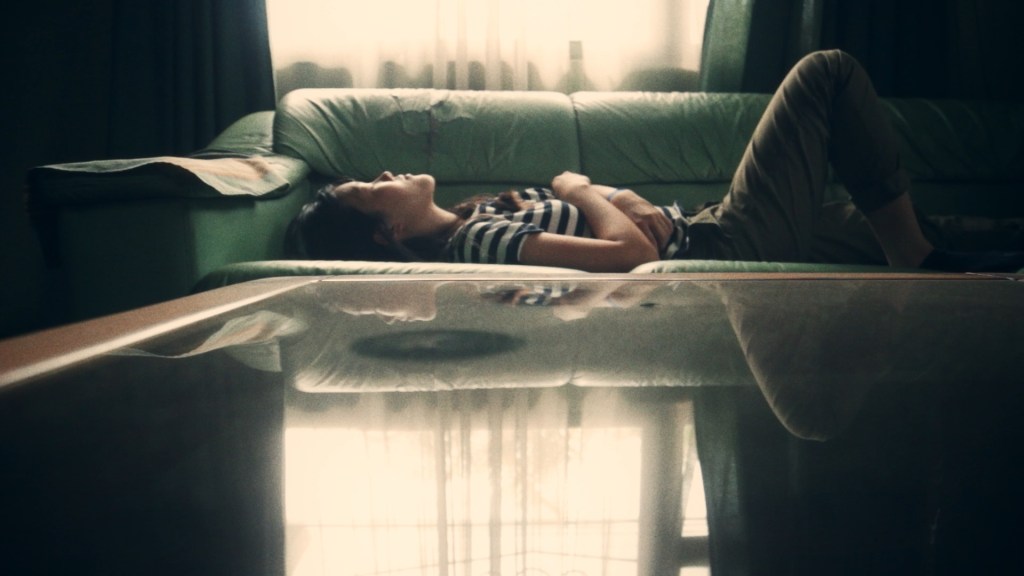
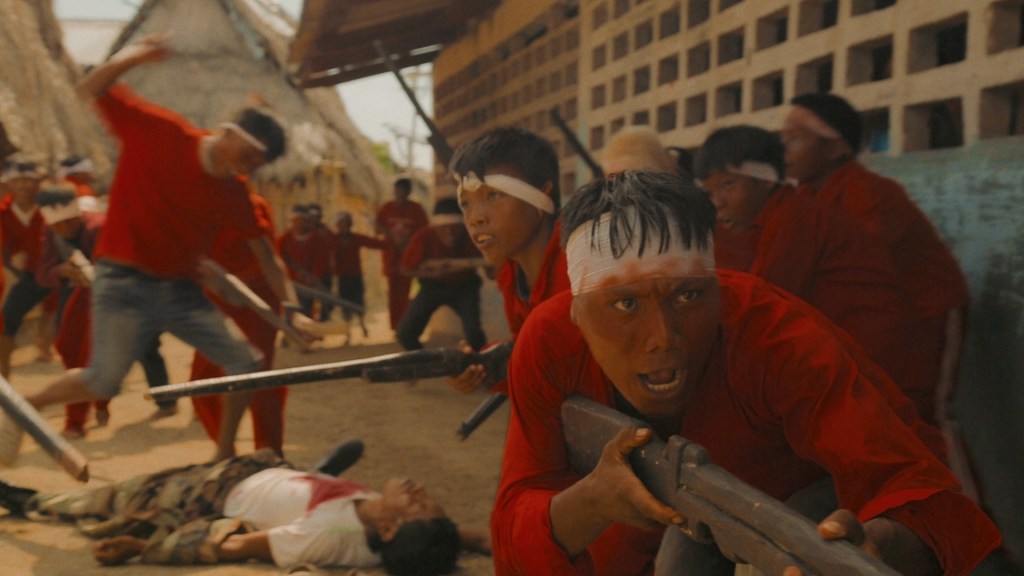
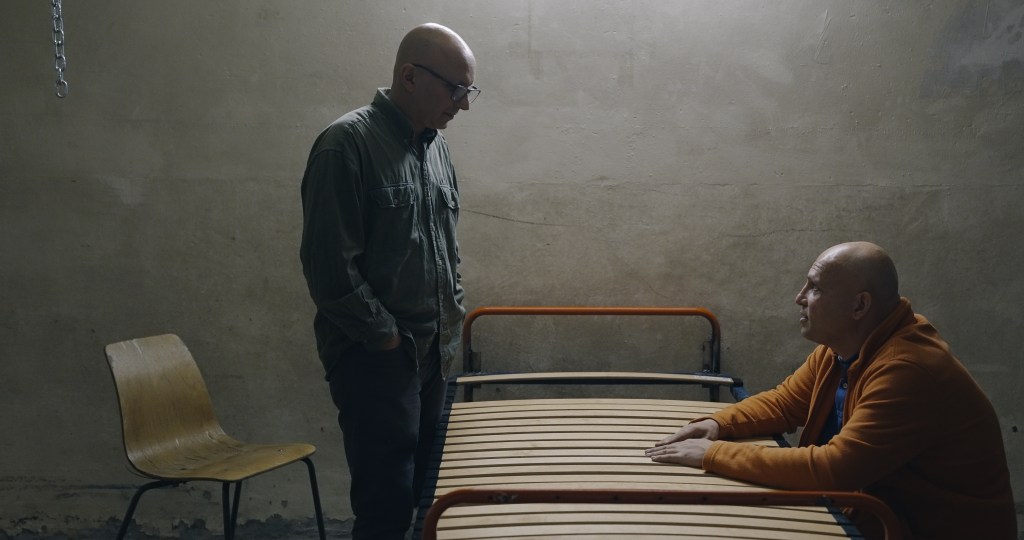
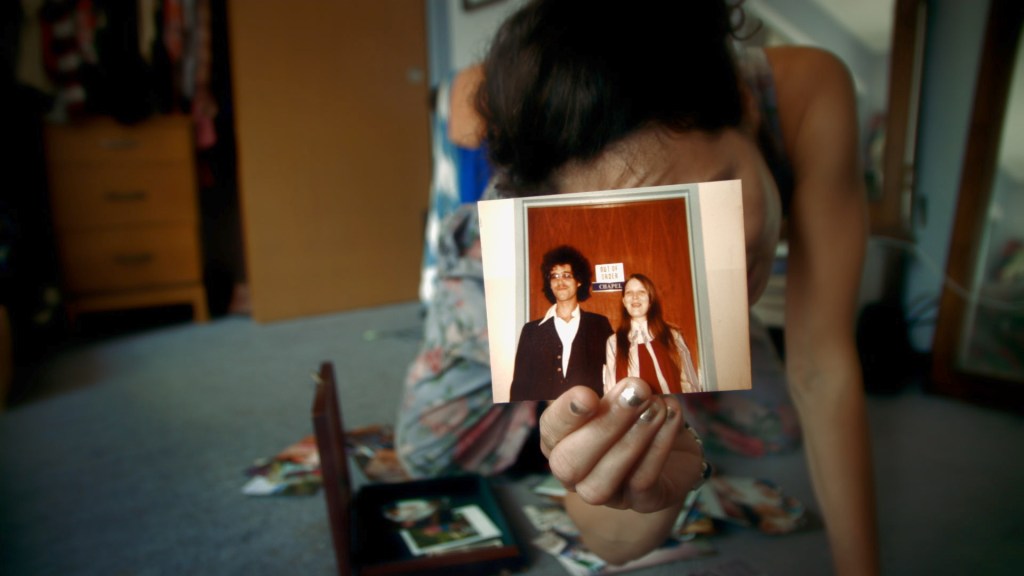
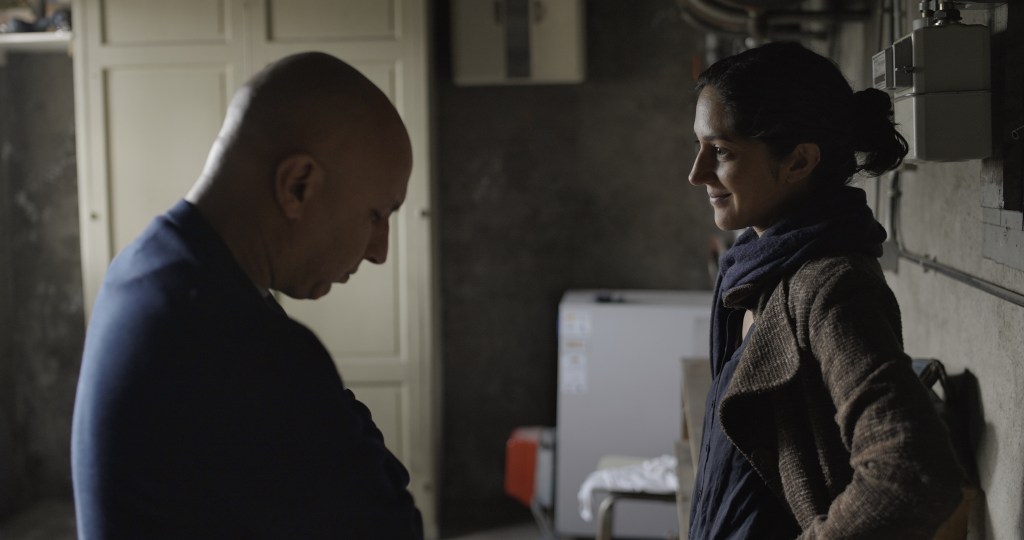
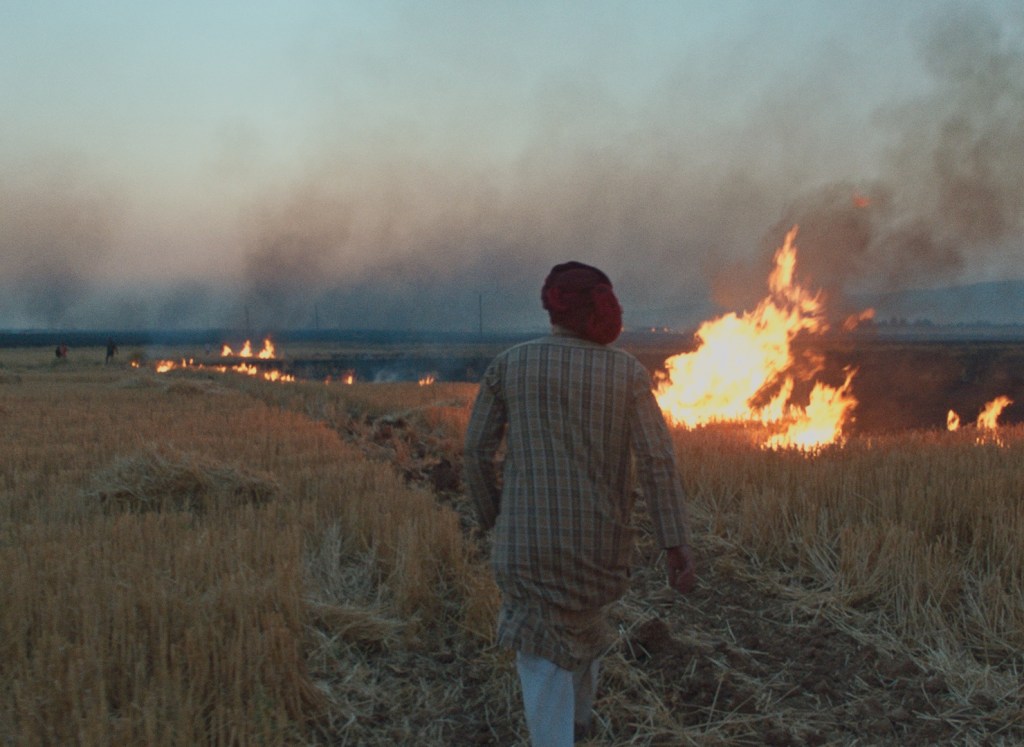
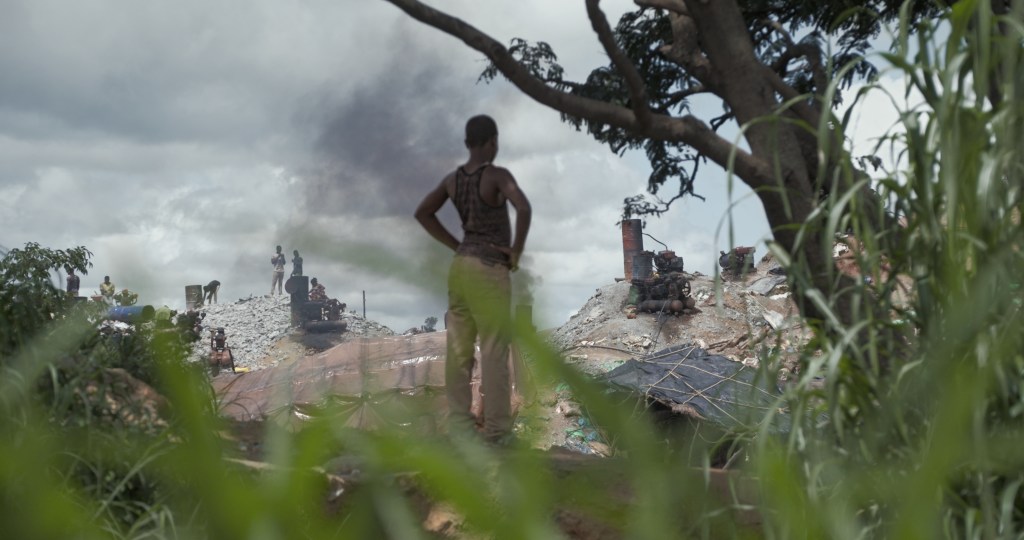
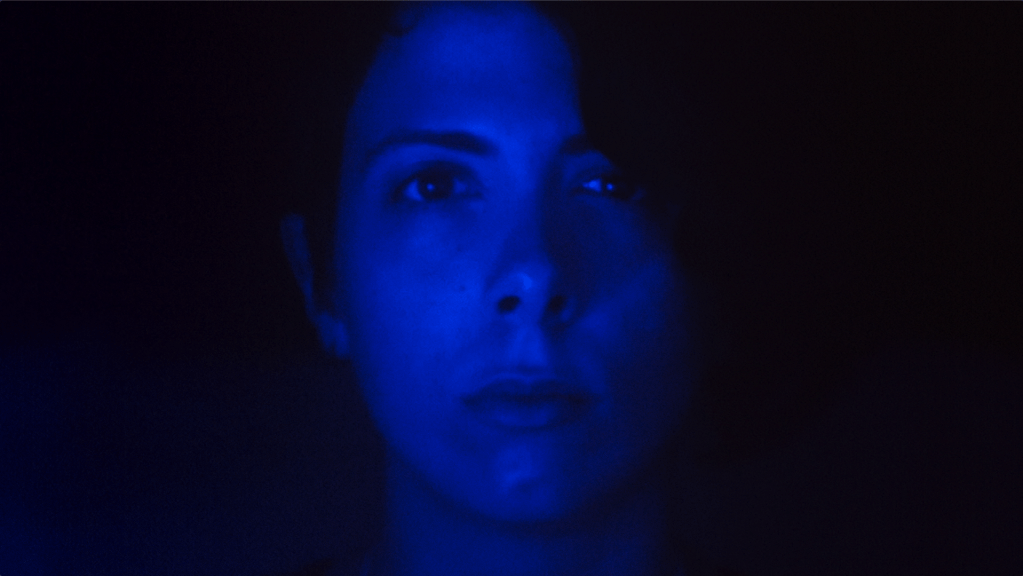
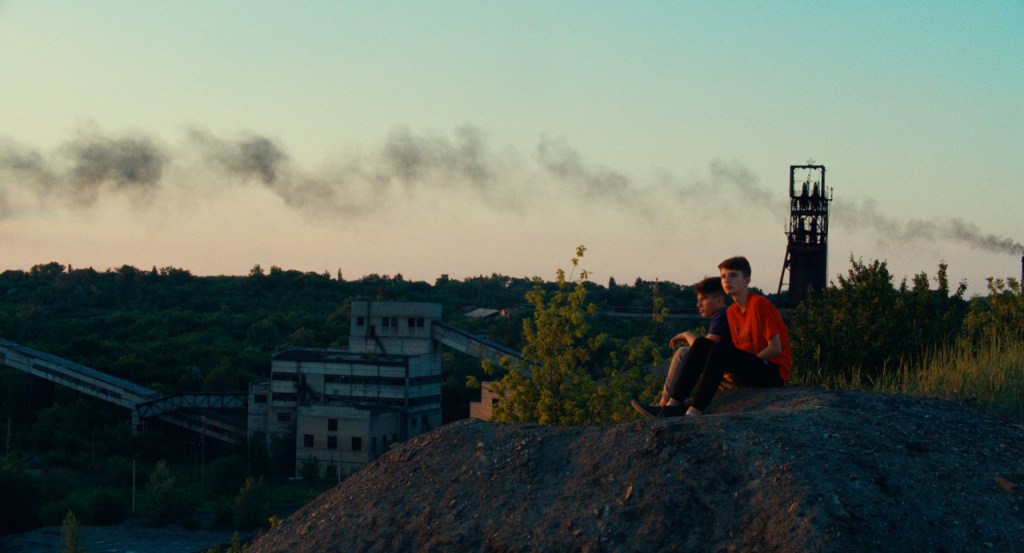
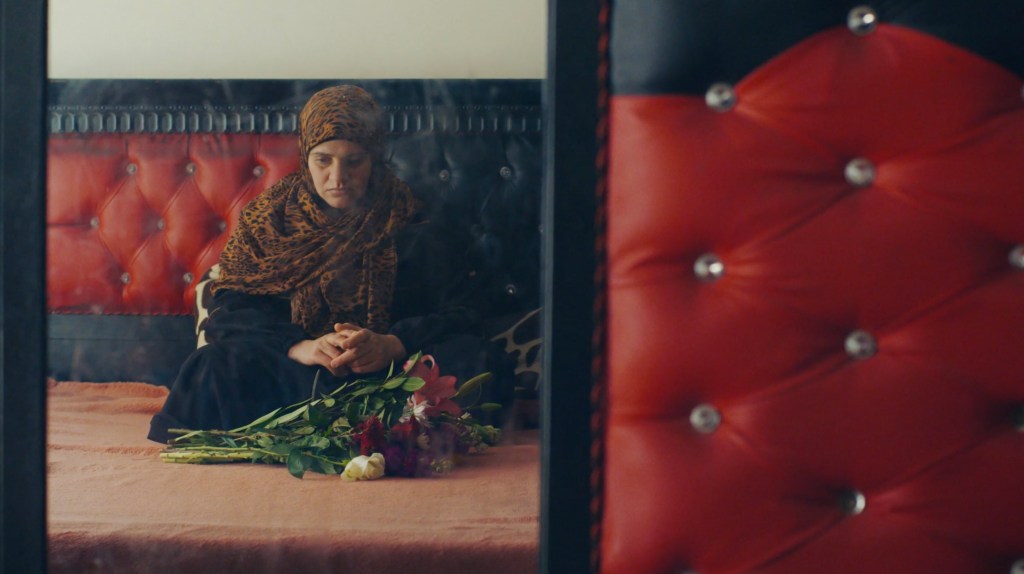
My main goal was to not only focus on individual testimonies and the story of Vladimír Dzuro’s investigation, but also to create a space for reflection in the film. That’s why we chose a method of reconstructing events; we returned with the interviewees to the places which they mention in their narratives. I wanted to be able to work with the audio statements of the interviewees with as much freedom as possible and not overwhelm the viewer with the sight of talking heads. The key to the overall look of the film was the collaboration with cameraman Šimon Dvořáček.













 True Story Blog
Leave a comment