
Director’s Notes
How it Started
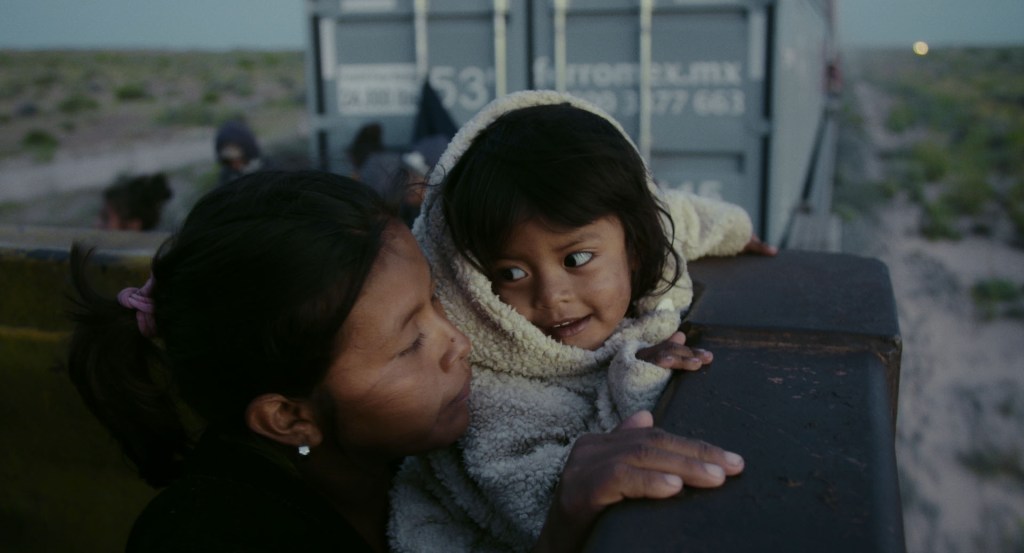
Whilst visiting the US-Mexican border city of Tijuana, the filmmakers Jakob Krese, Danilo do Carmo and Arne Büttner were introduced to members of a newly arrived migrant caravan. As they spoke with the migrants they were impressed by their collective strength. Brought together by their experiences along the caravan’s 4000km journey, their strength had been solidified by a communal desire to fight for the opportunities they had been denied.
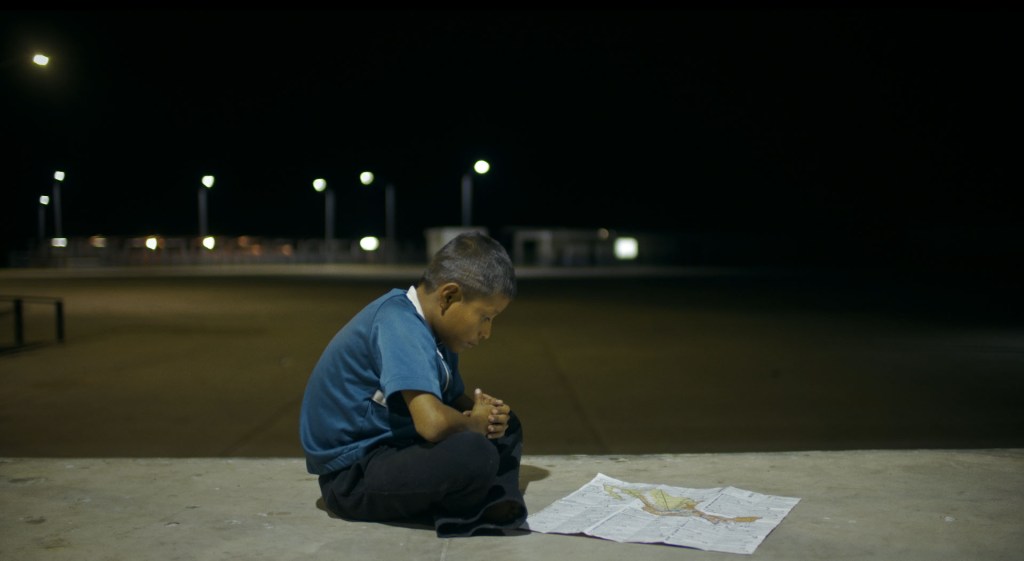
Among the migrants, the women and children arriving in Tijuana stood out. For most of them, these caravans were their best opportunity for a better future. Their determination to realise that future was the story the filmmakers wanted to understand.
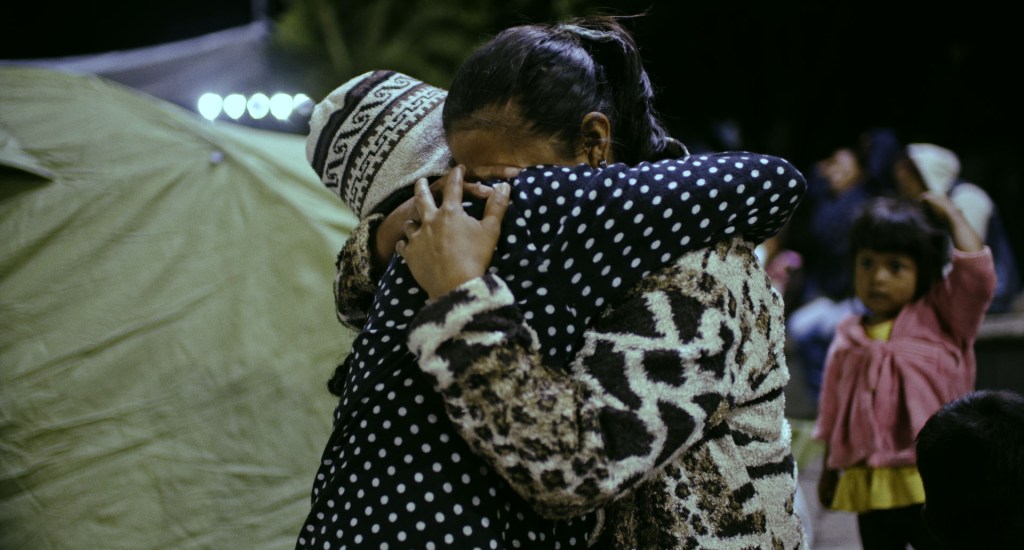
After spending 6 weeks in Tijuana, the caravans’ LGBTQ+ community organizer, Irving Mondragon, suggested that the filmmakers join him and support the next caravan leaving Honduras. Impressed by what they saw in Tijuana and alert to the lack of in-depth coverage and simplified narratives portraying migrant caravans, the team decided to accompany Irving.
Filming on the Road
The caravan left Honduras and continued north, on foot, in trailers and on freight trains – growing as new migrants joined. Along the way both the migrants and the film crew had to find their way, avoid getting separated and find shelter to sleep. Help was always needed and there was always something to help with. There was no other option but for the film crew to become part of this migrant collective.
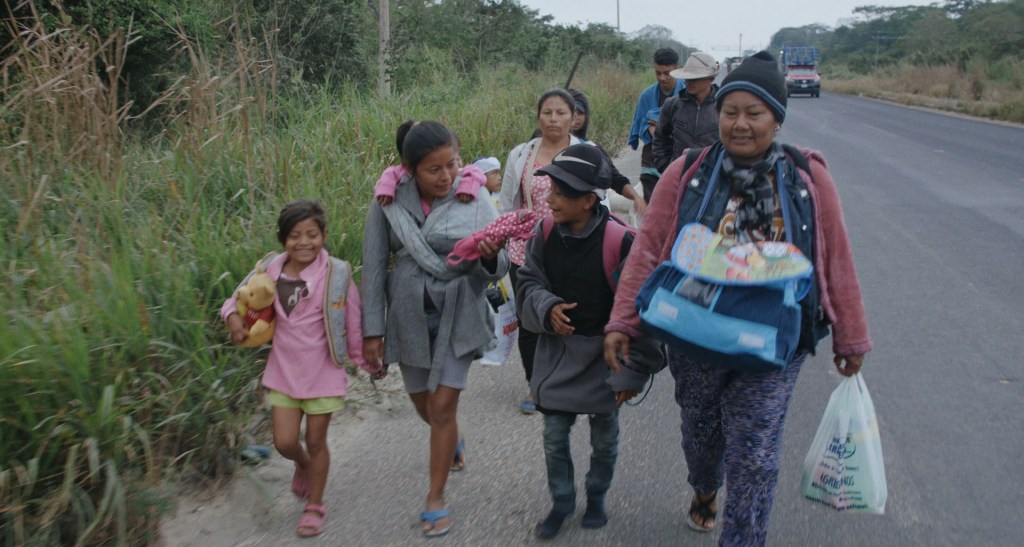
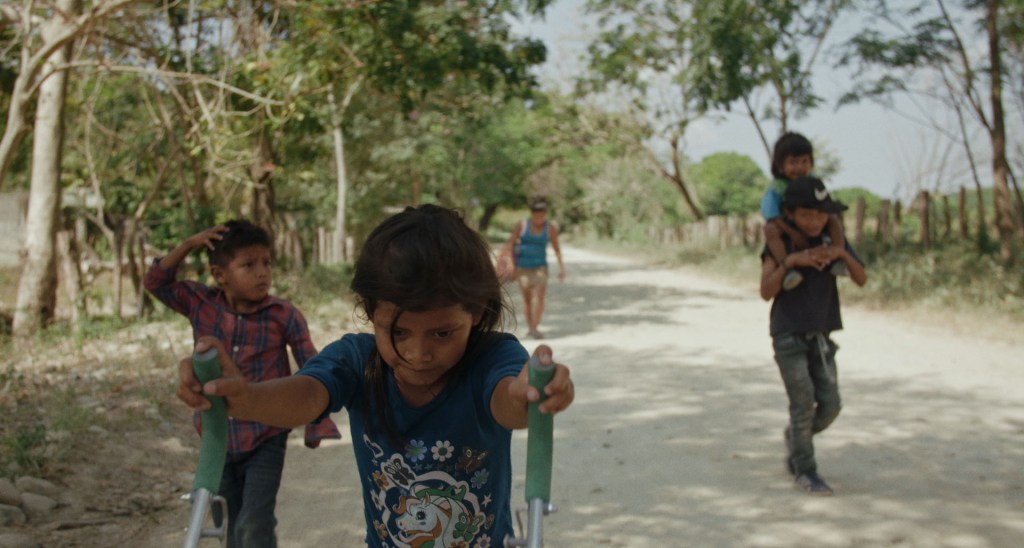
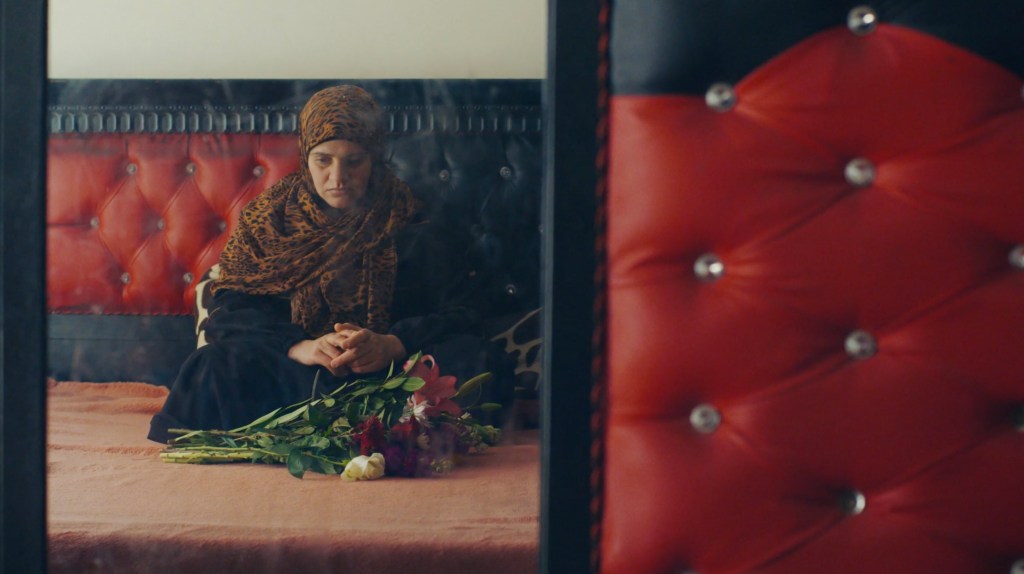
Inside the caravan groups and communities began to form. The crew traveled with the LGBTQ+ members, unaccompanied minors, and single mothers. Among them, Lilian and her family. As the presence of the camera became normal, Lilian and her children slowly took center stage in the film.
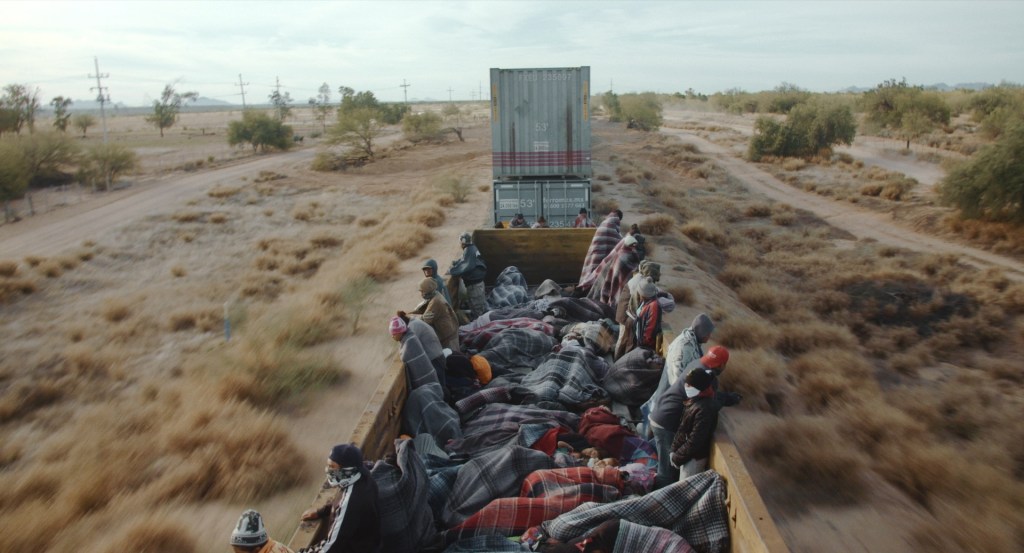
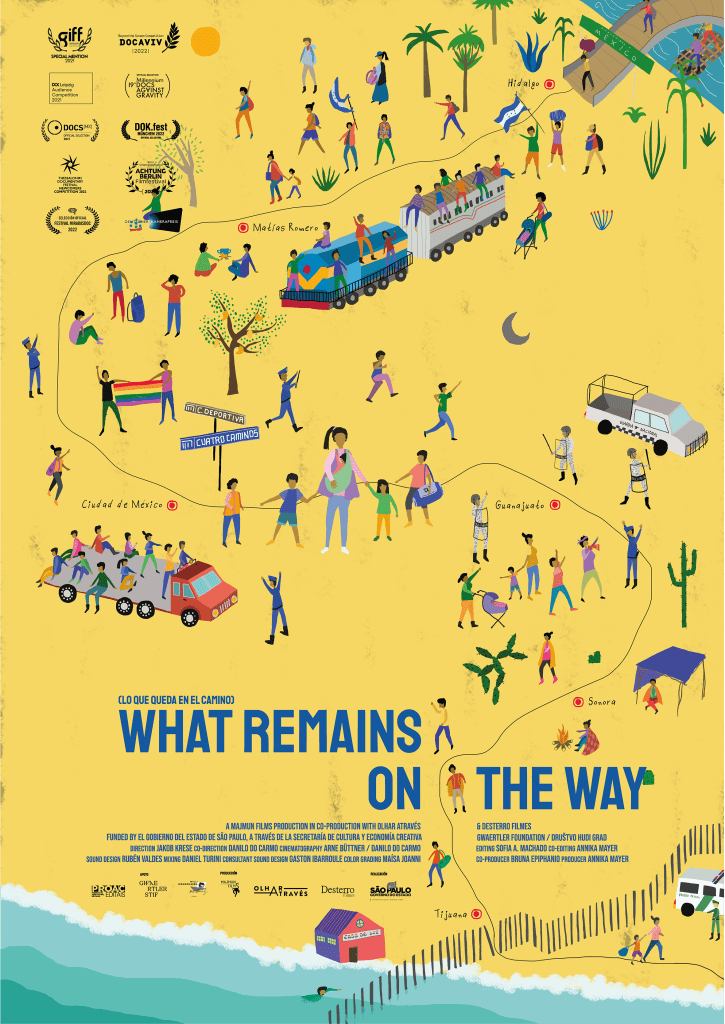
What Remains in the way
Lilian seemed incredibly comfortable with the camera, she seemed to forget our presence. Obviously we couldn’t circum our position as filmmakers, or our privilege. Two middle-class men captivated by a romantic vision of the working class. One, the son of a Yugoslav migrant mother in Germany, intrigued by questions surrounding migration. And, a Brazilian man, great-grandson of Maroons, interested in the identities of black people in the Americas.
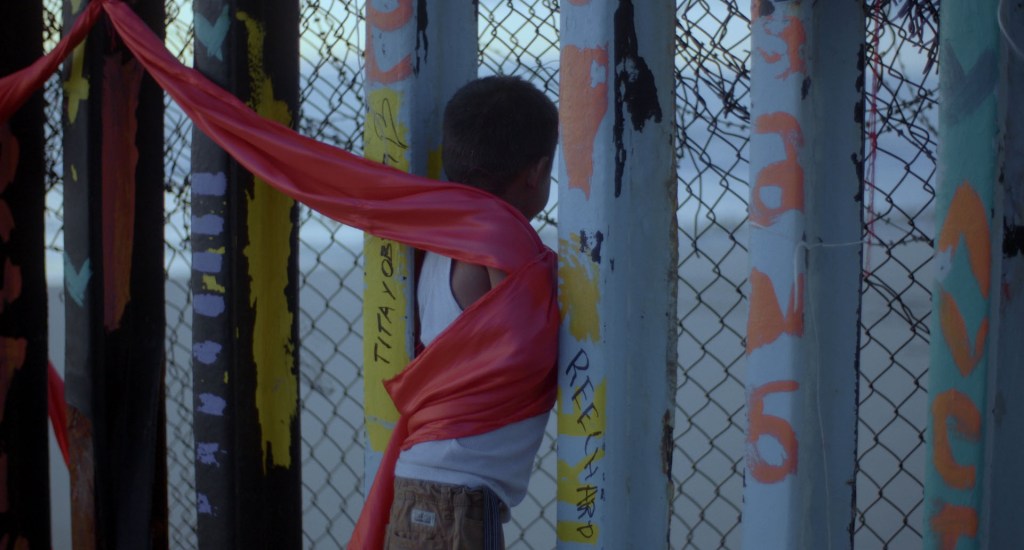
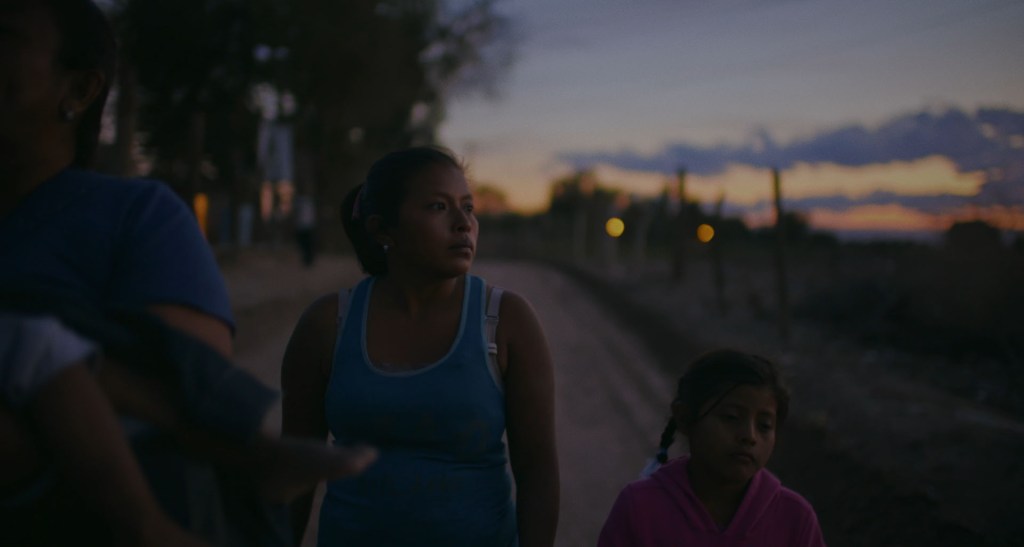
In the caravan, one reveals themselves through the choices they make, how they connect with others and how they deal with fear and anxiety. Lilian got to know us through our actions whilst allowing us to document hers. As Lilian warmed to us her character unfolded, but Lilian chose the moments she shared. It was these moments that allowed us to document a complex portrait of female migration; a narrative that does not conform to simple storylines but depicts different facets of Lilian’s journey.
Background Information
The Northern Triangle of Central America; El Salvador, Guatemala, and Honduras are considered some of the most dangerous places on earth. The situation there is driving unprecedented levels of migration. Refugees that arrive at the US-border are fleeing horrific conditions, that are in part, the results of US interventions in their homelands.
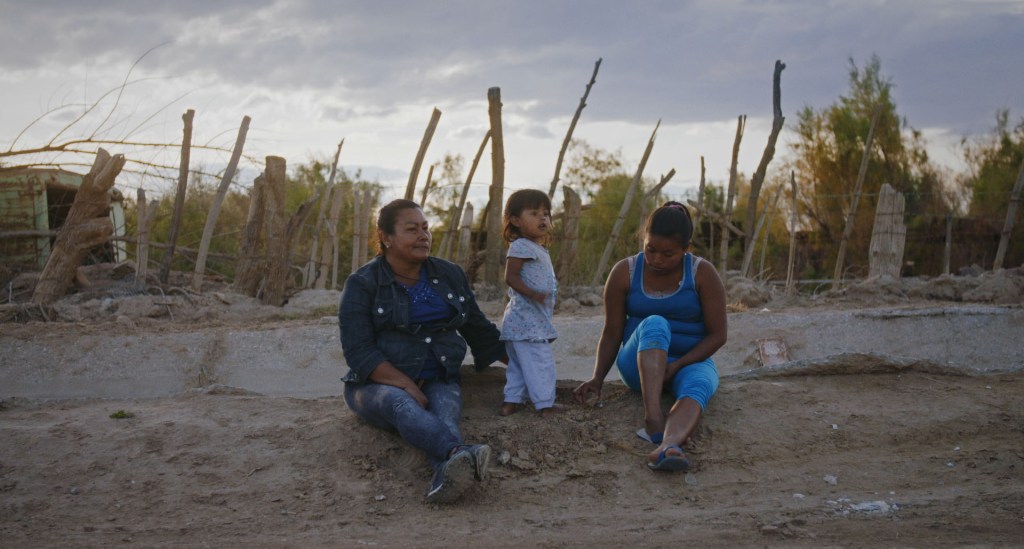
Women often bear the burden of violence in multiple ways. Domestic violence, is a significant and often overlooked factor in the migration crisis. Guatemala, where our protagonist Lilian is from, ranks third for femicides globally. A toxic mix of male chauvinism, and a lack of education and material wealth creates pressures that can only be escaped by leaving. Migrants pin their hopes on a new life in the United States, but as they journey to the North, many women are beaten, raped, and too often, killed. Especially for women travelling with children, the migrant caravans are their best chance to reach the US safely.
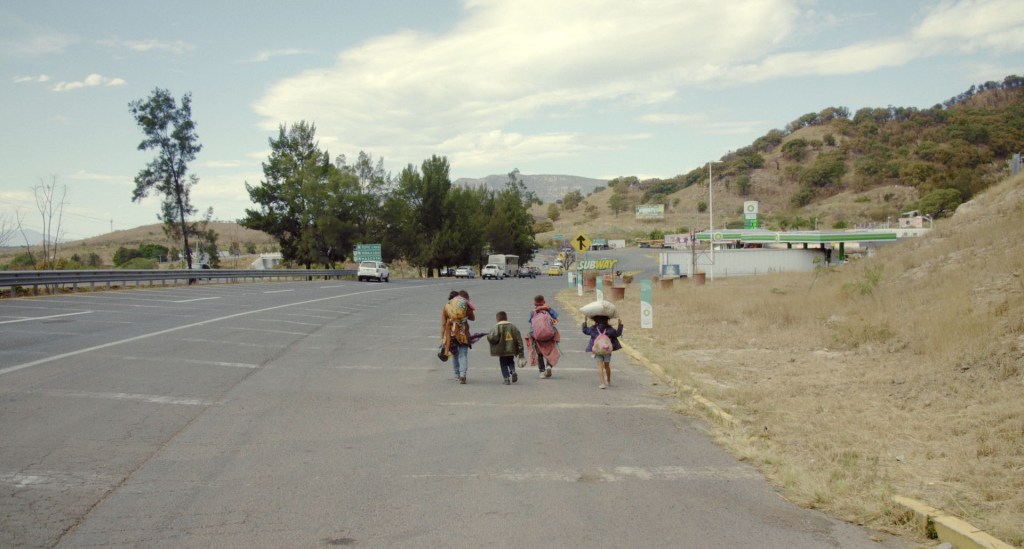
After the US threatened Mexico with tariffs, the Mexican government began the militarization of borders and a crackdown on “illegal” migration. The regular caravans were brought to a halt. Now, human trafficking is increasing and smugglers are the only option, which women like Lilian cannot afford.










 True Story Blog
Leave a comment