
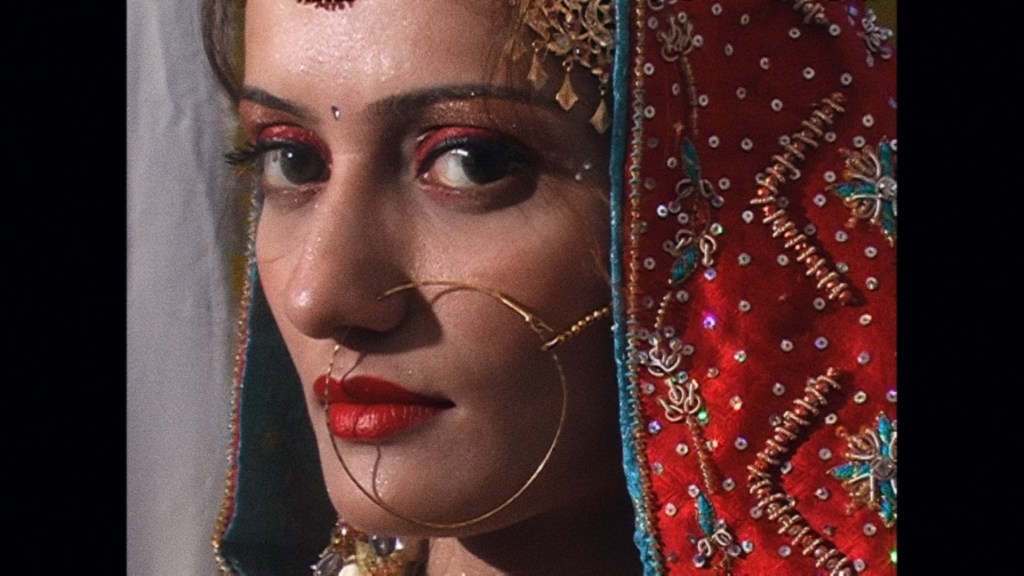
Director Intro
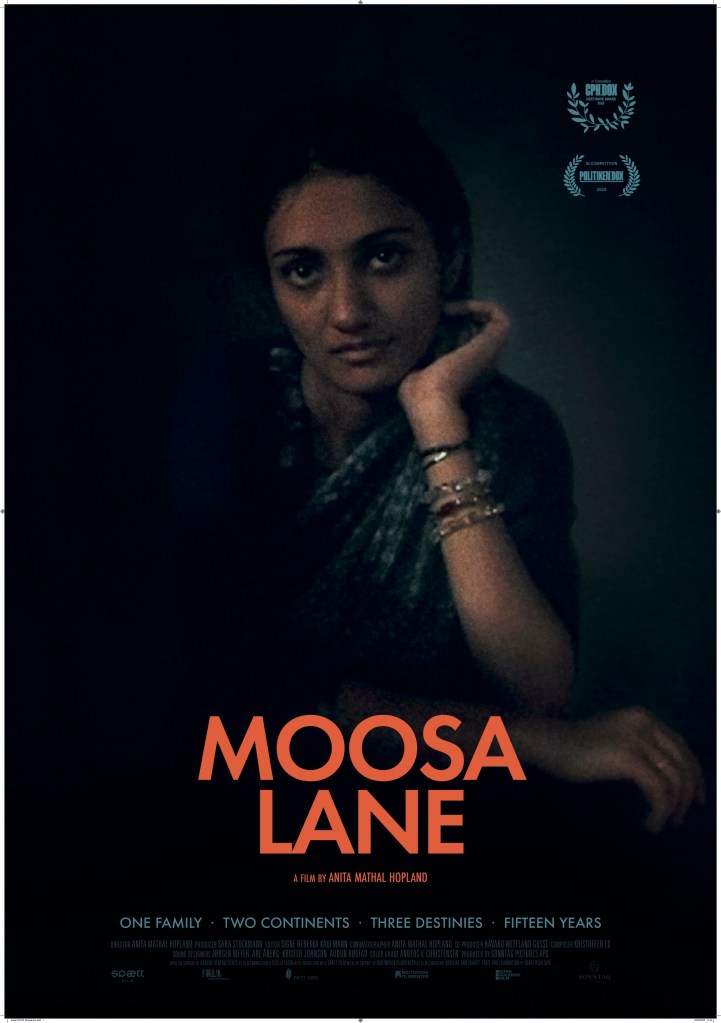
I was born into a world of contrasts. And when I turned on my camera in Moosa Lane for the first time in 2005, I was not aware that I was making a film. I just filmed what was there in a hidden world, while I was constantly challenged on my own definitions of normality.
As my connection to this part of my roots became stronger, the amount of recordings from my visits grew exponentially. All while the gap between my two worlds was stretched wider by global politics and power structures.
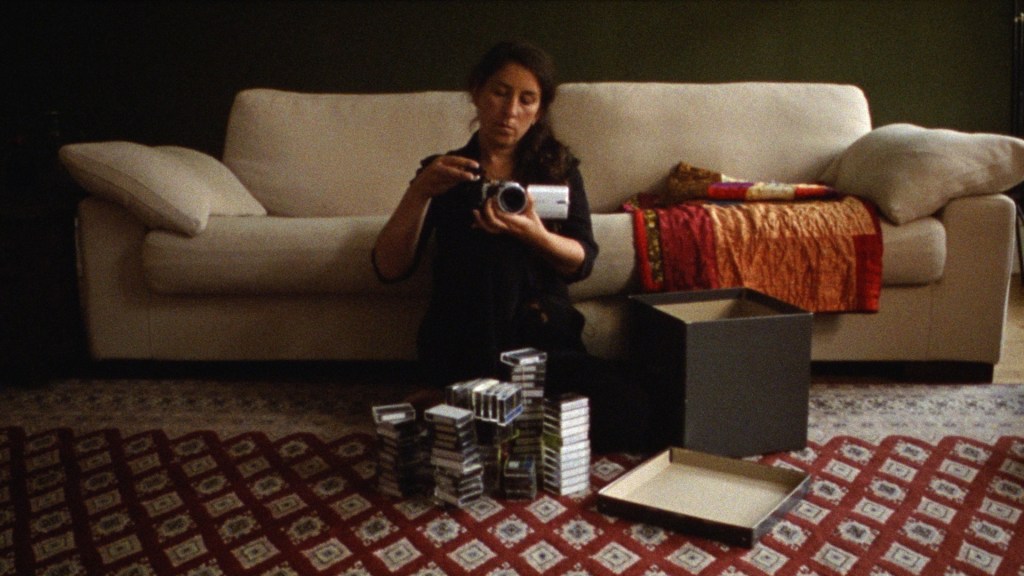
With a box full of tapes, and endless amounts of missing bridges of representation, I decided to look into the recordings. Throughout the following years, I continued recording life in Moosa Lane and now with a purpose of passing on the alternative narrative of life in the third world together with my family. But the distance between us was a constant test to accept, and when one of our youngsters got ill, the bridge between us challenged all the hope it was built from.
Life is a never-ending cycle, and in Moosa Lane this cycle is both strong and very fragile at the same time. An ongoing duality of the premise of our existence – life in Moosa Lane is a testimony of how hope and perseverance builds bridges where there are none.
Saima, Alishba, Zayn and the family in Denmark
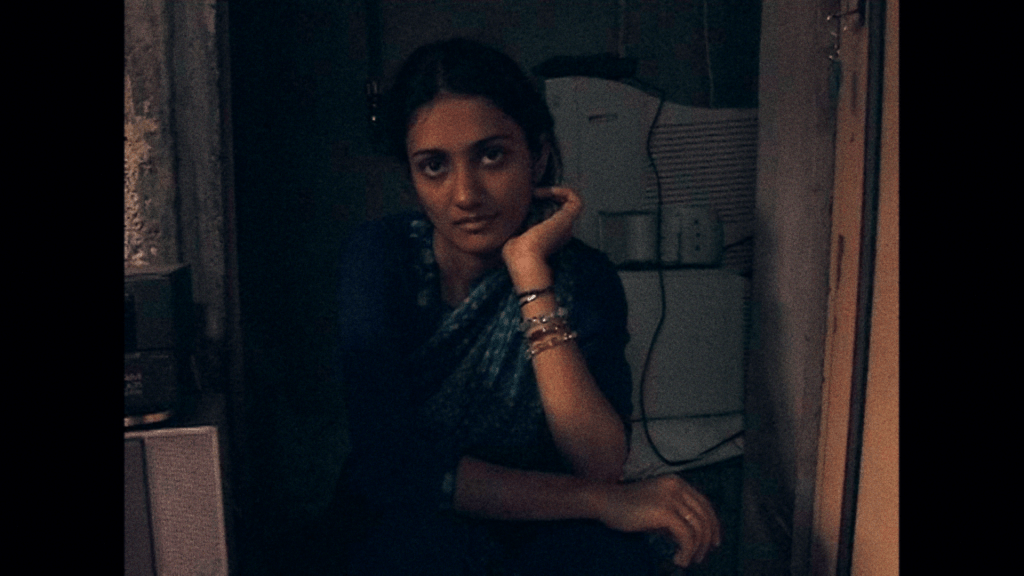
Saima: The oldest daughter in the family, she is 20-years-old when we meet her for the first time in the film. She becomes engaged in an arranged marriage to a man she will marry five years later. She is the first member of her family to attend university.
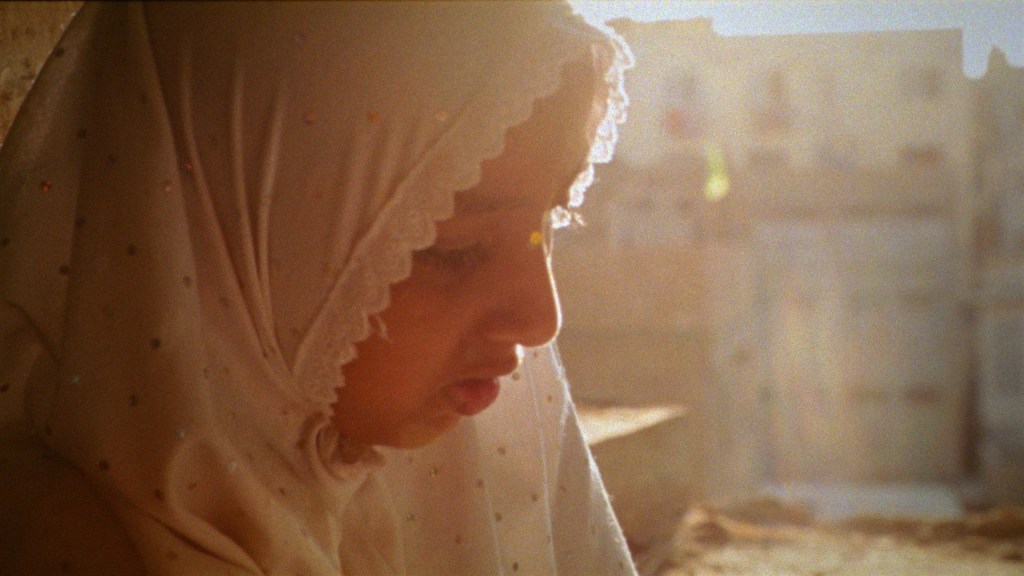
Alishba: Three years old in 2005 and the youngest member of the family. Alishba grows up with gang wars raging outside of her home, while she plays with her dolls inside and dresses herself in burqas and niqabs. However, beneath her serious, mature veneer, she conceals a bright, pink universe with burgeoning dreams of travel and adventure.
Zayn: Zayn is the most well-educated child in the family. His father spent the majority of his earnings on giving him a private school education. Zayn lives with more privileges than his other family members, and he aspires only to travel and experience the world. His biggest wish is to visit Denmark.
The family in Denmark: Anita Mathal Hopland’s family consists of herself, her sister, brother and parents. Anita grew up in a Copenhagen neighborhood called Sydhavnen (‘The Southern Harbor’), which experienced an influx of immigrant families in the 1980’s and 1990’s, where Anita’s family became part of a new generation of multicultural households. Many of the children growing up in
this neighborhood are ‘third culture kids’, which denotes children and teenagers growing up in one or more different countries than the country their parents are from. Anita’s parents are still married and have both retired.
Pakistan Facts
The Islamic Republic of Pakistan was founded in 1947 after the Partition of the British Indian Empire, and has a population of 230 million. The country’s official language is Urdu.
The capital city is Islamabad, but the largest city in aspects of population, culture, and finance, is Karachi with a population of over 20 million. The city is growing rapidly, with an influx of millions of immigrants from countries such as Afghanistan, Bangladesh, and Myanmar. The city is plagued by violence caused by ethnic, political and religious conflicts, as well as general criminal activities.

The quarter Lyari Town, where Moosa Lane is located, is Karachi’s most densely populated and oldest neighborhood.
Roughly a third of Pakistan’s citizens live in poverty, and this figure is expected to rise to 40 percent. Pakistan has experienced a financial crisis over the last few years, which has only worsened with the global pandemic. The price of basic food items has risen with between 60 and 90 percent over the past three years.
40 percent of the population are illiterate.
The Henley Passport Index compares every nation’s passport in accordance to the number of countries it allows entry into. With a passport from Pakistan, you are only guaranteed travel to 31 destinations. In comparison, a Danish passport guarantees entry into 188 destinations.











 True Story Blog
Leave a comment