
Director Statement: Jonathan Perel
In 2008 I started filming at the former concentration camp Escuela de Mecánica de la Armada (ESMA, School of Mechanics of the Navy), with fear and with trembling, what would later be my film “El Predio”. Perhaps I was the first one to enter with a camera to that site with the aim of trying to rehearse a place for cinema as part of the construction of memory.
It was a time of transition, a fold of time, when the site was under construction, and the meanings had not yet closed. I made that film with urgency, in addition to fear and trembling. The place was being converted into a museum, and I wanted to capture it before it was completely transformed. Almost nothing that this film documented currently exists in the ESMA, which is now the Ex-ESMA. A place, an estate, which we still do not know how to name, perhaps for fear of leaving his real name: ESMA, that will never stop being, what was and will always remain.
Then I continued making films in different places of memory, especially in places that functioned as clandestine detention centres. I filmed the murals at El Olimpo and at Orletti Automotores, and then with “17 Monuments” I traveled around the country shooting memorial sites and military bases in Posadas, Trelew, Calama, Famaillá, San Miguel de Tucumán, Santiago del Estero, La Rioja, Córdoba, Paraná, Mar del Plata, La Plata, Olavarría. I returned and filmed in the ESMA “Tabula Rasa” a few years later, then I filmed “Toponymy” in the Tucumán jungle, and I submerged the camera in depths of the Río de la Plata in “Las Aguas del Olvido”. In order to get permission to film the Electra planes that were used in the flights of death, I had to lie to the military at the Espora Base of Bahia Blanca. Places difficult to shoot, either because of the difficulty to access them, or simply difficult to transit because they are inhabited by ghosts; those are the spaces par excellence that attract me and in which I want to continue filming. The intimacy and solitude with which I do it somehow translates to the screen.
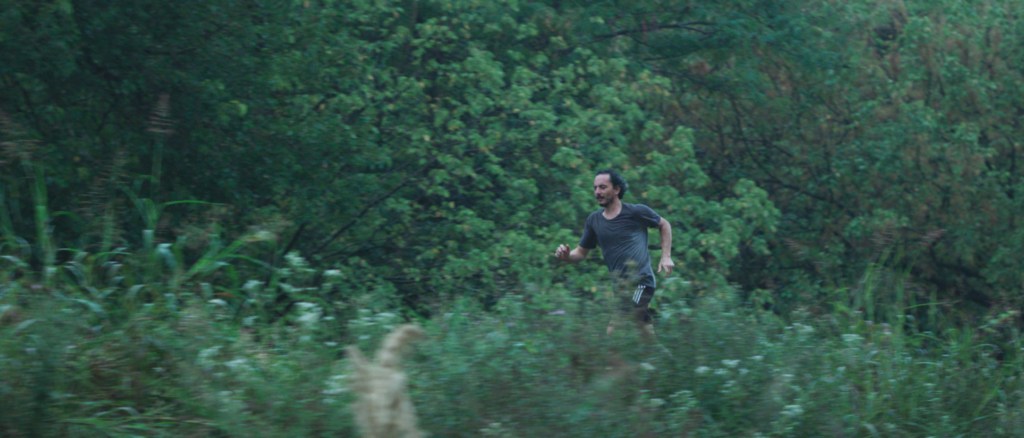
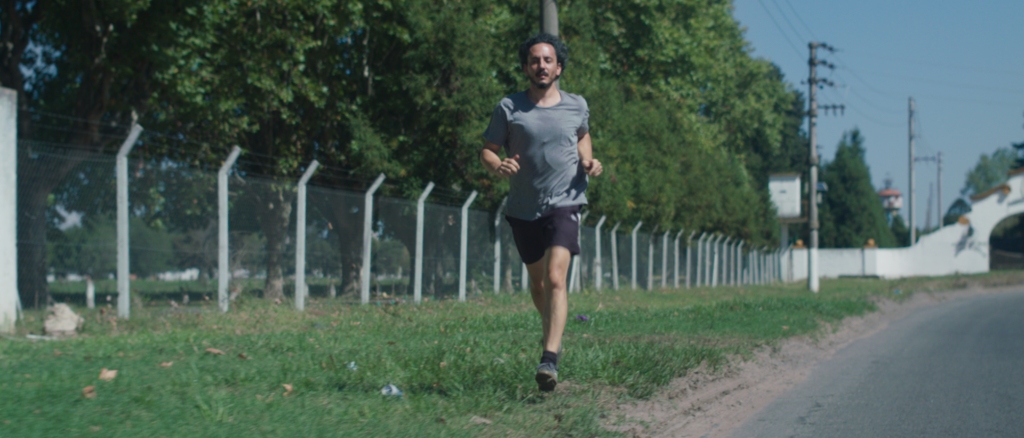
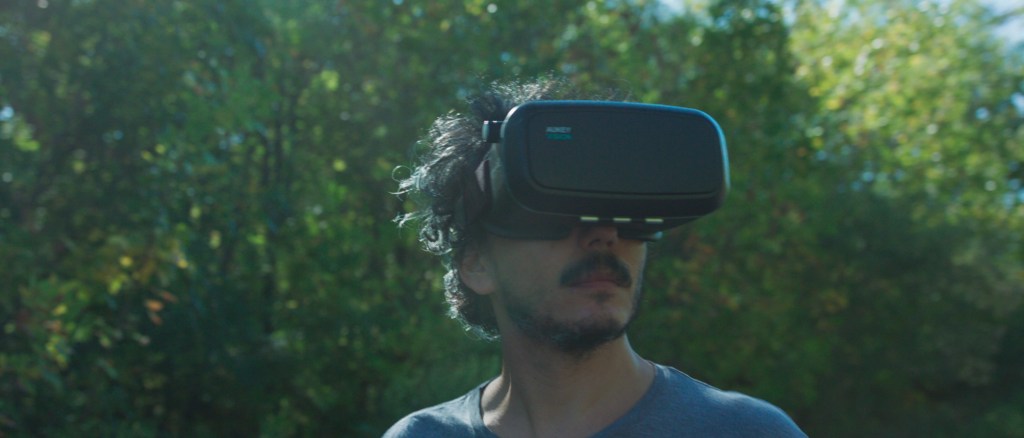
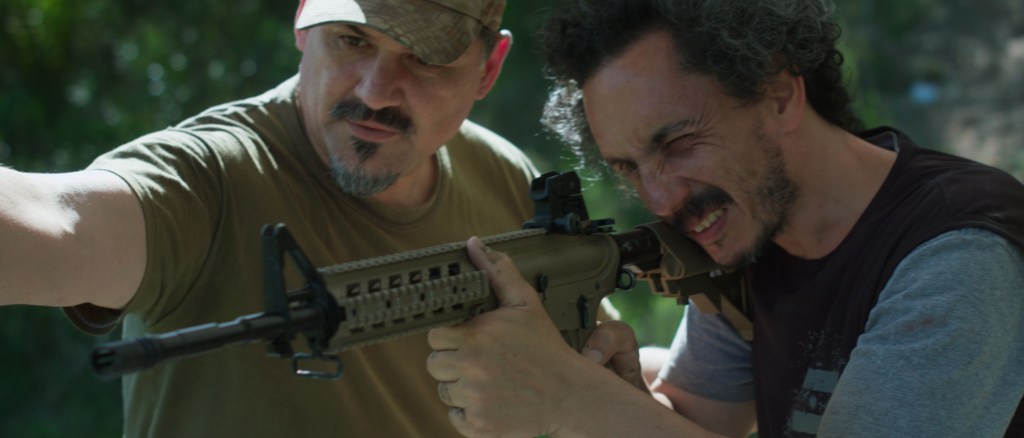
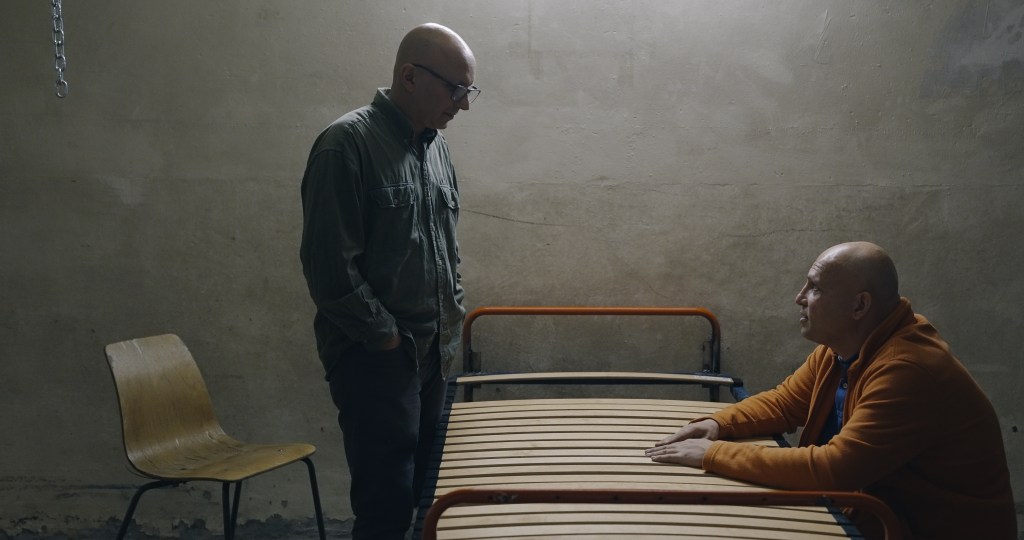
“Camouflage” represents a great new challenge. I never faced a space of such a dimension, or such diversity of characters that surround it. But Hamlet does not go alone to meet the ghost in the esplanade of the castle, it accompanies Horacio. The main motivation of this film is to share with Félix Bruzzone this encounter with the ghosts, inhabiting together not only the behind the camera of the whole creative process, in a form of co-authorship that we have to invent; but also finding ourselves halfway in front of the camera, and occupying both that place within the picture, acting this film.











 True Story Blog
Leave a comment