
Laura Sisteró – Director’s Note

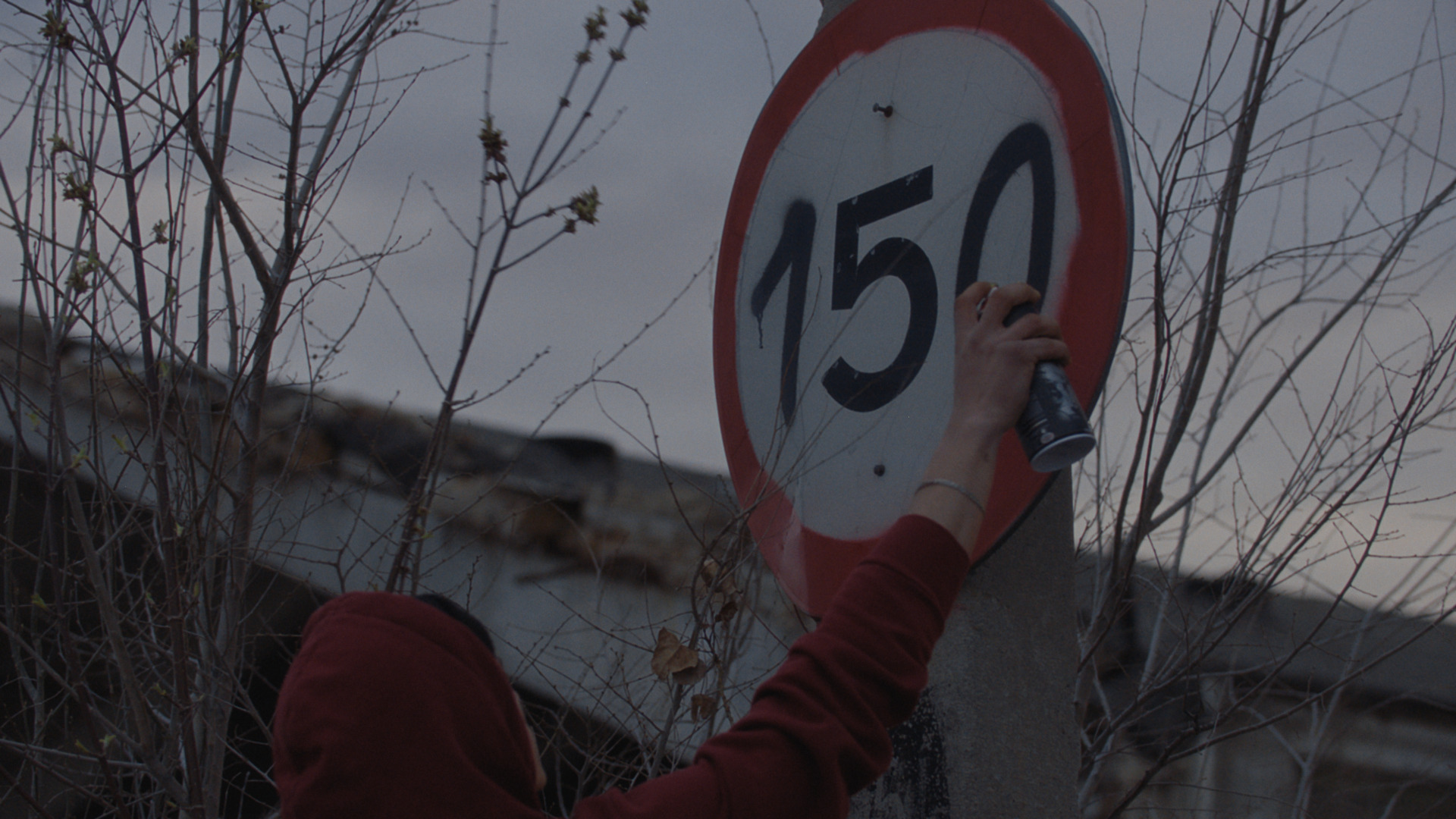
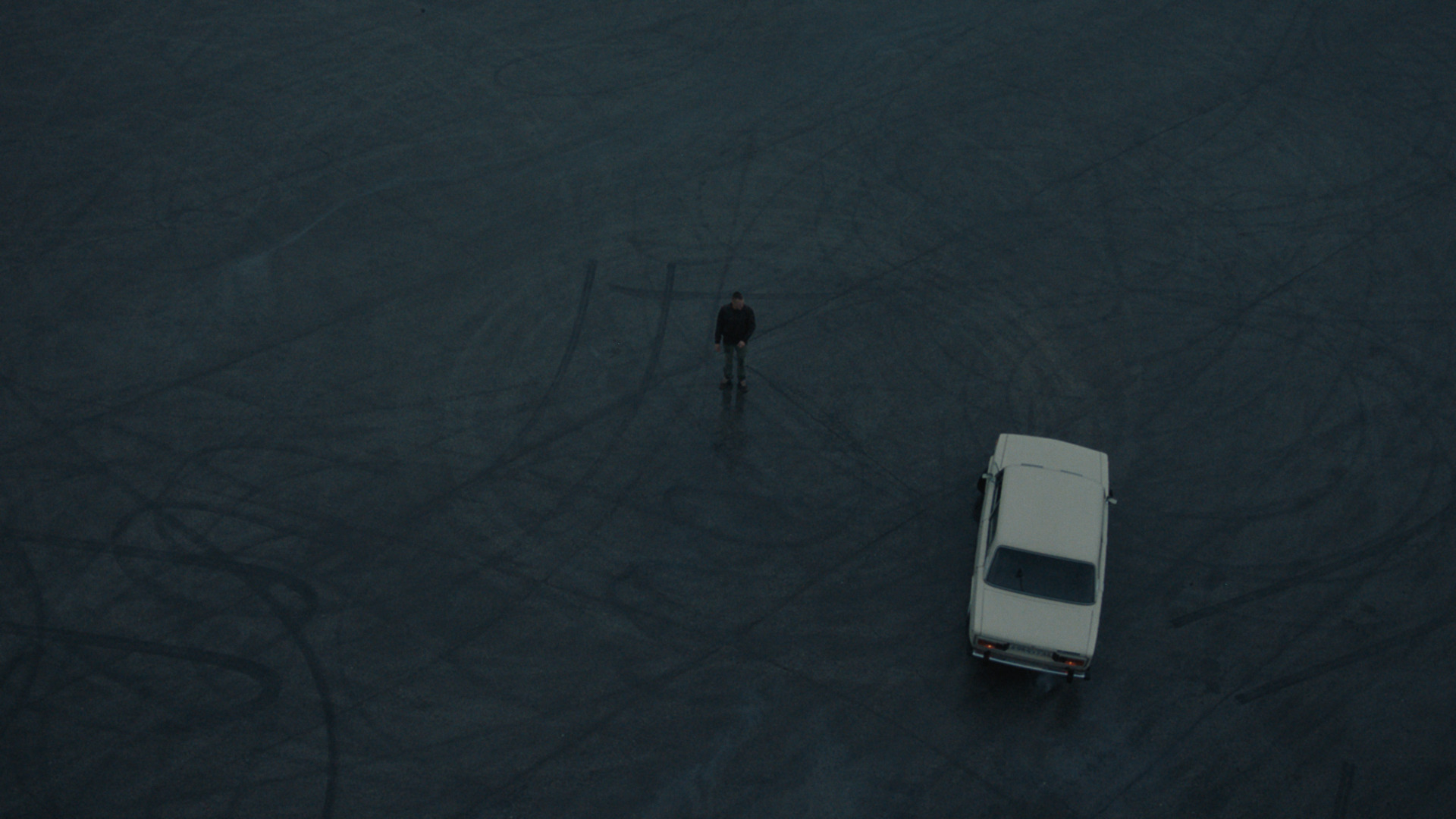

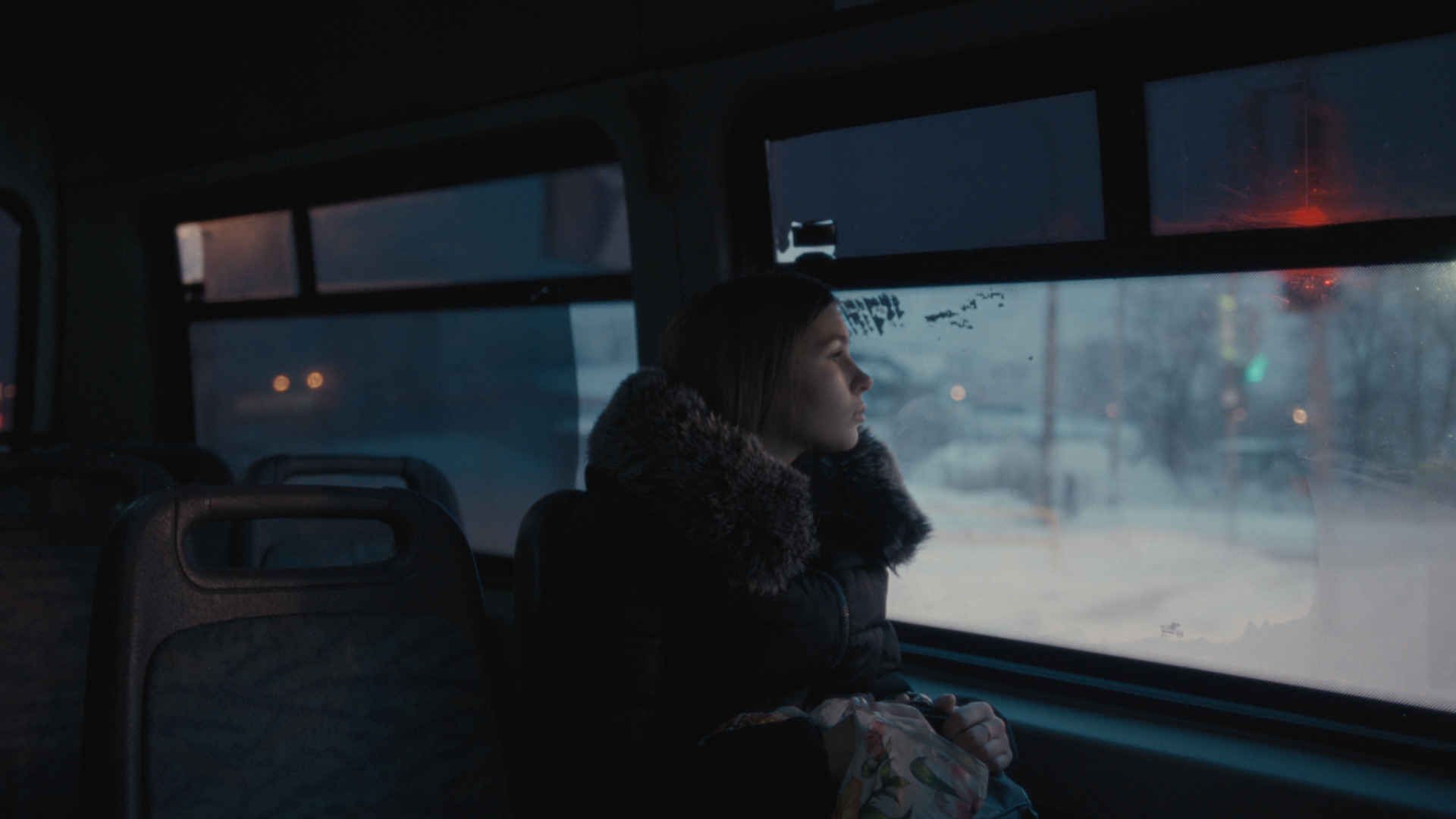
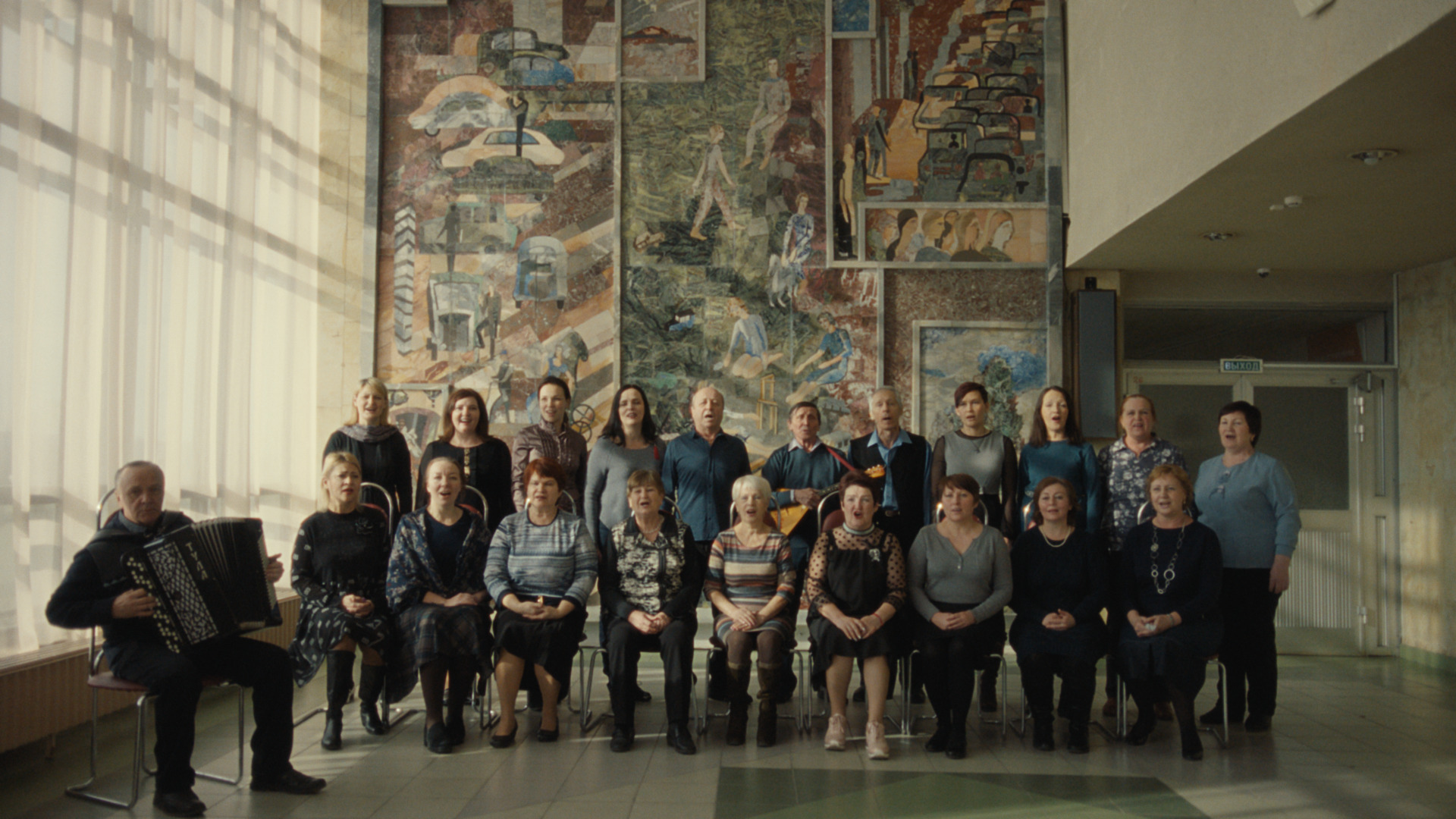

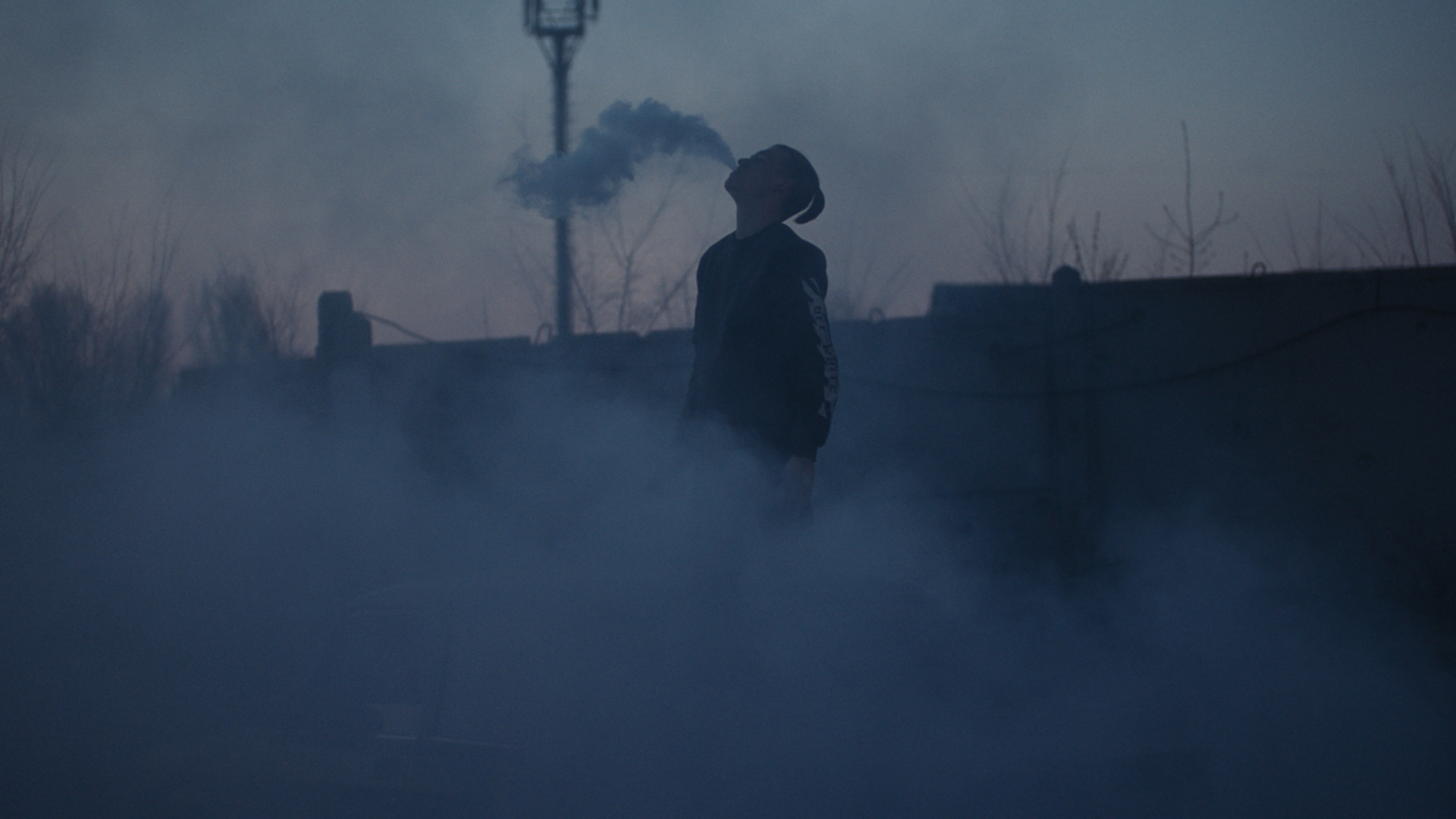
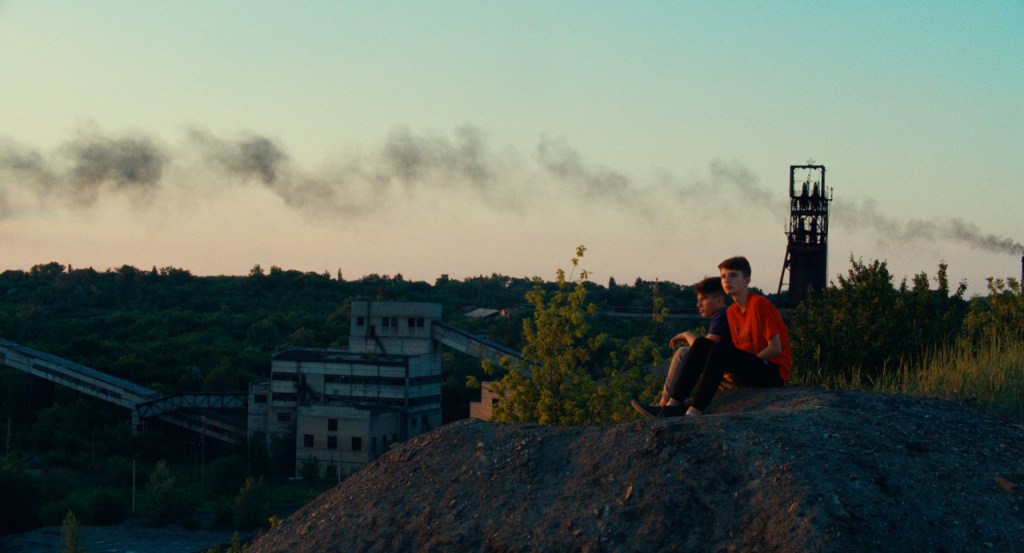
I arrived in Tolyatti with the idea of portraying how young people in one of the poorest cities in Russia were building a future, looking for certain connections with my own adolescence, without knowing exactly what I would find. I spent my adolescence in a small town on the outskirts of Barcelona that bears many similarities with Tolyatti’s reality. A town that had also grown out of control due to the demand for workers in the car factory. The tremendous immigration of the place meant that few felt rooted, that there was no community cohesion and that most of my high school classmates were already depressed for life and only aspired to work in that factory, to end up mortgaging themselves to be able to have one of the cars they made themselves. They tuned them and made noise by pressing the accelerator, so that their existence in this life would leave a mark, even if it was only the marks of their tyres on the asphalt, like involuntary SOS messages.
As a reader of science fiction from the 60s and 70s, I think that today we live in that ungraspable written future and I like to look for traces of the dystopia that belongs to us in the present. We are facing a global conflict due to the change of capitalist economic paradigms; of how the rupture and political systems directly affect young people and their future.
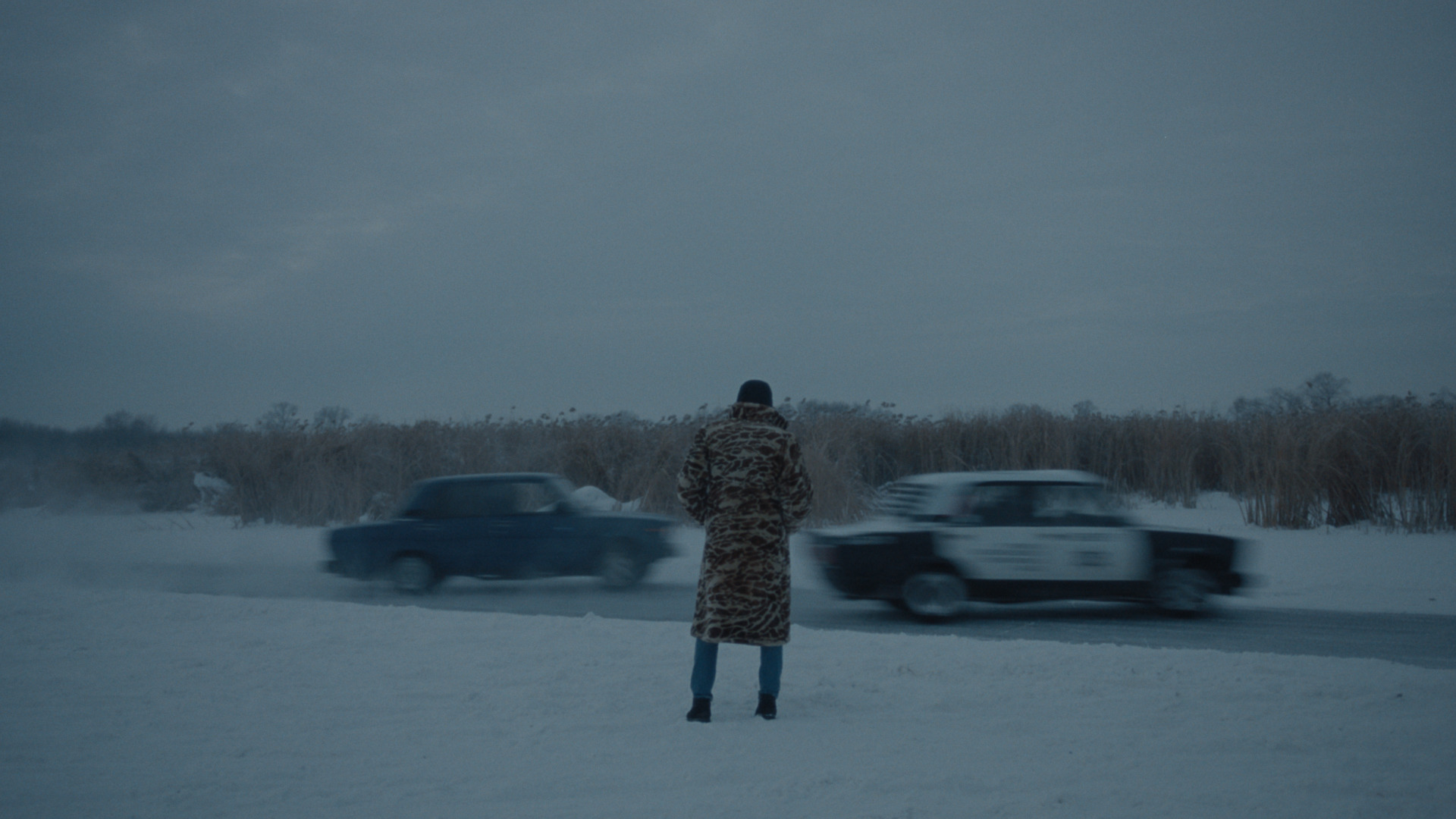
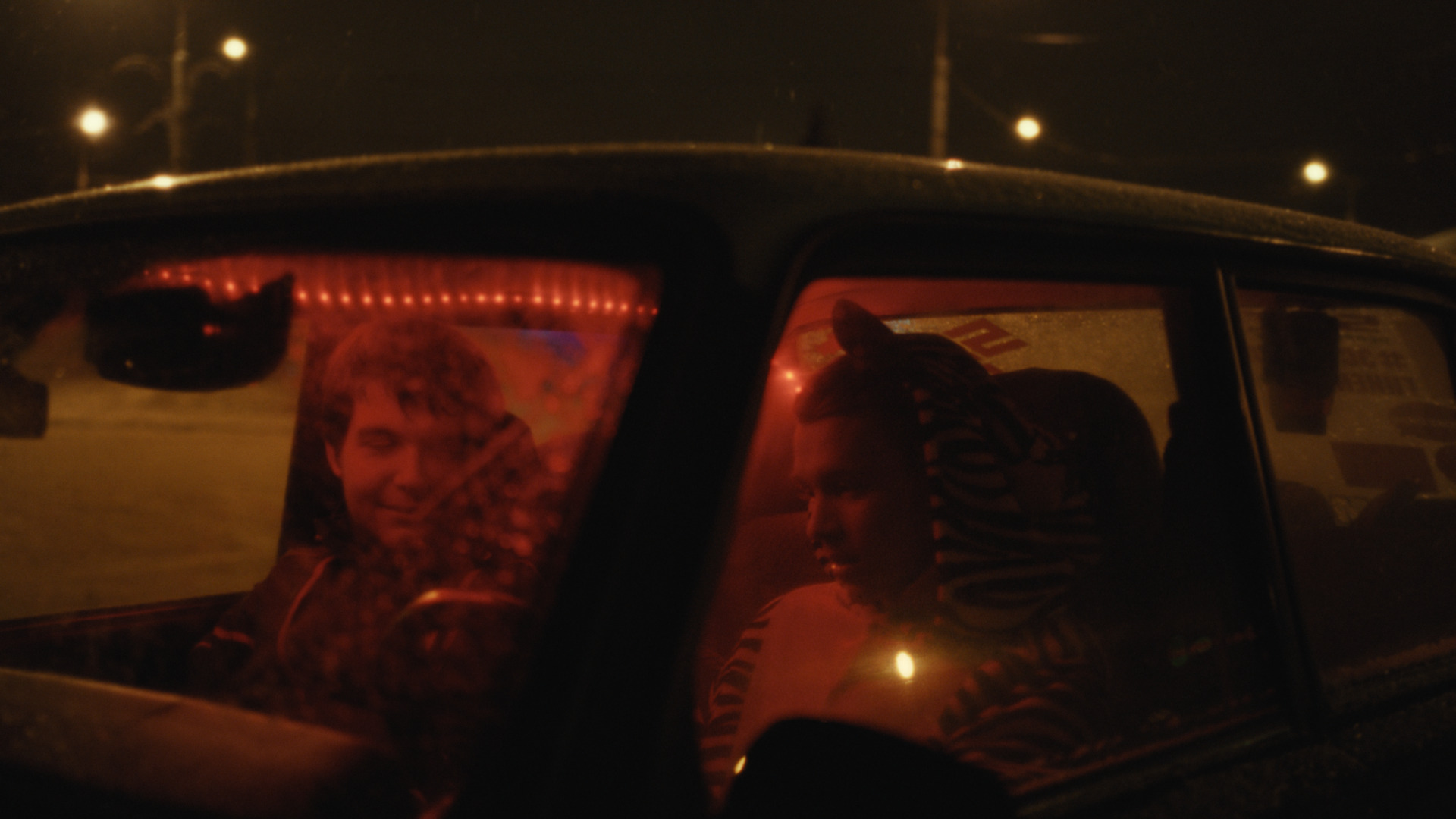
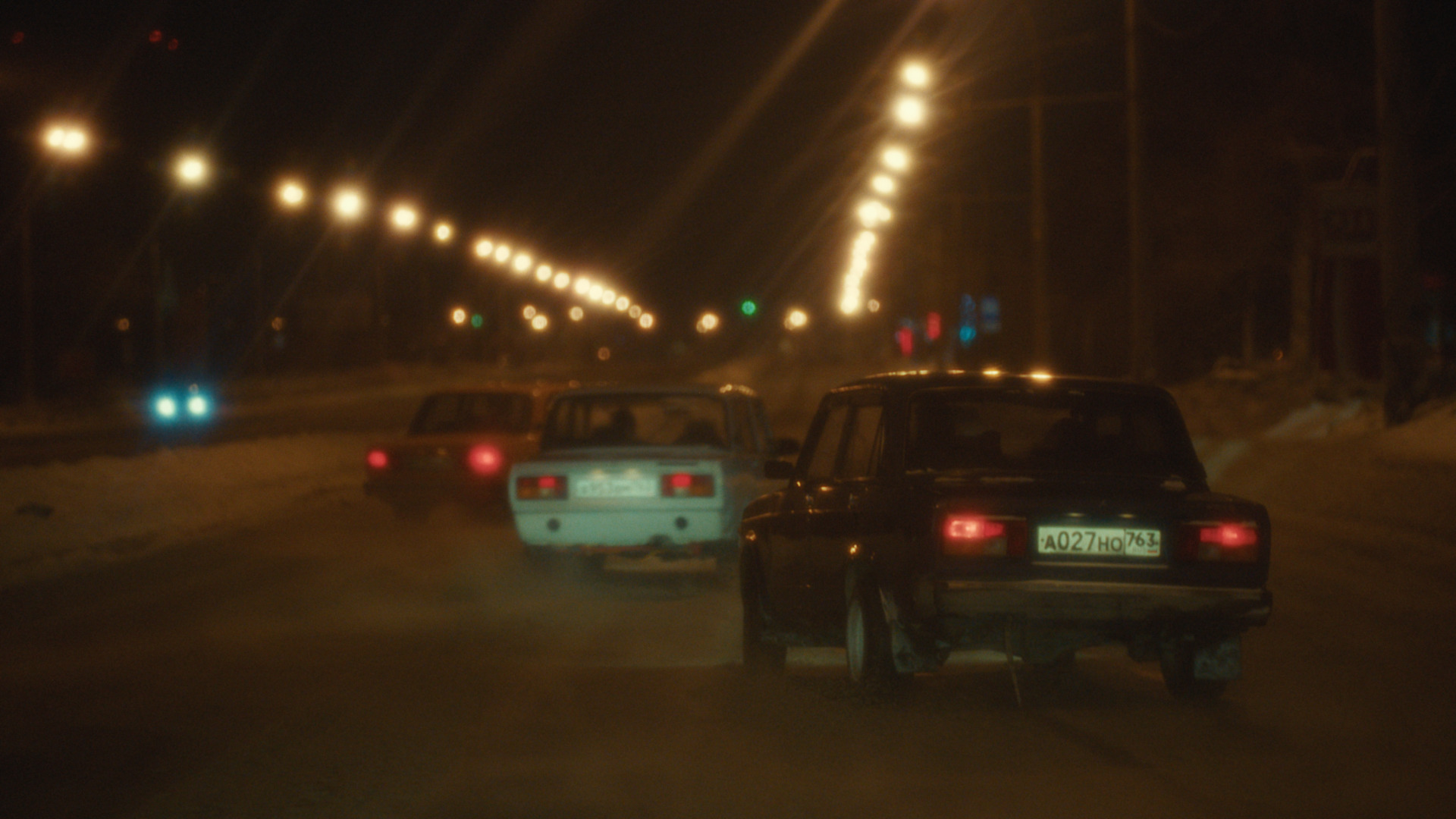
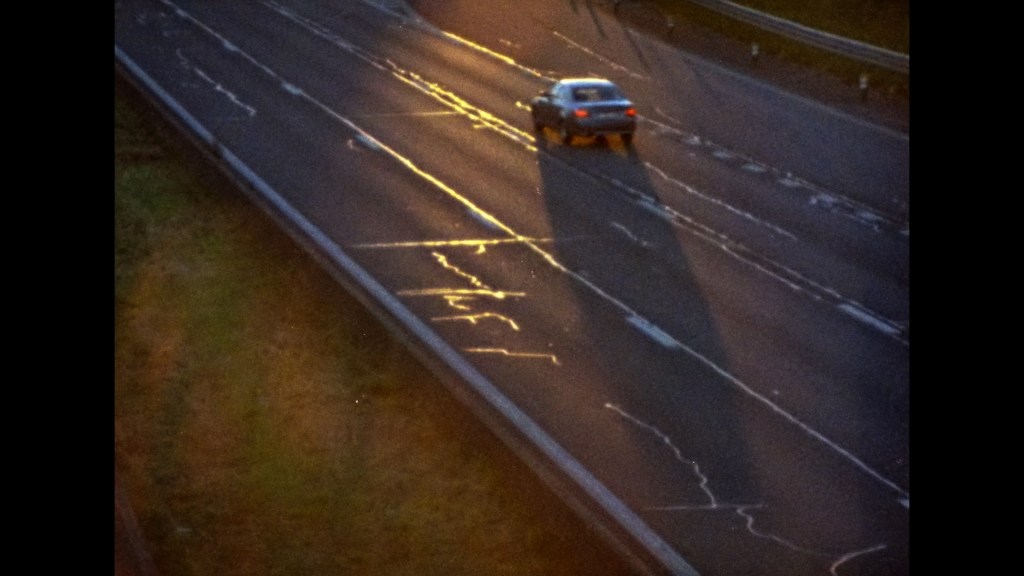
And between drinks they confess to me that they drink to solve everything: “your girlfriend leaves you, you drink; you get kicked out of school, you drink; your father has died, you drink; your girlfriend is a lesbian, you drink; you don’t have a job, you drink”. They are 17 years old and already survivors. The screeching of oncoming cars stops our conversation. In the distance we are dazzled by the headlights of a group of six Lada 2101 cars. My new friends start shouting for joy as the cars come skidding in. They arrive and, without turning them off, they invite us into their old spray-painted tartans. On the road, they pass each other on the switchbacks. Without looking, the drivers laugh, joke with each other and even pass cigars from one car to another on two-way roads with only one lane. I think about how strongly one feels about life the closer one is to death, and how this evades their every responsibility and makes them fly over the asphalt. We arrive at the car park of the nearest shopping centre, where they start drifting non-stop, around one of the lampposts, until the tyres are worn out. One guy straps a shopping trolley to the back of a car and they start to spin around the car park. They just want to see how far this car they have bought for 12,000 roubles (€180) can go, the car their grandparents used to make in this new, thriving city. They explain to me that this car is perfect for skidding, because it was conceived with rear-wheel drive so that the well-to-do people of the USSR could travel quietly in the snow. And now it takes on almost the opposite meaning.
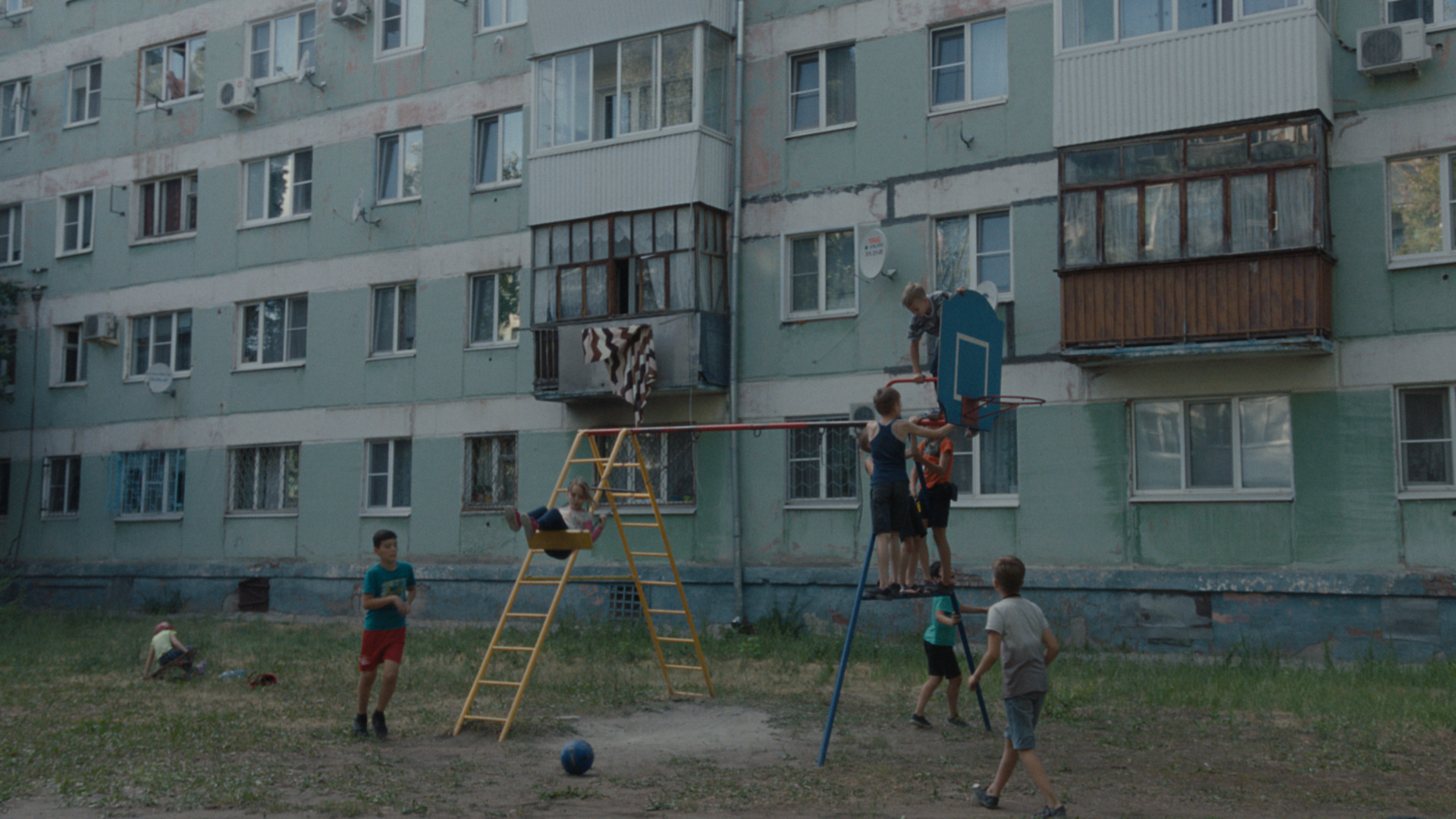
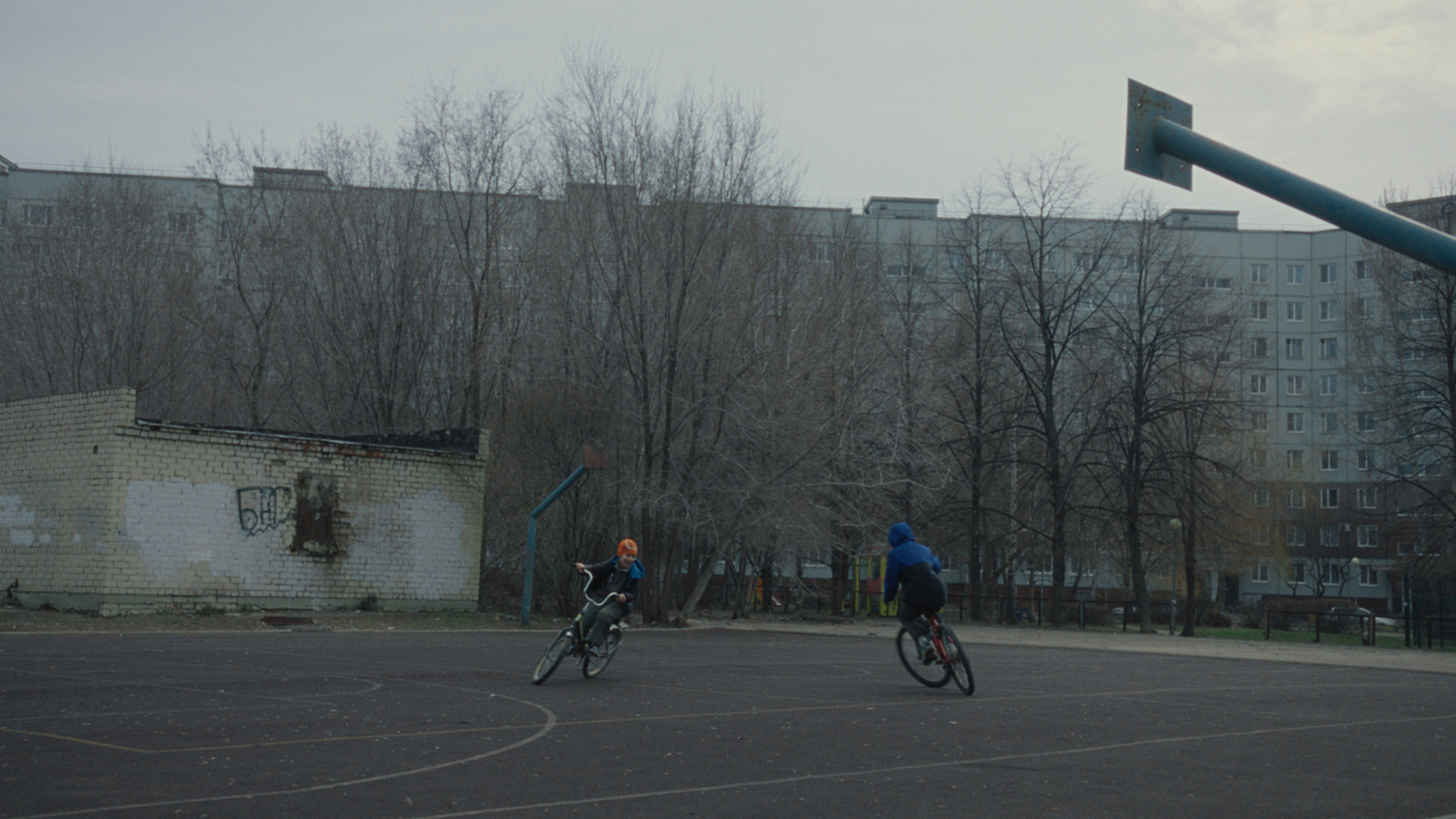
I arrive in Tolyatti on a Friday night. The streets are deserted, there is absolutely nothing lively, upward or inspiring. The large neighbourhoods with their court- yards are designed to grow as families, to reproduce themselves in an involuntary socialism that to this day has not been regenerated since the foundations that support these communities are the same and rusted. Some boys go to a shop where a lady fills up their plastic bottle with the beer of their choice. They walk towards the Volga, they run, they mess with each other amicably and they drink.
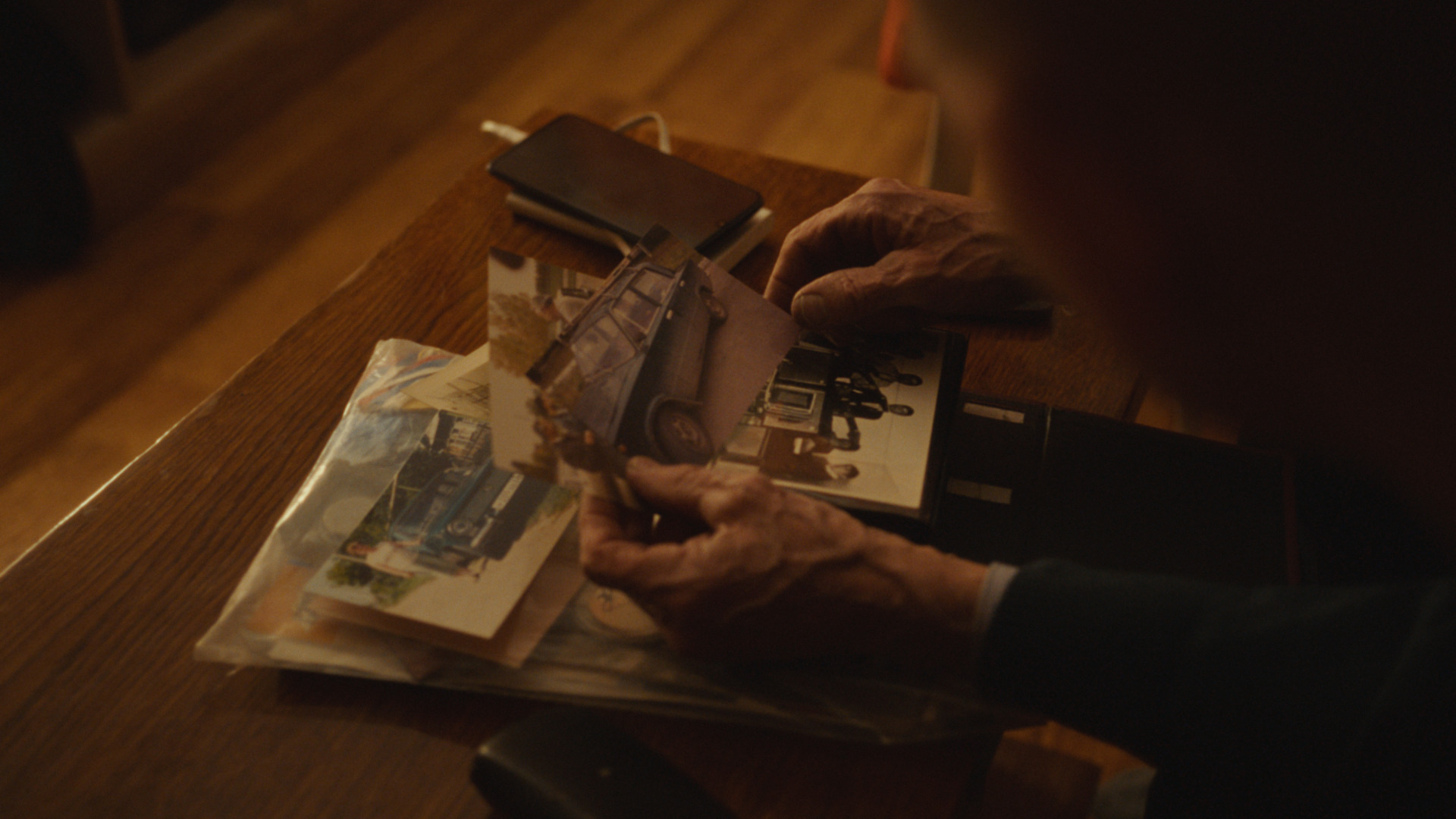
The young people of Tolyatti drive their lives aimlessly, drifting, turning in circles on the same axle endlessly until they wear it out, until they break it. Tolyatti Adrift is a documentary about survival through the glorious icons of yesteryear, the idea of creating shelters anchored in the past in the face of the difficulty of moving forward.













 True Story Blog
Leave a comment