
DIRECTOR’S STATEMENT | BOGNA KOWALCZYK
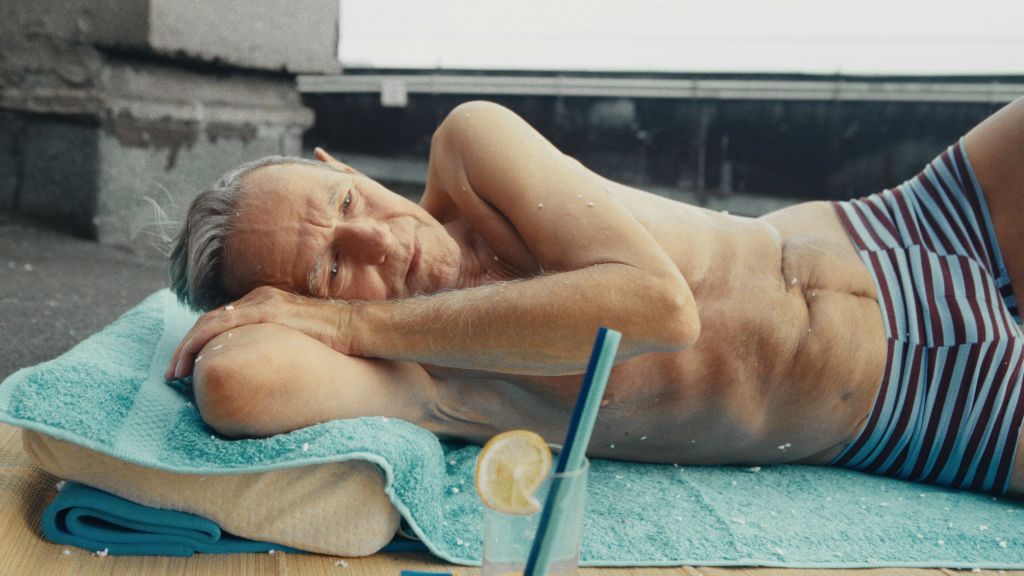
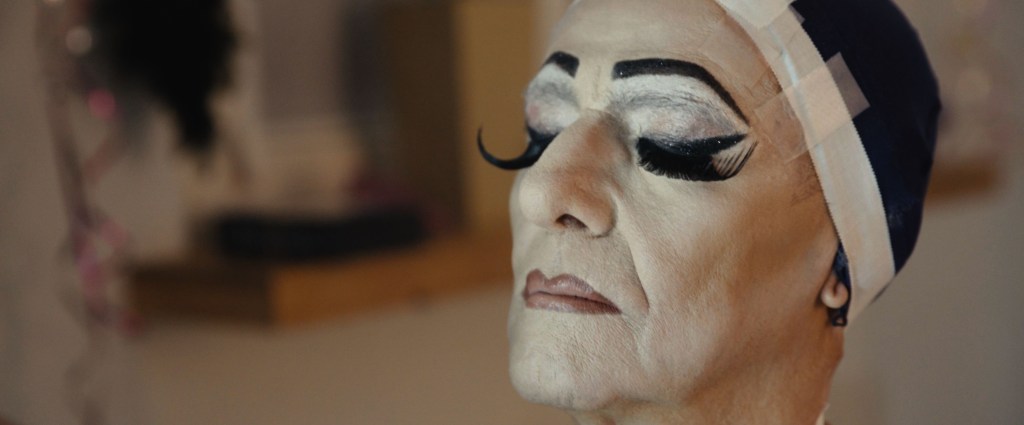
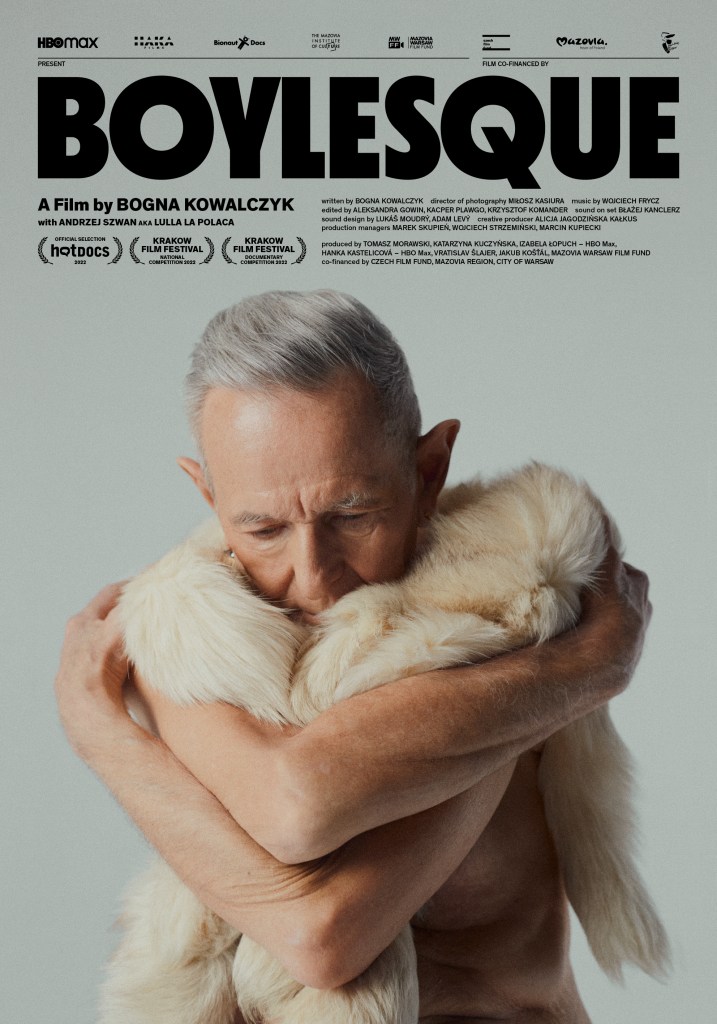
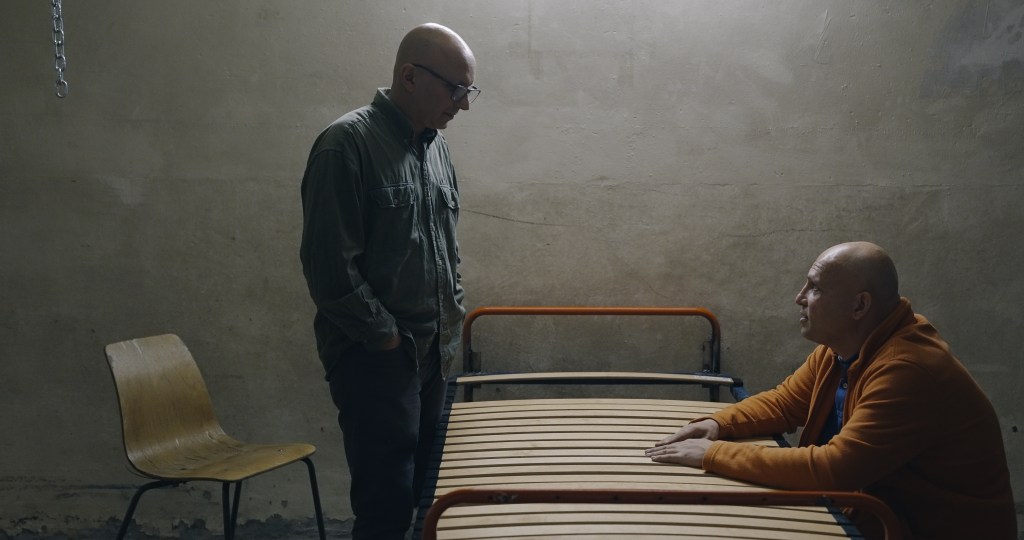
“Be curious and don’t make assumptions” was our motto during the making of this film, which led us to an amazing man and allowed us to hear his story. Over time, we realised that apart from being a unique human being, he is also an example of a young soul trapped in an old body. A man looking for love and adventure despite the role that a youth-oriented society imposes on him. The aura and energy that Lulla shares with everyone has influenced our editing, camera work and music. I am very grateful for this journey and being able to collaborate with some truly incredible and talented artists on this project.
PRODUCERS’ NOTE | TOMASZ MORAWSKI
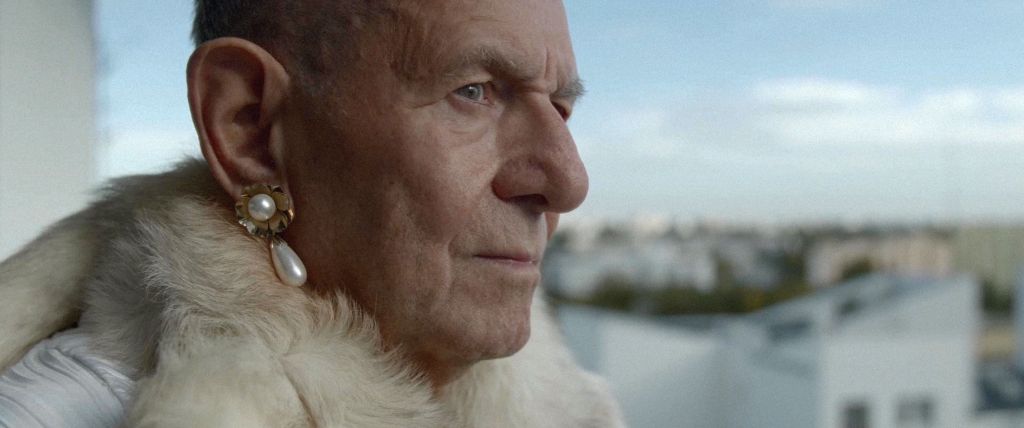
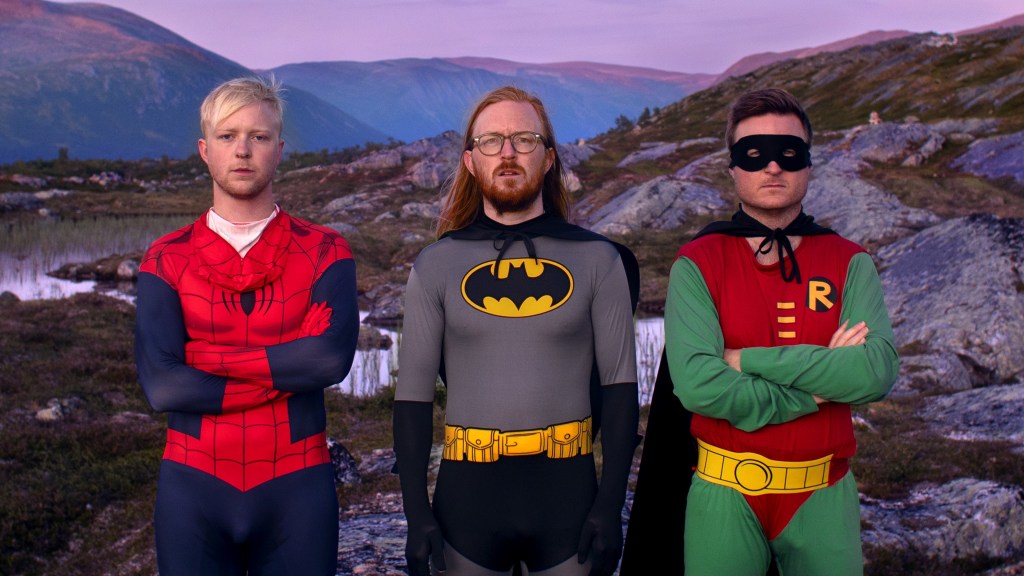
Our aim on this project was to make a film that would clash with stereotypical perceptions of older people. We really wanted to take notice of an 80-year-old man, his desires and thoughts as they are today – we were not interested in illustrating memories of his youth. Boylesque is driven by the tension between young spirit and old body, between open-mindedness and the roles imposed by society. We are confident to introduce to the viewers a wonderful, noteworthy figure – a rebel, dreamer, artist and activist.
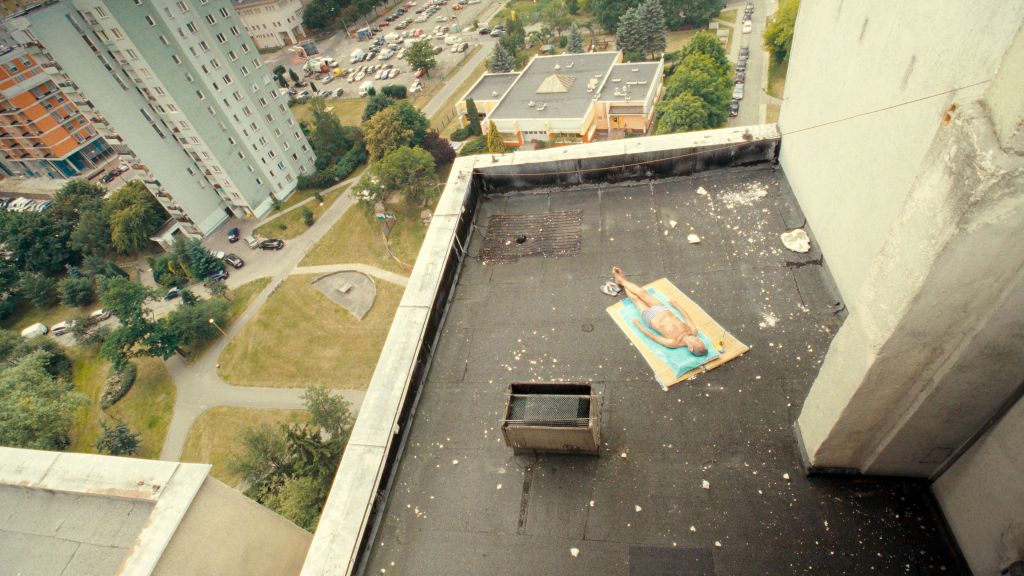
Boylesque is a directorial and cinematographic debut. Therefore, it was very important for us, as producers, to create a space where our talents could tell the story of Lulla through the prism of their sensitivity and with great attention to detail, particularly the visual aspect of the film.
Recent Polish LGBT History In A Nutshell
Homosexuality has been legal in Poland since 1932. However, it has been a taboo subject for most of Poland’s history. Poles tend to hold conservative views about many issues, as they are strongly influenced by the doctrines of the Catholic Church.
During the communist era, the government used negative attitudes towards homosexuality to their advantage – to harass, blackmail and recruit collaborators for the intelligence services. The culmination of these practices was Operation Hyacinth, launched on 15 November 1985. It targeted around 11,000 people, in order to create a national database of all Polish gay men.
Acceptance for LGBT people in Polish society increased in the 1990s and early 2000s, mainly amongst younger people and those living in larger cities. There is a visible gay scene with clubs all around the country, most of them located in large urban areas. In bigger cities like Warsaw, Kraków, Poznań and Łódź, equality parades are being organised in June. The gay rights organisations are very vocal and do run educational campaigns. Same-sex marriages and civil partnerships remain illegal and same-sex couples are unable to adopt children. Legal gender changes have been performed since the 1960s. Transgender people seeking to change their legal gender must receive a medical diagnosis.
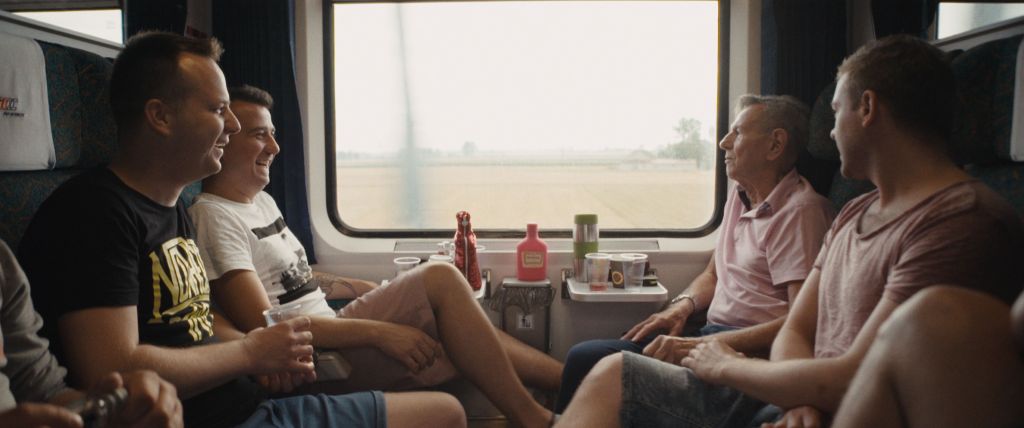
According to ILGA-Europe’s 2020 report, Poland is ranked worst among European Union countries for LGBT rights. In recent years, multiple LGBT community members have been reporting that they feel unsafe in Poland. This situation is influenced by the policies of the ruling party (PiS), which bases their politics on social prejudices. Turning a blind eye on hate speech and legitimising acts of violence committed against members of the LGBT community are a key tool used in their election campaigns. An example of that are regions in Poland, which were declared to be “LGBT free zones” by local authorities.










 True Story Blog
Leave a comment