
ABOUT SONJA by Ana Vujanović
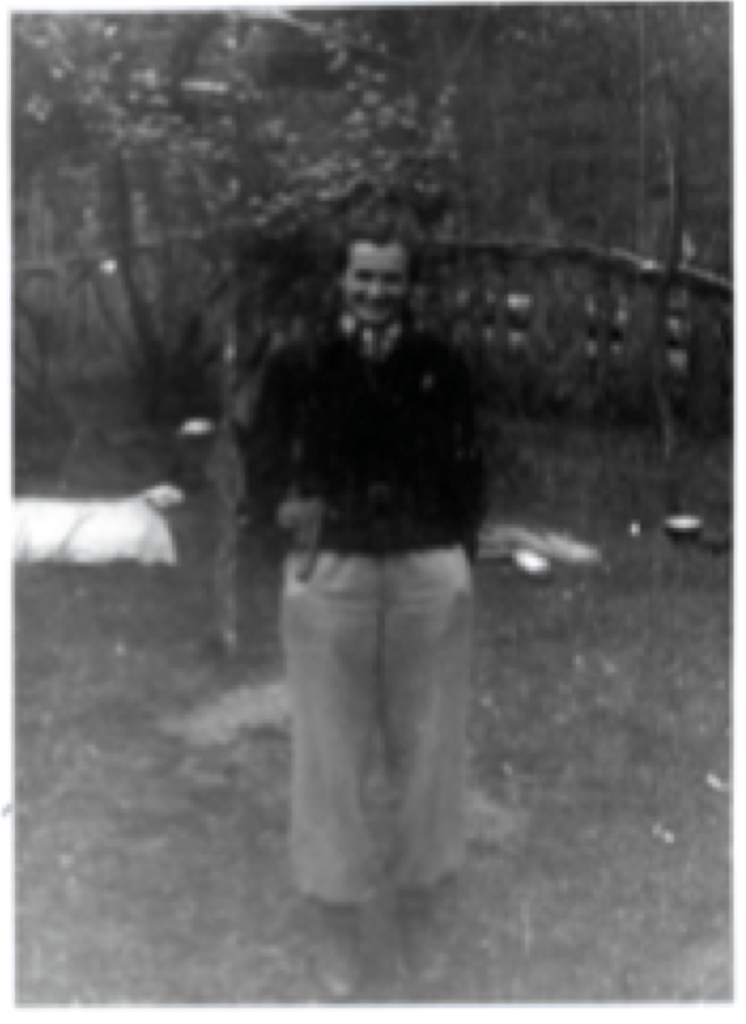
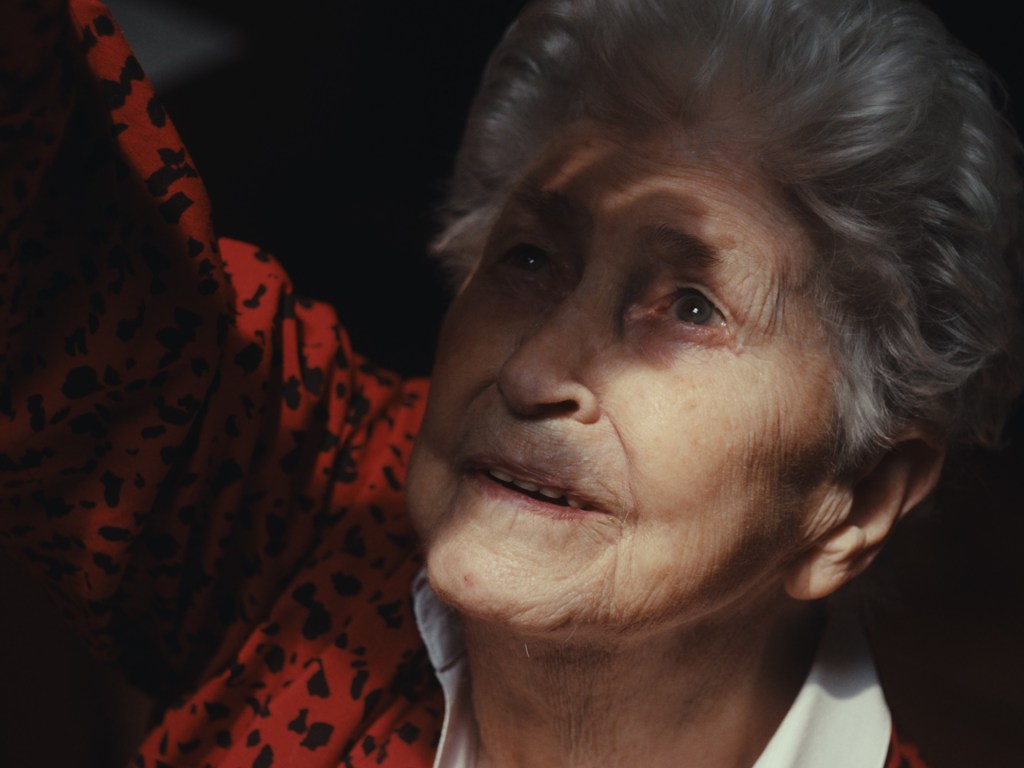
Sofija Sonja Vujanović was born in the village Petka, near Valjevo in Yugoslavia. She was born in 1920 into the wealthy peasant family Stojanović. Her father was politically engaged as a social-democrat, a deputy, and also as a fighter in WWI against the German occupiers. After primary school, she enrolled in the First Belgrade Gymnasium, and in the later grades transferred to the Valjevo gymnasium. There, she became active in a literary society, characterized by a sharp division between communist youth and nationalists, called “Ljotićevci”. Sonja belonged to the communist circle, where her sense of social injustice sharpened. Because of that political engagement, she got expelled from high school. At the same time, she started dating the president of the literary society, Sava (Saša) Stanišić, who was also a secretary of the district committee of SKOJ (Yugoslav Communist Youth). After being expelled from the school she was afraid of going home and in trying to avoid being grounded, she left for Belgrade with Sava, where they secretly married. They started living together and became communist activists, spreading books and leaflets, taking part in performances and other events dedicated to women’s rights and exploitation of workers, and working on politically activating youth, women, workers, and peasants.
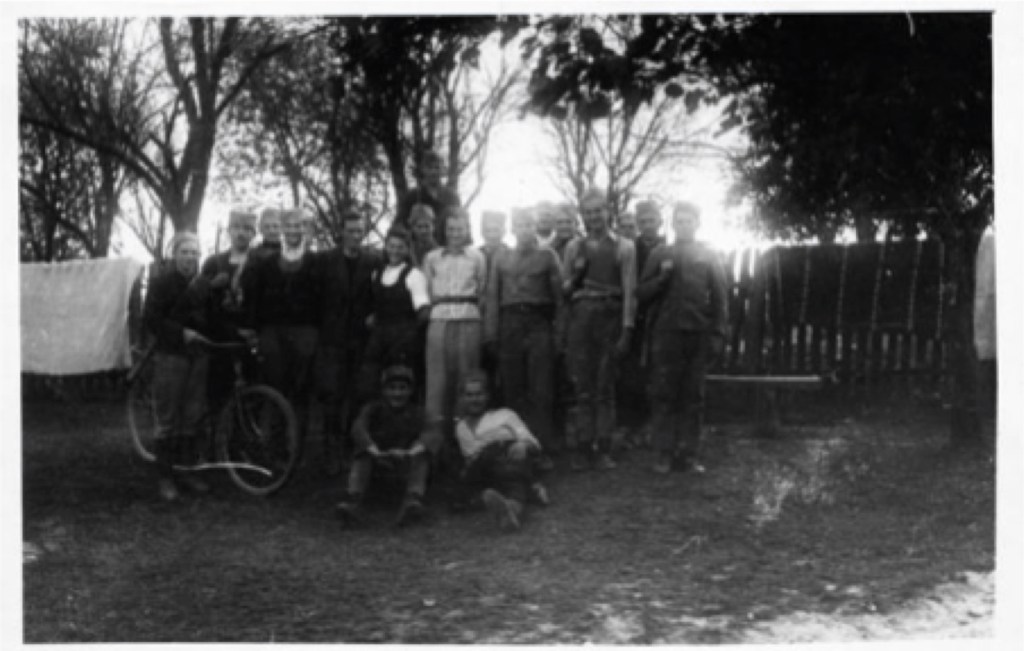
When the Axis powers occupied Yugoslavia in April 1941, Sonja and Sava helped to organize what is considered to be the first detachment of the partisan anti-fascist movement in Serbia – the Valjevo Detachment, and on June 28 they became fighters with the Kolubara unit. Sonja was the first woman who joined the unit. In the following months, they took part in numerous guerrilla actions and fights against the Nazis, until Sava fell. Although left without her big support and love, Sonja continued fighting and soon became a leader of a partisan unit. However, during winter, the partisan movement entered a crisis and many fighters got captured.
Sonja was captured in February 1942 and from that moment her arduous journey through Nazi prisons and camps began: the Šabac camp, Gestapo prison in Belgrade, concentration camp Banjica in Belgrade, Auschwitz-Birkenau, and Ravensbrück. In her dossier issued by the Gestapo, it was stated “Sie ist eine größe Kommunistin” (“She is a big communist”) as the reason for imprisonment. She would later proudly show that paper whenever there was an occasion.
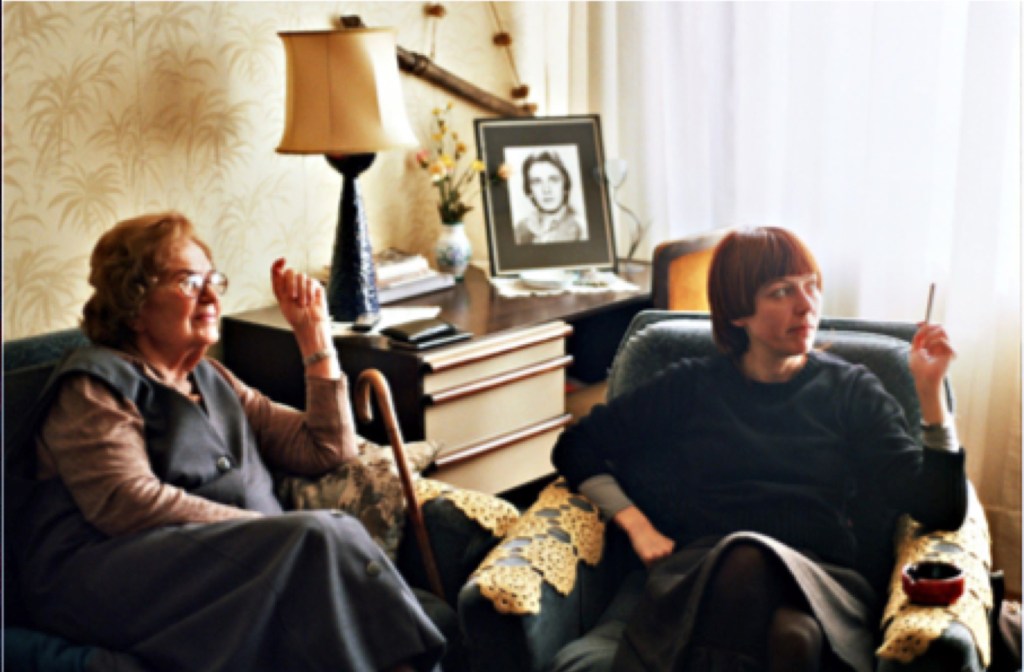
In the camps, Sonja continued being active in self-organizations of inmates and even in the resistance movement in Auschwitz, where she became a leader of a combat unit. She survived all of the prisons, thanks to luck, family connections, misunderstandings, her good health, as well as the engagement in the organizations that provided care and moral support to the gathered women. She eventually, together with four other girls, escaped from a column of civilians and the German army on April 27, 1945. With one of them, Vida Jocić, who was already her friend at the partisans and later Auschwitz, she stayed a life-long friend.
After months of wandering through Europe and undergoing rehabilitation programs, she arrived in Yugoslavia, where she, as a communist, had to face the questions: Did she collaborate with Nazis? Was she a capo in the camp? Despite that, she continued her social-political engagement. After graduating from the Literature department of Belgrade university, she worked as a journalist and then as a librarian in a university library. At the same time, her whole life she was active in preserving the memory of the fascist and Nazi crimes, as a member of SUBNOR (Associations of the People’s Liberation Struggle) and its Section of the survivors, in public speeches, interviews, open letters against rising nationalism in Yugoslavia in the late 1980s, as well as in working on Yugoslav pavilion in the Museum Auschwitz-Birkenau.
In middle age, Sonja married communist Ivo Vujanović – a partisan fighter and communist dissident, with whom she lived until the end of their lives, in their late 90s, surrounded with numerous friends, family members, comrades, neighbors, and caregivers, who kept them alive, politically sharp and even enthusiastic about achieving a more just and egalitarian society.


















 True Story Blog
Leave a comment