
Annette Apon – Director Notes

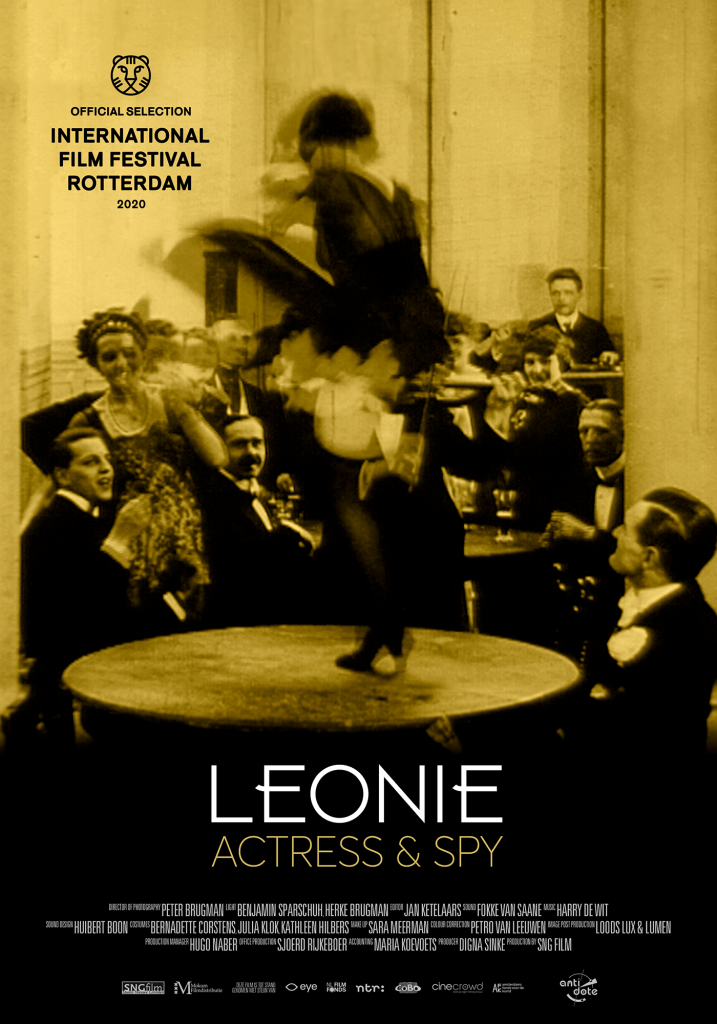
The life story of Leonie Brandt fascinates me immensely. I read the biography that Gerard Aalders wrote about her in 2003 and was immediately sold. I felt that her life had a wealth of material for a film. It turned out not to be easy at all however to find the right form for the film. Leonie writes somewhere that she was an avid film lover. That gave me the idea to recall her life stories through old film fragments.
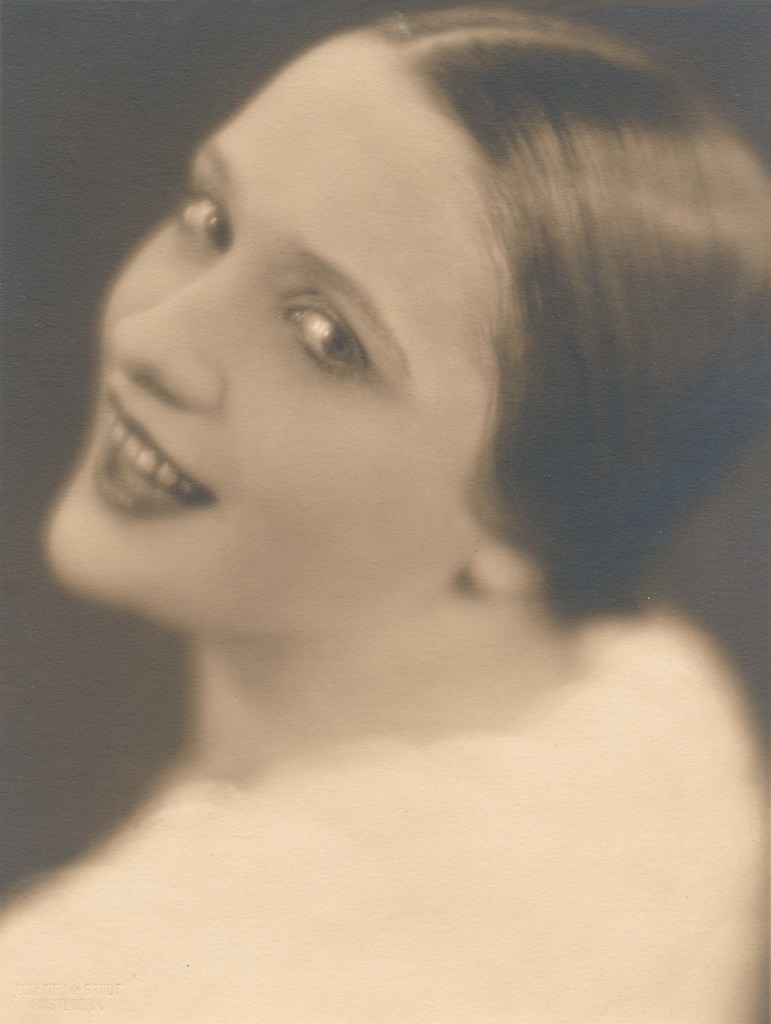
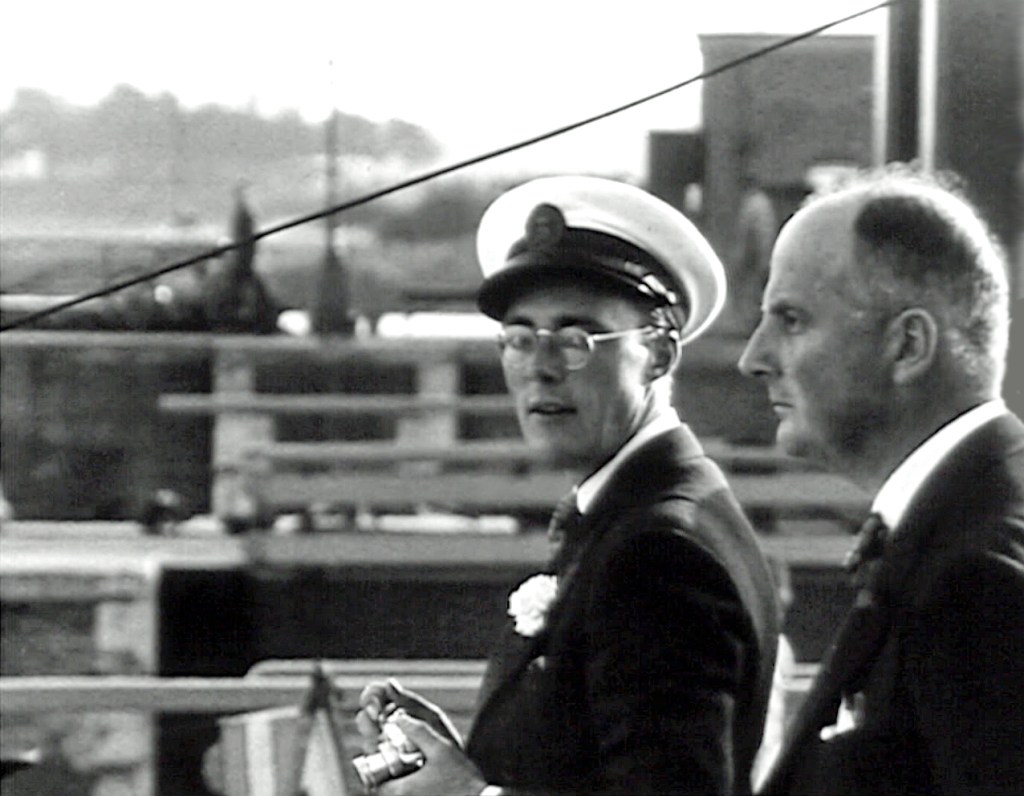
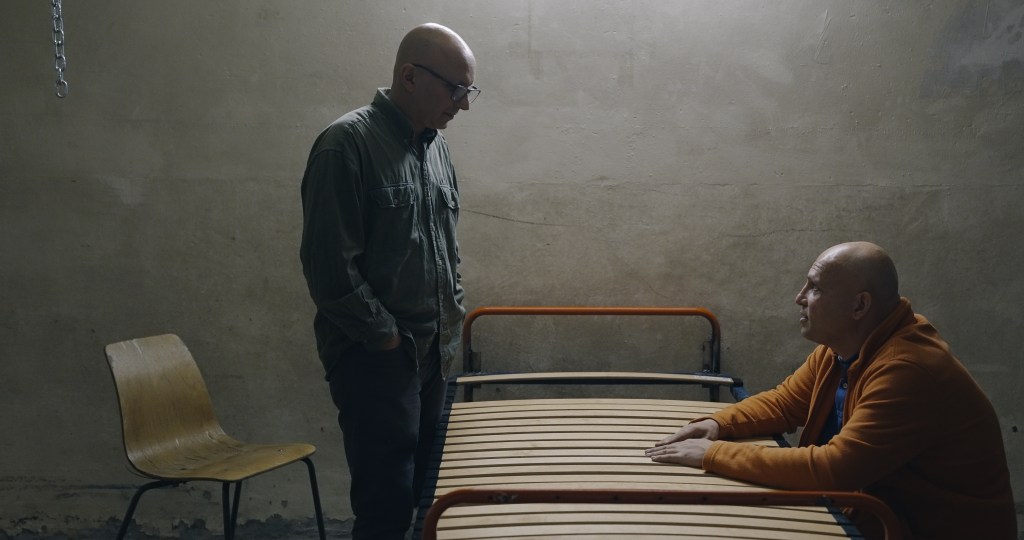
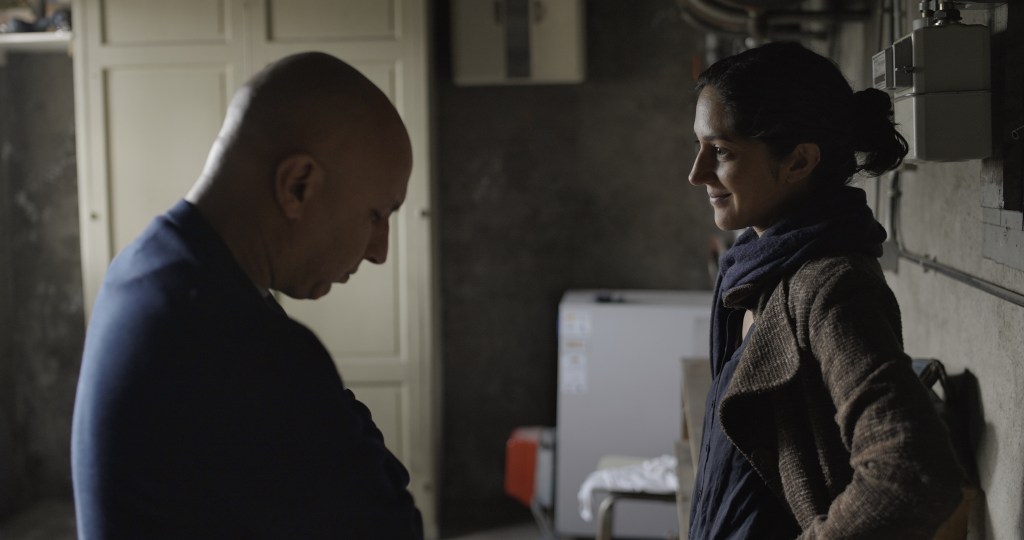
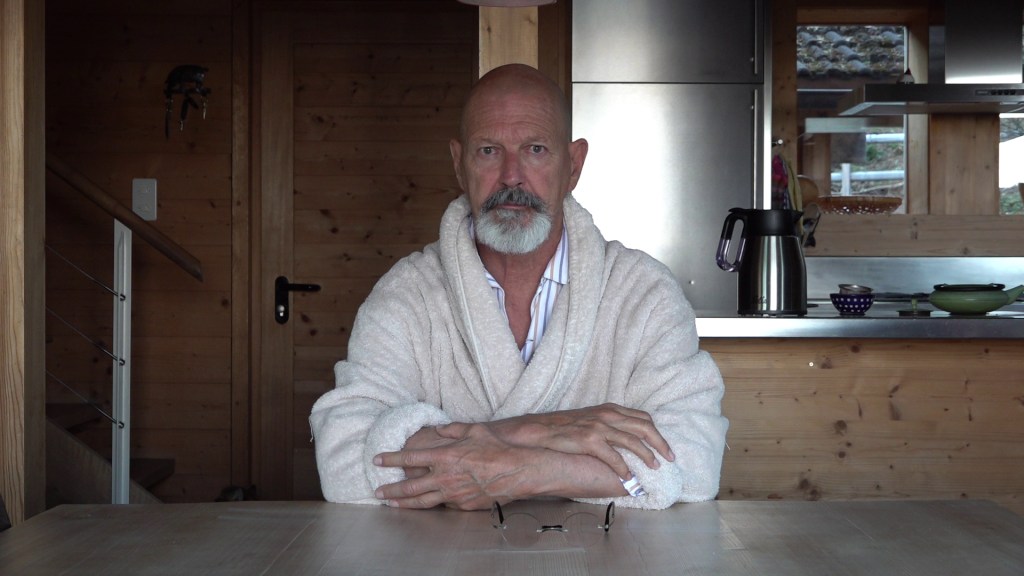
There are only a few photos of Leonie. The images of the many different actresses from the film fragments together form the image of Leonie. In this way the many sides of her personality take shape, her fluid identity becomes tangible. We also hear her voice, by actress Rifka Lodeizen, tell her story. The framework in which those old films are presented is a staged conversation between a researcher and lawyer Besier. They speculate about the truthfulness of Leonie’s stories and place them in a historical context. The researcher is interested in Besier’s memories of Leonie but is also looking for the – unfindable – truth about the ‘Stadtholder Letter’ (Prince Bernhard is said to have written a letter to Hitler in 1942 in which he offered himself as ‘Stadtholder’ of the Netherlands. The origin of the hype surrounding this letter lies in a statement by Leonie).
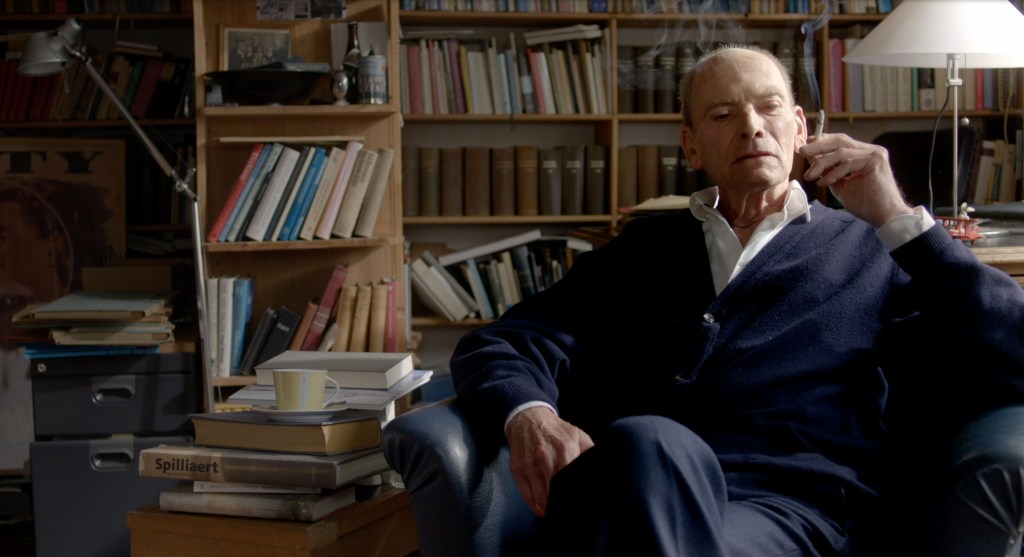
The majority of the texts spoken in the film are based on historical documents: autobiographical texts by Leonie, witness accounts and official reports, reviews. There is also my voice over. Unlike the researcher who tries to fathom the historical Leonie, and also Besier who wants to look behind the facade of the Leonie he knew personally, the focus of my fascination for Leonie is on the exceptional way in which she has shaped her life, and the existential freedom that she has created for herself.
Leonie deliberately created a haze of mystery around her. If you want to tell her life, you constantly are confronted with the question: who was Leonie Brandt really? Leonie has written a lot: plays, radio and television plays, autobiographical sketches, and also reports about her work as a spy. At first, I thought the films she had seen early on as a film fan were a source of inspiration used to describe her life in an exciting, cinematic way. But as I went deeper into her life, the most unlikely scenes and adventures turned out to be based on truth. I came to the astonishing conclusion that she constructed her life as a film. She has used the films to design and direct her life as an exciting film in five acts.
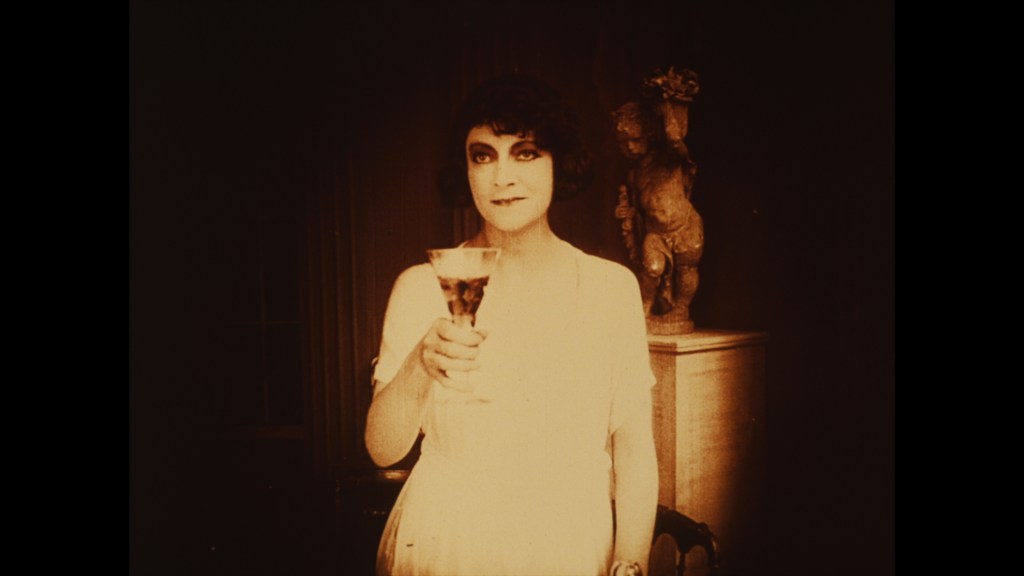
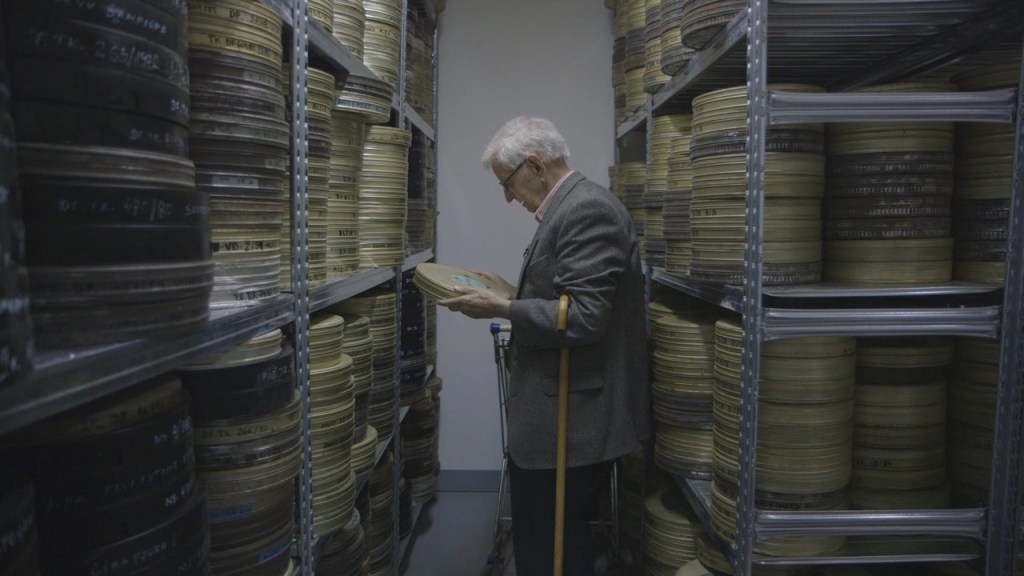
She lived a movie, following the laws of the movie. Not just one event or one period of her life, no her entire life was like a movie. And in the end, I became convinced that the essential motive of her actions was: to achieve a real sense of freedom, by defying conventions, by recklessly confronting the enemy. Life was a game to her. Sometimes she went to extremes to win. Sometimes she could put everything, including herself, in perspective; it was only a game. We were able to draw on Eye’s (Film Museum Amsterdam) rich film archive. The character Leonie Brandt is portrayed with images of many different actresses, there is a fluid relationship between the fictional images and the lyrics of Leonie. They not only prove and support what she says, but also function the other way round: the images evoke associations with Leonie.
Finally, a word about the historic Leonie Brandt. The influence of her activities on the course of history will always remain obscure. Not much is recorded in writing in the world of espionage, blackmail and deception are the order of the day, honesty can be fatal. Forming a moral judgment about her seems impossible.

























 True Story Blog
Leave a comment